
Planning & Regulations · 3 min read
Windows and Doors in Conservation Areas, Explained
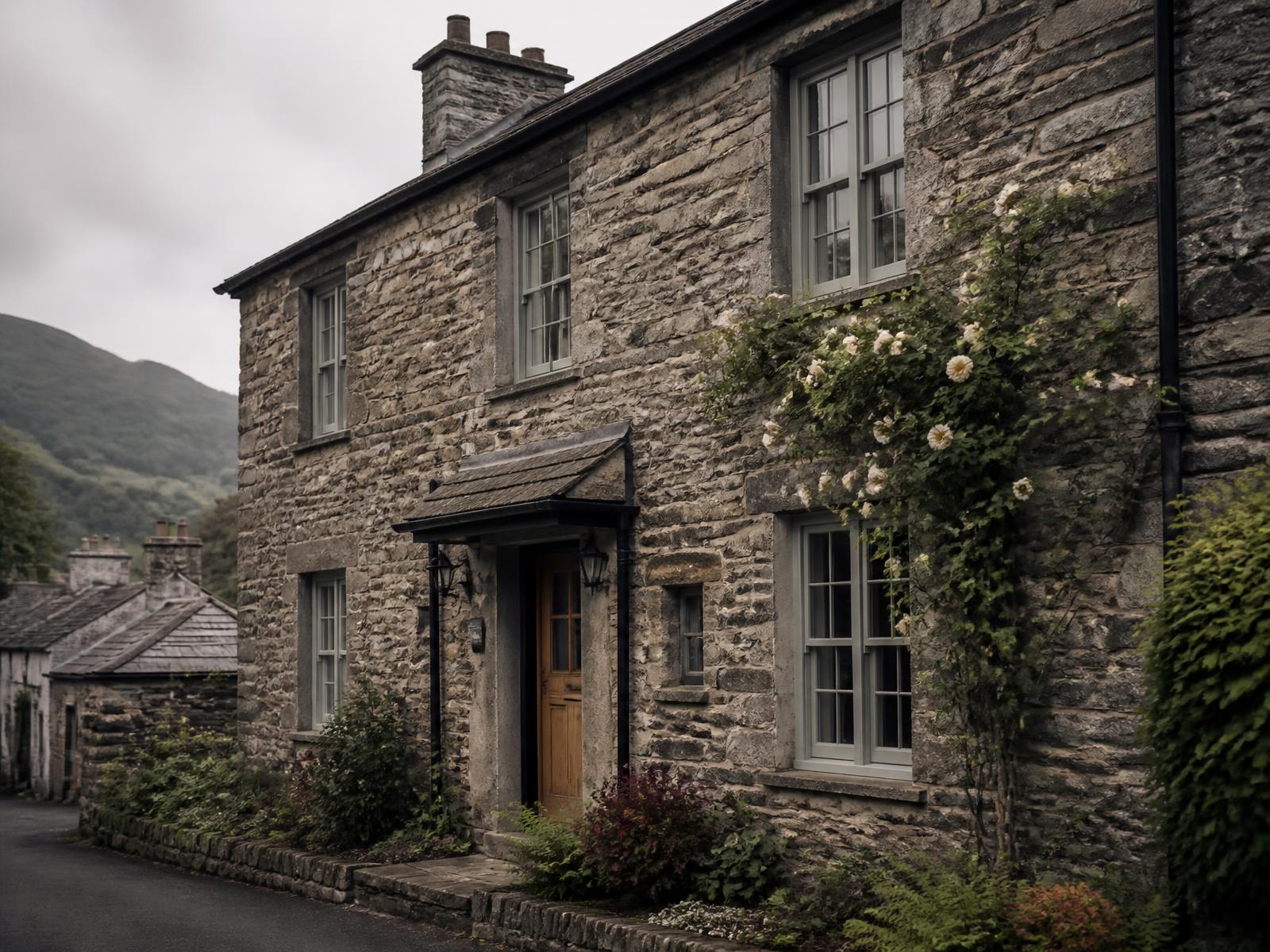
Conservation area status does not ban new windows, but it does change what needs permission and what a planning officer will expect to see.
Collections
Specification
Most homeowners have never heard of Article 4 until a planning officer mentions it. It is the single most common reason a window replacement unexpectedly needs an application.
Written by Windows in the Lakes · A trading name of Home Glazing Ltd
Permitted development rights are the standard national permissions that let you carry out certain work without applying for planning permission. For many houses, replacing windows on a like-for-like basis sits comfortably within them. An Article 4 direction is the mechanism a local planning authority can use to remove specified permitted development rights in a defined area — sometimes a whole conservation area, sometimes a handful of streets, sometimes a single building.
The practical effect is straightforward: work that would normally need no application does need one. It is not a ban and it is not a refusal. It simply means the change has to be considered on its merits before it happens.
This guide explains what the mechanism does, why windows are so often the subject of one, and how to find out whether your property is affected. It is general guidance only — the authority that made the direction is the only reliable source of its scope.
Windows are the feature that most consistently changes the character of a historic street, and the change is cumulative. Once a run of terraced or vernacular houses has lost its original opening pattern and frame proportions, the street's coherence rarely comes back. Directions covering windows and doors are therefore among the most common types made.
Where a direction applies, the discussion becomes the same one that applies to any appearance-led assessment: material, frame proportion, set-back in the reveal, opening style, glazing pattern, glass appearance and colour. A well-detailed replacement can still be entirely achievable — it simply has to be applied for.
This is a timetable issue more than a design issue. Build the application into your programme, prepare proper elevation drawings and product detail, and expect the authority to focus on how the replacement will read. Applications for the removal of permitted development rights under an Article 4 direction do not normally attract a planning fee, but confirm the current position with the authority.
Last reviewed September 2026.
Next step
We design, specify and install across Cumbria, the Lake District and the wider North. Send drawings, photographs or simply a description of the building and we will tell you what is possible and what it should cost.
Questions
If your question isn’t here, we would rather talk it through properly than guess.
Book a Design ConsultationVisit the Knowledge CentreKeep reading
Planning & Regulations · 3 min read
Conservation area status does not ban new windows, but it does change what needs permission and what a planning officer will expect to see.
Planning & Regulations · 3 min read
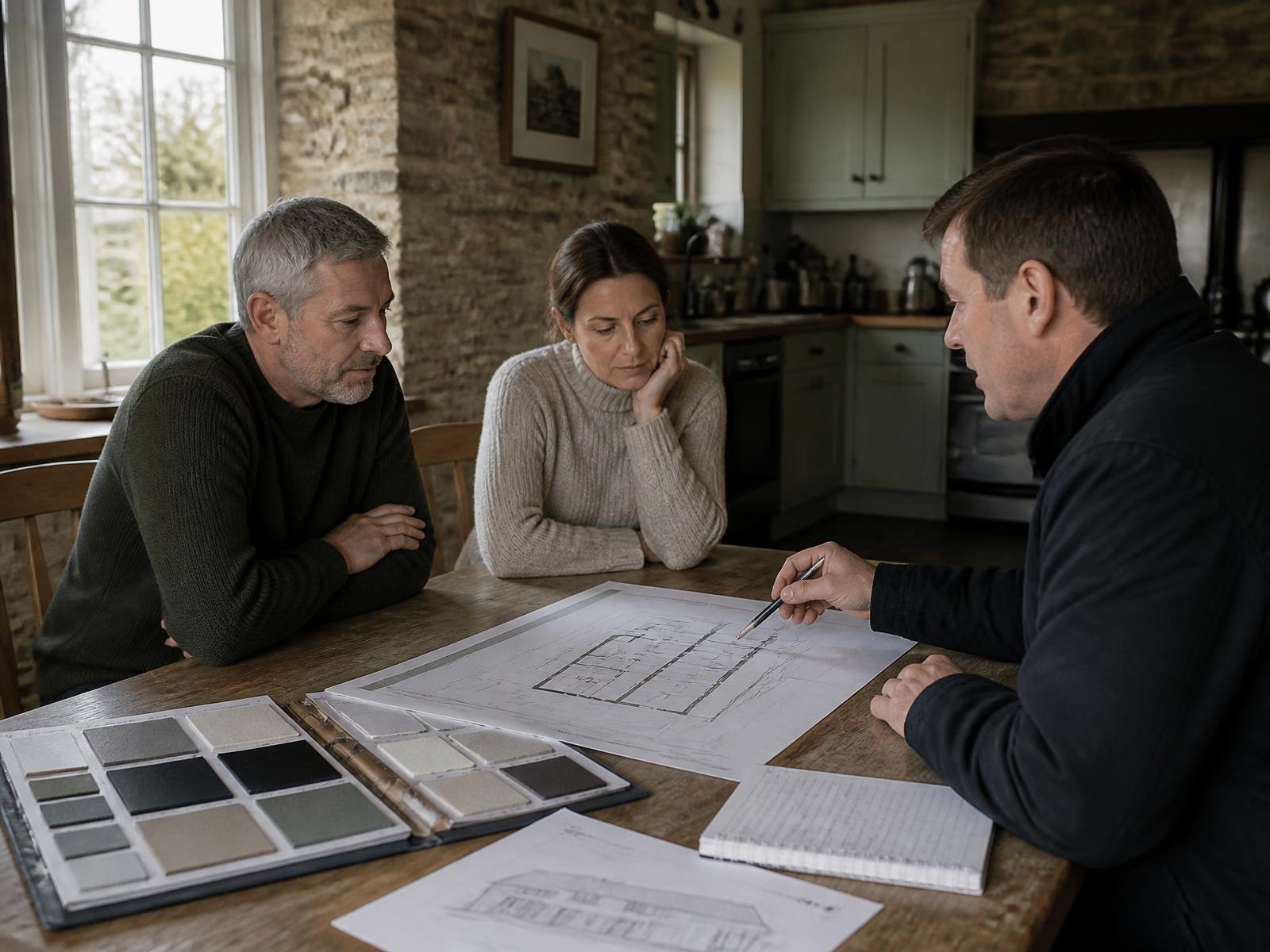
Most window and door replacements do not need planning permission, but several common situations change that answer.
Planning & Regulations · 3 min read
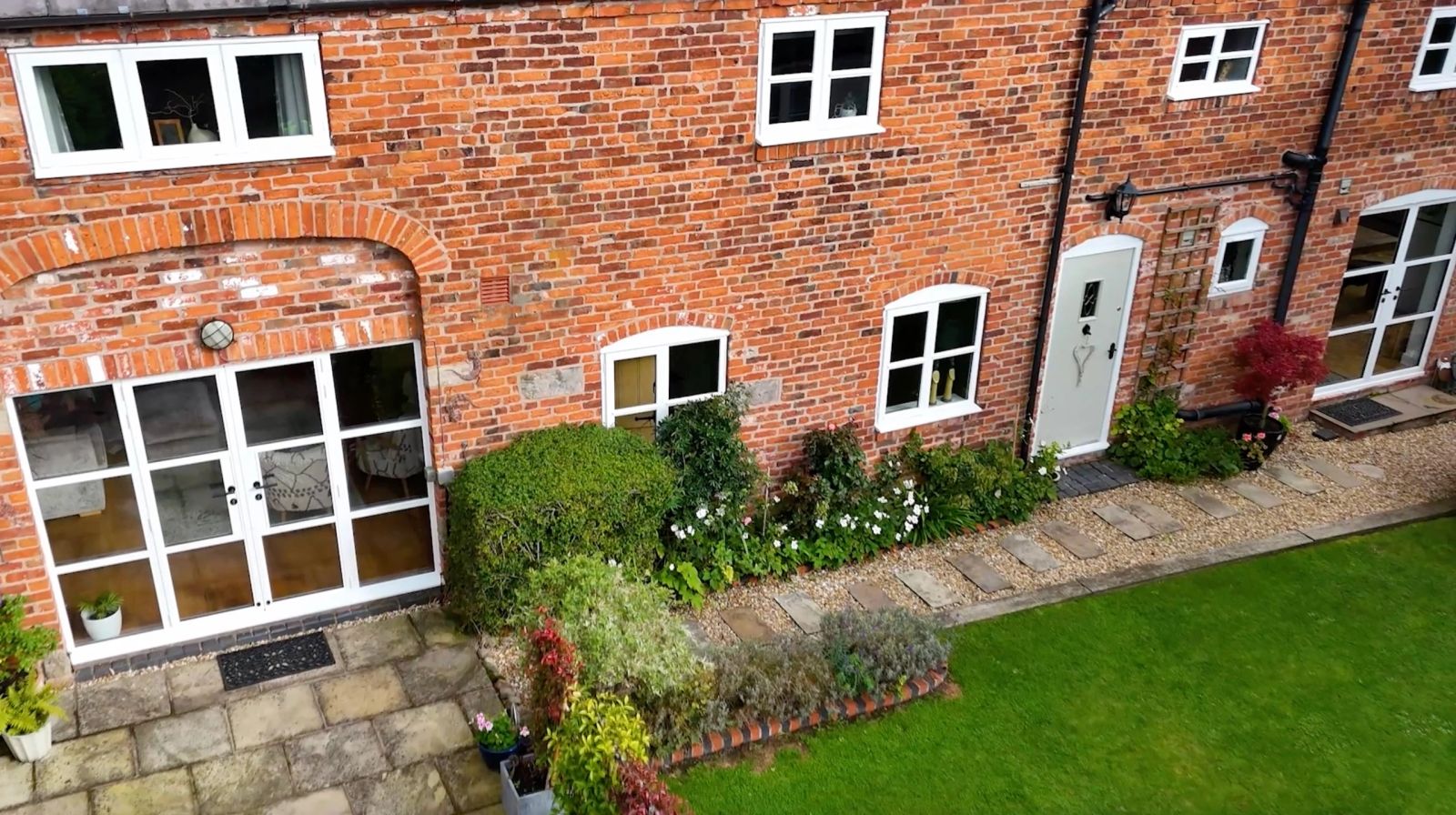
Listed status makes consent a legal requirement for almost any change, but it also opens the door to some excellent heritage-specification alternatives.

Planning & Regulations · 5 min read
The National Park is not one rule applied everywhere. What matters for your windows depends on the building, its status and where it sits — here is how to work out which of those apply to you.
Build your own collection of expert advice as you plan your project.
Wondering how this applies to your own home?
Share a photograph and we’ll turn this guidance into recommendations for your property.
Ready to understand the likely investment?
Start your personalised Project Investment Guide and see comparable completed projects.
Begin
Bring us your drawings, your site photographs or simply an idea. We will tell you what is possible, what it should cost and how long it will take.