Sedbergh & the Howgills
Architectural Windows & Doors in Sedbergh and the Howgills
Sedbergh has a Cumbria address and a Yorkshire Dales National Park planning authority — a combination that catches out more homeowners here than anywhere else we work.
Sedbergh sits beneath the Howgill Fells in the south-east corner of Cumbria, and it has been within the Yorkshire Dales National Park since the Park was first designated. That single fact shapes almost every glazing project here. Applications are determined by the Yorkshire Dales National Park Authority, not by Westmorland and Furness Council, and the Park's expectations on external appearance in a designated landscape are exacting.
The town itself is a tight, largely stone-built settlement with whitewashed and rendered cottages along Main Street, a substantial school estate, and a historic core that is designated. Around it, the Howgills and the Rawthey and Dee valleys hold farmhouses, converted barns and a scattering of larger detached properties at Dent, Garsdale and Cautley.
Sedbergh is roughly half an hour from our base, so despite the planning complexity it is an easy area for us to survey and support.
What being inside the National Park actually means
Inside a National Park, permitted development rights are more restricted than elsewhere, and the Authority gives significant weight to how a change reads in the landscape and the street scene. In practice, that means external appearance — frame proportion, colour, glazing bar arrangement and reflectivity — is examined more closely than the product's technical performance.
- Applications are determined by the Yorkshire Dales National Park Authority
- Permitted development rights are more restricted than outside the Park
- Appearance in the landscape and street scene carries real weight
- Listed building consent, where applicable, is a separate matter again
Sedbergh property character
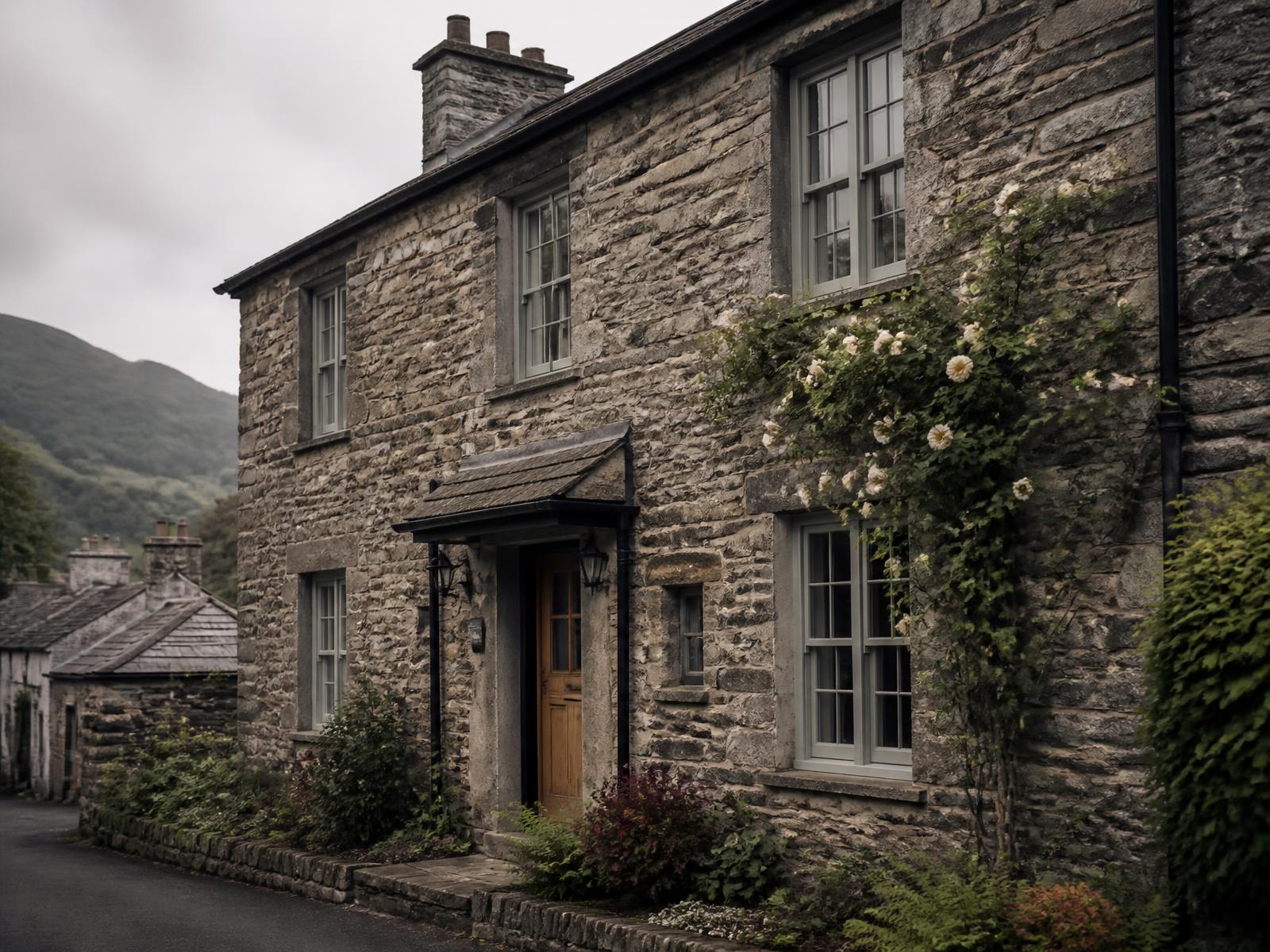
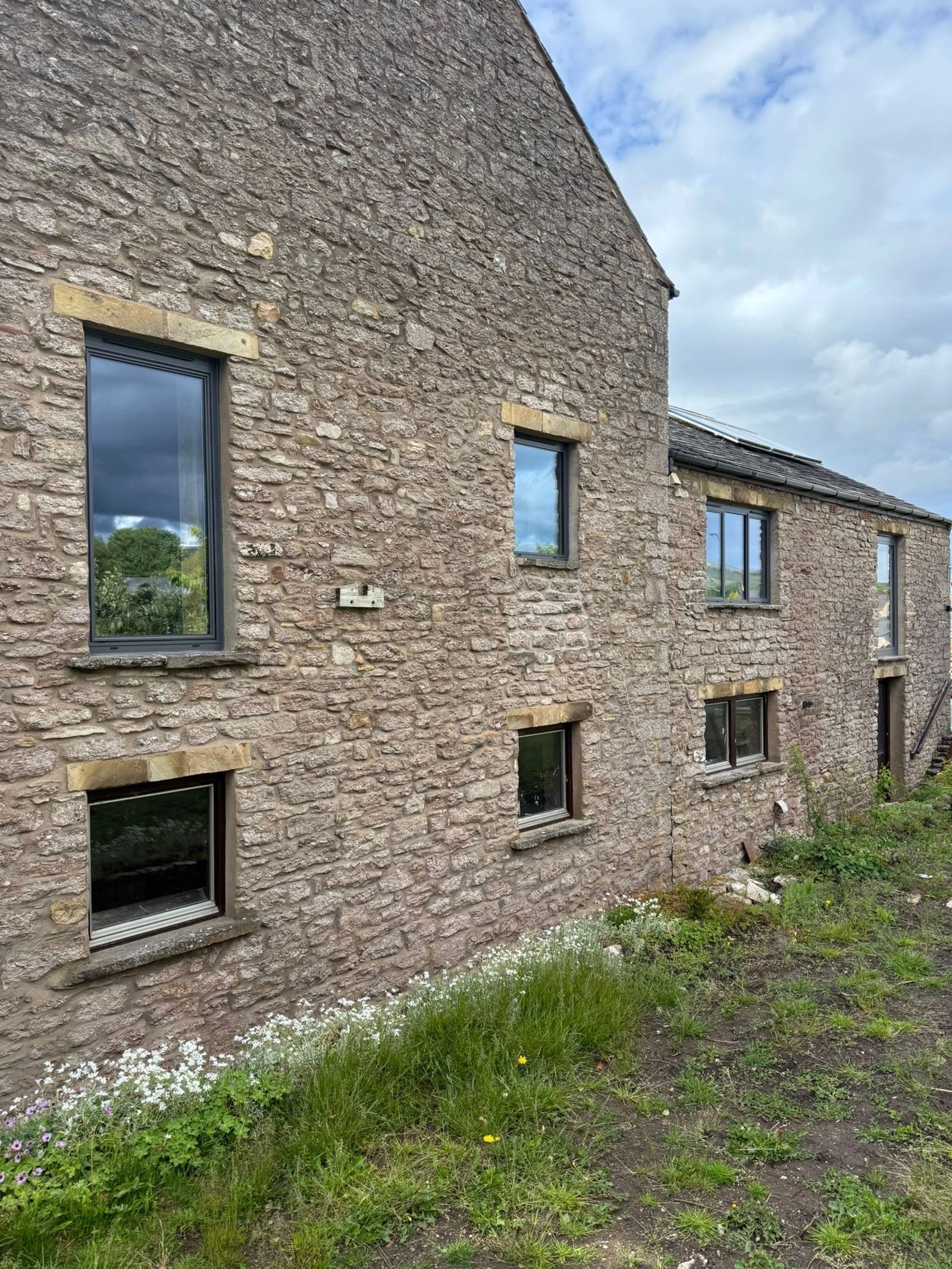
Whitewashed and rendered stone cottages define the town centre, with small-paned windows, modest openings and painted joinery as the historic norm. The surrounding dales hold darker bare-stone farmhouses with deep reveals, and the valleys at Dent and Garsdale contain some of the most weather-exposed housing in the area despite the shelter the fells appear to offer.
What tends to work in the Park
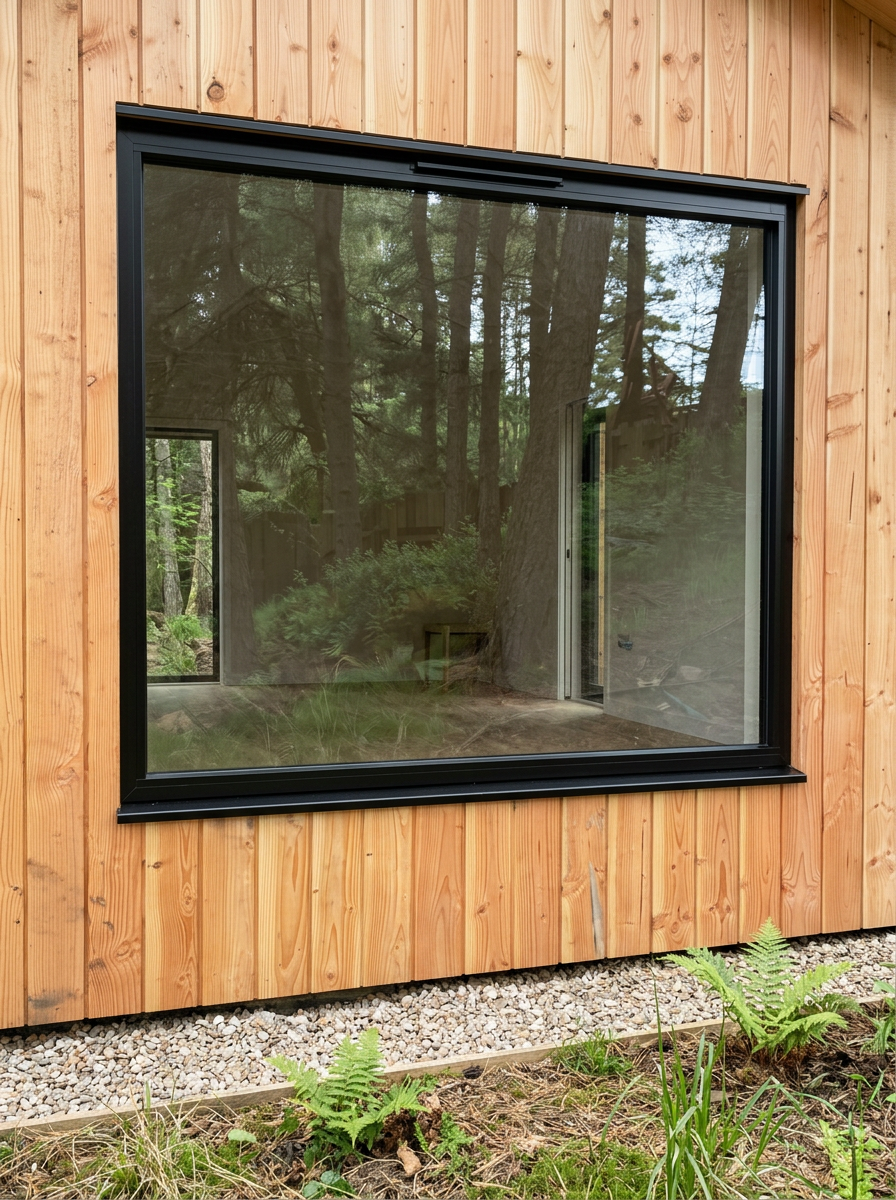
On designated frontages the reliable answer is usually a window that reads as painted joinery: correct proportions, slim sightlines, appropriate glazing bars where they exist historically, and a colour drawn from a traditional palette rather than a contemporary one. Contemporary aluminium generally finds its place on rear elevations, modern extensions and buildings without historic frontage.
- 01Establish the designationNational Park, conservation area, listed — or all three.
- 02Record what is thereExisting proportions and opening patterns are the strongest evidence in any application.
- 03Choose appearance firstSelect the system that delivers the required look, then optimise performance within it.
- 04Submit and surveyWe can advise through the process, but the determination is the Authority's.
Project evidence
Work behind the advice
Next step
A Sedbergh or Howgills project
Start by confirming the designation with the National Park Authority. Send us the elevation photographs and we will work within it.
Sedbergh
Questions from homeowners in Sedbergh
Straight answers on coverage, project size and how we work in this area.
Book a Design ConsultationVisit the Knowledge CentreBegin
Planning a glazing project in Sedbergh?
Send the postcode, photographs of the elevations or the architect's drawings, and we will tell you honestly whether we are the right people for it.