
Planning & Regulations · 3 min read
Windows and Doors in Conservation Areas, Explained
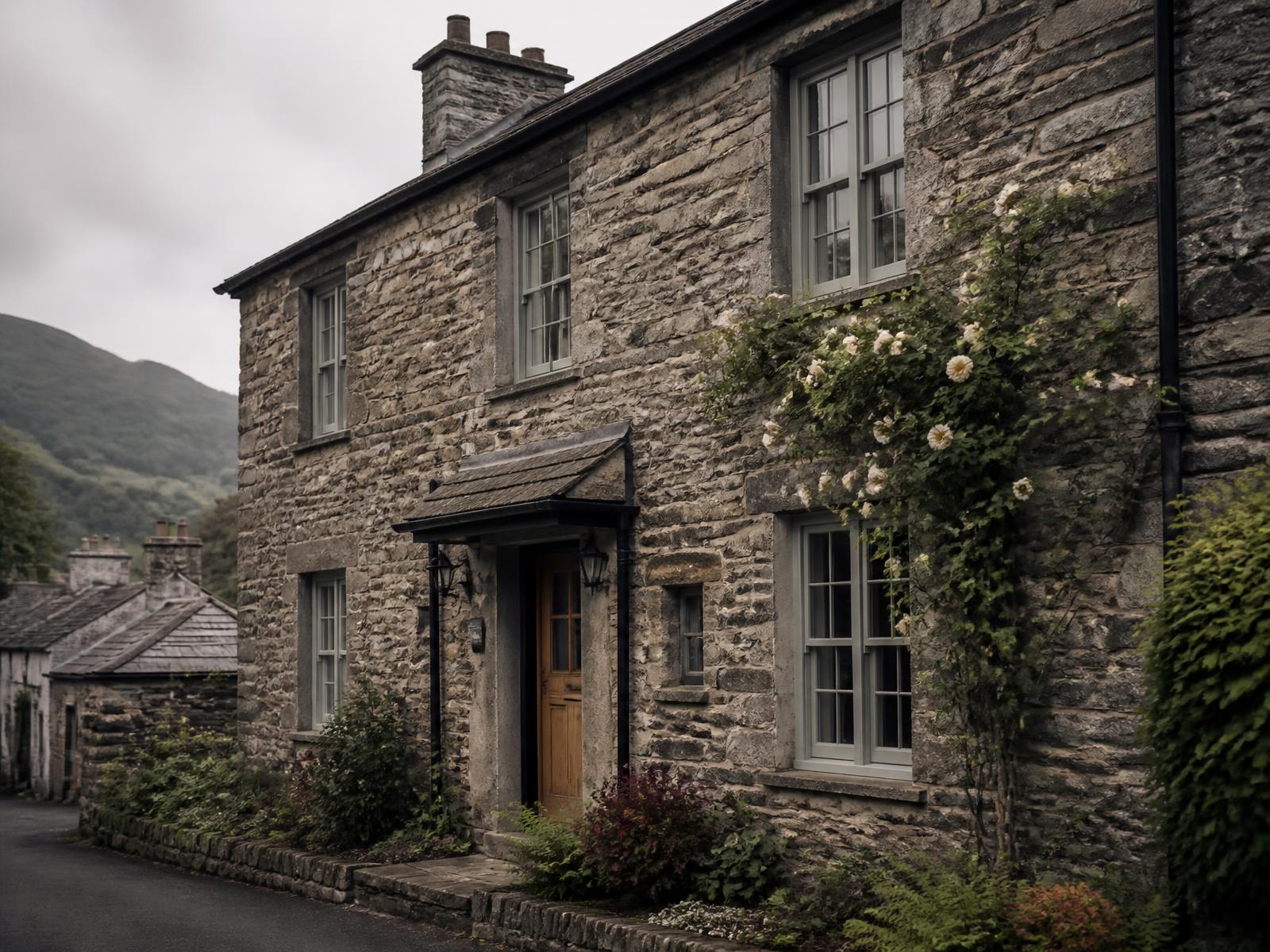
Conservation area status does not ban new windows, but it does change what needs permission and what a planning officer will expect to see.
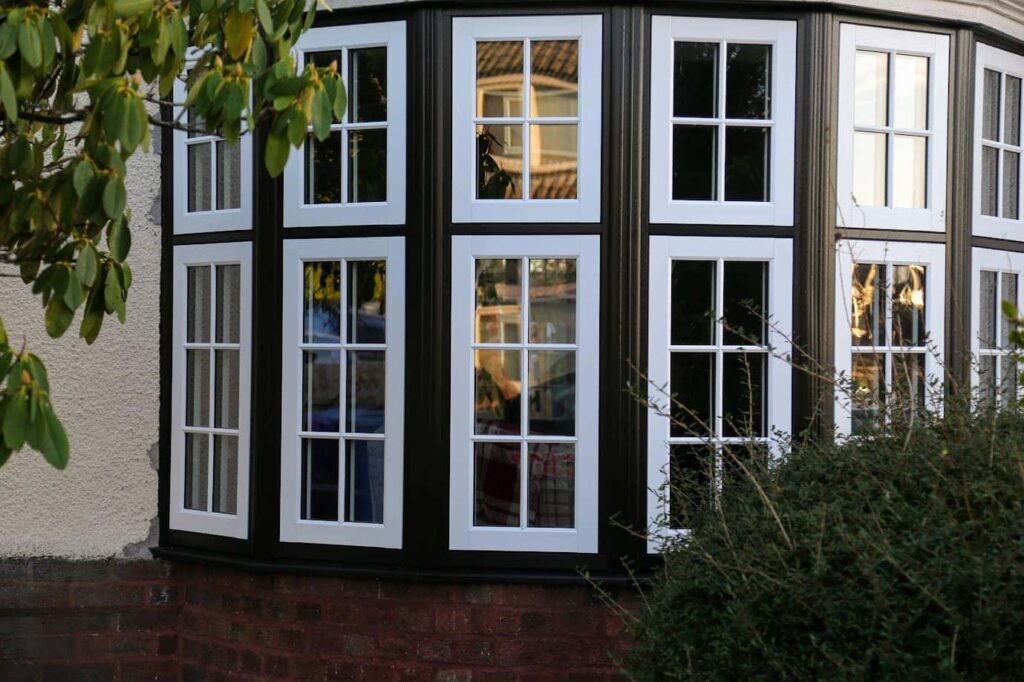
Short answer: colour can matter as much as material in a conservation area, and changing it can be more sensitive than a straight like-for-like replacement. Here is why, and what to check first.
Written by Windows in the Lakes · A trading name of Home Glazing Ltd
Homeowners are often surprised that colour is treated as seriously as it is in conservation area discussions. It is one of the most visible things about a window, it changes at a distance more than glazing bar detail does, and unlike a subtle change to sightline width, a colour change from, say, white to anthracite grey is unmissable from the street.
Whether you need consent to change colour depends heavily on whether the change happens as part of a wider like-for-like replacement, whether the property is listed, and whether an Article 4 direction applies locally. This guide sets out the general position and the practical considerations for choosing a colour that will sit well on a traditional elevation for decades, not just on installation day.
As with all planning matters, this is general guidance only. Confirm your specific situation with your local planning authority before ordering.
There is no single answer that applies everywhere. Some conservation areas have Article 4 directions that specifically restrict the colour of windows and doors, in which case a change from the established colour may need planning permission even where the frame material and style stay the same. On a listed building, colour is very often controlled by the listing itself, since it forms part of the building's special character.
| Situation | Typical position |
|---|---|
| Unlisted house, no Article 4 direction, colour close to existing | Often within permitted development, but confirm locally |
| Unlisted house, Article 4 direction covering colour | Likely to need planning permission for a material colour change |
| Listed building | Colour change is very likely to need listed building consent |
| New-build or unrestricted modern house | Colour choice is usually a free design decision |
A conservation area assessment is fundamentally about how a street or group of buildings reads together. Colour is one of the few window characteristics visible from a genuine distance — further than glazing bar depth or sightline width. A row of white-framed sash windows with one grey or black frame among them changes the read of the whole terrace, which is why colour uniformity is often protected even where individual frame styles vary slightly.
Last reviewed September 2026.
Next step
We design, specify and install across Cumbria, the Lake District and the wider North. Send drawings, photographs or simply a description of the building and we will tell you what is possible and what it should cost.
Explore from here
Save anything you are drawn to. It gathers in My Inspiration and travels with your enquiry as a design brief.
Questions
If your question isn’t here, we would rather talk it through properly than guess.
Book a Design ConsultationVisit the Knowledge CentreKeep reading
Planning & Regulations · 3 min read
Conservation area status does not ban new windows, but it does change what needs permission and what a planning officer will expect to see.
Planning & Regulations · 3 min read
Most homeowners have never heard of Article 4 until a planning officer mentions it. It is the single most common reason a window replacement unexpectedly needs an application.
Planning & Regulations · 3 min read
Listed status makes consent a legal requirement for almost any change, but it also opens the door to some excellent heritage-specification alternatives.
Planning & Regulations · 5 min read
Short answer: often yes, sometimes no, and it depends on the building rather than the material. Here is how conservation officers actually approach aluminium windows.
Build your own collection of expert advice as you plan your project.
Wondering how this applies to your own home?
Share a photograph and we’ll turn this guidance into recommendations for your property.
Ready to understand the likely investment?
Start your personalised Project Investment Guide and see comparable completed projects.
Begin
Bring us your drawings, your site photographs or simply an idea. We will tell you what is possible, what it should cost and how long it will take.