Alston Moor
Architectural Windows & Doors on Alston Moor
Alston is England's highest market town, and specifying glazing here is closer to specifying for a mountain site than for a Cumbrian valley.
Alston sits at around 1,000 feet in the North Pennines, and the moor around it is higher still. Winters are longer, wind loading is severe, and driving rain and snow are a normal part of the year rather than an exception. Any glazing specification that ignores that is simply going to underperform.
The town is unusually intact: steep cobbled streets, stone frontages and a high proportion of listed and conservation-area buildings. Beyond it, Alston Moor holds isolated stone farmhouses, former lead-mining cottages and a slowly growing number of thoroughly renovated properties where owners have decided to solve the building's thermal performance properly rather than patch it.
The North Pennines is a designated National Landscape, which raises the weight given to landscape character in planning assessments without by itself dictating what may be used. Alston is around forty minutes from our base along the A686.
Alston Moor property character
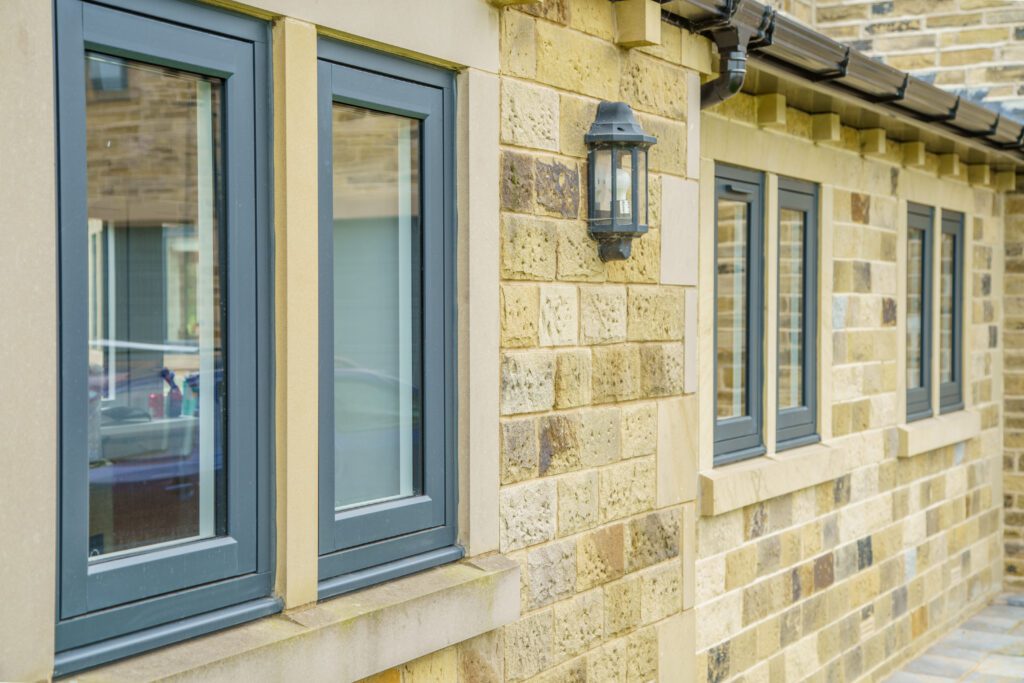
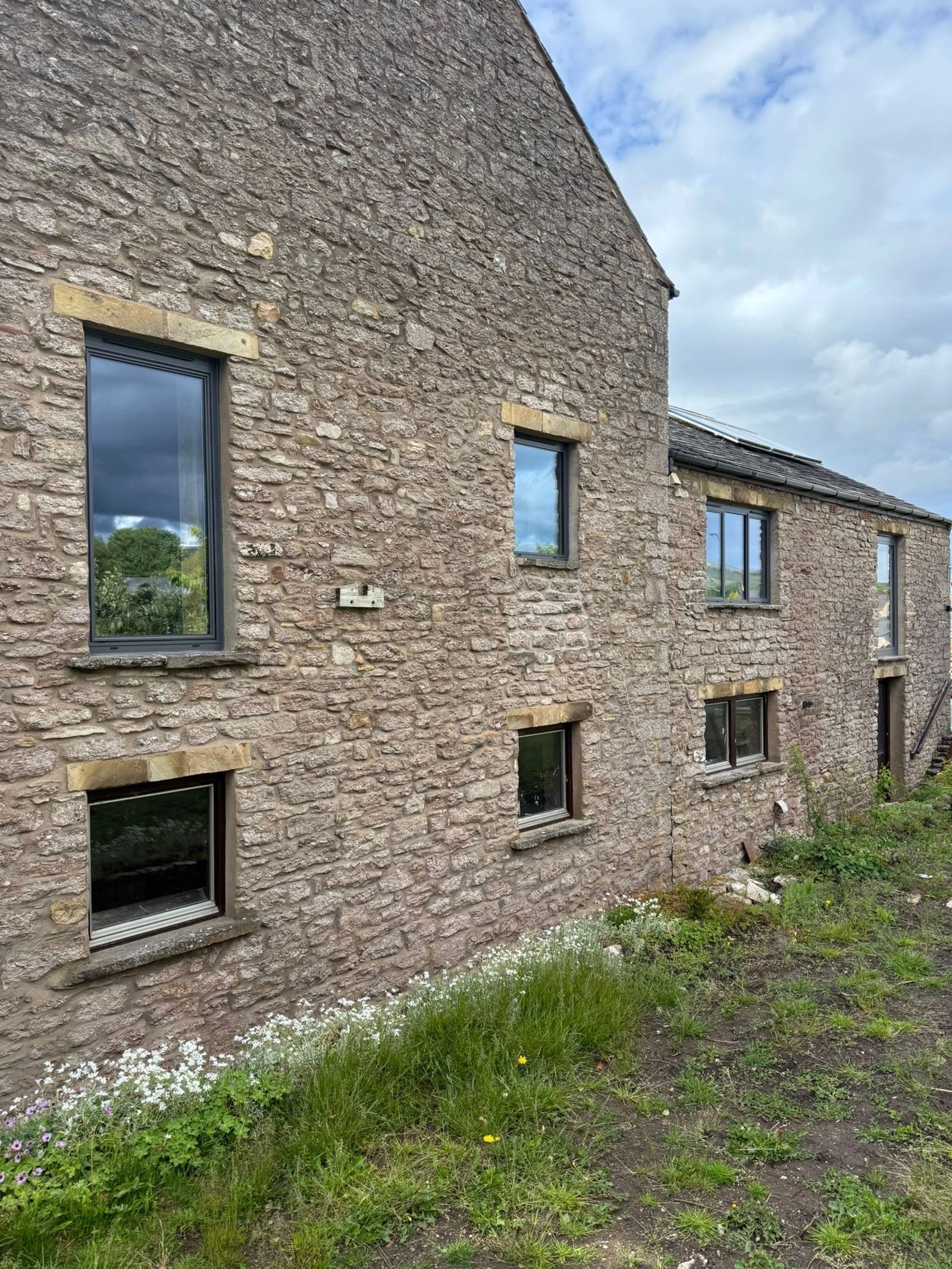
Thick stone walls, small original openings and deep reveals define the local stock. Many properties have single-glazed or early double-glazed units still in place, and the practical driver for replacement here is as often comfort and running cost as it is appearance. Lead-mining-era cottages and isolated moorland farmhouses make up a large proportion of the work.
- Stone cottages and terraces on the town's steep cobbled streets
- Isolated moorland farmhouses with severe wind and rain exposure
- Former mining cottages being comprehensively renovated
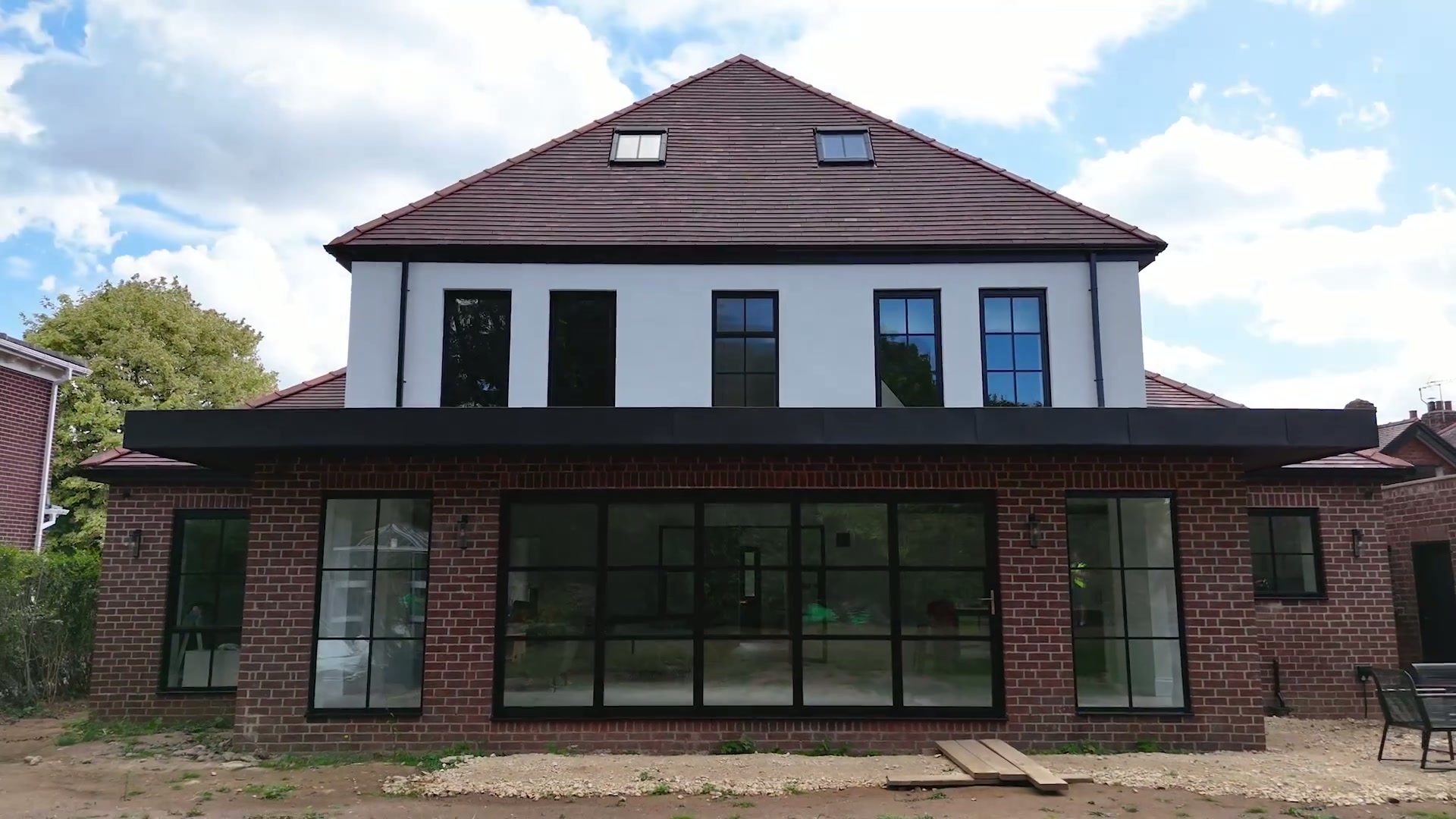
- Occasional contemporary upland builds designed around the views
Thermal performance in an upland climate
Alston is one of the few places in our working area where we will routinely raise triple glazing unprompted. At this altitude the heating season is long, and the difference in comfort next to a window — not just the headline energy figure — is genuinely noticeable. Equally important is what happens around the frame: thermal bridging, sealing into thick stone reveals and airtightness at the perimeter often matter more than the unit specification alone.
| Consideration | Why it matters on Alston Moor |
|---|---|
| Glazing specification | Long heating season makes triple glazing worth a serious look |
| Perimeter sealing | Air leakage around a frame in thick stone can undo a good unit |
| Thermal bridging | Deep reveals need careful detailing to avoid cold spots and condensation |
| Weather performance | Wind-driven rain and snow loading exceed typical valley conditions |
Planning on Alston Moor
Alston is administered by Westmorland and Furness Council. The town centre is a conservation area with a considerable number of listed buildings, and the wider moor sits within the North Pennines National Landscape. Designation does not prohibit change, but it does mean external appearance is assessed carefully — and that should be confirmed for your specific property before anything is ordered.
Project evidence
Work behind the advice
Next step
A project on Alston Moor
Altitude, exposure and an old stone envelope change the brief. Send photographs of the elevations and we will specify for the site, not the catalogue.
Alston
Questions from homeowners in Alston
Straight answers on coverage, project size and how we work in this area.
Book a Design ConsultationVisit the Knowledge CentreBegin
Planning a glazing project in Alston?
Send the postcode, photographs of the elevations or the architect's drawings, and we will tell you honestly whether we are the right people for it.