Planning & Regulations · 3 min read
Windows and Doors for Listed Buildings
Listed status makes consent a legal requirement for almost any change, but it also opens the door to some excellent heritage-specification alternatives.
Short answer: glazing bars are one of the most closely examined details on a period elevation, because they carry more of a window's traditional character than almost anything else. Here is what to know before you specify them.
Written by Windows in the Lakes · A trading name of Home Glazing Ltd
Ask any conservation officer what tends to make or break a window replacement on a traditional building, and glazing bars come up almost every time. A frame can be the right material, the right colour and roughly the right proportion, and still look wrong if the glazing bars are the wrong pattern, too shallow, or applied to the glass surface rather than built into the structure of the window.
This is a genuinely technical area with real cost implications, since true glazing bars cost more than a stick-on grille and take longer to manufacture. This guide explains the different types of glazing bar, why the difference matters visually and to planning discussions, and how to choose an approach that suits your building and budget.
This is general guidance, not a determination of what will be approved on any specific property. Where glazing bar pattern is a live planning or listed building consent issue, confirm the expected approach with your local planning authority before ordering.
| Type | How it works | Visual result |
|---|---|---|
| True glazing bars | The window is genuinely divided into separate panes of glass, each individually sealed | Authentic shadow line and depth, closest to historic originals, highest cost |
| Bonded bars with internal spacer | A single sealed unit with bars bonded to both glass faces and a matching spacer bar inside the cavity | Convincing shadow line from most angles, good balance of appearance, thermal performance and cost |
| Surface-applied or stick-on grille | A grille clipped or applied to the glass surface with no internal spacer | Flattest appearance, most likely to be picked up as inauthentic on close inspection, lowest cost |
On a sash or Georgian-pattern window, the glazing bar arrangement is often the single most identifiable feature of the building's period and status. A six-over-six sash reads very differently to a two-over-two or an unbroken single pane, and changing that pattern changes the character of the whole elevation, not just one window.
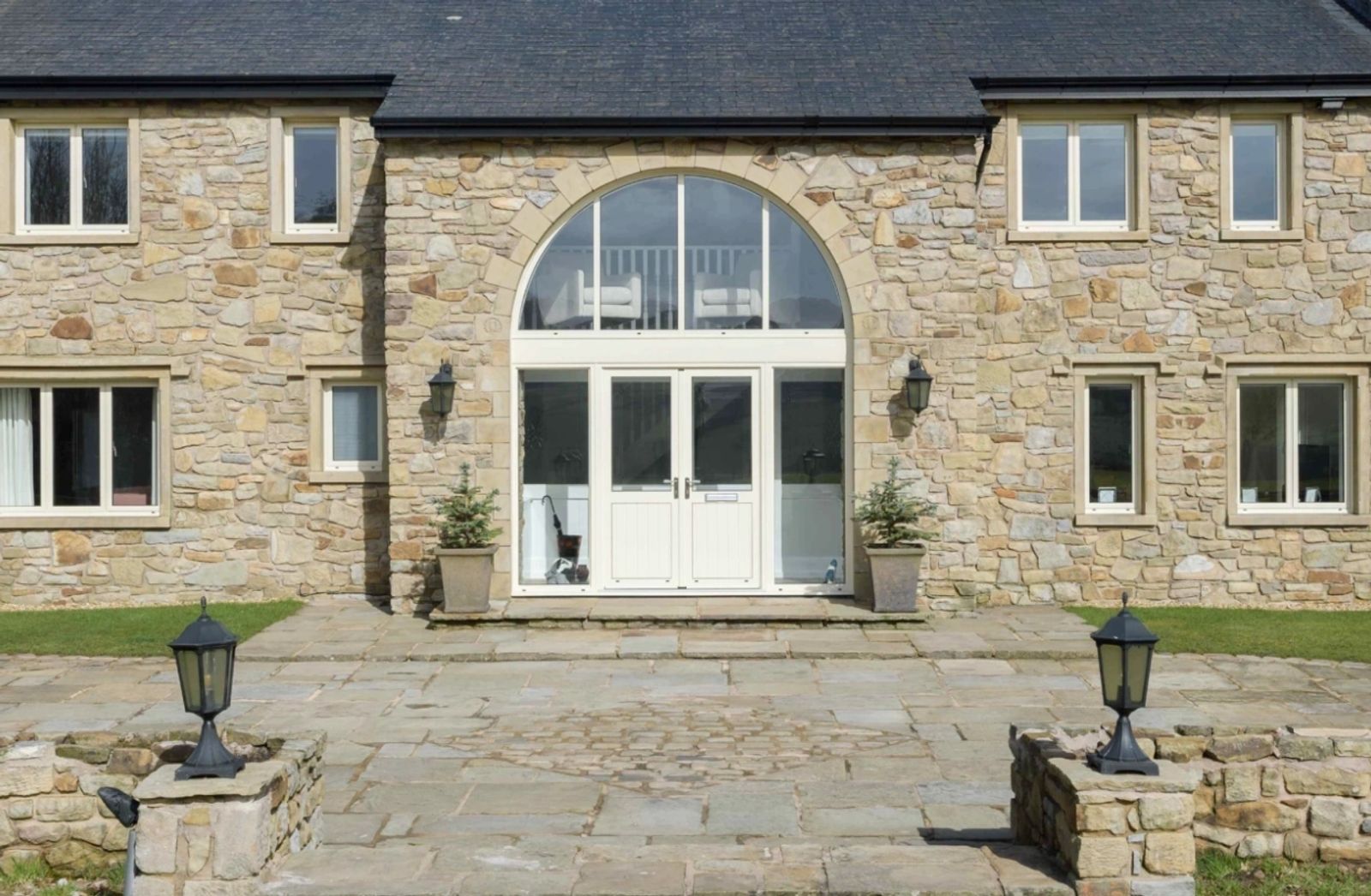
True glazing bars add both cost and manufacturing time compared with bonded bars, because each pane is an individually sealed unit rather than one large sealed unit with applied bars. On a listed building or a sensitive conservation area elevation, that additional cost is often the difference between an application that is well received and one that faces objection, so it is worth building into the budget from the outset rather than treated as an optional extra.
Last reviewed September 2026.
Next step
We design, specify and install across Cumbria, the Lake District and the wider North. Send drawings, photographs or simply a description of the building and we will tell you what is possible and what it should cost.
Explore from here
Save anything you are drawn to. It gathers in My Inspiration and travels with your enquiry as a design brief.
Questions
If your question isn’t here, we would rather talk it through properly than guess.
Book a Design ConsultationVisit the Knowledge CentreKeep reading
Planning & Regulations · 3 min read
Listed status makes consent a legal requirement for almost any change, but it also opens the door to some excellent heritage-specification alternatives.
Planning & Regulations · 3 min read
Conservation area status does not ban new windows, but it does change what needs permission and what a planning officer will expect to see.
Planning & Regulations · 3 min read
Most homeowners have never heard of Article 4 until a planning officer mentions it. It is the single most common reason a window replacement unexpectedly needs an application.
Planning & Regulations · 5 min read
Short answer: often yes, sometimes no, and it depends on the building rather than the material. Here is how conservation officers actually approach aluminium windows.
Build your own collection of expert advice as you plan your project.
Wondering how this applies to your own home?
Share a photograph and we’ll turn this guidance into recommendations for your property.
Ready to understand the likely investment?
Start your personalised Project Investment Guide and see comparable completed projects.
Begin
Bring us your drawings, your site photographs or simply an idea. We will tell you what is possible, what it should cost and how long it will take.