
Do I Need Planning Permission for New Windows or Doors?

Planning & Regulations

Do I Need Planning Permission for New Windows or Doors?

Most window and door replacements do not need planning permission, but several common situations change that answer.

3 min read

Planning permission and building regulations are often confused, but they answer different questions. Planning permission asks whether you are allowed to make a change to a building at all, based on its appearance, its impact on neighbours and its planning history. Building regulations, covered in a separate guide, ask whether the work meets technical standards for safety and energy performance once you are permitted to do it.

For the majority of houses, replacing existing windows and doors with new ones of a similar appearance is permitted development and needs no planning application. A number of situations move a project outside that default, and it is worth checking your own case before committing to a design or a specification.

What permitted development normally allows

Permitted development rights allow most homeowners to replace windows and doors, and even to add new ones, without a planning application, provided the work does not materially change the external appearance of the house and the property is not listed or otherwise restricted.

  • Like-for-like replacement of existing windows and doors, including a change of material such as timber to aluminium or uPVC.
  • New windows in a similar style and position to what exists, on most unlisted houses outside a conservation area.
  • Rooflights and roof windows within general size and projection limits.

When permission is usually needed

SituationWhy it matters
Listed buildingListed building consent is required for almost any change, regardless of planning permission rules.
Conservation areaSome permitted development rights are restricted or removed; render, colour and materials may be controlled.
Lake District National ParkLocal planning authorities in the park often apply tighter design controls than elsewhere.
New or enlarged openingCreating an opening, or changing its size or position, is a material alteration.
Flat or maisonettePermitted development rights generally apply to houses, not flats, so an application is usually needed.
Article 4 directionSome areas have local rules removing standard permitted development rights entirely.

How to check your situation

  1. 01Check listed statusSearch the National Heritage List for England, or ask your local authority conservation officer directly.
  2. 02Check conservation area and Article 4 statusYour local planning authority's website or planning portal will show conservation area boundaries and any Article 4 directions.
  3. 03Request a Certificate of Lawfulness if in doubtFor a modest fee, the local authority will confirm in writing whether your proposed work is permitted development.
  4. 04Speak to your installer or architect earlyExperienced glazing suppliers see these situations regularly and can flag a likely requirement before you commit to a design.

Questions

About this subject

If your question isn’t here, we would rather talk it through properly than guess.

Ask us directlyVisit the Knowledge Centre

Keep reading

Related guides

The Complete Guide to Planning a Glazing Project

Flagship guide · 10 min read

The Complete Guide to Planning a Glazing Project

From the first conversation about draughty windows to the day the fitting team leaves, a glazing project has a natural sequence. This guide sets it out in full, so you know what to expect and when.
Windows and Doors for Listed Buildings

Planning & Regulations · 3 min read

Windows and Doors for Listed Buildings

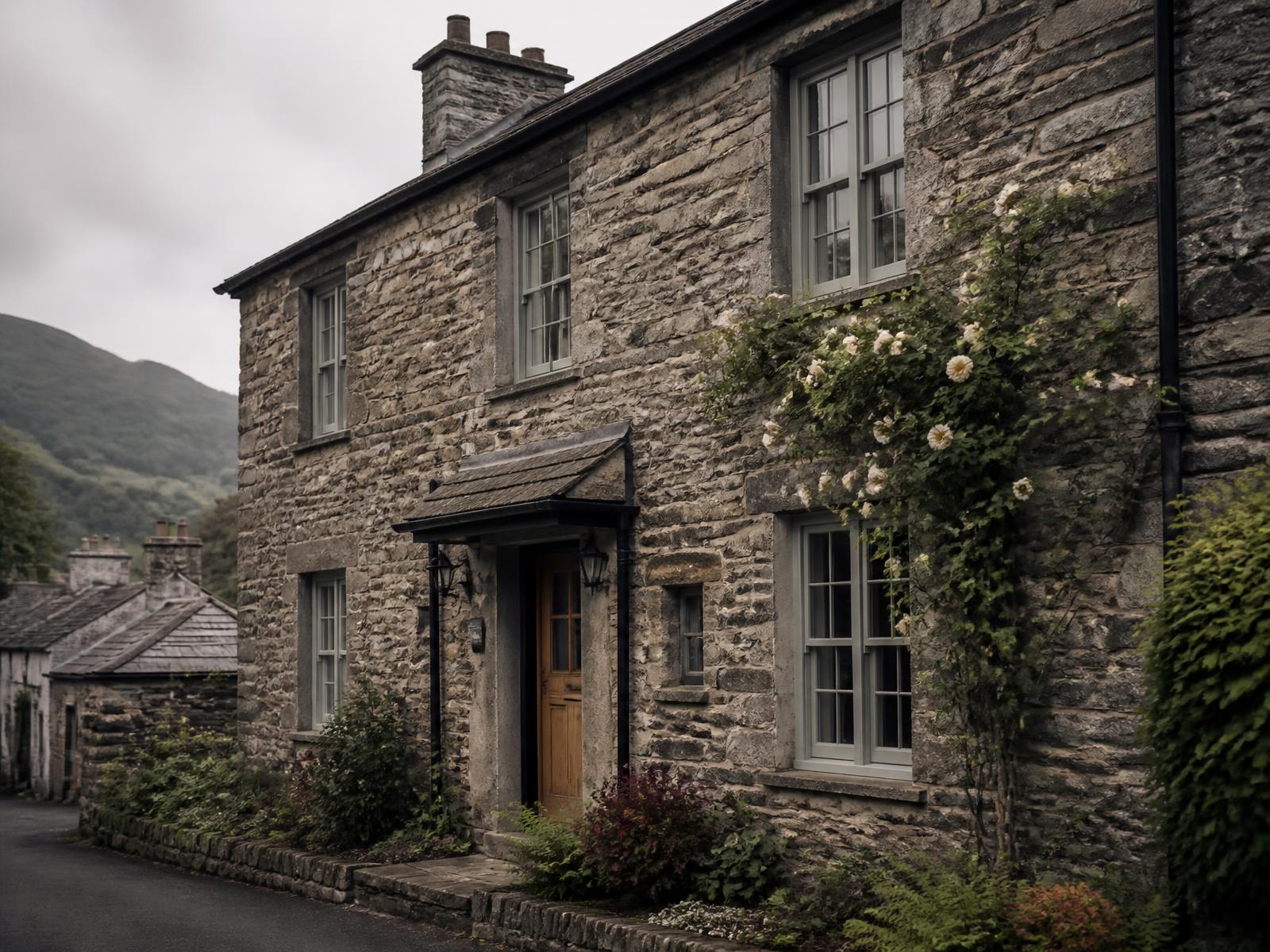
Listed status makes consent a legal requirement for almost any change, but it also opens the door to some excellent heritage-specification alternatives.

Building Regulations for Windows and Doors

Planning & Regulations · 3 min read

Building Regulations for Windows and Doors

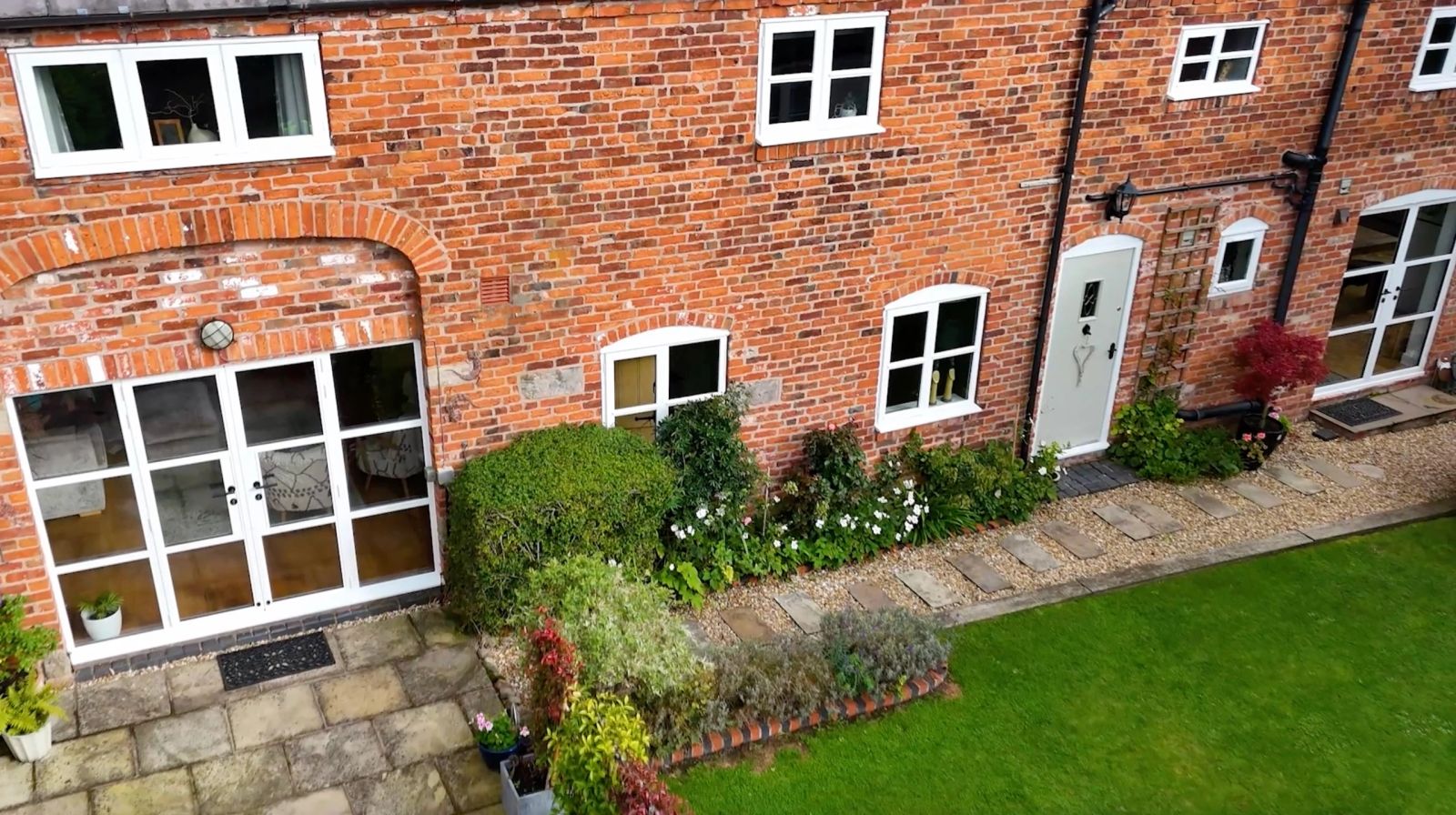
Building regulations apply to nearly every window and door replacement, regardless of planning permission, and cover far more than just thermal performance.

Found this guide helpful?

Build your own collection of expert advice as you plan your project.

Wondering how this applies to your own home?

Share a photograph and we’ll turn this guidance into recommendations for your property.

Discover Your Home

Ready to understand the likely investment?

Start your personalised Project Investment Guide and see comparable completed projects.

Plan Your Project Investment

Begin

Let’s design something exceptional.

Bring us your drawings, your site photographs or simply an idea. We will tell you what is possible, what it should cost and how long it will take.