Design Studio — Glass

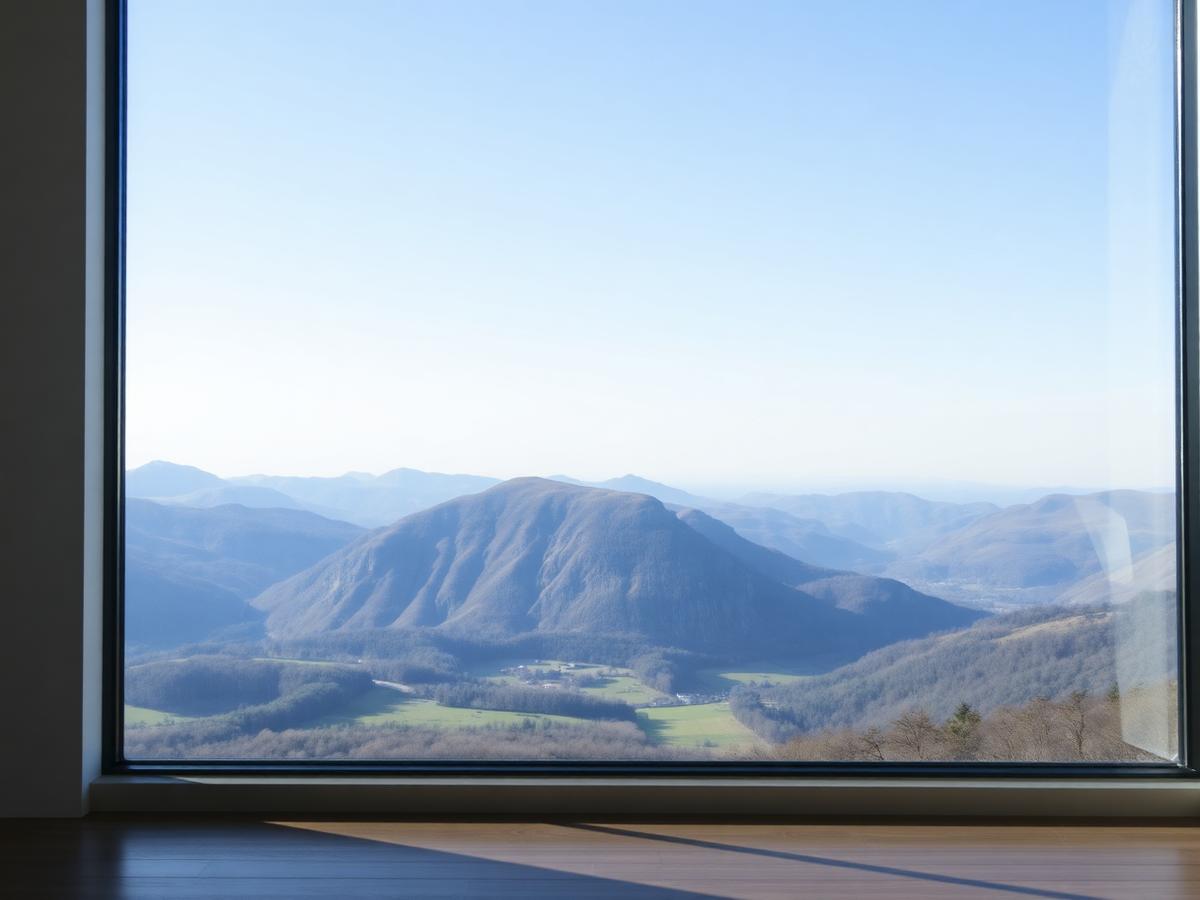
The frame is the jewellery. The glass is the performance.

Glass decides how warm a room feels in February, how much glare you get in July and whether you can see out without being seen. Compare the options side by side.

Clear Glass

01

Clear Glass

Standard low-E double glazing. Maximum clarity, neutral colour and the truest reading of the view.

Privacy
None
Light
~78% light transmission
U-value (unit)
1.0 – 1.2 W/m²K
G-value
0.62
Tint
Neutral

Typically used for: Living rooms, Sliding doors, Any north-facing elevation.
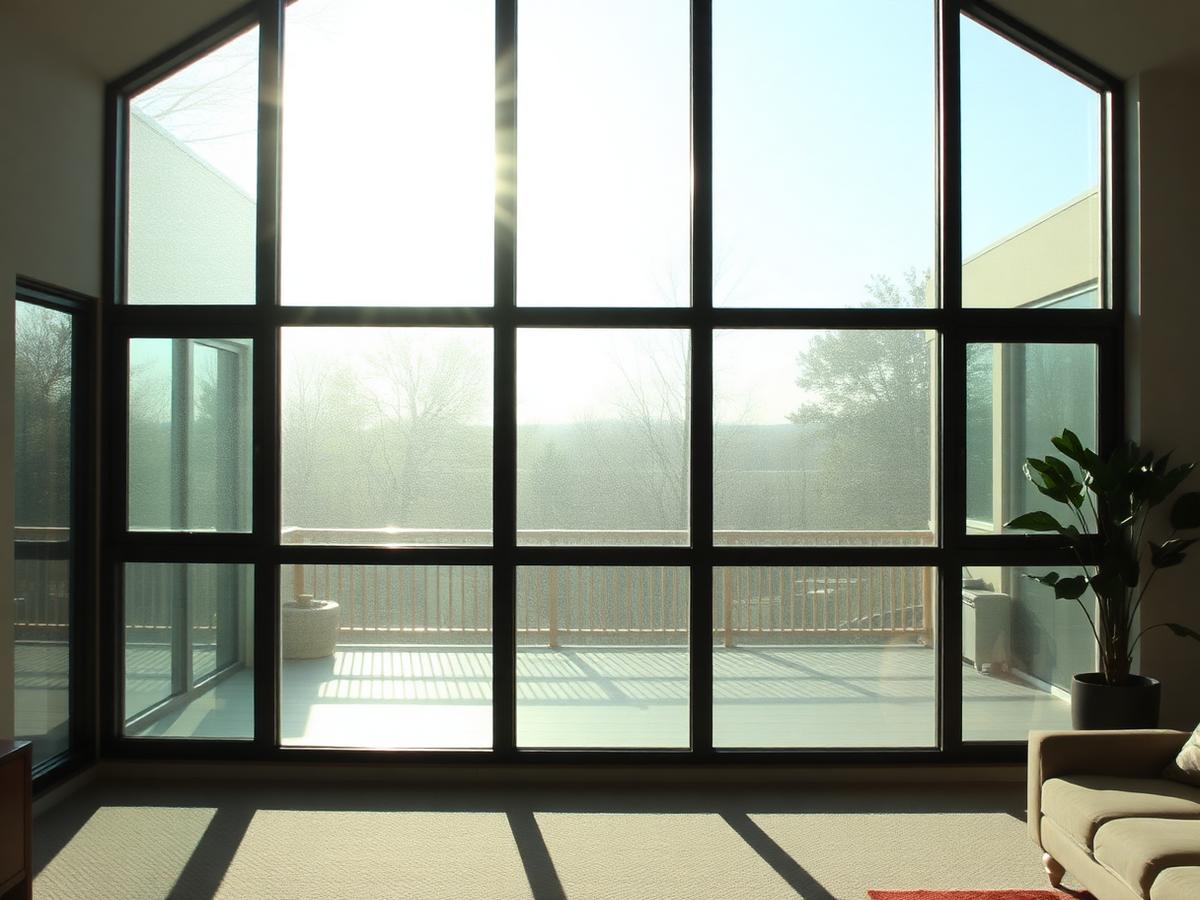
Solar Control

02

Solar Control

A near-invisible coating that reflects heat while keeping light. Essential on large south and west-facing glazing.

Privacy
Low
Light
~66% light transmission
U-value (unit)
1.0 W/m²K
G-value
0.34 – 0.40
Tint
Very slight neutral

Typically used for: South-facing sliding walls, Garden rooms, Glazed gables.

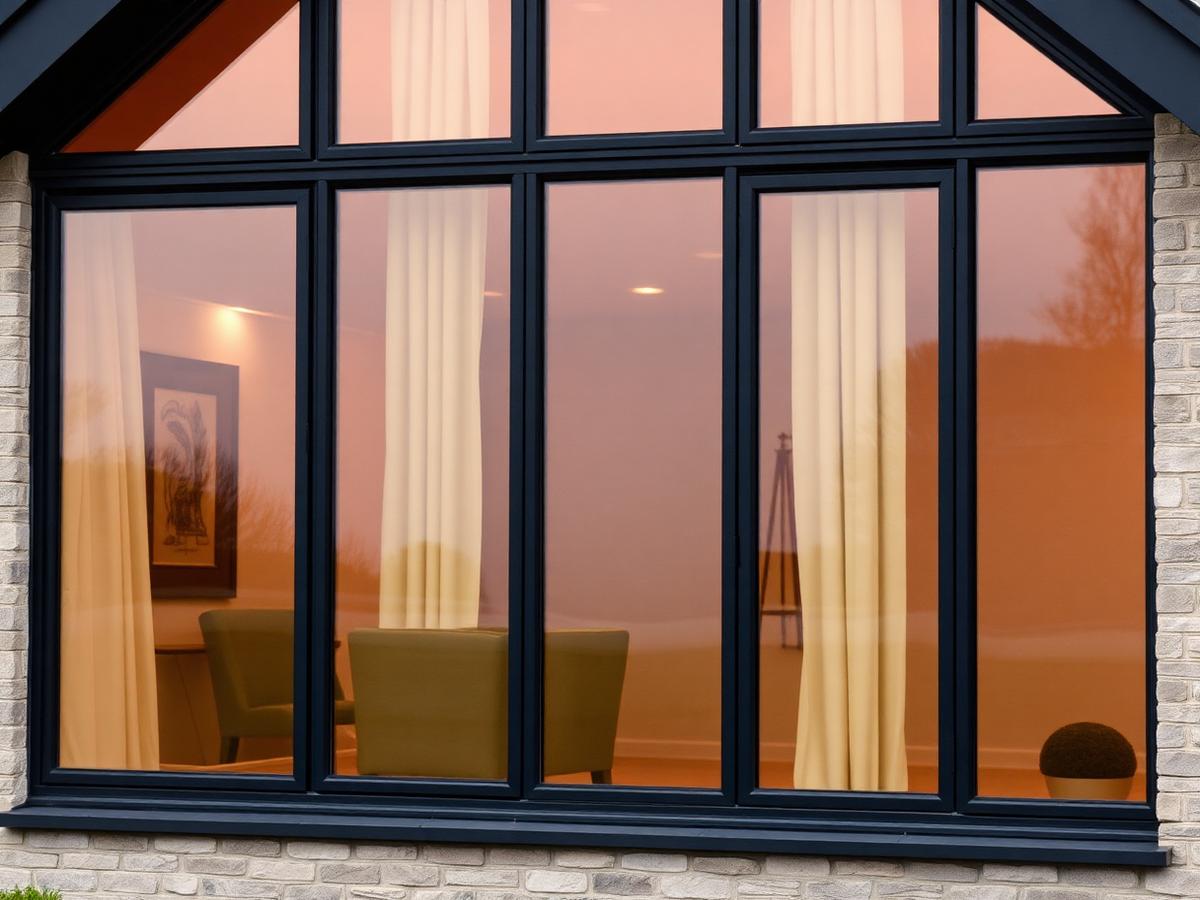
Bronze Tint

03

Bronze Tint

A warm body tint that softens strong light and reads beautifully against stone and bronze hardware.

Privacy
Moderate by day
Light
~50% light transmission
U-value (unit)
1.1 W/m²K
G-value
0.40
Tint
Warm bronze

Typically used for: Feature picture windows, West elevations, Bronze-finish frames.

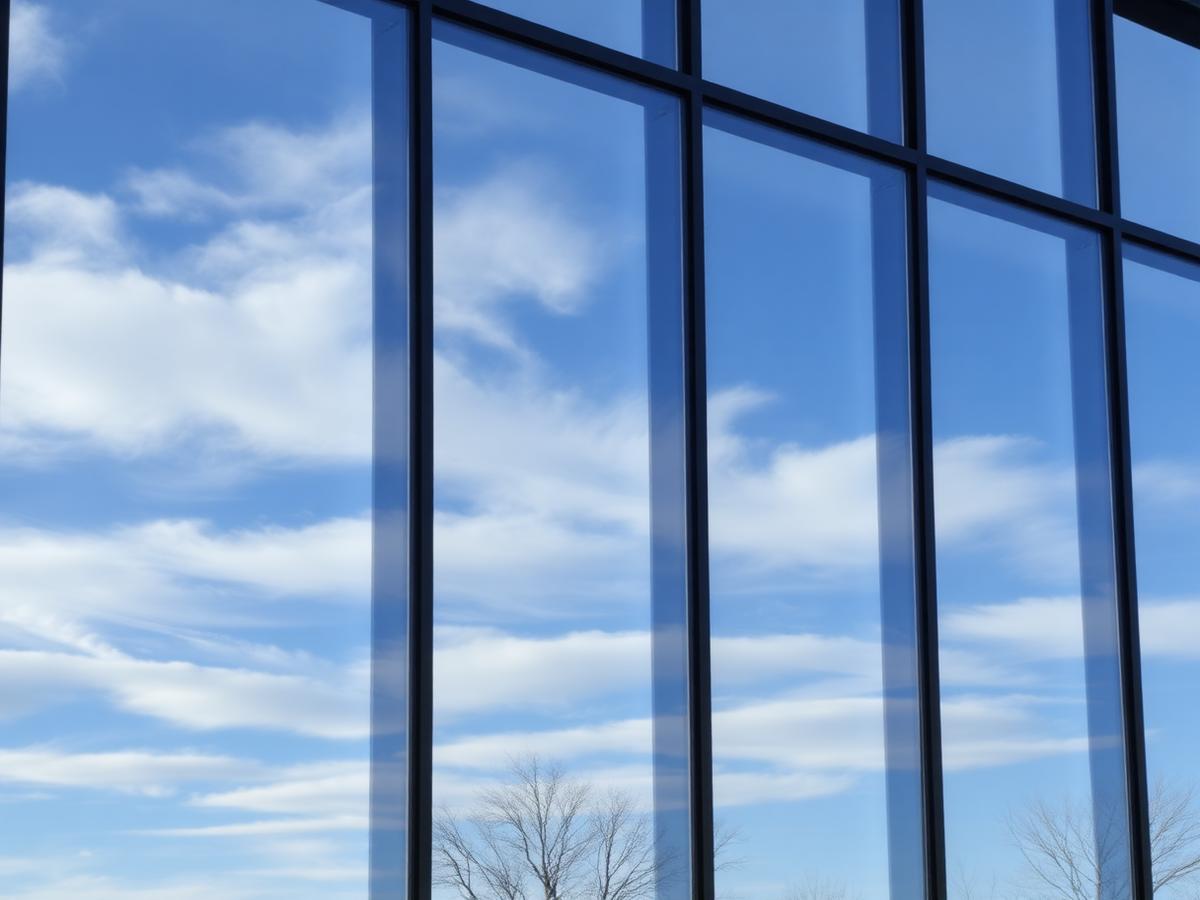
Grey Tint

04

Grey Tint

A neutral smoked tint that reduces glare without changing colour rendering inside the room.

Privacy
Moderate by day
Light
~48% light transmission
U-value (unit)
1.1 W/m²K
G-value
0.38
Tint
Neutral grey

Typically used for: Large glazed elevations, Balcony screens, Anthracite frames.

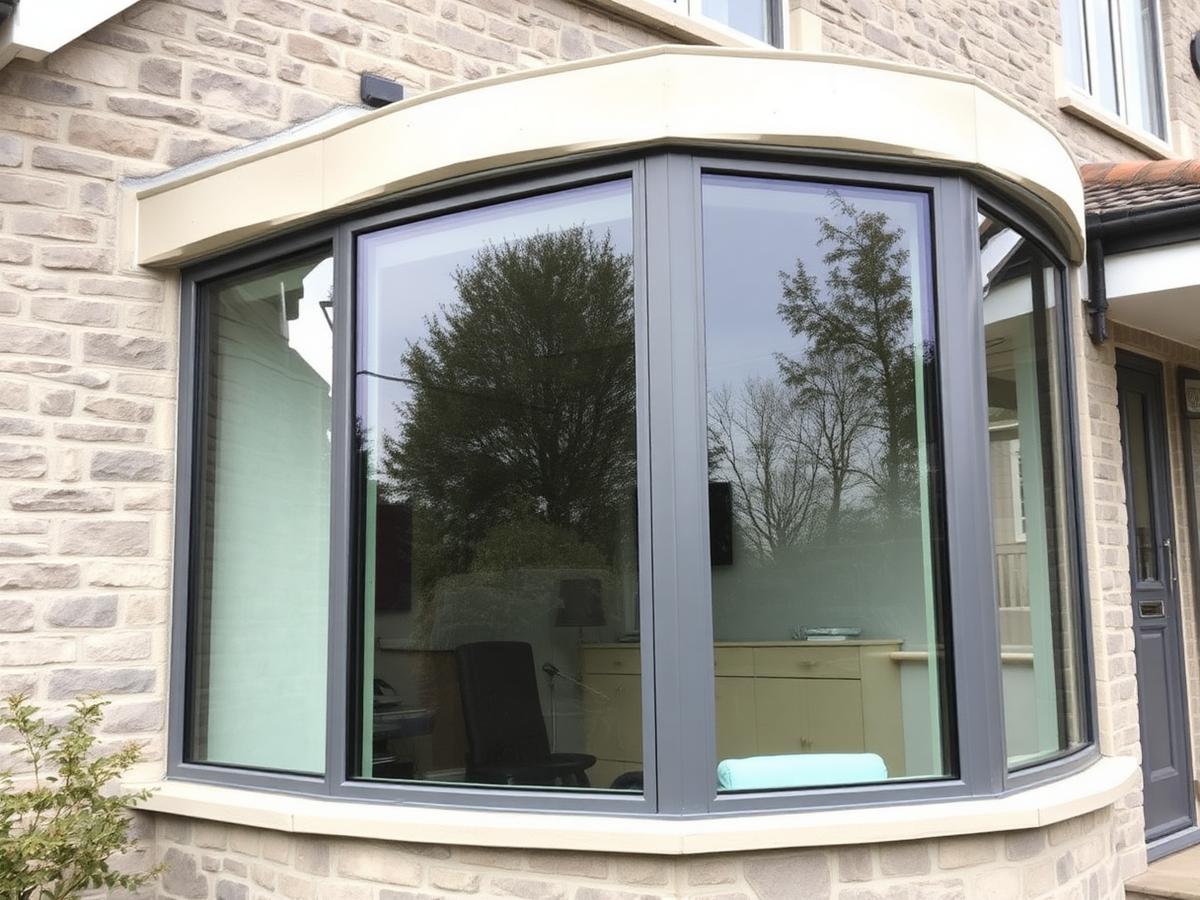
Reflective Glass

05

Reflective Glass

A mirrored external coating for daytime privacy and heat rejection where a house is overlooked.

Privacy
High by day, low at night
Light
~35% light transmission
U-value (unit)
1.1 W/m²K
G-value
0.25
Tint
Silver / grey mirror

Typically used for: Roadside elevations, Overlooked bathrooms, Commercial-style glazing.

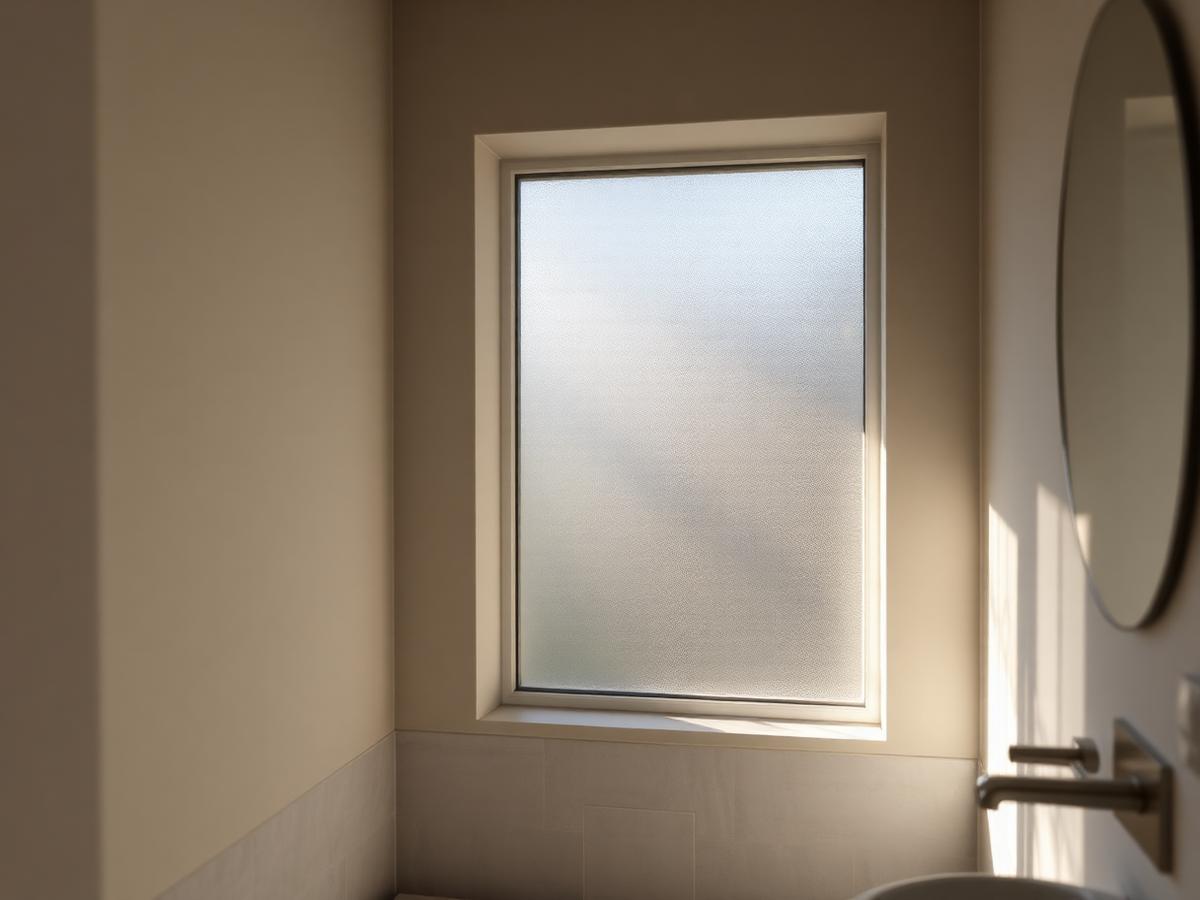
Privacy (Switchable & Satin)

06

Privacy (Switchable & Satin)

Acid-etched satin glass or switchable smart glass that turns opaque at the touch of a button.

Privacy
Full
Light
~70% light transmission (diffused)
Privacy rating
5 / 5
Finish
Acid-etched or PDLC switchable
Vision
Diffused, no clear image

Typically used for: Bathrooms, En-suites, Internal screens.

Acoustic Glass

07

Acoustic Glass

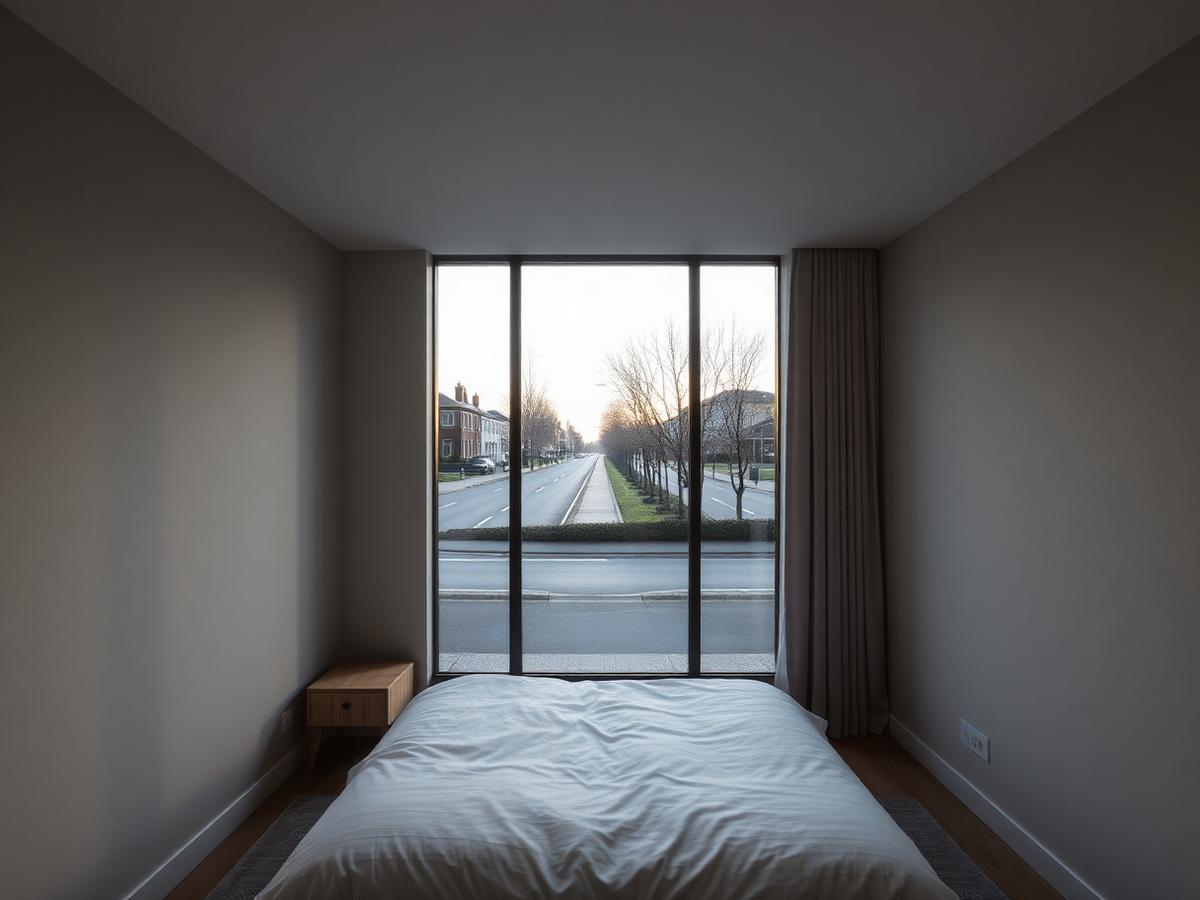
Laminated panes with an acoustic interlayer and asymmetric thicknesses to cut road and wind noise.

Privacy
None
Light
~76% light transmission
Reduction
Up to 42 dB
Build-up
8.8mm acoustic laminate / 6mm
Secondary benefit
Enhanced security

Typically used for: Roadside bedrooms, Exposed fell-side houses, Holiday lets.

Triple Glazing

08

Triple Glazing

Three panes and two cavities. The right answer for exposed Cumbrian sites and low-energy builds.

Privacy
None
Light
~70% light transmission
U-value (unit)
0.6 – 0.8 W/m²K
Gas fill
Argon or krypton
Weight
~50% heavier than double

Typically used for: Self-builds, Passive-standard homes, Exposed elevations.

Low Iron Glass

09

Low Iron Glass

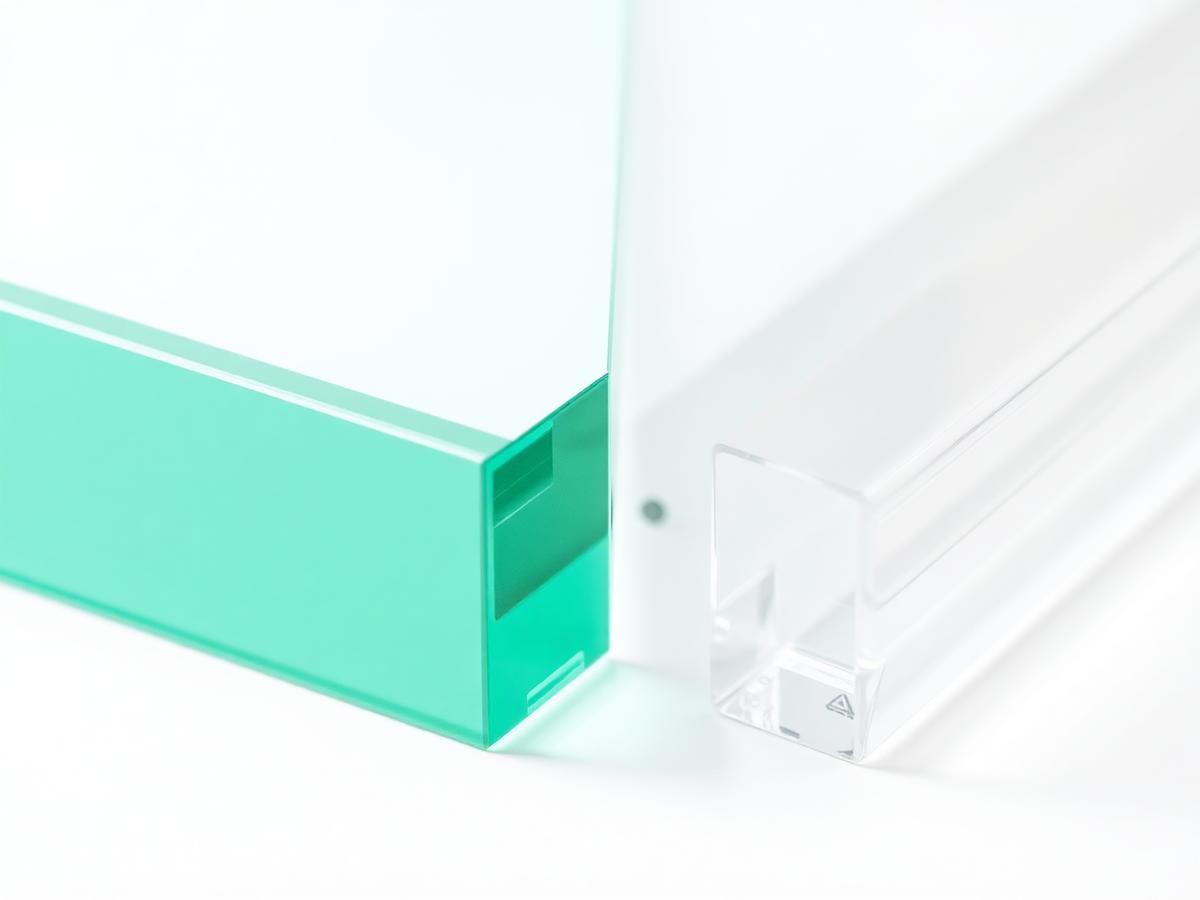
Extra-clear glass with the green cast removed — noticeable on thick or triple-glazed feature panes.

Privacy
None
Light
~82% light transmission
U-value (unit)
1.0 W/m²K
Colour
Water-white, no green edge
Best used
Where the view is the feature

Typically used for: Picture windows, Corner glazing, Minimal sliding doors.

Obscure Glass Collection

10

Obscure Glass Collection

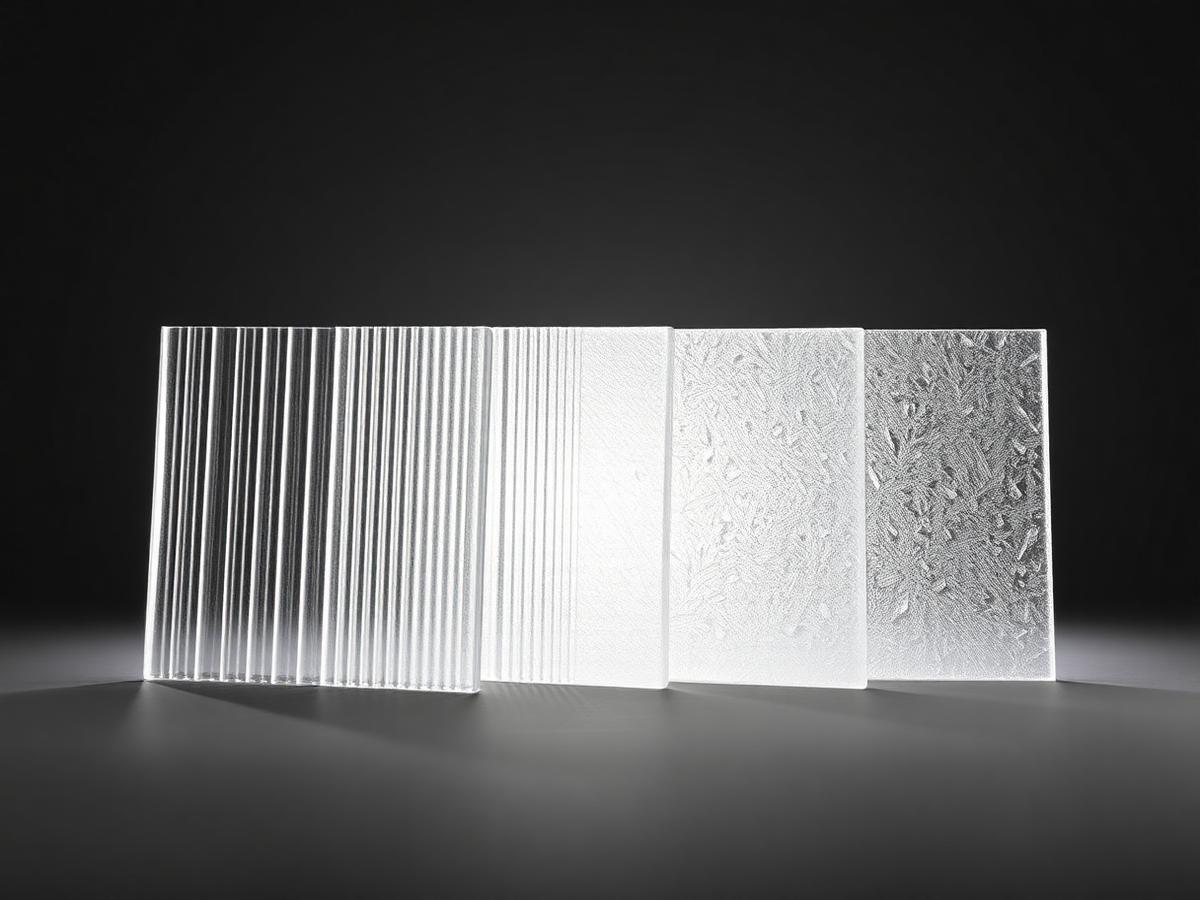
The full patterned range, from lightly textured to fully obscured. Compare privacy level against light before you specify.

Privacy
Rated 1 – 5
Light
60 – 85% light transmission
Patterns
12 available
Privacy scale
1 (least) to 5 (most)
Orientation
Pattern faces inward as standard

Typically used for: Bathrooms, Stairwells, Front doors, Side screens.

Obscure glass

Every pattern, rated for privacy

Privacy is rated 1 to 5, where 5 gives no discernible image. Patterns face inward as standard so the outer face stays smooth and easy to clean.

PatternPrivacyLightCharacterTypical useSave
Cotswold●●●●●82%Heavily rippled, the most obscure of the standard patterns.Bathrooms and en-suites
Stippolyte●●●●85%Fine even stipple; the most widely specified obscure glass in the UK.Bathrooms, WCs, front doors
Pelerine●●●●83%Soft organic texture that avoids a mechanical look.Bathrooms and stairwells
Sycamore●●●●83%Leaf-like pattern with a traditional feel.Period properties
Minster●●●●●84%Classic textured pattern used in Victorian and Edwardian homes.Front doors and side screens
Flemish●●●●●84%Wavy vertical distortion; a heritage favourite.Entrance doors
Chantilly●●●●●82%Fine decorative texture with a soft sparkle.Hallways
Contora●●●●●84%Contemporary rippled pattern, less busy than Cotswold.Bathrooms
Digital●●●●●80%Geometric squares — a modern alternative to traditional patterns.Contemporary bathrooms
Reeded / Fluted●●●●●85%Vertical ribs. Currently the most requested internal glazing texture.Internal steel-look screens
Satin (Acid-etched)●●●●●78%Smooth, even frost with no pattern. Feels the most refined.Minimal bathrooms and doors
Autumn●●●●●86%Light decorative texture where privacy matters less than character.Landing windows

Performance that matters

Ug, Uw, and the number you should actually be quoted

A great deal of glazing marketing quotes the flattering figure. Knowing which is which takes about a minute and protects you from a specification that underperforms.

Ug — the glass alone

Measures heat loss through the sealed unit only, ignoring the frame. It is always the lower, better-looking number, which is why it appears in advertising.

Uw — the whole window

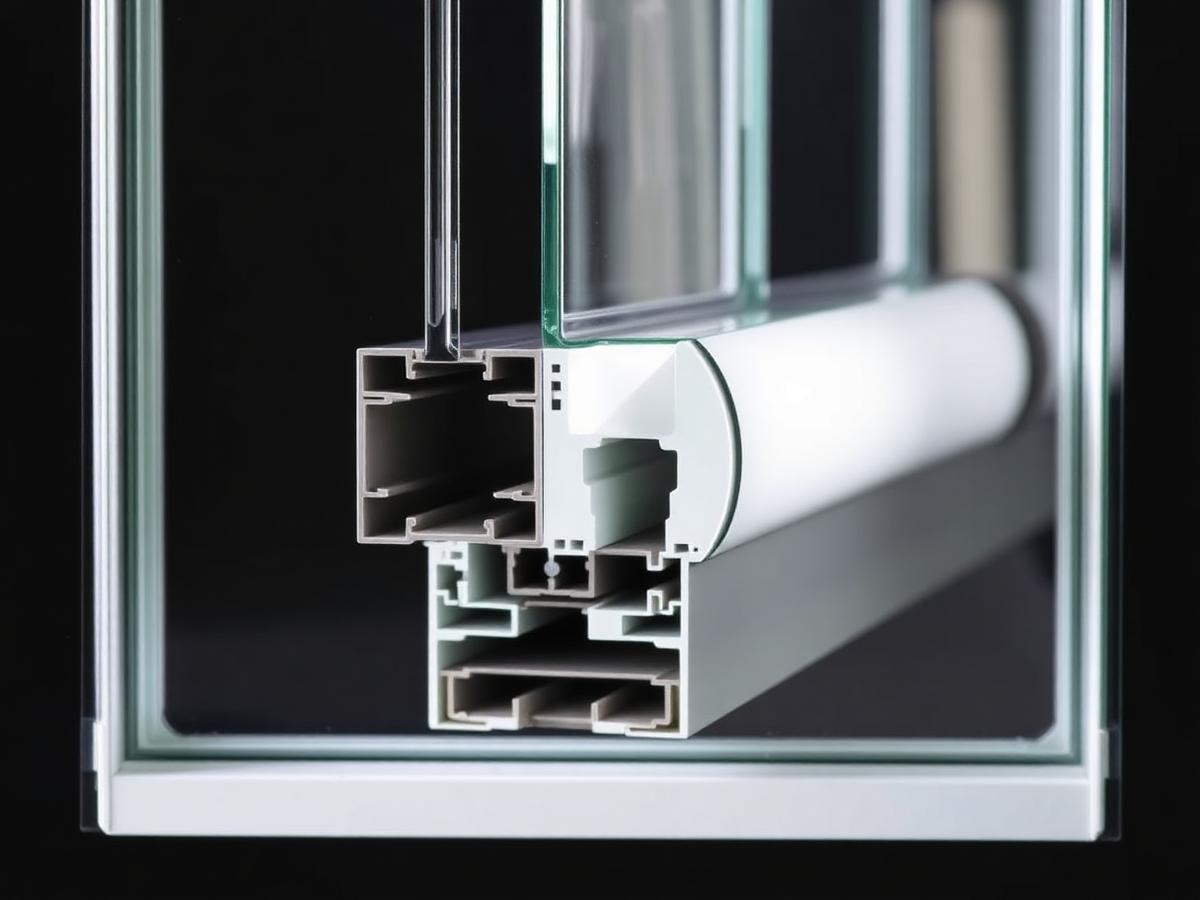
Measures the finished window: glass, frame, spacer and edge seal together. This is the figure Building Regulations assess and the one to compare between quotations.

g-value — solar gain

How much of the sun's heat passes through. High g-value warms a north-facing room; low g-value stops a south or west elevation overheating in summer.

UpgradeWhat it changesTypical cost effect
Solar control coatingReduces overheating and glare on south and west elevations+5–15%
Acoustic laminateCuts road and wind noise; also improves security+10–20%
Triple glazingLower U-value and warmer glass surface in exposed locations+20–40%
Switchable privacy filmClear to opaque at the touch of a switch, no blinds requiredSpecialist — quoted per unit
Warm-edge spacerReduces cold bridging at the glass perimeter and condensation riskStandard on our specifications

Switchable privacy glass

A liquid-crystal film laminated inside the sealed unit turns the glass from clear to opaque instantly when switched. It solves the bathroom or en-suite that wants a view by day and privacy at night, and internal glazed partitions that need to close off on demand. It requires a low-voltage supply to the opening, so it must be planned with the electrician before first fix.

Designed with

Glass is chosen alongside frame colour and hardware.

Begin

Not sure which glass your elevation needs?

Tell us the orientation, the room and what is outside the window. We will specify the glass properly rather than defaulting to standard.