

Glass Advice · 3 min read
Acoustic Glass: Reducing Noise Through Windows and Doors
Acoustic glass uses a laminated interlayer to damp sound transmission, and it is worth specifying wherever external noise is a genuine daily nuisance.
Collections
Specification
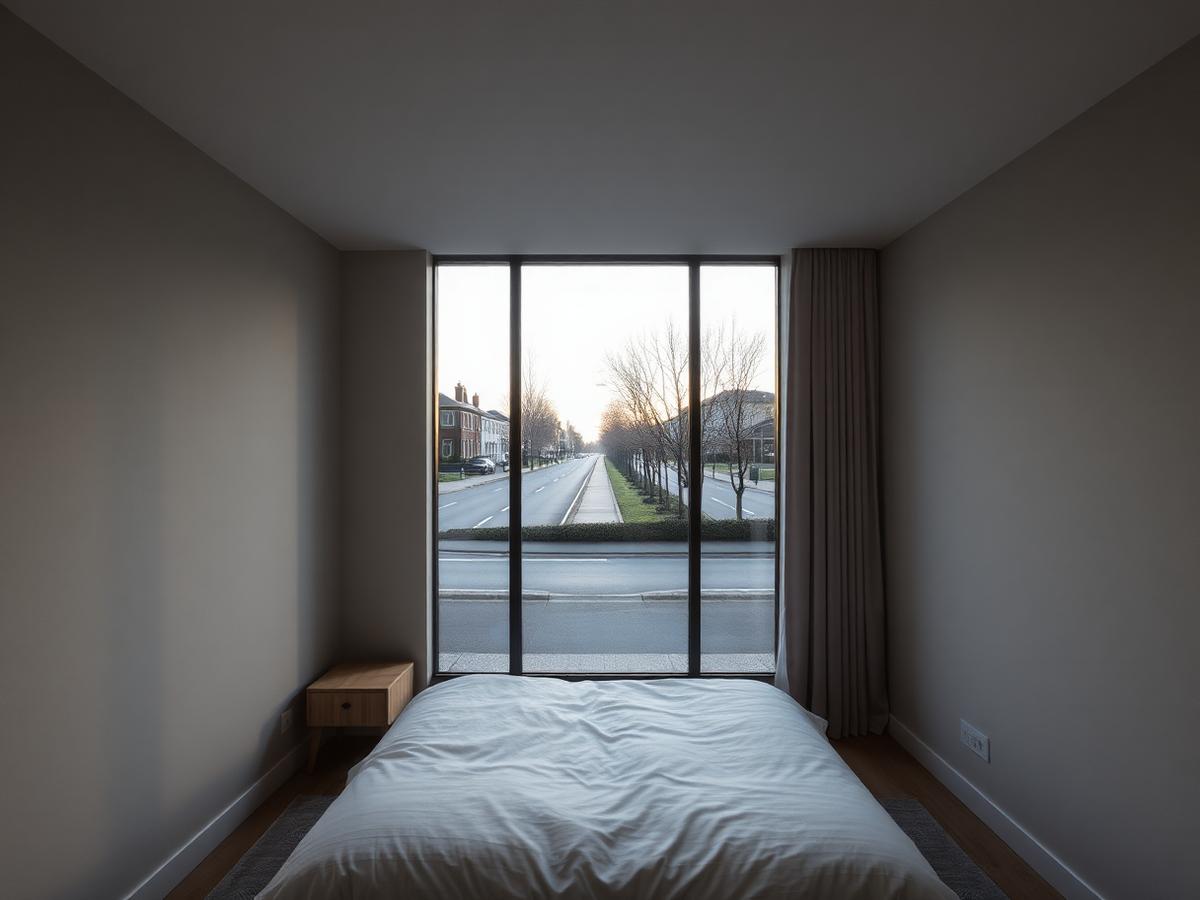
For a roadside bedroom or a home office near a railway, quieter glazing starts with the whole opening. Glass matters, but the frame, fitting and ventilation need to be considered together rather than as separate upgrades.
Written by Tom Evans, Founder, Windows in the Lakes ·
In short: noise enters through glass, frames, seals and gaps around the frame. Acoustic laminated glass with panes of different thicknesses is usually the biggest single step, but it needs well-sealed frames, good installation and attention to vents to work properly. Start with the elevation facing the road rather than replacing every window.
This guide applies the existing acoustic glass advice to roadside homes in Cumbria and North Lancashire. It helps you describe the problem, compare glazing options and ask the right questions without expecting any window to make a house completely soundproof.
Sound can pass through the glass, the frame, opening seals and gaps between the frame and wall. A small unsealed route can undermine an otherwise thoughtful glazing specification. Before choosing a new unit, look at where the noise is most noticeable and whether it changes when the window is firmly closed. Sticking hardware or a sash that does not pull evenly against its seals deserves attention.
Note the room, the elevation and the kind of disturbance: passing cars, intermittent heavy traffic or railway noise. A bedroom used at night and a sitting room used during the day can have different priorities. Windows are only one part of the building, so noise through other routes may remain. Start by identifying the opening that most affects daily use rather than assuming every window needs the same glass.
Standard double glazing can reduce external noise compared with older single glazing. Acoustic laminated glass adds an interlayer that damps vibration through the pane. Combining it with panes of different thicknesses, an asymmetric build-up, can help address sound across different frequencies. The existing acoustic-glass-guide explains those choices and why the build-up matters as much as the label on the glass.
Triple glazing is not automatically quieter than double glazing. Adding a third pane is primarily a thermal decision; acoustic performance depends on the pane thicknesses, laminated interlayers and complete assembly. A double-glazed acoustic specification can be the more suitable noise-focused choice than standard triple glazing. Use the double-vs-triple-glazing guide to compare the trade-offs, then ask for performance data for the actual proposed window rather than a generic headline.
The frame and seals need to support the glass specification. Compression seals on an opening light rely on the sash closing evenly, with the hardware correctly adjusted. Fixed glazing removes an opening joint, but it does not remove the need for sound frame-to-wall detailing. Decide which lights genuinely need to open for the room’s use and ventilation rather than choosing all fixed glass solely for noise.
Ask for acoustic performance information for the window as specified, including its glass, opening arrangement and any vents. A glass-only result is not the same as a result for a complete installed opening. Material alone is not a reliable way to rank windows for noise: an aluminium, timber-look or other frame still needs an appropriate system, sound seals and careful installation.
The connection between window and wall can be the weak point in an upgrade. Deep stone reveals, uneven masonry and old finishes need attention so the frame is supported and the surrounding junction is properly sealed. The installation detail should account for both airtightness and weather protection without obstructing the drainage paths designed into the window.
Look for failed sealant, cracks at the reveals or draughts around the perimeter when describing the existing problem. These observations help separate a glass issue from an installation or maintenance issue. Replacing the sealed unit while leaving a poorly sealed frame in place may not address the route you are hearing. Agree how the perimeter and internal finishes will be dealt with as part of the work, particularly if a builder is involved.
A vent is an opening through the otherwise closed window or wall, so it needs to be considered in the acoustic design. Acoustic ventilators exist, but their suitability depends on the proposed ventilation arrangement and the room. Ask how any vent will perform alongside the window rather than choosing the glass first and treating ventilation as an afterthought.
Do not block or remove required ventilation simply to reduce noise. Replacement windows and changes to a room may bring Building Regulations ventilation requirements into play. Check with building control and your designer about what is required and how it will be provided. Where a home uses another ventilation approach, coordinate the window specification with that design; there is no single vent arrangement that suits every house.
Roadside briefs can arise along the M6 corridor, the A66 between Penrith and Keswick, the A591 through Kendal, Windermere and Ambleside, the A590 towards Ulverston and the A595 on the west coast. Homes near the West Coast Main Line can have a different pattern of disturbance from homes beside a road. These are location examples, not claims about noise levels at any particular property.
The same approach applies in the South Lakes and around Morecambe: describe the elevation, room and existing window before selecting acoustic glass. Distance, orientation and the rest of the building affect what reaches the room, so a road name cannot determine the specification. A targeted upgrade on the road-facing side may be a sensible starting point while quieter garden-facing rooms retain a different glass choice.
On a listed building or in a conservation area, replacement may be restricted, and changes to glass, frame details or opening patterns can matter. Speak to your local planning authority or conservation officer before removing historic windows or ordering a replacement. Check any Article 4 direction and the relevant National Park position where applicable. Acoustic comfort does not override those requirements.
If retaining the original frame is important, discuss the practical options against its condition and what the authority will accept. A glass-only change is not automatically possible or exempt from consent. Our acoustic glass advice is a starting point for that conversation, not a promise that one product fits every heritage opening. Building control should also confirm the requirements for ventilation and any replacement work.
We are based in Appleby-in-Westmorland and work across Cumbria and the surrounding areas. Send rough sizes, photographs or plans through Get a project price, along with the rooms and elevations you want to prioritise. Tell us whether the existing frames close properly and whether there are vents. You do not need to measure a noise level to begin the discussion.
We can work through glass choices alongside the frame, seals and installation detail, and consider appearance where the building has a heritage frontage. The aim is a suitable specification for the room and elevation, not an unsupported soundproofing promise. Agree the proposal before order; the detailed survey afterwards confirms the openings and relevant fitting details before manufacture.
Regulatory and technical points in this guide should be checked against the current published guidance below, and against the specific circumstances of your property.
Guidance last reviewed 25 November 2026 by Windows in the Lakes
Next step
Prefer to call?
01768 254554Free, no-obligation quotation. The detailed survey follows order, before manufacture.
“Exceptionally good company from start to finish. Tom and his team made everything so easy, really good products and installation.”
“Such a fantastic company to deal with, they were very professional which put us at ease.”
Want our guides to show up first when you search? Add Windows in the Lakes as a preferred source on Google.
2027 Brochure
32 pages: projects, collections, planning guide, colours
Next step
We design, specify and install across Cumbria, the Lake District and the wider North. Send drawings, photographs or simply a description of the building and we will tell you what is possible and what it should cost.
Questions
If your question isn’t here, we would rather talk it through properly than guess.
Get a project priceVisit the Knowledge CentreKeep reading
Glass Advice · 3 min read
Acoustic glass uses a laminated interlayer to damp sound transmission, and it is worth specifying wherever external noise is a genuine daily nuisance.
Glass Advice · 3 min read
Both satisfy Part K, but laminated and toughened glass behave quite differently when broken, and suit different priorities.
Product Comparisons · 3 min read
Triple glazing is not automatically the better choice. In most of the UK it is a genuine but marginal upgrade, not a necessity.
Glass Advice · 3 min read
Triple glazing adds a third pane and a second gas-filled cavity for the strongest thermal performance available.
Build your own collection of expert advice as you plan your project.
Wondering how this applies to your own home?
Share a photograph and we’ll turn this guidance into recommendations for your property.
Ready to understand the likely investment?
Start your personalised Project Investment Guide and see comparable completed projects.
Begin
A single window, a new pair of sliding doors or a whole house — bring us your drawings, photographs or simply an idea. We will tell you what is possible, what it should cost and how long it will take.
Rough sizes or a short description are enough. Free, no-obligation quotation.
“Exceptionally good company from start to finish. Tom and his team made everything so easy, really good products and installation.”
“Such a fantastic company to deal with, they were very professional which put us at ease.”
“So comforting to have found a company that really understands the whole of the door and window market.”