

Flagship guide · 11 min read
The Complete Guide to Glass Specification
The frame gets most of the attention, but the glass does most of the work. This is our full guide to choosing it properly.
Collections
Specification
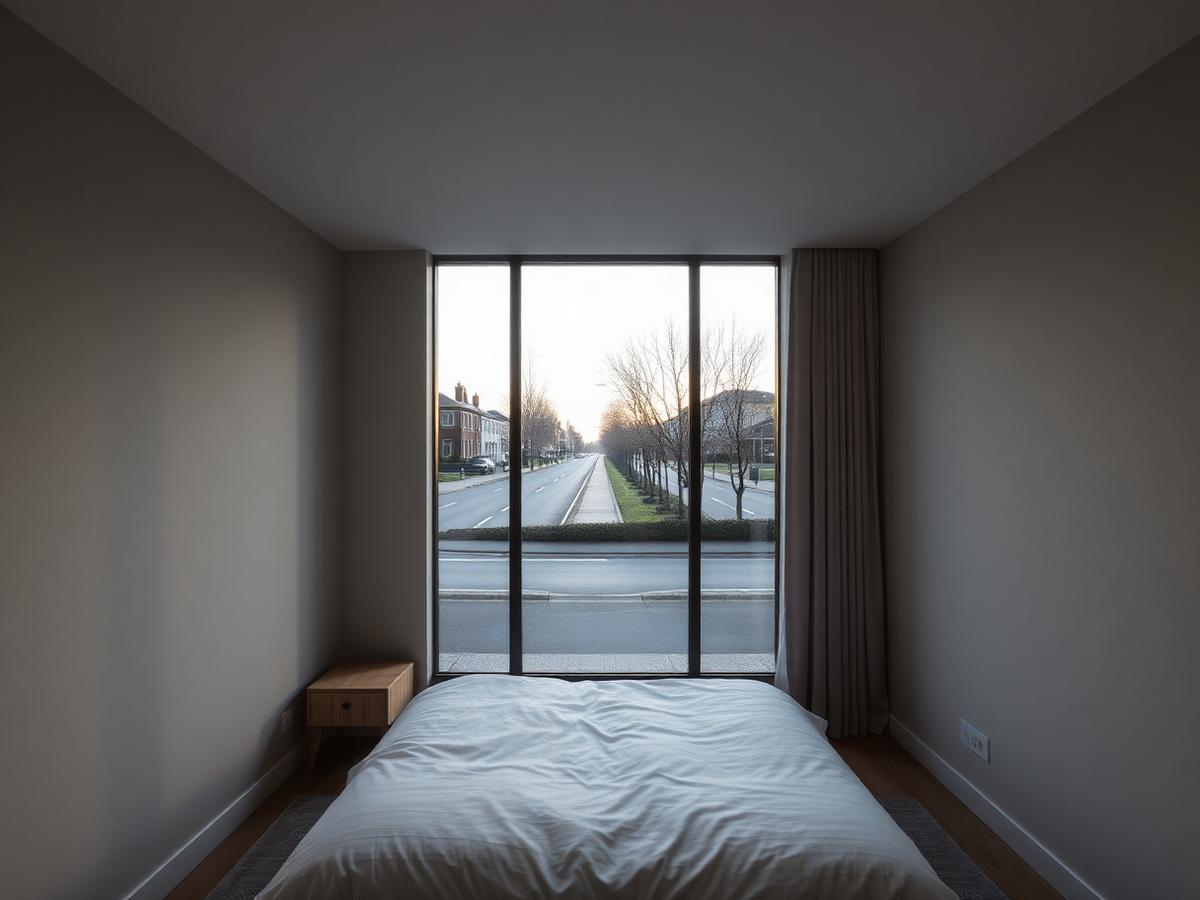
Acoustic glass uses a laminated interlayer to damp sound transmission, and it is worth specifying wherever external noise is a genuine daily nuisance.
Written by Windows in the Lakes · A trading name of Home Glazing Ltd
Standard double glazing already reduces external noise substantially compared with older single-glazed windows, simply through the mass of two panes and the insulating air or gas gap between them. But for homes near a busy road, a railway line, or a flight path, or simply with a noisy neighbour, acoustic glass offers a further, noticeable step up.
This guide explains how acoustic glass works, what improvement to expect, and where it is worth the modest additional cost.
Acoustic glass is a laminated pane — two thinner sheets of glass bonded with a PVB (polyvinyl butyral) interlayer, in some products a specifically acoustic-grade interlayer. Sound travels through glass largely as vibration, and the interlayer damps that vibration far more effectively than a single solid pane of equivalent thickness. Building the unit with panes of different thickness on either side of the cavity, known as an asymmetric build-up, adds a further improvement, since sound at different frequencies is disrupted at each pane.
Because acoustic glass is laminated, it also delivers the safety and security benefits of laminated glass: it holds together when broken, satisfying Part K critical location requirements and making the glass considerably harder to breach quickly. For a ground-floor window on a noisy road, acoustic laminated glass can solve two problems with a single specification.
Next step
We design, specify and install across Cumbria, the Lake District and the wider North. Send drawings, photographs or simply a description of the building and we will tell you what is possible and what it should cost.
Explore from here
Save anything you are drawn to. It gathers in My Inspiration and travels with your enquiry as a design brief.
Acoustic GlassQuestions
If your question isn’t here, we would rather talk it through properly than guess.
Book a Design ConsultationVisit the Knowledge CentreKeep reading
Flagship guide · 11 min read
The frame gets most of the attention, but the glass does most of the work. This is our full guide to choosing it properly.
Glass Advice · 3 min read
Both satisfy Part K, but laminated and toughened glass behave quite differently when broken, and suit different priorities.
Glass Advice · 3 min read
Building Regulations set out specific locations where safety glass is mandatory. Here is what that means in practice.
Technical Advice · 3 min read
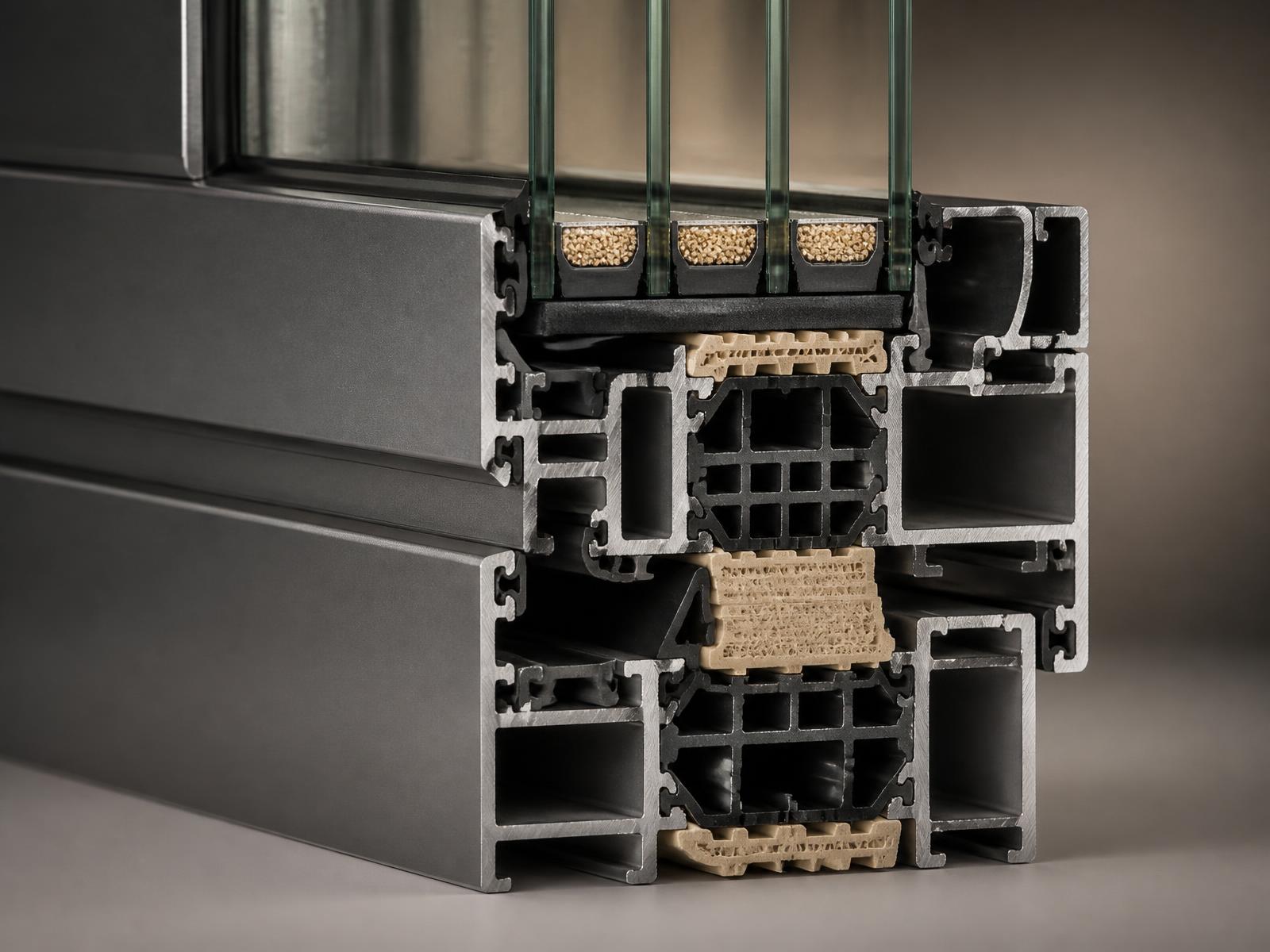
A well-insulated window with poor seals will still feel draughty. Air permeability is the figure that describes how much air leaks through in real conditions.
Build your own collection of expert advice as you plan your project.
Wondering how this applies to your own home?
Share a photograph and we’ll turn this guidance into recommendations for your property.
Ready to understand the likely investment?
Start your personalised Project Investment Guide and see comparable completed projects.
Begin
Bring us your drawings, your site photographs or simply an idea. We will tell you what is possible, what it should cost and how long it will take.