
Flagship guide · 7 min read
U-Values and Thermal Performance Explained
The single figure most quoted in glazing brochures, and the one most often misunderstood. Here is what a U-value actually measures, and what to do with it.
Collections
Specification
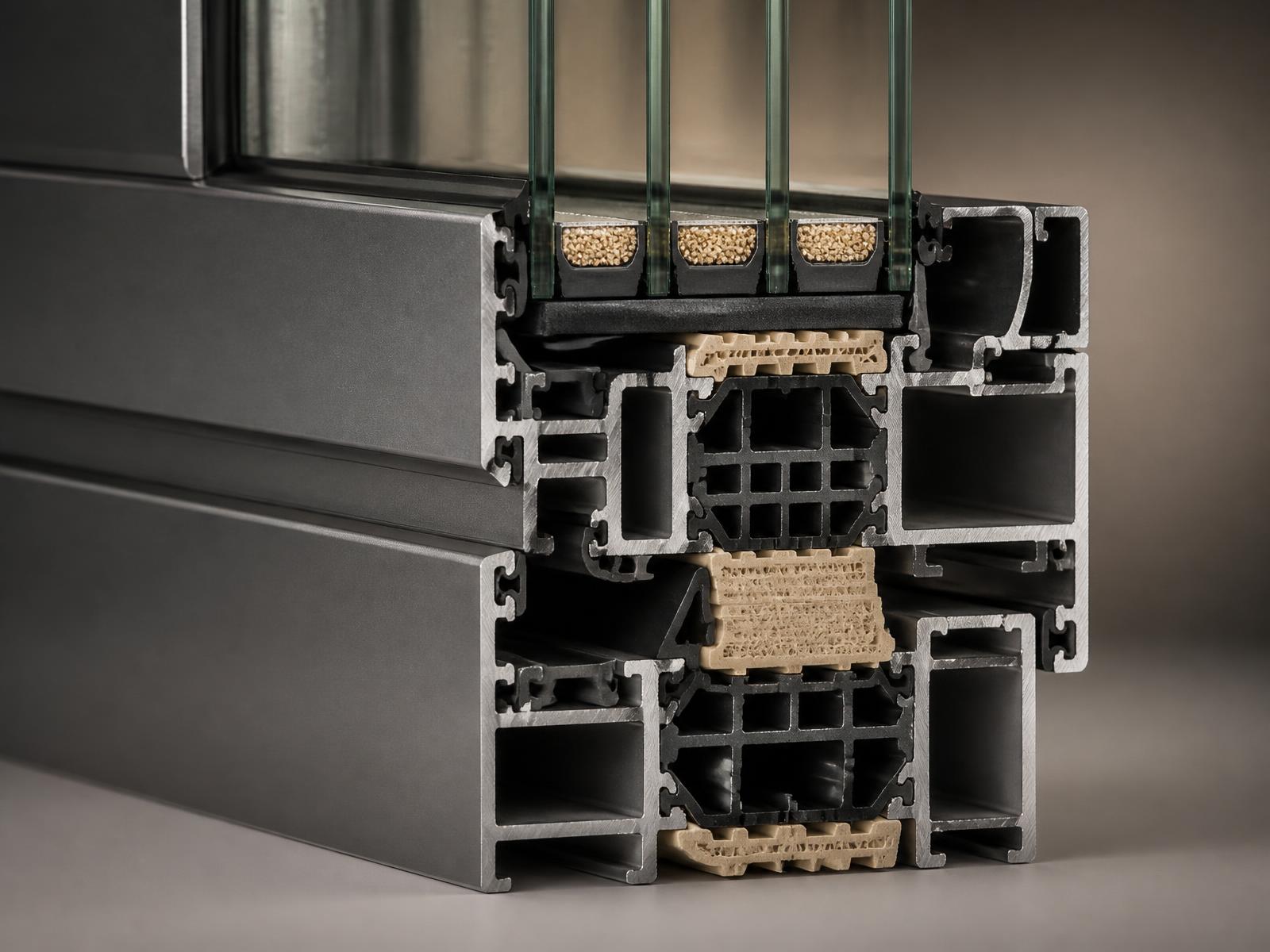
A well-insulated window with poor seals will still feel draughty. Air permeability is the figure that describes how much air leaks through in real conditions.
Written by Windows in the Lakes · A trading name of Home Glazing Ltd
Air-tightness is tested separately from thermal insulation, using standardised air permeability tests that measure how much air passes through a closed window or door under a given pressure difference. It has a direct and noticeable effect on comfort, particularly on openable casements and sliding sashes exposed to wind.
This guide explains how air permeability is classified, why it matters more in Cumbria's exposed locations than in sheltered urban settings, and what to check for beyond the headline U-value.
Air permeability is tested to BS EN 1026 and classified under BS EN 12207, measuring the volume of air (in cubic metres per hour, per square metre or per metre of joint) that passes through a closed window under increasing pressure. The result is expressed as a class from 1 to 4, with Class 4 representing the best resistance to air leakage.
Wind-driven rain and pressure exposure vary significantly across Cumbria, from sheltered valley villages to open fellside and coastal positions around Morecambe Bay and the west coast. A frame and seal system rated to Class 3 may be entirely adequate in a sheltered courtyard position but under-specified on an exposed gable facing the prevailing weather. This is a genuine engineering consideration, not an upsell — an under-specified seal system on an exposed elevation will let in wind noise and draughts regardless of how good the glazing U-value is.
Sliding doors inherently rely on a running track and compression seals rather than a fully compressed gasket on all four sides, as a hinged casement does. Quality sliding systems close this gap with multi-point locking that draws the sash tight into the frame and interlocking weather seals, but it remains worth checking test data specifically for sliding products rather than assuming casement figures apply.
A very air-tight home still needs controlled ventilation, provided through trickle vents or mechanical ventilation under Part F of the Building Regulations, rather than uncontrolled leakage through poor seals. Sealing a home tightly without addressing background ventilation can increase condensation risk — see our condensation guide for how the two interact.
Next step
We design, specify and install across Cumbria, the Lake District and the wider North. Send drawings, photographs or simply a description of the building and we will tell you what is possible and what it should cost.
Explore from here
Save anything you are drawn to. It gathers in My Inspiration and travels with your enquiry as a design brief.
Questions
If your question isn’t here, we would rather talk it through properly than guess.
Book a Design ConsultationVisit the Knowledge CentreKeep reading
Flagship guide · 7 min read
The single figure most quoted in glazing brochures, and the one most often misunderstood. Here is what a U-value actually measures, and what to do with it.
Technical Advice · 3 min read
Condensation on a window is not always a fault. What matters is where it forms and what that tells you about ventilation, insulation or seal failure.
Product Comparisons · 4 min read
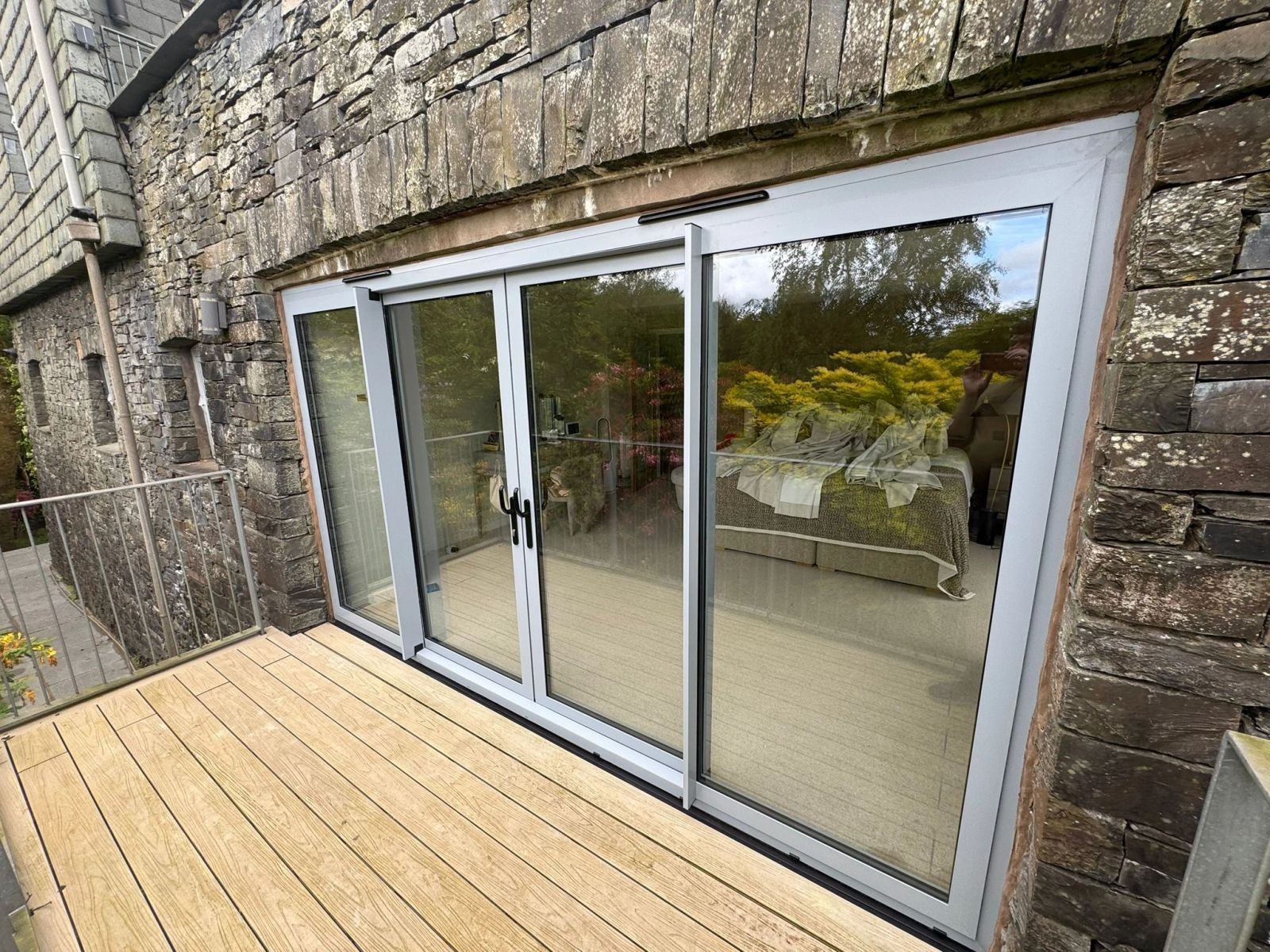
Sliding doors and bifold doors solve the same basic problem, a large glazed opening onto a garden, in two genuinely different ways. Neither is the automatically correct answer.
Technical Advice · 3 min read
U-value is one input. Real thermal performance in a finished home also depends on frame design, installation quality and how the window is used.
Build your own collection of expert advice as you plan your project.
Wondering how this applies to your own home?
Share a photograph and we’ll turn this guidance into recommendations for your property.
Ready to understand the likely investment?
Start your personalised Project Investment Guide and see comparable completed projects.
Begin
Bring us your drawings, your site photographs or simply an idea. We will tell you what is possible, what it should cost and how long it will take.