Flush Casement vs Standard Casement Windows

Product Comparisons

Flush Casement vs Standard Casement Windows

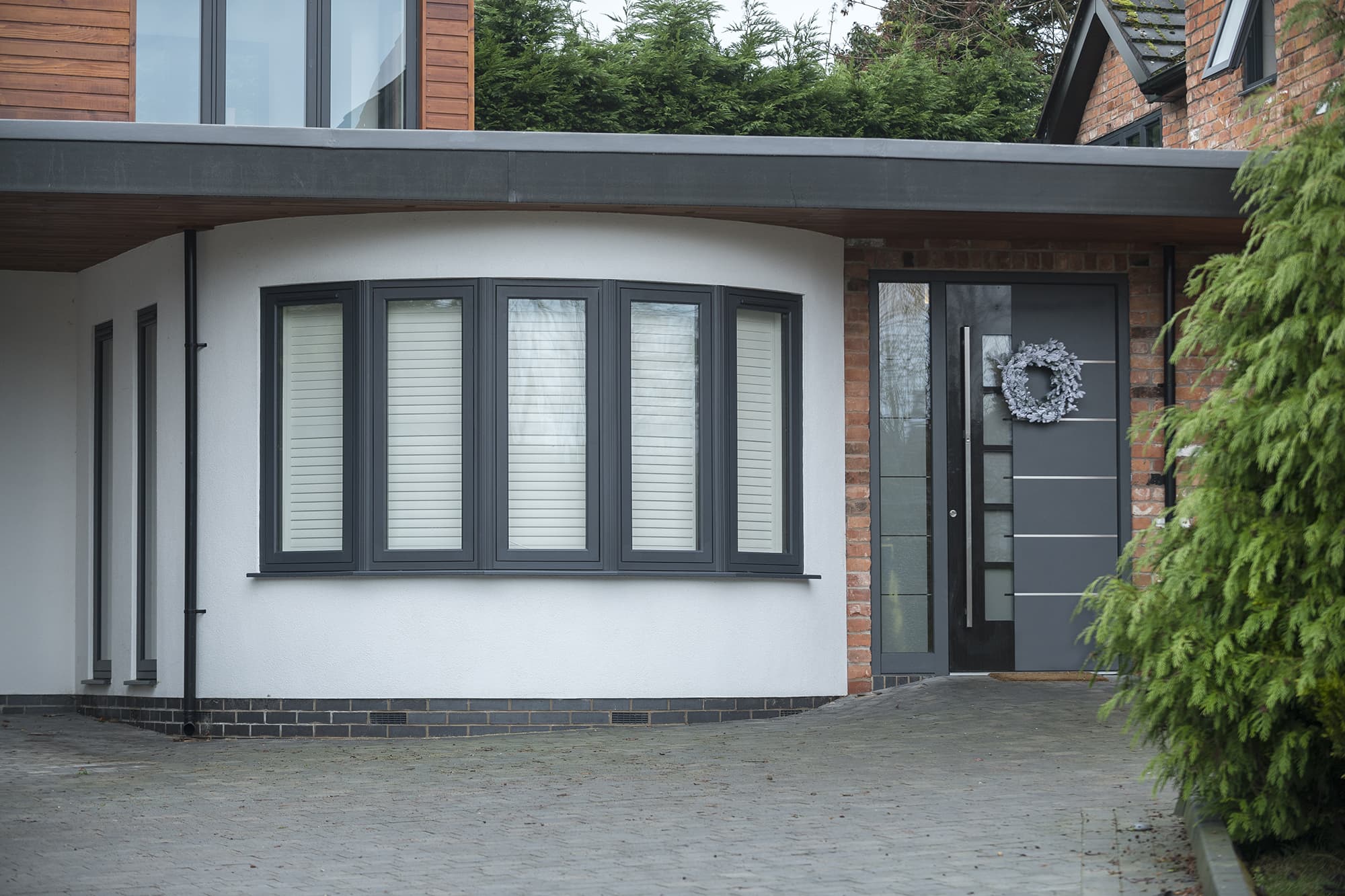
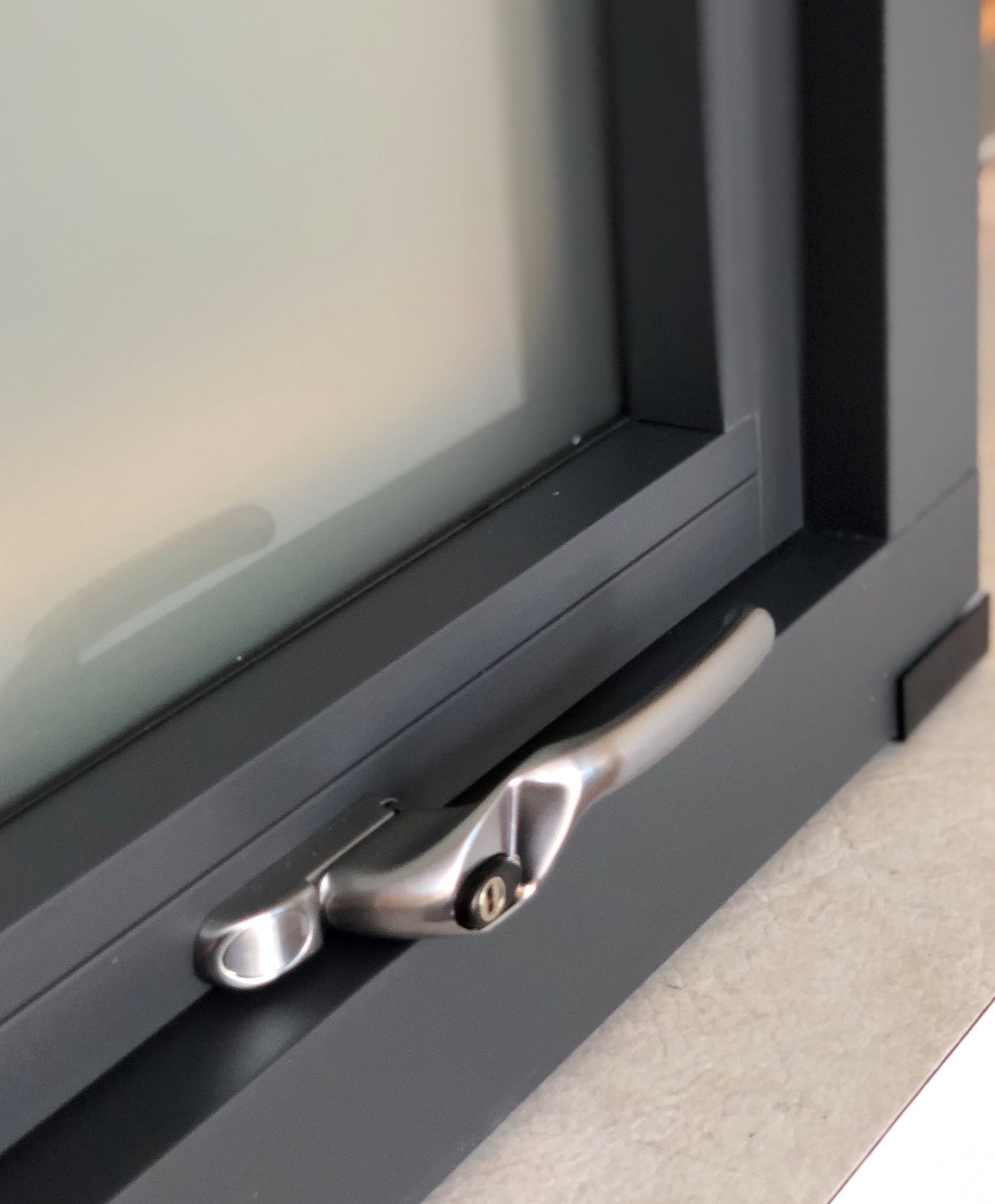
A flush casement sits within the frame rather than proud of it. It is a small structural difference with a real effect on how traditional or contemporary a window looks.

3 min read

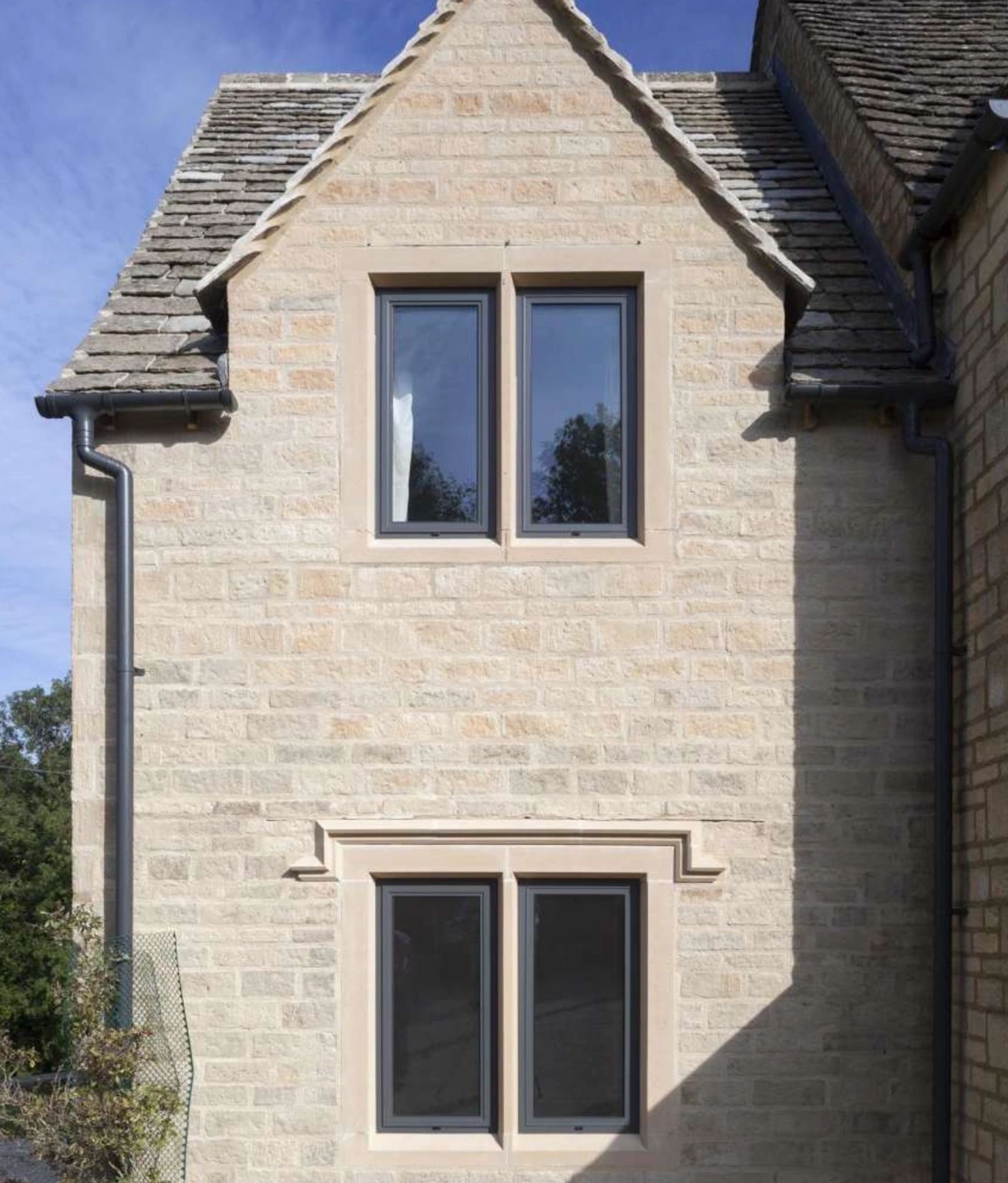
Casement windows, hinged at the side and opening outward, are the most common window style in the UK, and most people picture the standard version without realising there is an alternative. A flush casement window closes so the opening sash sits level with the surrounding frame, rather than sitting proud of it, echoing genuine timber sash and casement joinery from before uPVC and aluminium existed.

Side by side

Standard casementFlush casement
Sash position when closedSits proud of the outer frameSits flush within the outer frame
Visual stylePractical, straightforwardTraditional, timber-like, tailored
Best suited toMost homes, cost-conscious projectsPeriod properties, cottages, conservation areas
Weathering detailSimple overlap sealMore precise rebate and drainage detailing
Typical costBaselineModest premium over standard casement
Available in aluminium and uPVCYesYes

Why choose flush

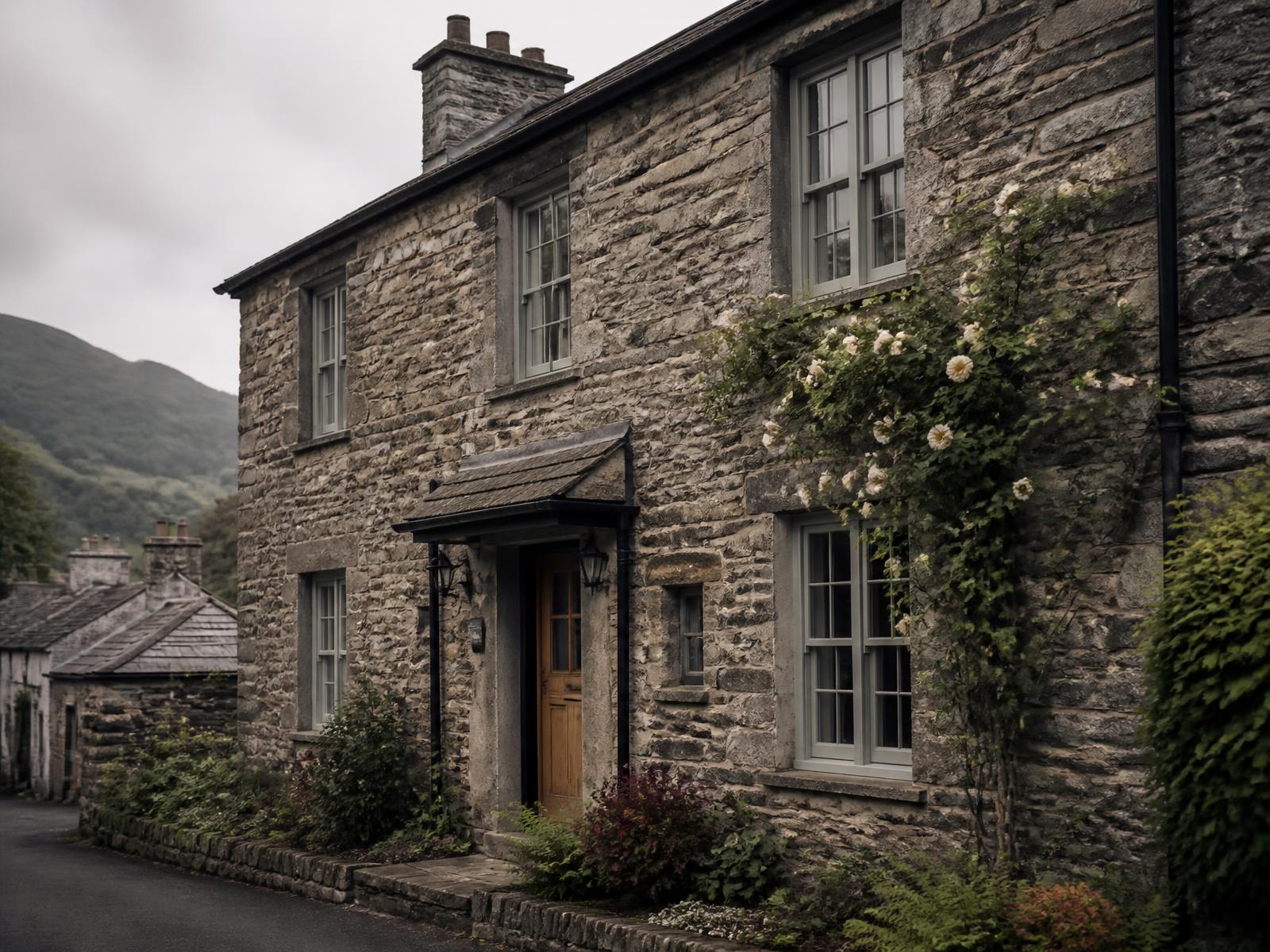
Flush casements were developed specifically to replicate the clean, level appearance of traditional painted timber windows, which sat flush within their frames long before proud-fitting sashes became the standard, cost-effective manufacturing approach. On a stone cottage, a Georgian terrace or anywhere the original joinery would have been flush, a standard casement can look subtly modern and slightly at odds with the building, even in a sympathetic colour.

The flush design requires more precise manufacturing to maintain weathertightness, since there is no overlapping lip doing the simple job of shedding water, which is why it carries a modest premium over standard casements.

Why choose standard

For the majority of homes, particularly newer builds, standard casements are perfectly appropriate, cost less, and are available in the widest range of configurations and opening styles. There is no functional or thermal disadvantage to a standard casement; the difference is purely about visual authenticity relative to a period building.

Which should you choose

Choose flush casements if your house is genuinely period in character, sits in a conservation area, or you are specifically trying to replicate the look of original timber joinery. The extra cost buys a noticeably more authentic appearance up close.

Choose standard casements for most other homes, particularly newer builds or where budget needs to stretch across many windows. Paying the flush premium on a 1990s estate house buys very little, since there is no original timber character to replicate in the first place.

Explore from here

Everything this guide touches

Save anything you are drawn to. It gathers in My Inspiration and travels with your enquiry as a design brief.

Questions

About this subject

If your question isn’t here, we would rather talk it through properly than guess.

Ask us directlyVisit the Knowledge Centre

Keep reading

Related guides

Aluminium vs uPVC Windows

Flagship guide · 7 min read

Aluminium vs uPVC Windows

Aluminium and modern timber-look uPVC are both good materials. The right choice depends on the age and style of your house, your budget, and how the frames will be used, not on which one is fashionable.
Residence 7 vs Residence 9 Windows

Product Comparisons · 3 min read

Residence 7 vs Residence 9 Windows

R7 and R9 are both part of the Residence Collection, but they are built around different sightlines and different periods of house. Here is how to tell them apart.

The Ultimate Guide to Residence Windows

Flagship guide · 6 min read

The Ultimate Guide to Residence Windows

What the Residence Collection actually is, how R9, R7 and R2 differ, and why timber-look uPVC has become the standard choice for period and conservation properties.

Found this guide helpful?

Build your own collection of expert advice as you plan your project.

Wondering how this applies to your own home?

Share a photograph and we’ll turn this guidance into recommendations for your property.

Discover Your Home

Ready to understand the likely investment?

Start your personalised Project Investment Guide and see comparable completed projects.

Plan Your Project Investment

Begin

Let’s design something exceptional.

Bring us your drawings, your site photographs or simply an idea. We will tell you what is possible, what it should cost and how long it will take.