Flagship guide · 9 min read
The Ultimate Guide to Aluminium Windows
Everything worth knowing before specifying aluminium windows, from frame construction and thermal performance to colour, glass and realistic pricing.
Collections
Specification
Buying Guides · Flagship guide
What the Residence Collection actually is, how R9, R7 and R2 differ, and why timber-look uPVC has become the standard choice for period and conservation properties.
Written by Windows in the Lakes · A trading name of Home Glazing Ltd
The Residence Collection was developed to solve a specific problem: how to give homeowners the appearance of a traditional timber window, with its deep bevelled joints and authentic proportions, without the ongoing maintenance that timber demands. It has become the most widely specified timber-alternative window system in the UK, particularly on period properties and in conservation areas.
There are three ranges within the collection — R9, R7 and R2 — each built differently and suited to slightly different properties and budgets. This guide explains the differences between them, how they perform thermally, how they are viewed by conservation officers, and what they cost, so you can work out which range, if any, is right for your home.
It is aimed at homeowners weighing up Residence windows against both traditional timber and standard uPVC, and at anyone who has been told a property needs a heritage-style window but is not sure what that actually means in practice.
Residence windows are uPVC, but built and finished to reproduce the look of a genuine timber sash or casement window: deep sightlines, mechanically jointed corners rather than welded ones, authentic bevelled edges called 'ovolo' or 'stepped' details, and woodgrain foils that look and feel closer to painted timber than typical smooth white uPVC.
The mechanical jointing is a genuine technical difference from standard uPVC, not just a cosmetic one. Rather than welding the corners of the frame and cleaning off the weld seam, Residence frames are joined with internal aluminium reinforcement and corner cleats, producing a crisp corner detail with none of the rounded weld line typical of ordinary uPVC. This is a large part of why the finish reads convincingly as timber from a distance.
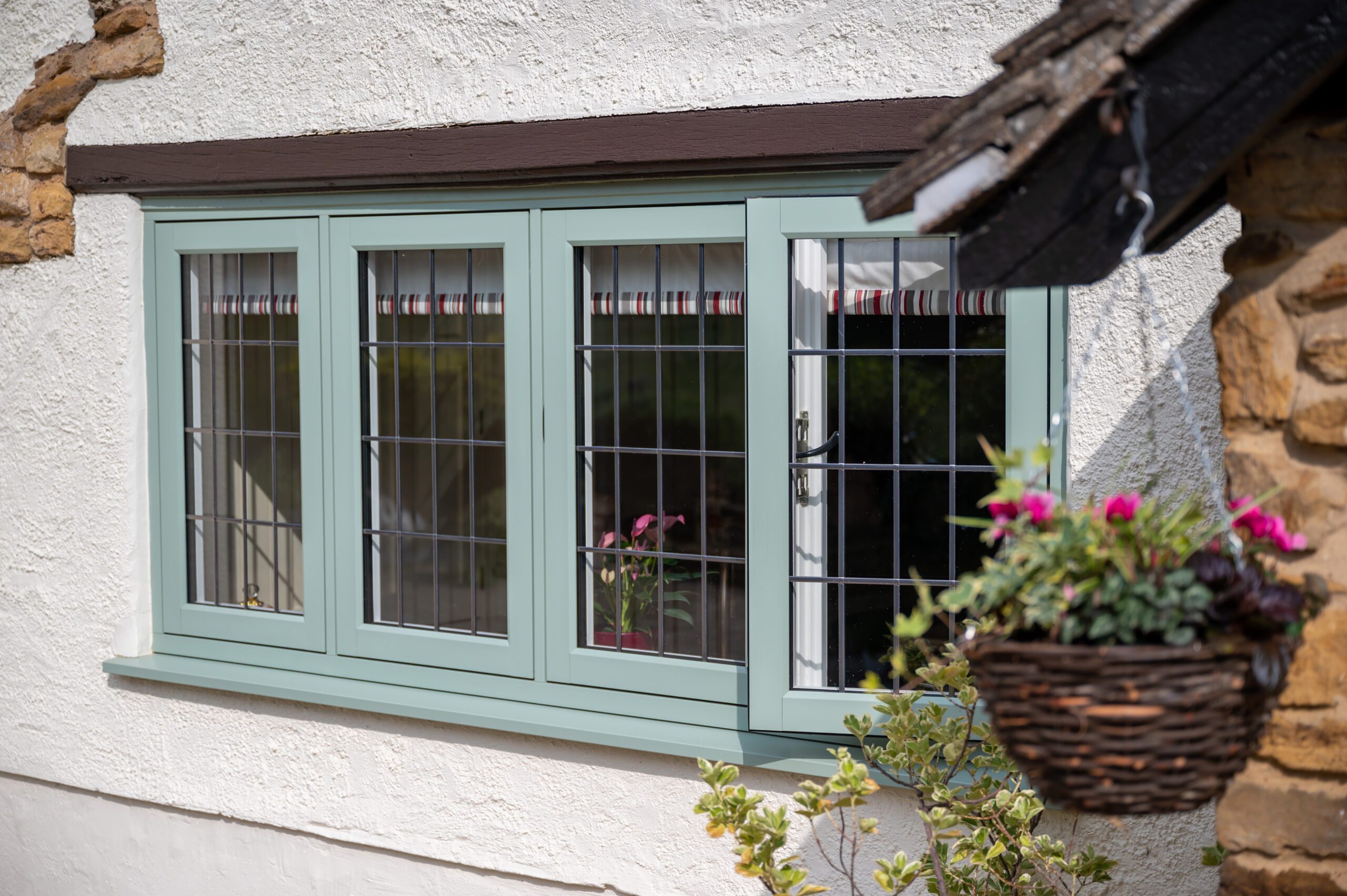
The three ranges share the timber-look philosophy but differ in frame depth, structure and where they tend to be specified.
| Range | Frame depth | Typical use | Notes |
|---|---|---|---|
| R9 | Around 90mm woodgrain sightline | New build and period homes wanting the deepest, most authentic profile | Widest colour range, deepest bevel detail |
| R7 | Around 70mm sightline, flush casement | Period and conservation properties, replacing existing timber | Very close match to traditional flush sash proportions |
| R2 | Slimmer, more contemporary sightline | Homes wanting a timber-look finish with a cleaner, more modern profile | Good middle ground between heritage and contemporary |
One of the main reasons Residence windows exist is planning. Many conservation areas and some listed buildings require replacement windows to match the appearance, proportions and detailing of the originals, which historically ruled out standard uPVC. The Residence Collection was designed specifically to satisfy planning officers looking for genuine timber character, and it is now widely accepted in conservation areas across the country, including within the Lake District National Park.
Acceptance is never automatic. Some conservation officers still prefer or require actual timber, and listed buildings in particular can have stricter requirements that no uPVC product will satisfy. It is always worth checking with the local planning authority, or asking your supplier to do so on your behalf, before ordering.
Residence windows perform well against modern standards. Double-glazed units typically achieve a whole-window U-value of around 1.2-1.4 W/m²K, comfortably beating the 1.4 W/m²K minimum required by Part L for replacement windows, and triple glazing brings this down to around 0.9 W/m²K for exposed or particularly cold locations.
The multi-chambered uPVC profile behind the woodgrain foil also gives good acoustic performance, which matters on roadside properties or homes exposed to wind noise. Laminated glass in the outer pane improves this further without changing the appearance of the window.
Residence windows are available in a wide range of woodgrain foils that replicate real timber species — golden oak, Irish oak, rosewood, walnut and anthracite grain among them — as well as solid painted colours including heritage cream, clotted cream and the full standard RAL range. Foils can be applied to the outside only, with a white or painted finish internally, which keeps interiors light while giving a period exterior.
| Factor | Residence uPVC | Real timber | Aluminium |
|---|---|---|---|
| Maintenance | Minimal, wipe clean | Regular repainting/staining | Minimal, wipe clean |
| Cost | Lower than timber | Highest | Comparable to Residence, sometimes higher |
| Planning acceptance in conservation areas | Generally good | Always accepted | Often restricted on period elevations |
| Authenticity of appearance | Very close at typical viewing distance | Genuine original material | Contemporary, not a timber match |
| Lifespan | 30-35 years | 40-60+ years with maintenance | 35-45+ years |
As a guide, a supplied and installed Residence Collection window typically costs £950-£1,700 per window, depending on the range (R2, R7 or R9), size, glazing specification and hardware. Whole-house replacement for a typical three or four bedroom property tends to fall between £20,000 and £70,000 including other window types, and a partial replacement can start from around £8,000.
From a real Windows in the Lakes project
Near Kirkby Stephen, Cumbria · 20 windows · 5 doors
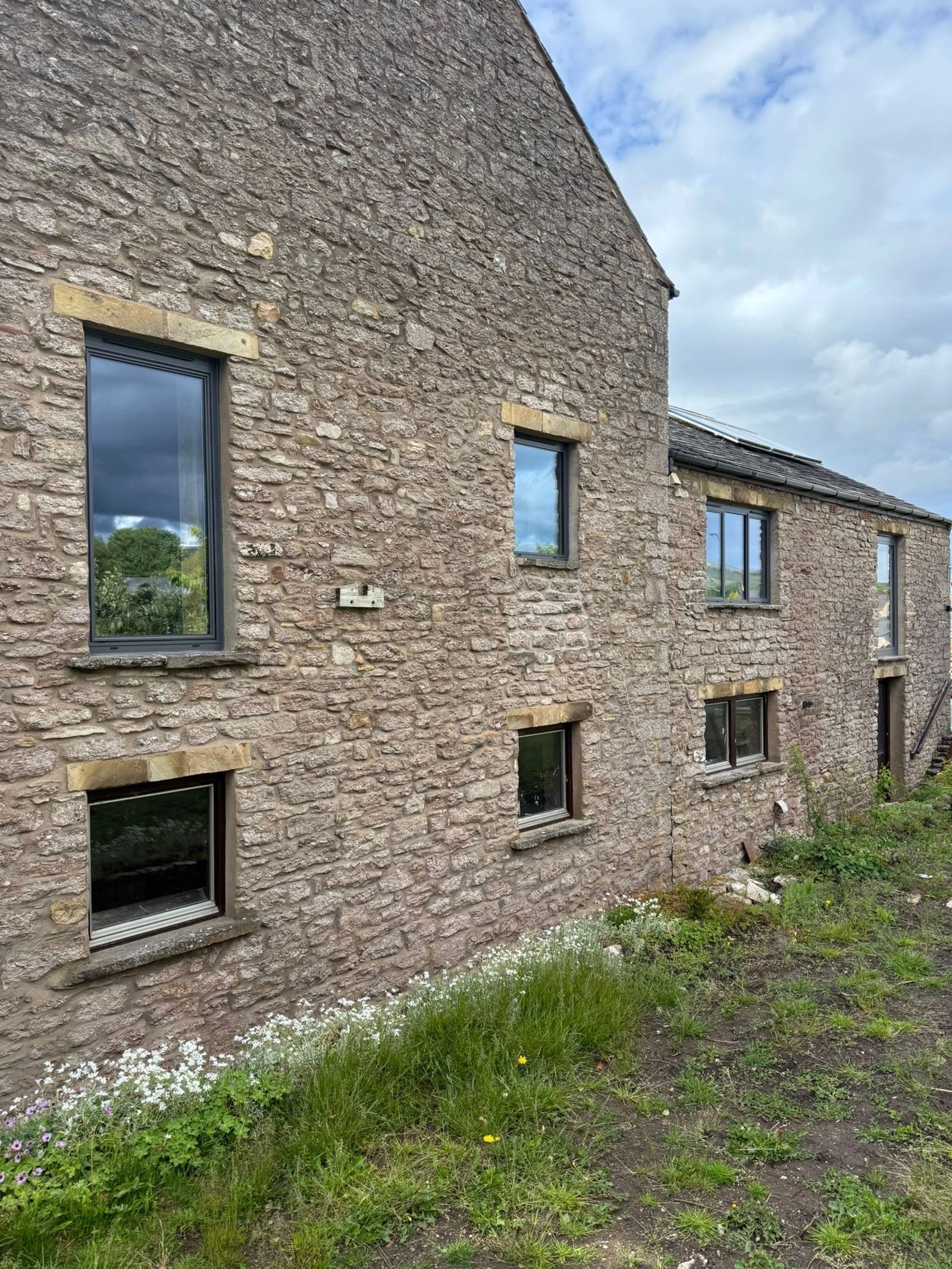
All windows had to be fitted directly into original stonework and traditional stone cills, with uneven surfaces throughout and both original and newly built openings to reconcile. Conservation-appropriate detailing was required without additional aluminium cills.
Face-drained systems were specified so the frames could sit directly within the stone surrounds and retain the original cills. Our survey team coordinated closely with the supplier on delivery, and installers worked to fine tolerances — even the perimeter mastic seal was applied by hand to follow the irregular stone.
Read the project storyNext step
We design, specify and install across Cumbria, the Lake District and the wider North. Send drawings, photographs or simply a description of the building and we will tell you what is possible and what it should cost.
Explore from here
Save anything you are drawn to. It gathers in My Inspiration and travels with your enquiry as a design brief.
 Clear Glass
 Triple Glazing
 Acoustic Glass
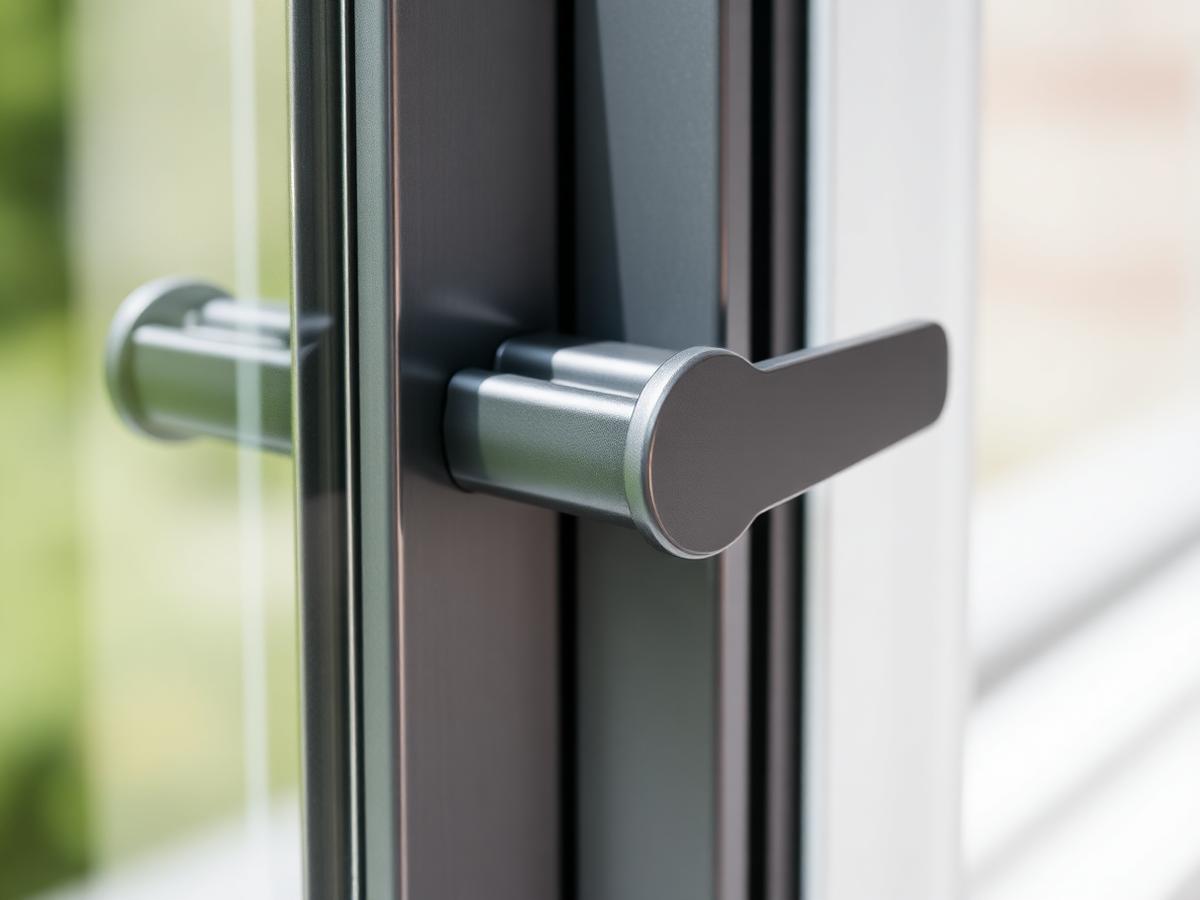 Window Handles
Questions
If your question isn’t here, we would rather talk it through properly than guess.
Book a Design ConsultationVisit the Knowledge CentreKeep reading
Flagship guide · 9 min read
Everything worth knowing before specifying aluminium windows, from frame construction and thermal performance to colour, glass and realistic pricing.
Product Comparisons · 3 min read
The Residence Collection and aluminium sit either side of a genuine style and budget decision. This guide narrows that decision down to the details that actually matter for your house.
Product Comparisons · 3 min read
R7 and R9 are both part of the Residence Collection, but they are built around different sightlines and different periods of house. Here is how to tell them apart.
Flagship guide · 8 min read
Aluminium and modern timber-look uPVC are both good materials. The right choice depends on the age and style of your house, your budget, and how the frames will be used, not on which one is fashionable.
Build your own collection of expert advice as you plan your project.
Wondering how this applies to your own home?
Share a photograph and we’ll turn this guidance into recommendations for your property.
Ready to understand the likely investment?
Start your personalised Project Investment Guide and see comparable completed projects.
Begin
Bring us your drawings, your site photographs or simply an idea. We will tell you what is possible, what it should cost and how long it will take.