
Flagship guide · 9 min read
The Ultimate Guide to Sliding Doors
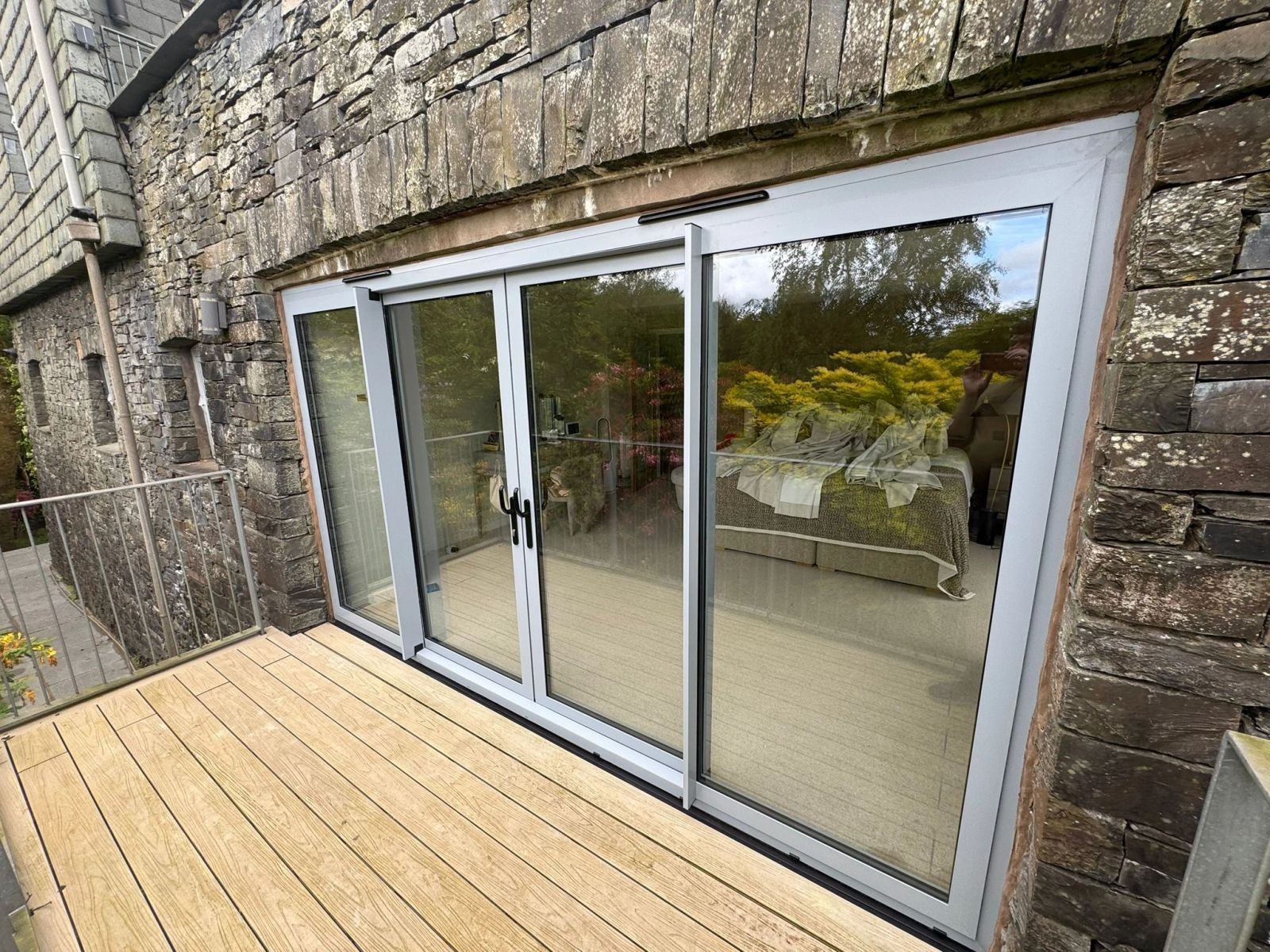
How aluminium sliding doors work, what separates a good system from a poor one, and what to expect from specification through to installed cost.
Collections
Specification
Buying Guides · Flagship guide
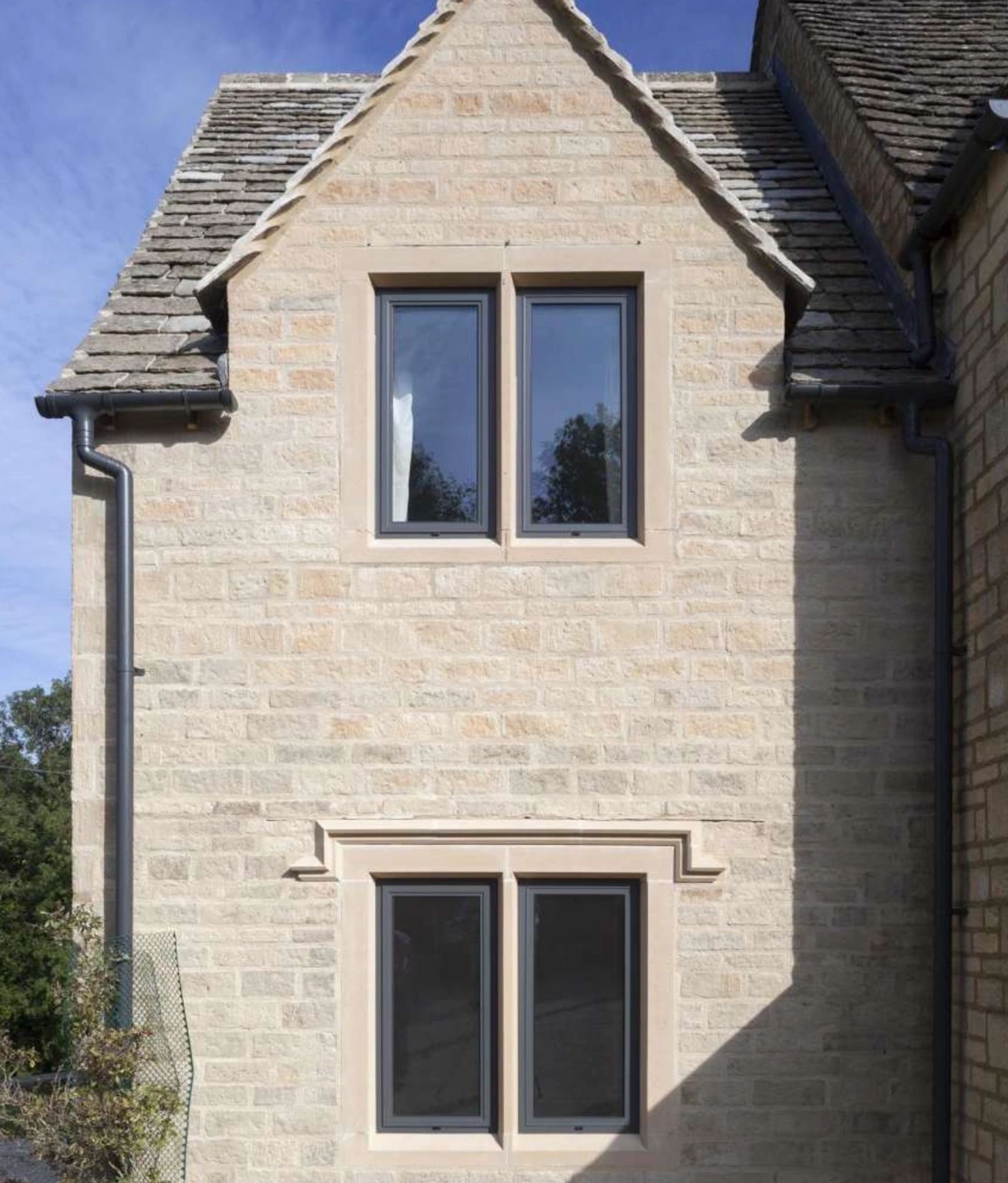
Everything worth knowing before specifying aluminium windows, from frame construction and thermal performance to colour, glass and realistic pricing.
Written by Windows in the Lakes · A trading name of Home Glazing Ltd
Aluminium has become the default choice for homeowners who want slim frames, large glass areas and a finish that will still look sharp in twenty years. It is not the cheapest window material, and it is not always the right one, but it solves problems that timber and uPVC struggle with, particularly on larger openings and contemporary extensions.
This guide sets out how aluminium windows are actually built, what separates a good system from a mediocre one, how to think about thermal performance and colour, and what you should expect to pay in Cumbria and the wider Lake District, where exposure to weather and the presence of conservation areas both shape the specification.
It is written to be read end to end if you are at the start of a project, or dipped into section by section once you have a shortlist of systems or suppliers to compare.
Aluminium's core advantage is strength relative to its cross-section. Because the material does not need to be as thick as timber or uPVC to support the same pane of glass, sightlines can be reduced substantially, which means more visible glass in the same opening. On a home with a good view — over a fell, a lake, or simply a well-landscaped garden — that difference is easy to see and hard to unsee once you have.
It is also dimensionally stable. Aluminium does not swell, shrink or warp with moisture the way timber can, and it does not soften in strong sun the way some uPVC profiles do over many years. For large sliding doors and tall windows, that stability matters more than it might on a small kitchen window.
A modern aluminium window is not a solid metal frame. It is two aluminium sections — an inner and an outer — separated by a thermal break, usually a polyamide bar, which stops heat conducting straight through the frame from outside to inside. Without a thermal break, aluminium would be a poor performer; with one, it competes with timber and uPVC on U-value.
The glass sits in the frame on setting blocks, sealed with gaskets, and is held by a bead that can be removed for reglazing without disturbing the frame itself. Corners are typically mechanically jointed and sealed, then the whole frame is powder coated after fabrication, which is why the finish covers welds and joints evenly.
| Feature | Aluminium | Residence uPVC | Timber |
|---|---|---|---|
| Typical sightline | Slim (40-60mm) | Medium (70-90mm) | Medium-wide |
| Maintenance | Wipe clean | Wipe clean | Periodic repaint/stain |
| Colour range | Almost any RAL, dual colour | Wide RAL range, foils | Paint or stain range |
| Typical lifespan | 35-45+ years | 30-35 years | 30-60 years with upkeep |
| Best suited to | Large glazing, contemporary homes | Traditional and heritage homes | Listed and period properties |
Under Part L of the Building Regulations, replacement windows in an existing English dwelling need to achieve a whole-window U-value of 1.4 W/m²K or better, or a Window Energy Rating of Band B or above. A U-value measures how much heat escapes through the window: the lower the number, the better the insulation.
Three things drive the U-value of a finished window: the thermal break in the frame, the glass specification (double or triple, the coatings used, and the gas fill in the cavity), and the spacer bar that separates the panes. Warm-edge spacers, usually a composite rather than plain aluminium, reduce the cold bridge at the edge of the glass and are worth specifying as standard.
In an exposed Lake District location — a hillside, an open aspect, or anywhere that takes the weather straight off the fells — the case for triple glazing is stronger than it would be in a sheltered valley terrace. It is not compulsory, and double glazing to a good specification will meet regulations comfortably, but the comfort difference on the coldest nights is noticeable.
Powder coating is applied electrostatically and then baked on, producing a hard, even, UV-stable finish that does not need repainting. Anthracite grey (RAL 7016) remains the most popular colour nationally, followed by jet black (RAL 9005) and a scattering of heritage greens and blues, but almost any RAL colour is available, and dual-colour frames — a different shade inside and out — are common where a bold exterior would feel too heavy indoors.
Hardware is worth as much attention as colour. Espagnolette locking with multiple shoot bolts is now standard on quality systems, and handle finishes — brushed steel, matt black, bronze — should be chosen to match doors and other ironmongery around the house rather than as an afterthought at survey stage.
Aluminium windows are available in the full range of opening styles, and the right choice depends on the room, the wall thickness and how the window will be used day to day, not just on appearance.
| Style | Best for | Notes |
|---|---|---|
| Casement (side or top hung) | Most rooms | Simplest, most cost-effective, wide size range |
| Flush casement | Contemporary and heritage-leaning elevations | Sash sits flush with the frame rather than proud |
| Tilt and turn | Upper floors, bedrooms | Tilts for ventilation, turns fully for cleaning and escape |
| Fixed light | Large view openings, alongside opening lights | No moving parts, maximum glass, lowest cost per m² |
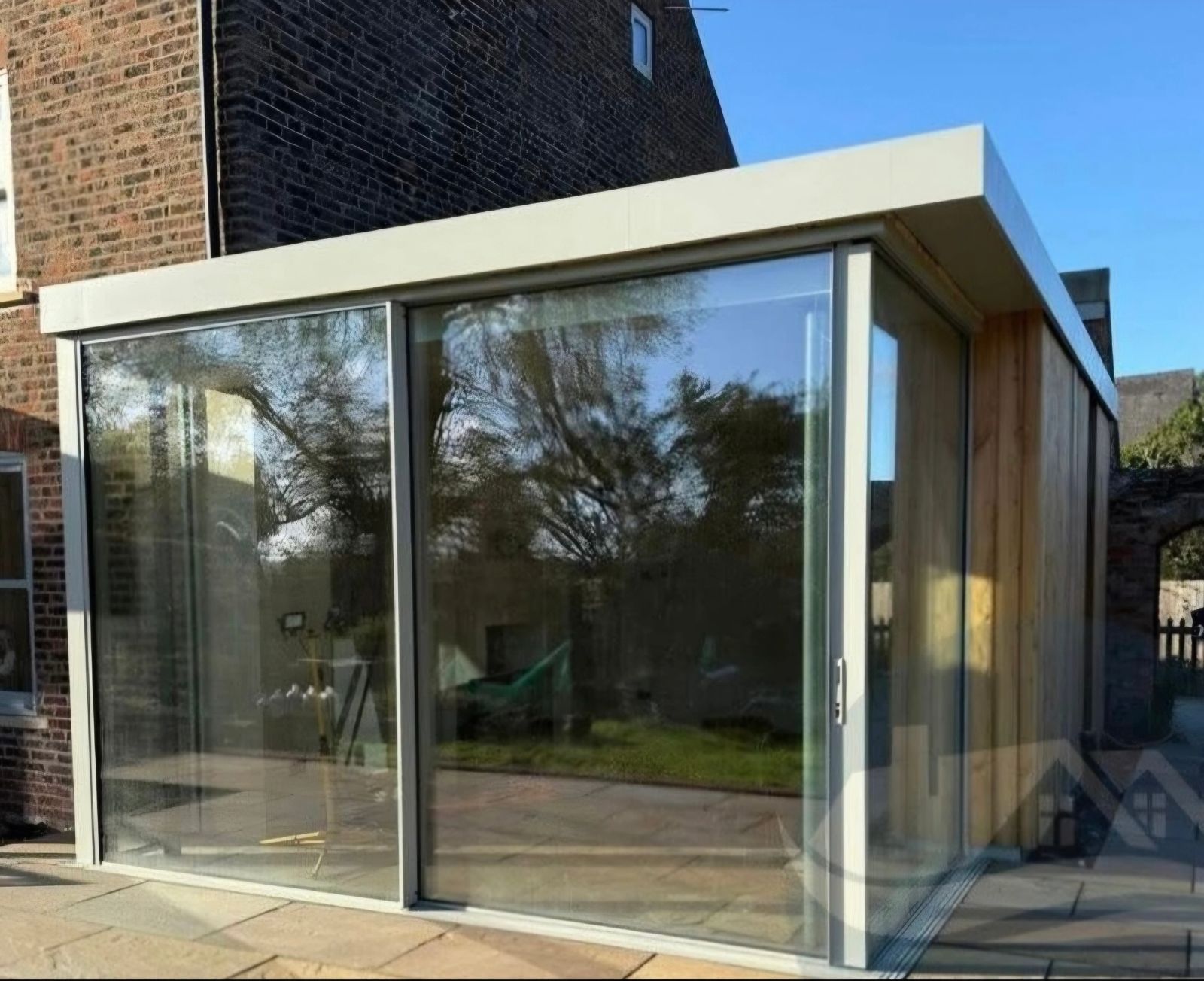
| Corner window | Contemporary extensions | Frameless or near-frameless glass-to-glass corner junction |
As a guide range, a supplied and installed aluminium casement window in the UK typically costs £1,400-£2,600 per window, depending on size, glazing specification, colour and access. A full replacement across a typical three or four bedroom house tends to fall between £20,000 and £70,000, while a partial replacement — a single elevation or a handful of windows — can start from around £8,000.
It is worth asking any quote to be broken down by these factors rather than presented as a single lump sum. That makes it far easier to compare two quotes that look different on the surface but are actually specifying similar glass and frames.
Replacement windows are controlled work under Part L of the Building Regulations. A FENSA or Certass registered installer can self-certify the work and issue a compliance certificate, which you will need if you ever sell the property. If you use an installer who is not registered with either scheme, you will need to arrange building control sign-off separately.
In a conservation area, or on a listed building, planning consent or listed building consent may be required before you replace windows at all, and aluminium is not always accepted on visible elevations of traditional properties. It is always worth a pre-application conversation with the local planning authority before ordering anything.
The frame system matters, but so does who fabricates and fits it. Ask which aluminium system is being used, whether the company fabricates in-house or buys in finished frames, and who will actually carry out the installation. Many companies design and sell, then bring in experienced installation teams they know and trust to fit — that is a normal and often sensible model, but it is worth knowing in advance rather than assuming.
“The system name on a brochure tells you less than the fabricator behind it. Ask to see finished installations, not just samples.”
From a real Windows in the Lakes project
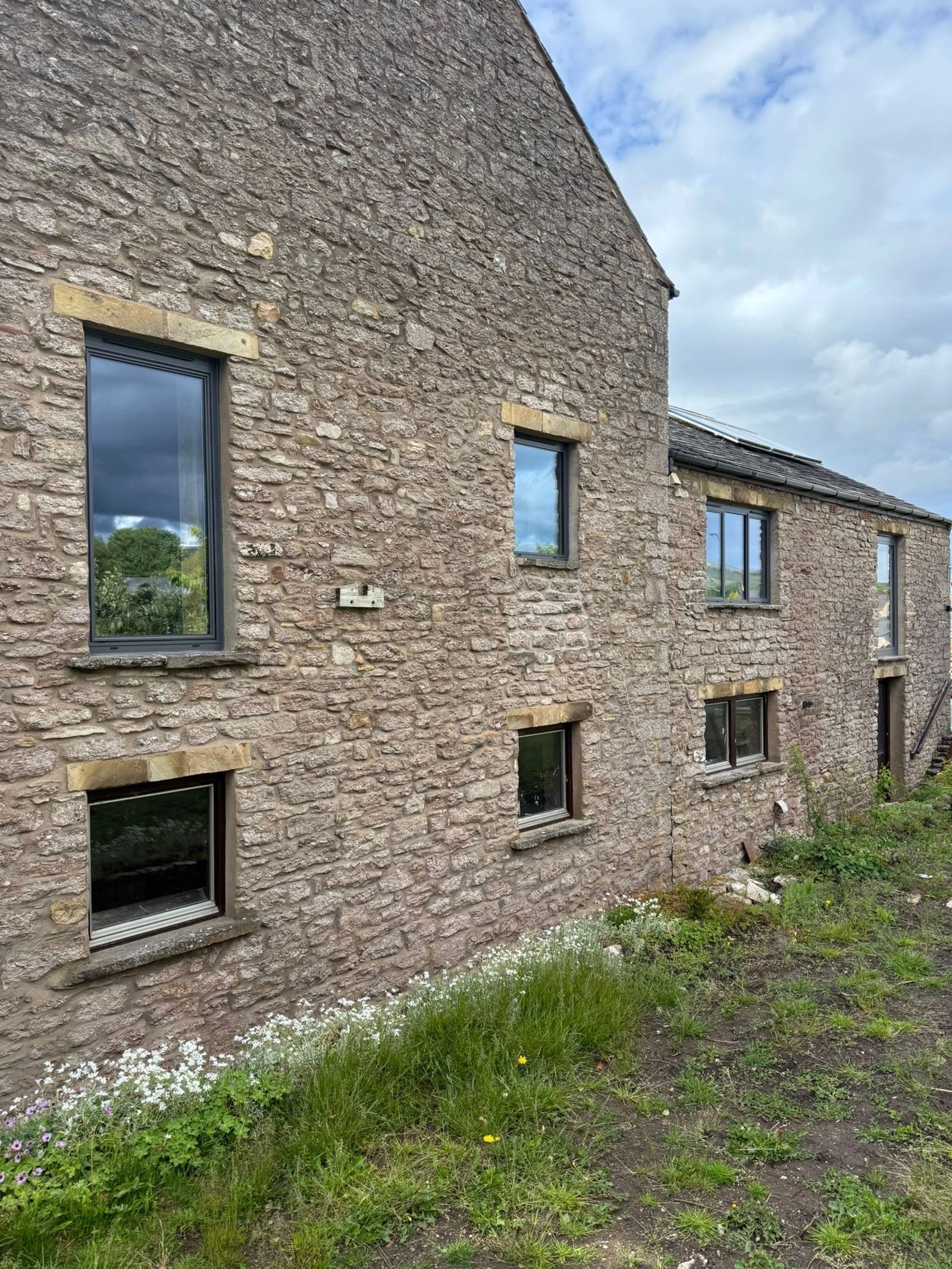
Near Kirkby Stephen, Cumbria · 20 windows · 5 doors
All windows had to be fitted directly into original stonework and traditional stone cills, with uneven surfaces throughout and both original and newly built openings to reconcile. Conservation-appropriate detailing was required without additional aluminium cills.
Face-drained systems were specified so the frames could sit directly within the stone surrounds and retain the original cills. Our survey team coordinated closely with the supplier on delivery, and installers worked to fine tolerances — even the perimeter mastic seal was applied by hand to follow the irregular stone.
Read the project storyNext step
We design, specify and install across Cumbria, the Lake District and the wider North. Send drawings, photographs or simply a description of the building and we will tell you what is possible and what it should cost.
Explore from here
Save anything you are drawn to. It gathers in My Inspiration and travels with your enquiry as a design brief.
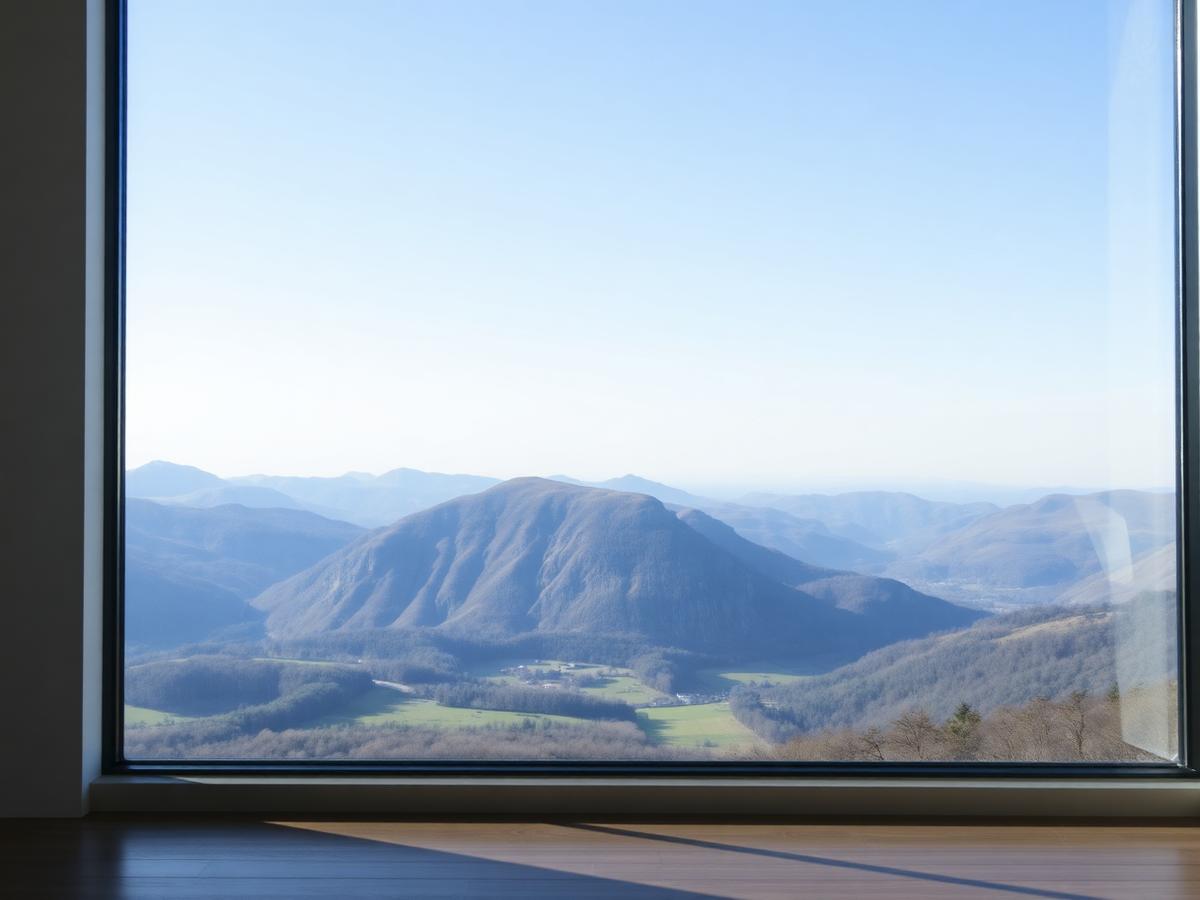 Clear Glass
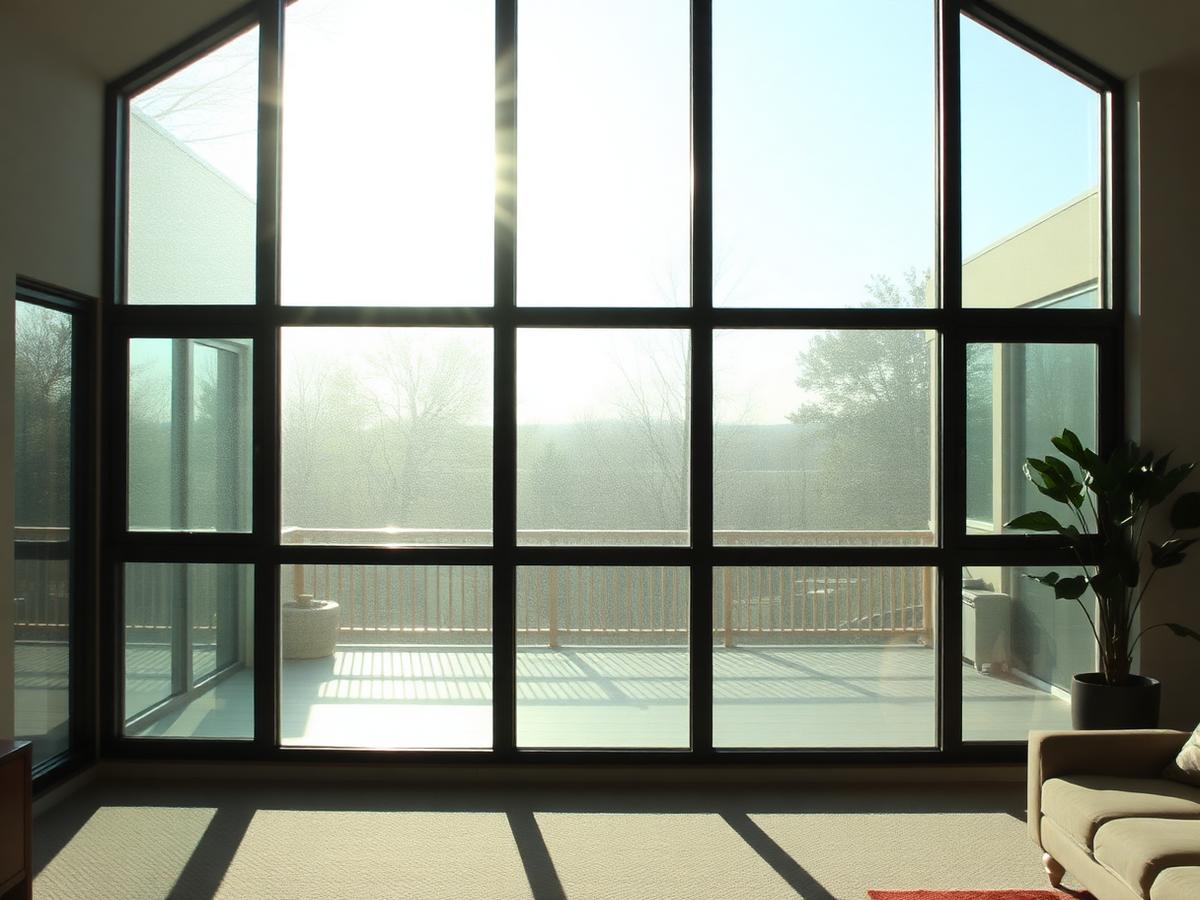 Solar Control
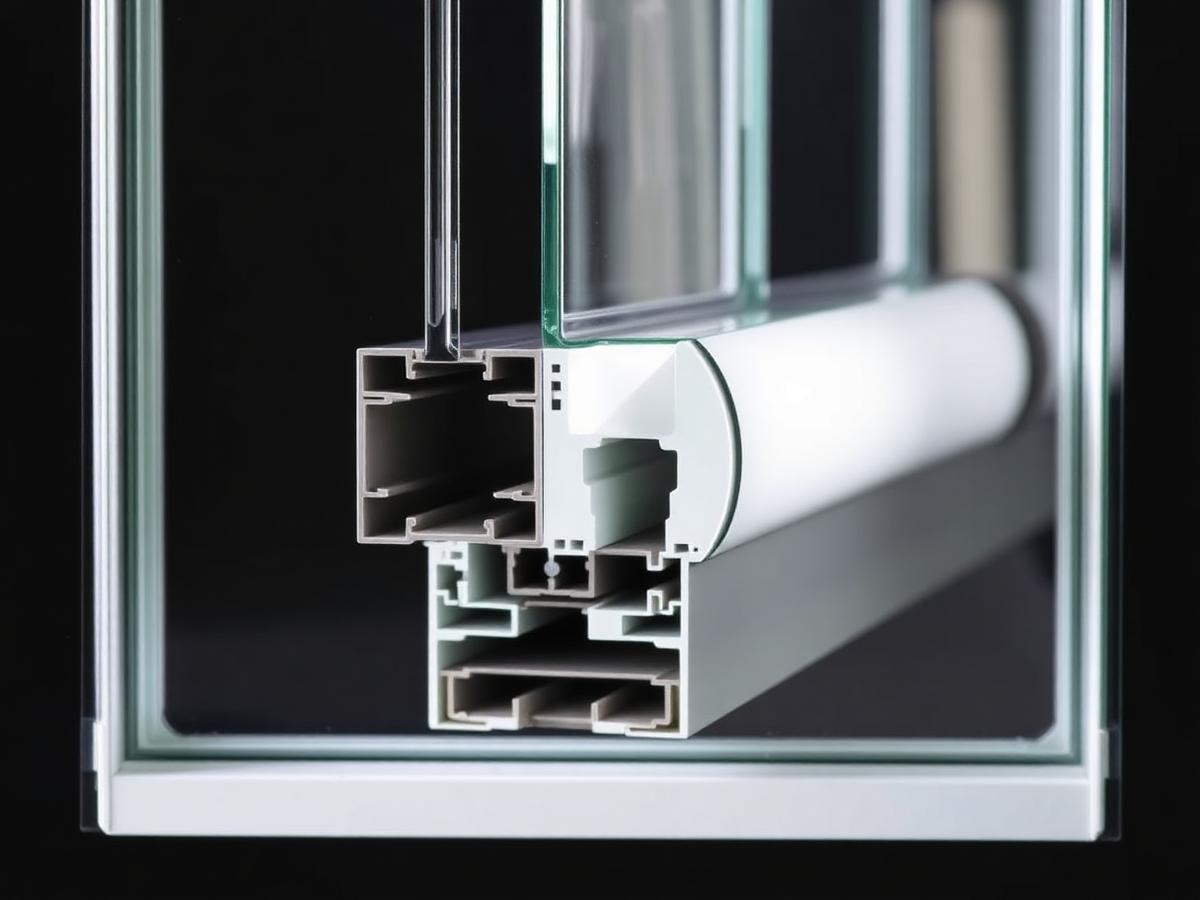 Triple Glazing
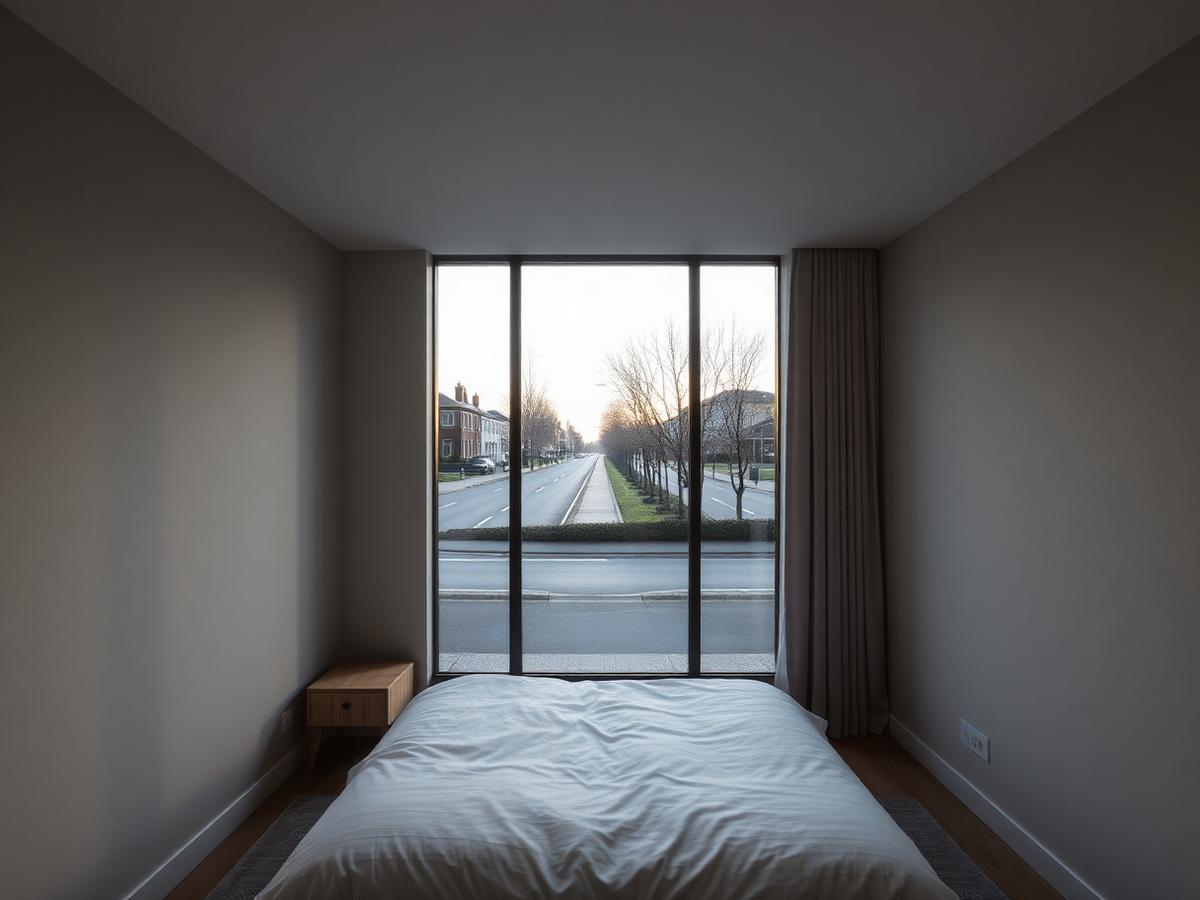 Acoustic Glass
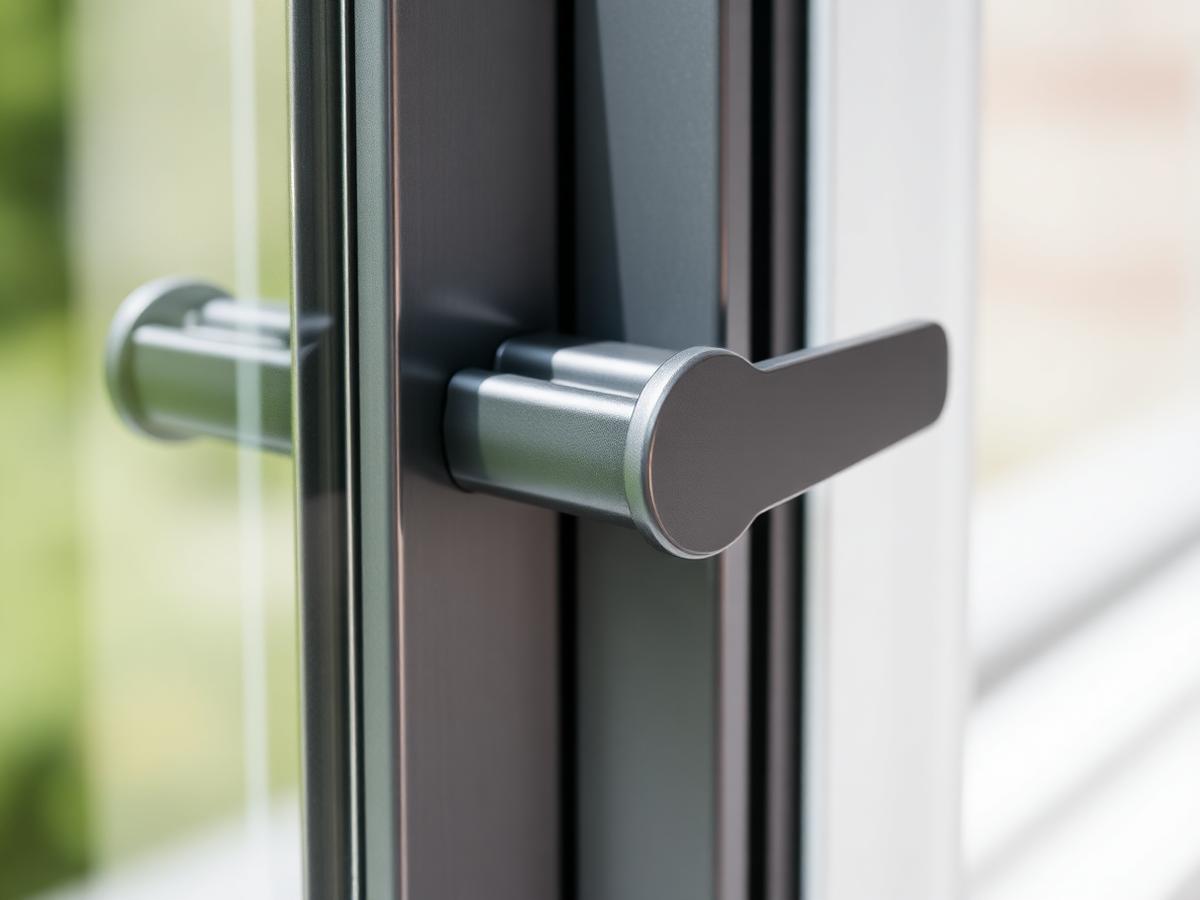 Window Handles
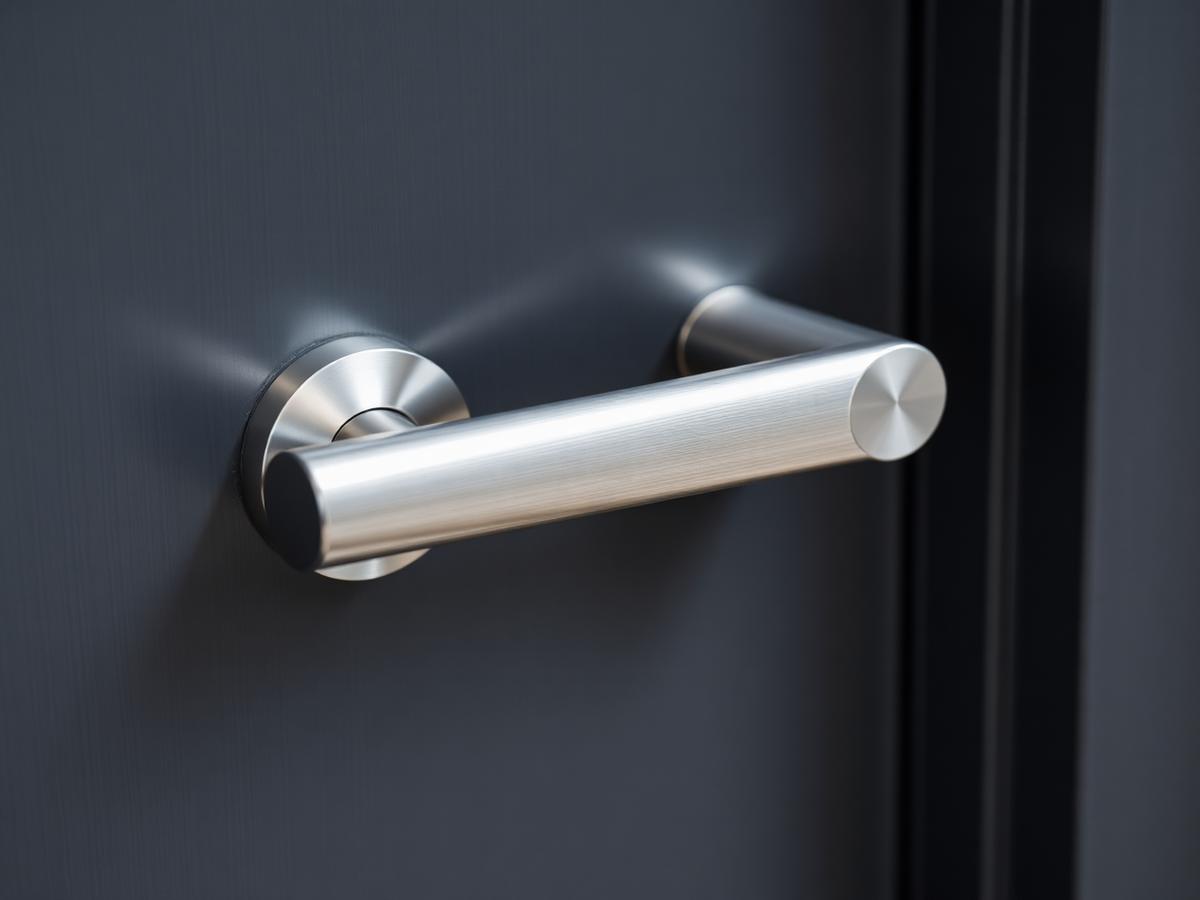 Lever Door Handles
Questions
If your question isn’t here, we would rather talk it through properly than guess.
Book a Design ConsultationVisit the Knowledge CentreKeep reading
Flagship guide · 9 min read
How aluminium sliding doors work, what separates a good system from a poor one, and what to expect from specification through to installed cost.
Flagship guide · 6 min read
What the Residence Collection actually is, how R9, R7 and R2 differ, and why timber-look uPVC has become the standard choice for period and conservation properties.
Flagship guide · 8 min read
Aluminium and modern timber-look uPVC are both good materials. The right choice depends on the age and style of your house, your budget, and how the frames will be used, not on which one is fashionable.
Cost & Budget Guides · 5 min read
Aluminium windows typically cost £1,400–£2,600 per window supplied and installed. Here is what moves you up or down that range.
Build your own collection of expert advice as you plan your project.
Wondering how this applies to your own home?
Share a photograph and we’ll turn this guidance into recommendations for your property.
Ready to understand the likely investment?
Start your personalised Project Investment Guide and see comparable completed projects.
Begin
Bring us your drawings, your site photographs or simply an idea. We will tell you what is possible, what it should cost and how long it will take.