
Flagship guide · 9 min read
The Ultimate Guide to Aluminium Windows
Everything worth knowing before specifying aluminium windows, from frame construction and thermal performance to colour, glass and realistic pricing.
Collections
Specification
Buying Guides · Flagship guide
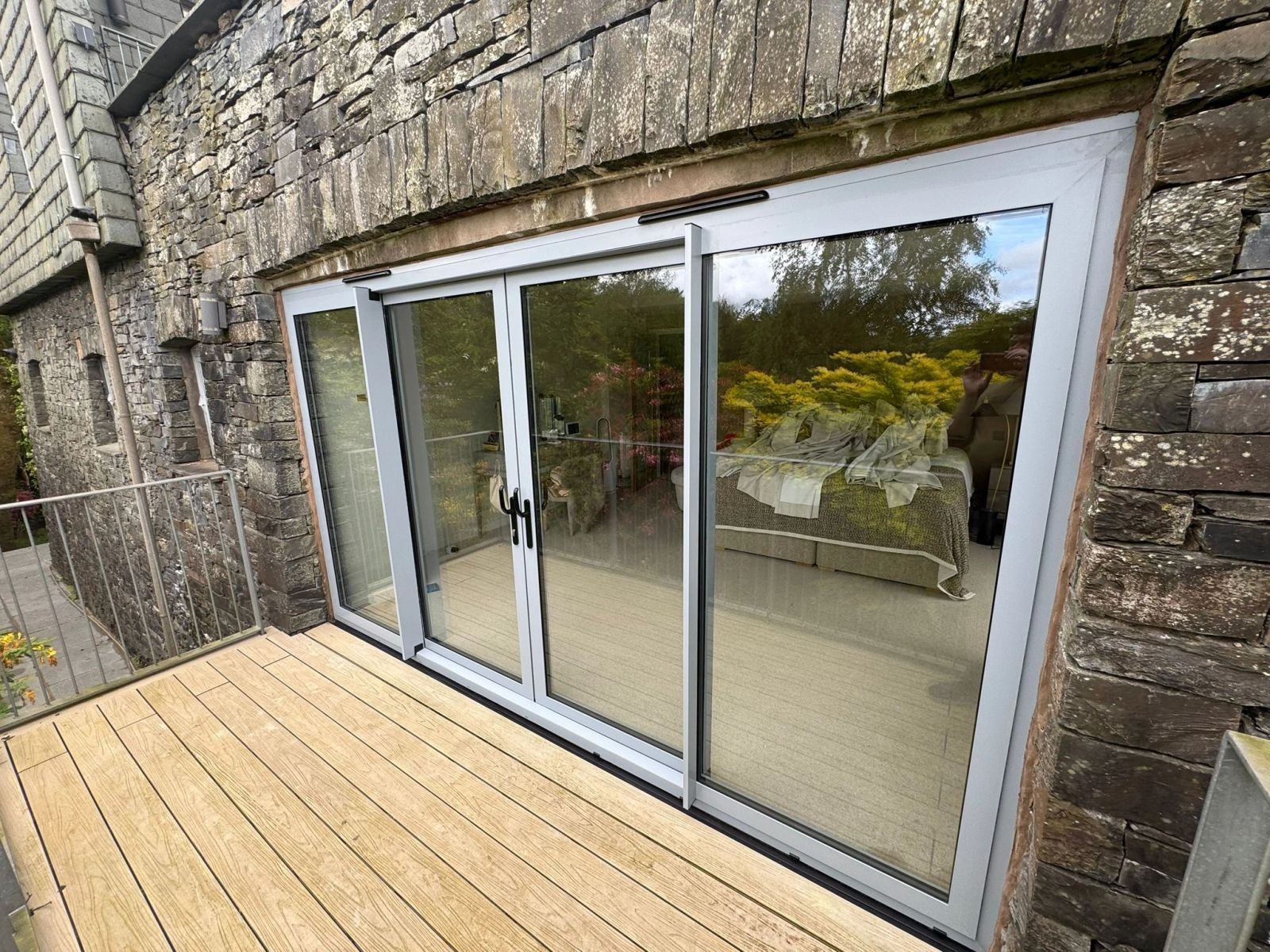
How aluminium sliding doors work, what separates a good system from a poor one, and what to expect from specification through to installed cost.
Written by Windows in the Lakes · A trading name of Home Glazing Ltd
Sliding doors are the single most effective way to open a house to a garden or a view. Done well, they disappear into the wall when open and read as a wall of glass when closed, with none of the swing clearance a hinged door or bifold set needs. Done badly, they are heavy to operate, prone to draughts, and expensive to fix.
This guide covers how sliding systems actually work, the difference between standard, lift-and-slide and slim-frame architectural doors, glazing and thermal choices, and realistic costs for the Cumbrian market, where large openings often face genuinely testing weather.
Read it before you compare quotes: sliding doors vary more between suppliers than almost any other product in the glazing range, and the differences are not always visible until the door has been in daily use for a year or two.
A sliding door consists of one or more panels that run in tracks at the head and cill, overlapping rather than swinging. At least one panel is fixed or the whole set slides to one side, and the opening panel or panels run on rollers set into the bottom of the frame, carrying the full weight of the glass and aluminium.
The quality of a sliding door is largely determined by things you cannot see once it is installed: the roller mechanism, the interlock between panels, the weatherseal design at the meeting stiles, and the drainage path that takes water away from the cill in driving rain.
| Type | How it works | Best for |
|---|---|---|
| Standard slider | Panels run in a surface track, cill sits slightly proud | Most homes, good value, reliable |
| Lift-and-slide | Panel lifts slightly off the seals before sliding, then lowers to seal | Very large or heavy panels, best weather seal |
| Slim-frame architectural | Minimal sightlines, often structural glass, premium hardware | Statement openings, uninterrupted views |
| Pocket slider | Panel disappears fully into a wall cavity | New build or extensions designed around it from the outset |
An inline (standard) slider runs continuously in its track and is opened by pushing the handle, with the weight of the panel carried on rollers throughout. It is simple, well proven, and perfectly weathertight when properly specified — the majority of sliding doors installed in the UK are inline systems.
A lift-and-slide door uses a handle that first lifts the panel a few millimetres off its seals, disengaging it from the frame, before it slides freely. When closed, turning the handle lowers the panel back down onto the seals, compressing them fully. This gives a tighter seal against wind and water, and makes it possible to run larger, heavier panels smoothly, but it comes at a higher price and a cill that typically sits a little higher, which matters for step-free access.
Slimline is a description, not a standard. Any manufacturer can use the word, so the only way to compare two systems honestly is to ask for the numbers behind it — the visible frame face, the width of the meeting stile where two panels overlap, and the depth of the outer frame once it is installed.
Slim sections make most sense on a large opening, where the difference between a wide and a narrow interlock is the difference between a view divided by a post and a view that reads as one. On a smaller two-panel door the visual gain is real but far less dramatic, and the money is often better spent on the glass specification.
Slim systems also ask more of the opening. Level thresholds, recessed tracks and frames buried into the structure all need early coordination with the builder. Once ordered, the detailed survey confirms these conditions before manufacturing information is released.
Sliding doors are described by the number of panels and how many of them slide. A configuration written as 3 pane OX means three panels, of which one (the O) is fixed and one (the X) is the operable, sliding panel — conventions vary between manufacturers, so always ask for a drawing rather than relying on shorthand alone.
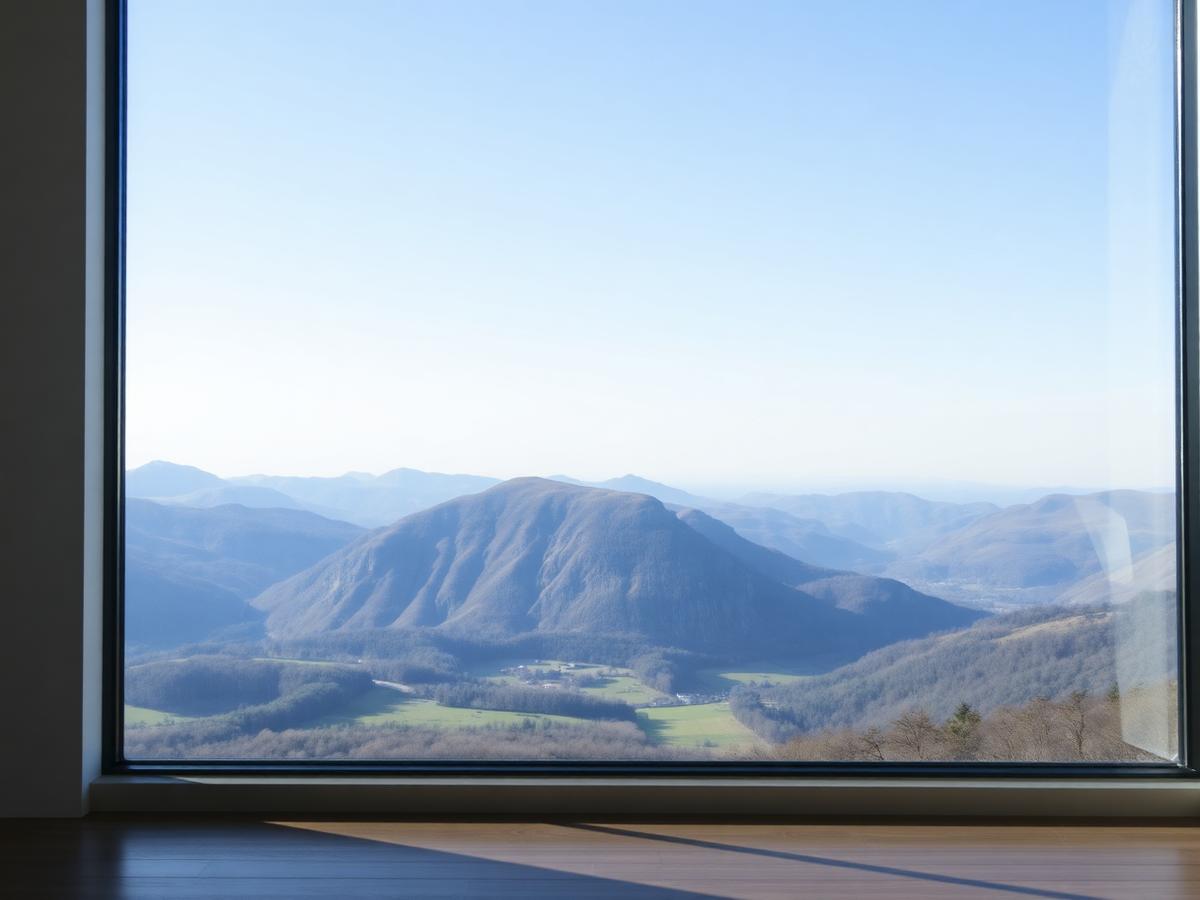
Because sliding doors are almost entirely glass, the glazing specification does more work than it does on a window. Low-e coatings, warm-edge spacers and argon-filled cavities are standard on any quality system, and the choice between double and triple glazing depends on orientation, exposure and how much weight the frame and rollers are designed to carry.
South and west-facing sliders in particular can suffer from solar gain and glare, especially on unshaded elevations. Solar control glass reduces heat gain without noticeably darkening the view, and is worth discussing at specification stage rather than adding blinds as an afterthought.
Roller quality is the single biggest factor in how a sliding door feels five years in. Stainless steel ball-bearing rollers rated well above the actual panel weight will still glide smoothly long after cheaper nylon rollers have started to drag or squeak. Ask what the rollers are rated to carry and compare that to the actual weight of your panels, which your supplier should calculate at survey stage.
| Configuration | Approximate width | Typical price range |
|---|---|---|
| 2-panel slider | Around 3m | £6,000 - £11,000 |
| 3-panel slider | 4 - 5m | £11,000 - £20,000 |
| Slim-frame architectural slider | Varies | From £18,000, often £40,000+ |
Price is driven by width and panel count, glass specification, frame colour, and whether the system is standard aluminium or a slim-frame architectural product with structural glass and minimal sightlines. As with windows, a survey converts these ranges into an accurate figure once ground conditions, structural openings and access are confirmed.
The two are often compared but do different jobs. A sliding door gives the clearest, most uninterrupted view when closed, with slim vertical sightlines and a simple operation for everyday use. A bifold door opens the entire width of the opening, folding panels back to one or both sides, which suits homes that genuinely use the full opening as an entrance in warmer months.
Tracks should be kept clear of grit and debris, which is the most common cause of a slider becoming stiff over time. An occasional vacuum of the track and a wipe of the rollers keeps the door running smoothly, and most manufacturers recommend an annual check of the drainage slots, particularly after a bad winter.
From a real Windows in the Lakes project
Brampton, Carlisle · 5600mm × 2100mm AS-20 slider · 6 windows
The rural location brought access challenges typical of farm conversions — restricted access and limited working space for deliveries and installation — alongside the irregular geometry of the original structure.
We coordinated closely with the wider build team on scheduling to minimise disruption, and carried out a full professional survey with every opening measured and checked in detail before manufacture. Installation focused on structural interfaces, weather tightness and clean internal and external detailing.
Read the project storyNext step
We design, specify and install across Cumbria, the Lake District and the wider North. Send drawings, photographs or simply a description of the building and we will tell you what is possible and what it should cost.
Explore from here
Save anything you are drawn to. It gathers in My Inspiration and travels with your enquiry as a design brief.
 Clear Glass
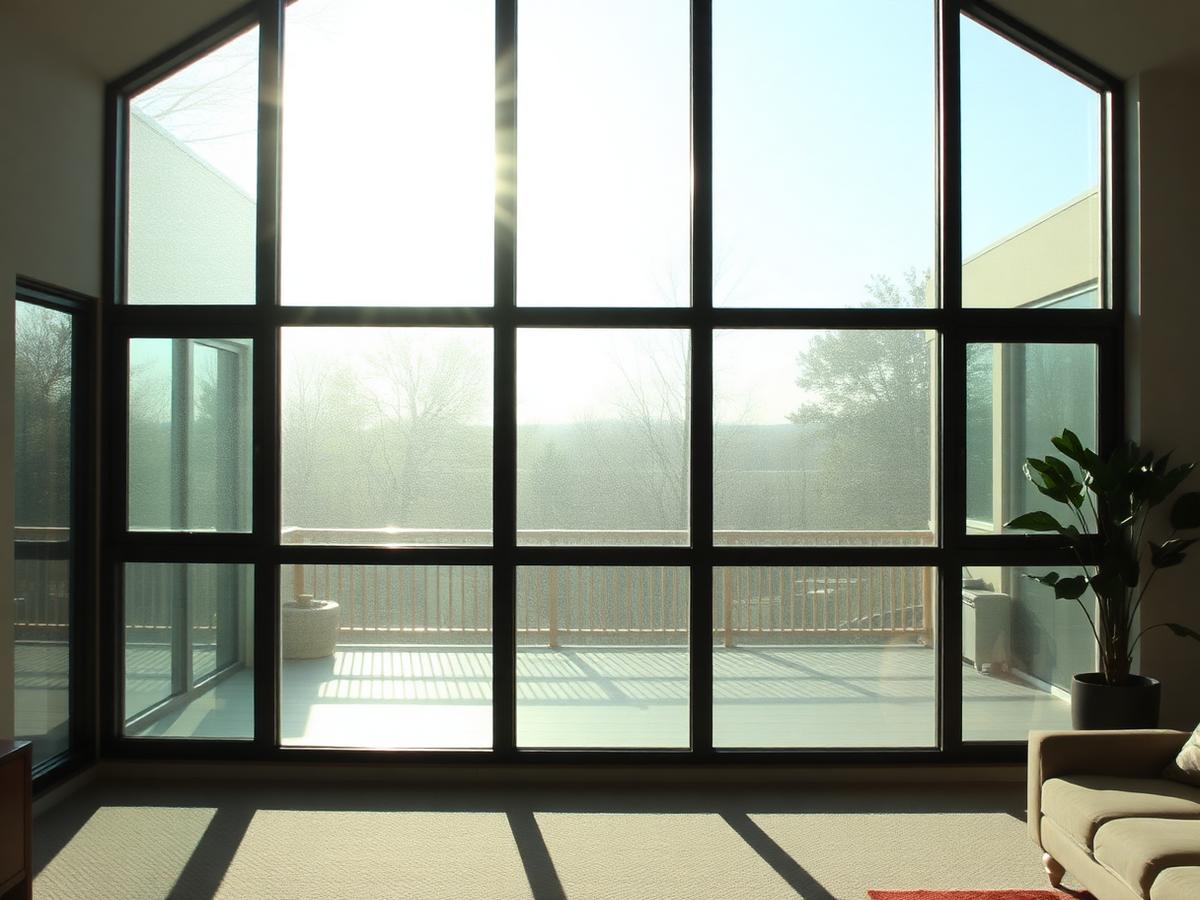 Solar Control
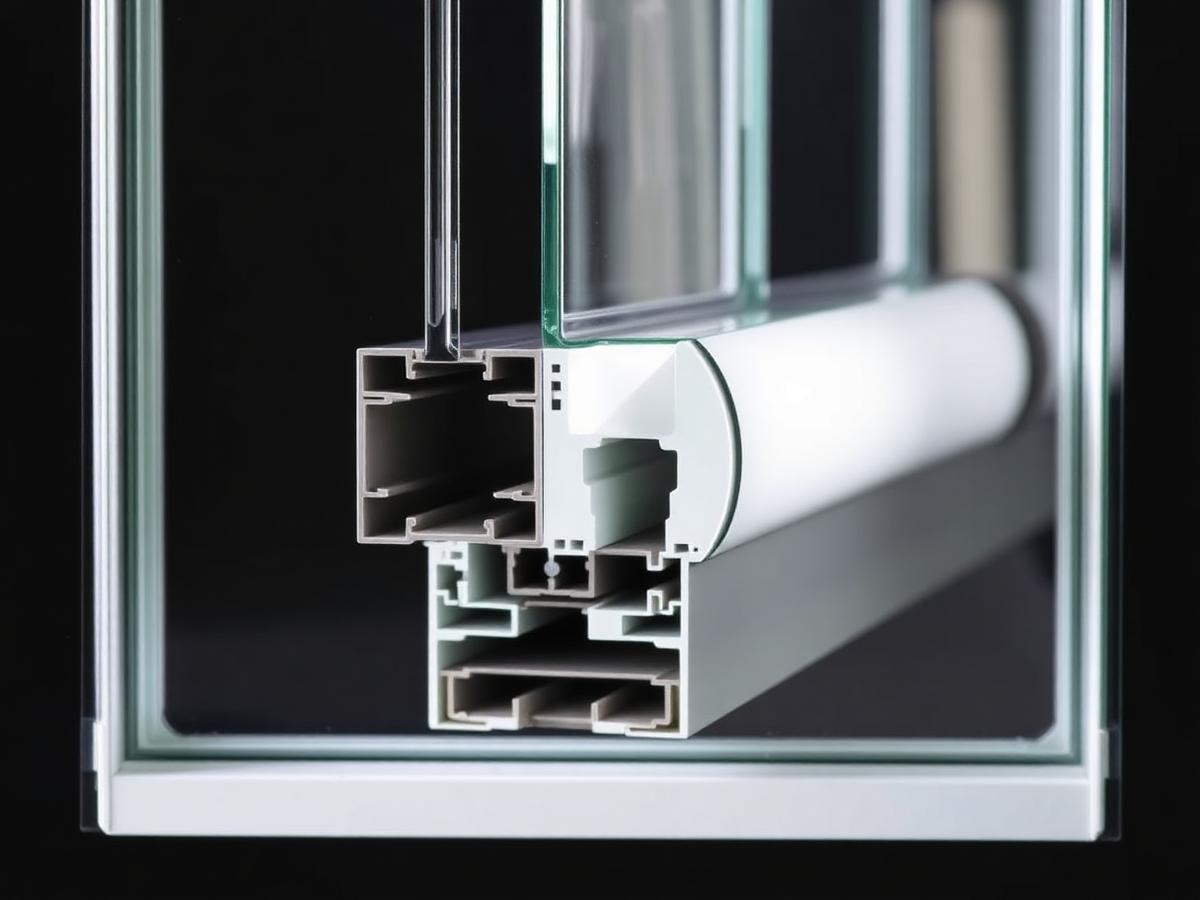 Triple Glazing
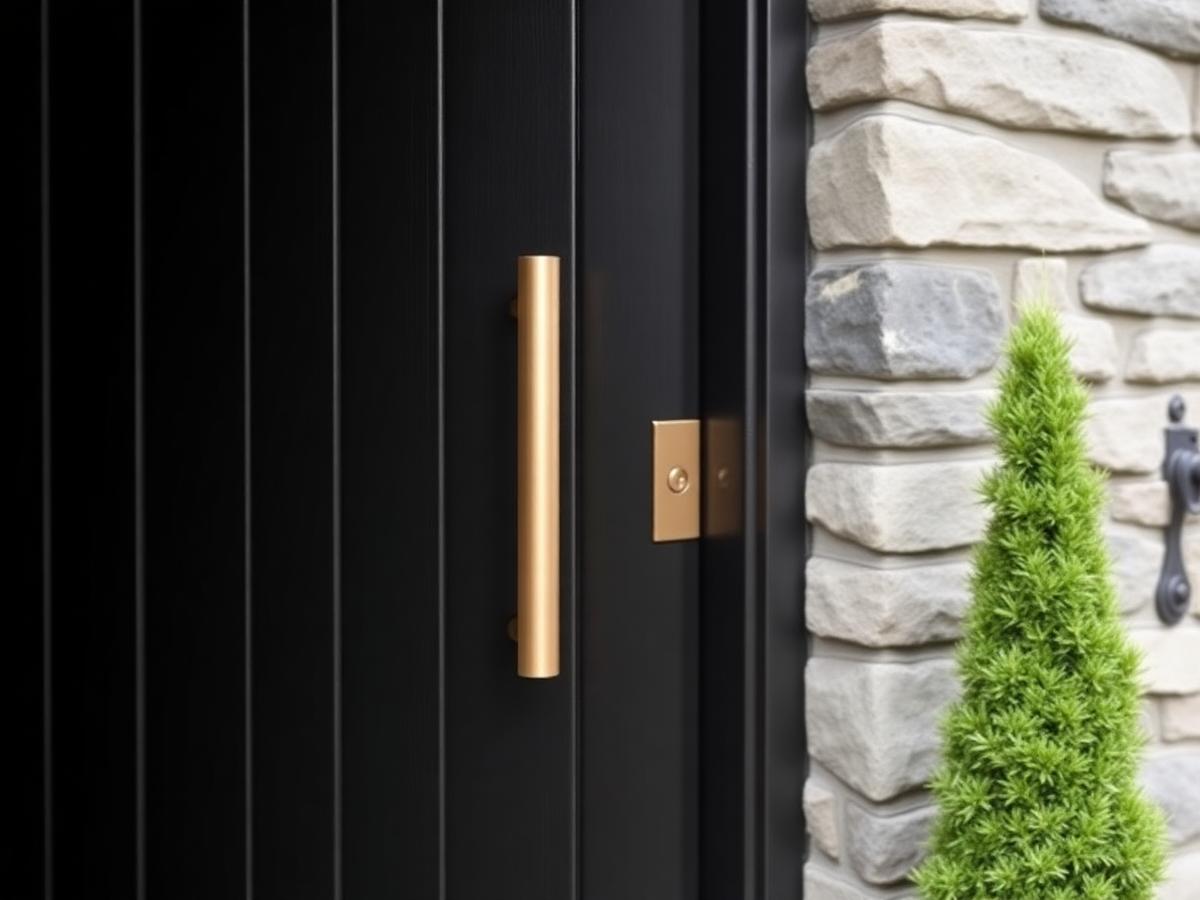 Pull Bars
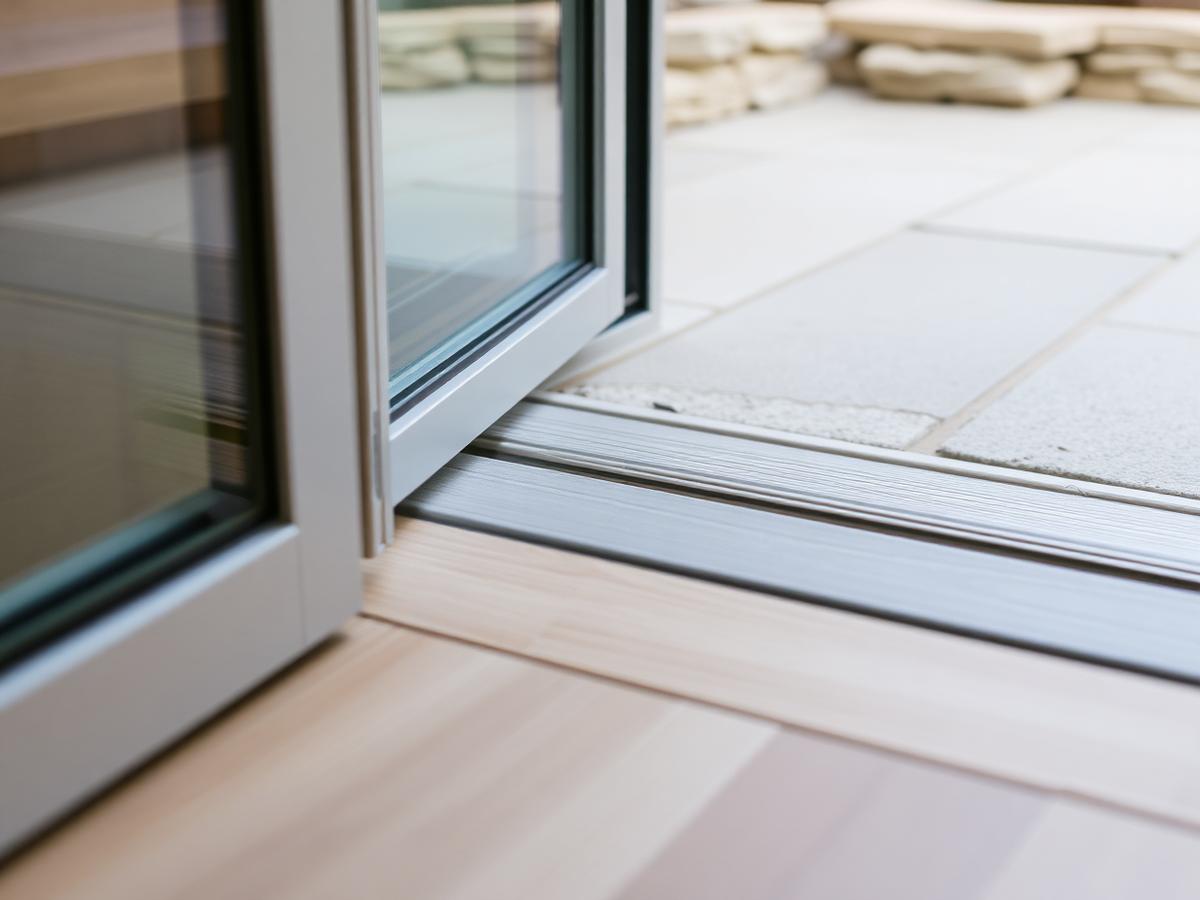 Thresholds
Questions
If your question isn’t here, we would rather talk it through properly than guess.
Book a Design ConsultationVisit the Knowledge CentreKeep reading
Flagship guide · 9 min read
Everything worth knowing before specifying aluminium windows, from frame construction and thermal performance to colour, glass and realistic pricing.
Buying Guides · 3 min read
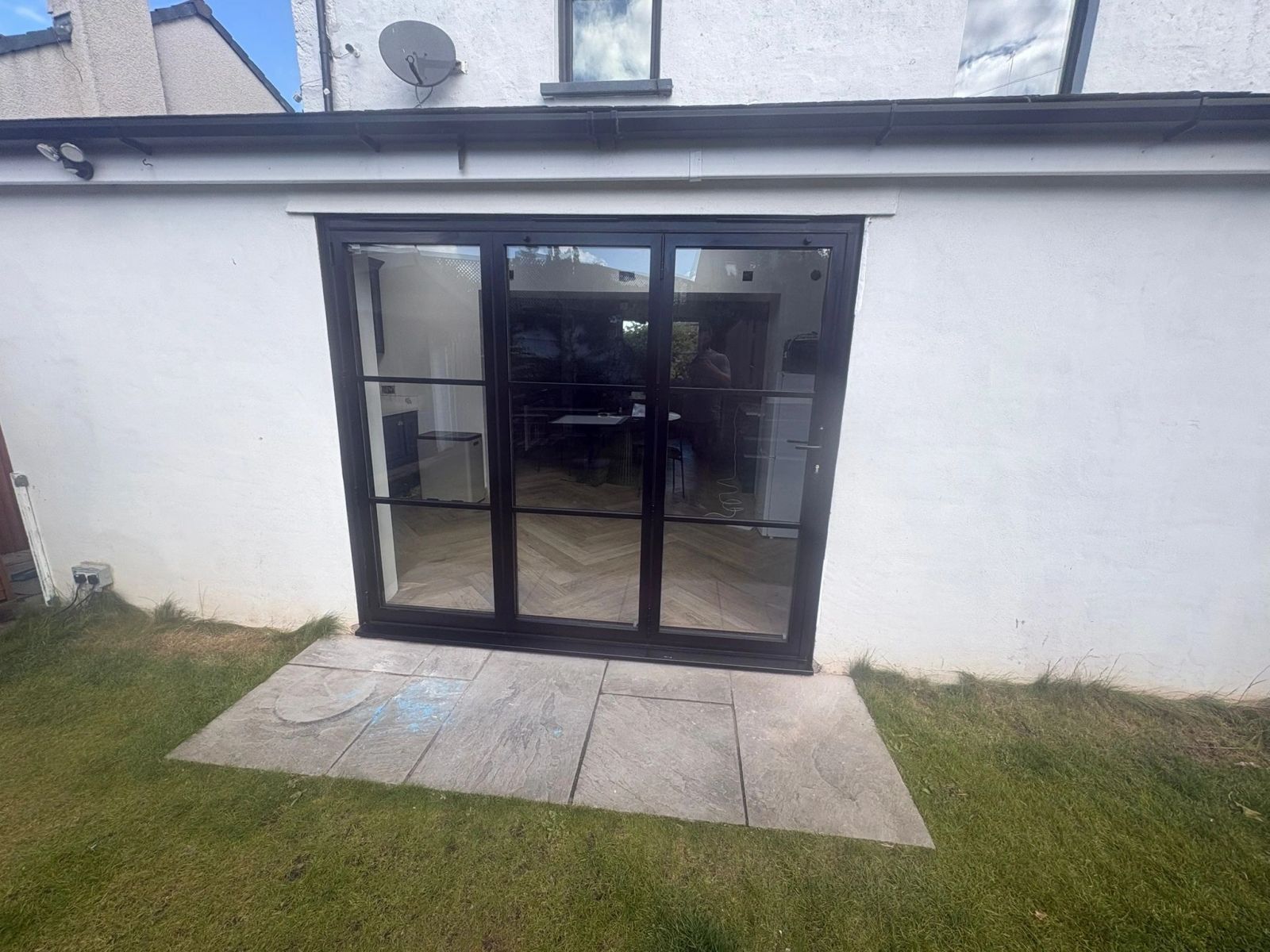
A practical guide to choosing bifold doors: configurations, tracks and thresholds, glass, and how they compare with sliding doors for cost and everyday use.
Product Comparisons · 4 min read
Sliding doors and bifold doors solve the same basic problem, a large glazed opening onto a garden, in two genuinely different ways. Neither is the automatically correct answer.
Product Comparisons · 3 min read
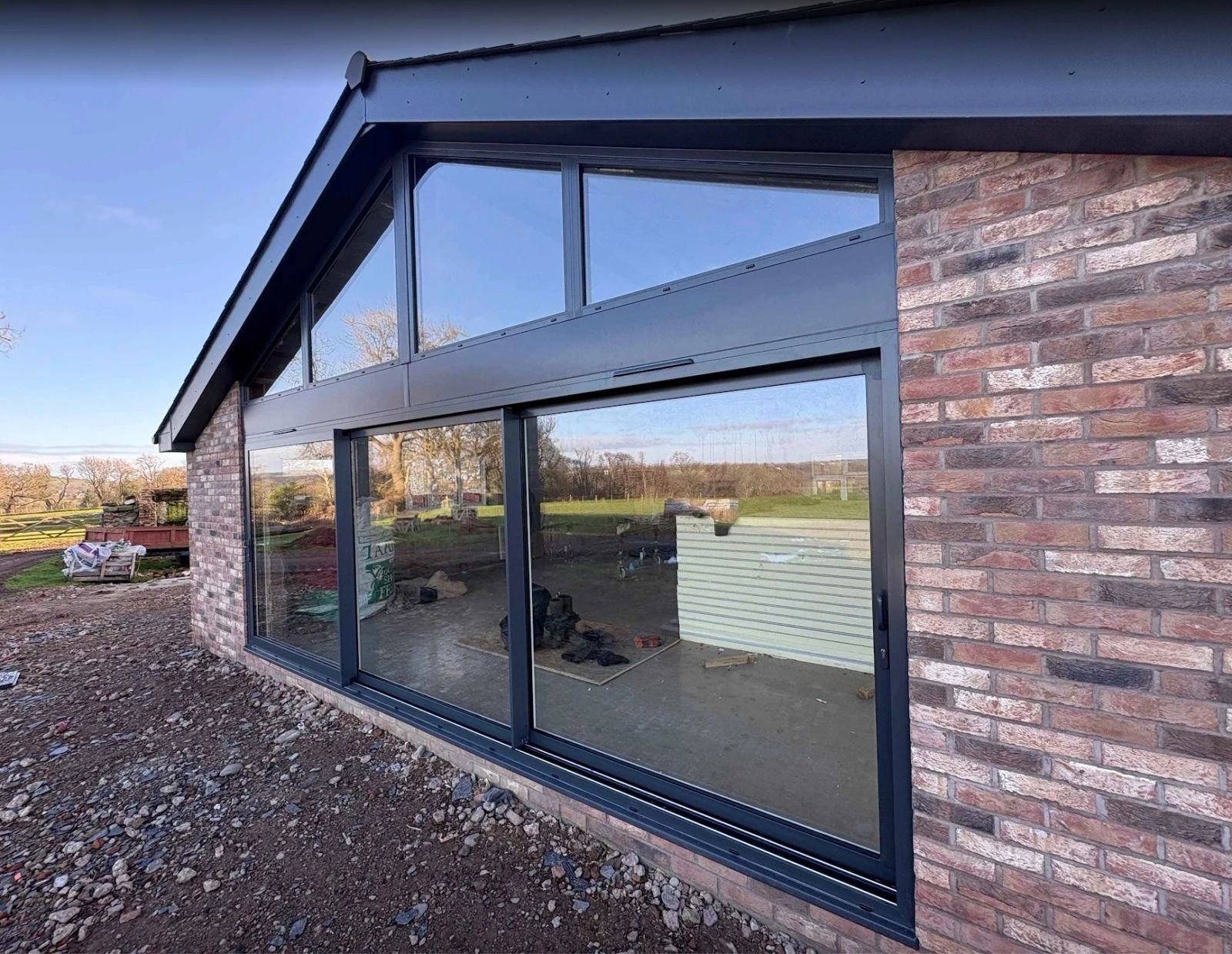
Both are sliding doors, but they use different mechanisms to carry the weight of the glass, and that difference decides how large you can go.
Build your own collection of expert advice as you plan your project.
Wondering how this applies to your own home?
Share a photograph and we’ll turn this guidance into recommendations for your property.
Ready to understand the likely investment?
Start your personalised Project Investment Guide and see comparable completed projects.
Begin
Bring us your drawings, your site photographs or simply an idea. We will tell you what is possible, what it should cost and how long it will take.