Flagship guide · 11 min read
Choosing the Right Window Colour: A Complete Guide
Frame colour is the single decision that does more to a house's character than almost any other, and it is one of the hardest to reverse once glazing is installed.
Collections
Specification
Some frame colour trends fade within a few years. Others quietly become the new default. Here is how to tell the difference before you commit for the next twenty years.
Written by Windows in the Lakes · A trading name of Home Glazing Ltd
Frames last two decades or more, which makes colour one of the few design decisions in a home that genuinely needs to outlast a fashion cycle. This guide is not about chasing the latest look; it is about the handful of shifts in frame colour that have proven durable enough to be worth following, and the reasoning behind why they have stuck.
The common thread across every trend that has lasted is that it solves a real problem, whether that is matching contemporary architecture, reducing visible maintenance, or offering more flexibility than a single fixed colour ever could.
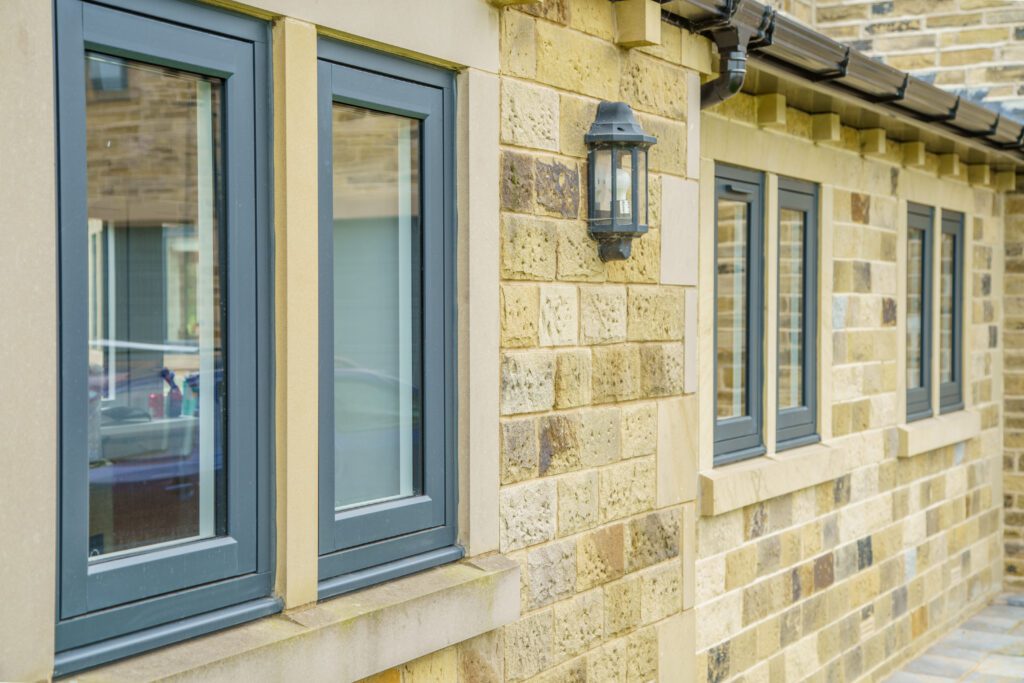
A decade ago, dual-colour frames (a different external and internal finish) were a premium option. On most contemporary aluminium and Residence Collection systems today, they are close to a standard specification, chosen by the majority of homeowners rather than a minority. The appeal is straightforward: a confident, dark external colour that suits the building and any planning context, paired with a lighter internal finish that suits interior decoration and reflects more daylight into the room.
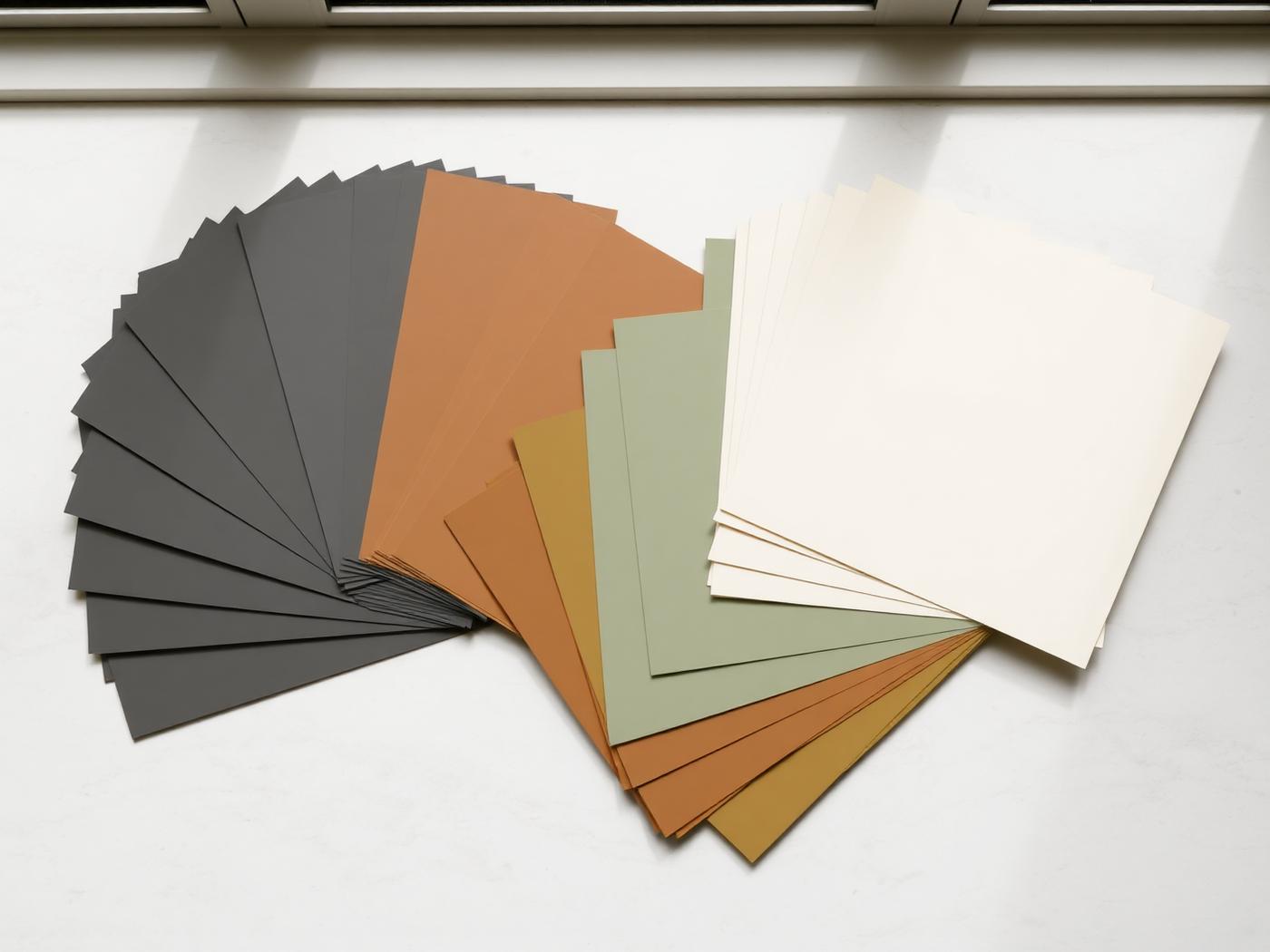
The first wave of grey aluminium frames, a decade or more ago, leaned cool and blue, epitomised by RAL 7016 anthracite in its coolest form. The more recent shift is towards warmer greys and greiges, such as RAL 7039 quartz grey and RAL 7022 umbra grey, which pair more comfortably with the warm timber cladding, natural stone and terracotta tones common in current extension and new-build design. This is a genuine, durable shift rather than a fad, driven by a broader move towards warmer, more tactile material palettes in architecture generally.
Gloss powder coats, once the default, have been steadily overtaken in specification volume by satin and matt finishes, and increasingly by fine-textured 'structura' coatings, particularly in anthracite and black. Matt and textured finishes reduce glare, show fingerprints and light scuffing less, and give a slightly softer, more tactile appearance that suits both contemporary and traditional properties. This is a durable shift because it is driven by practical performance, not novelty.
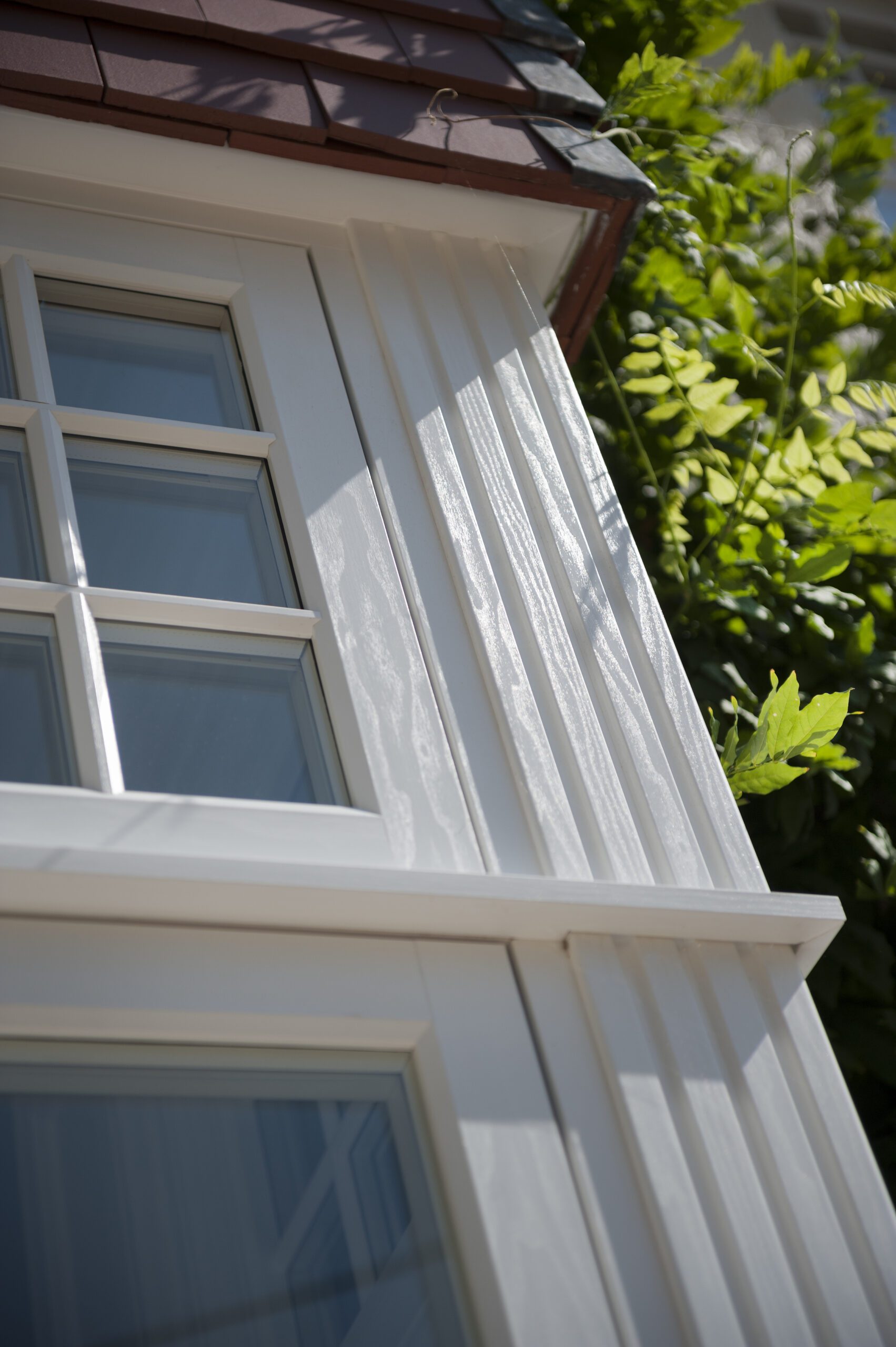
As more homeowners choose aluminium and Residence uPVC for performance reasons on period properties, demand for finishes that genuinely resemble painted or stained timber, rather than a flat, uniform colour, has grown steadily. This is covered in detail in our woodgrain finishes guide, but the underlying driver, wanting low maintenance without losing traditional character, is a durable one rather than a passing trend.
Very bright or saturated accent colours on full window runs, rather than a single feature door, tend to date faster than neutral palettes and are harder to resell a property against, since buyer taste in bold colour is far more variable than taste in grey, black or heritage green. If you want to express a bolder colour choice, an entrance door is a lower-risk place to do it than the whole window run, since a door can be recoated or replaced far more cheaply than a full set of frames.
Next step
We design, specify and install across Cumbria, the Lake District and the wider North. Send drawings, photographs or simply a description of the building and we will tell you what is possible and what it should cost.
Explore from here
Save anything you are drawn to. It gathers in My Inspiration and travels with your enquiry as a design brief.
Questions
If your question isn’t here, we would rather talk it through properly than guess.
Book a Design ConsultationVisit the Knowledge CentreKeep reading
Flagship guide · 11 min read
Frame colour is the single decision that does more to a house's character than almost any other, and it is one of the hardest to reverse once glazing is installed.
Colours & Finishes · 3 min read
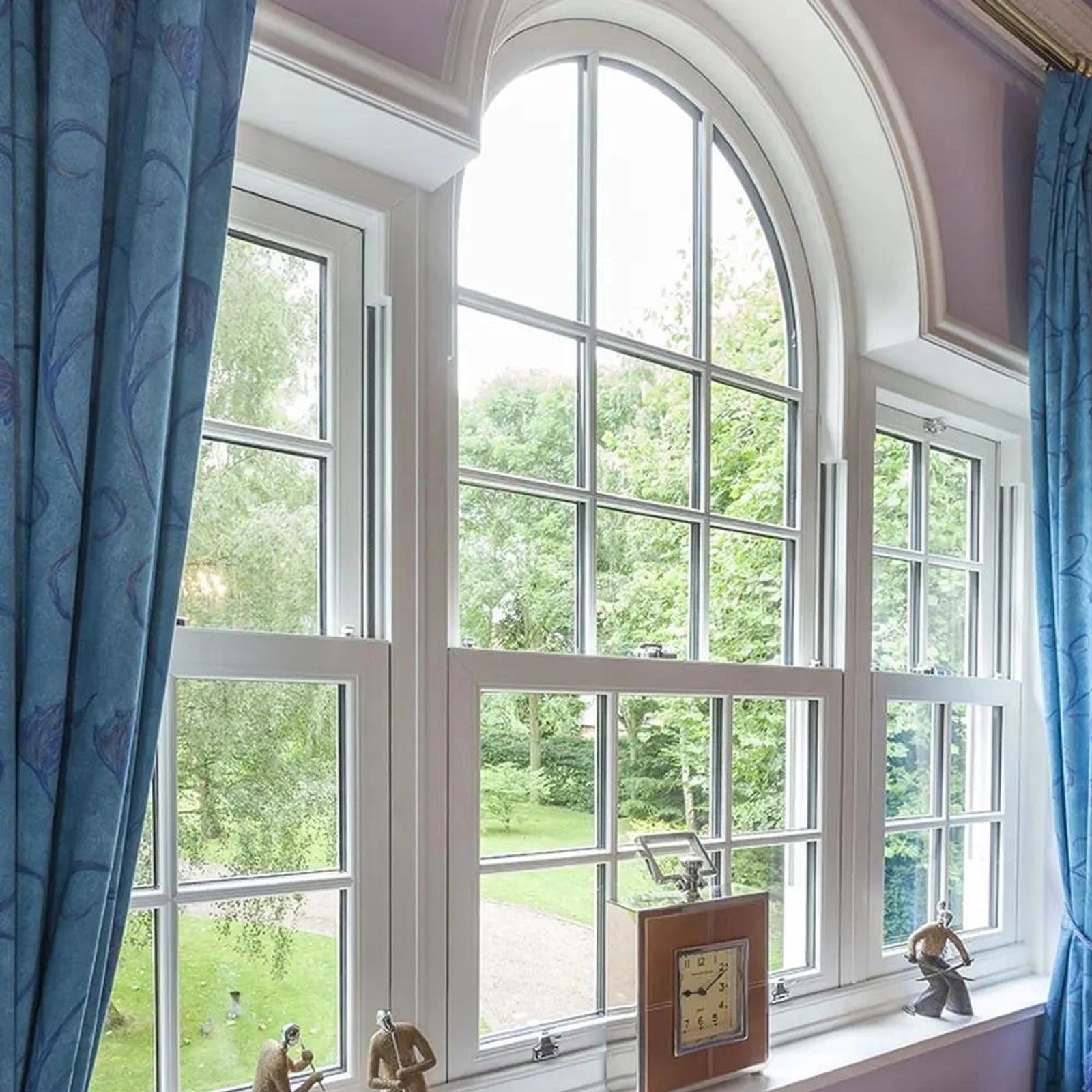
Woodgrain finishes let a period property keep the visual warmth of timber joinery while gaining the performance and maintenance profile of aluminium or Residence uPVC.
Colours & Finishes · 3 min read
A small handful of RAL codes account for the great majority of window and door orders. Here is what they are, and why each keeps being chosen.
Colours & Finishes · 3 min read
Internal frame colour behaves more like an interior finish than an architectural one, and is worth treating with the same care as skirting, doors and trim.
Build your own collection of expert advice as you plan your project.
Wondering how this applies to your own home?
Share a photograph and we’ll turn this guidance into recommendations for your property.
Ready to understand the likely investment?
Start your personalised Project Investment Guide and see comparable completed projects.
Begin
Bring us your drawings, your site photographs or simply an idea. We will tell you what is possible, what it should cost and how long it will take.