
Flagship guide · 11 min read
Choosing the Right Window Colour: A Complete Guide
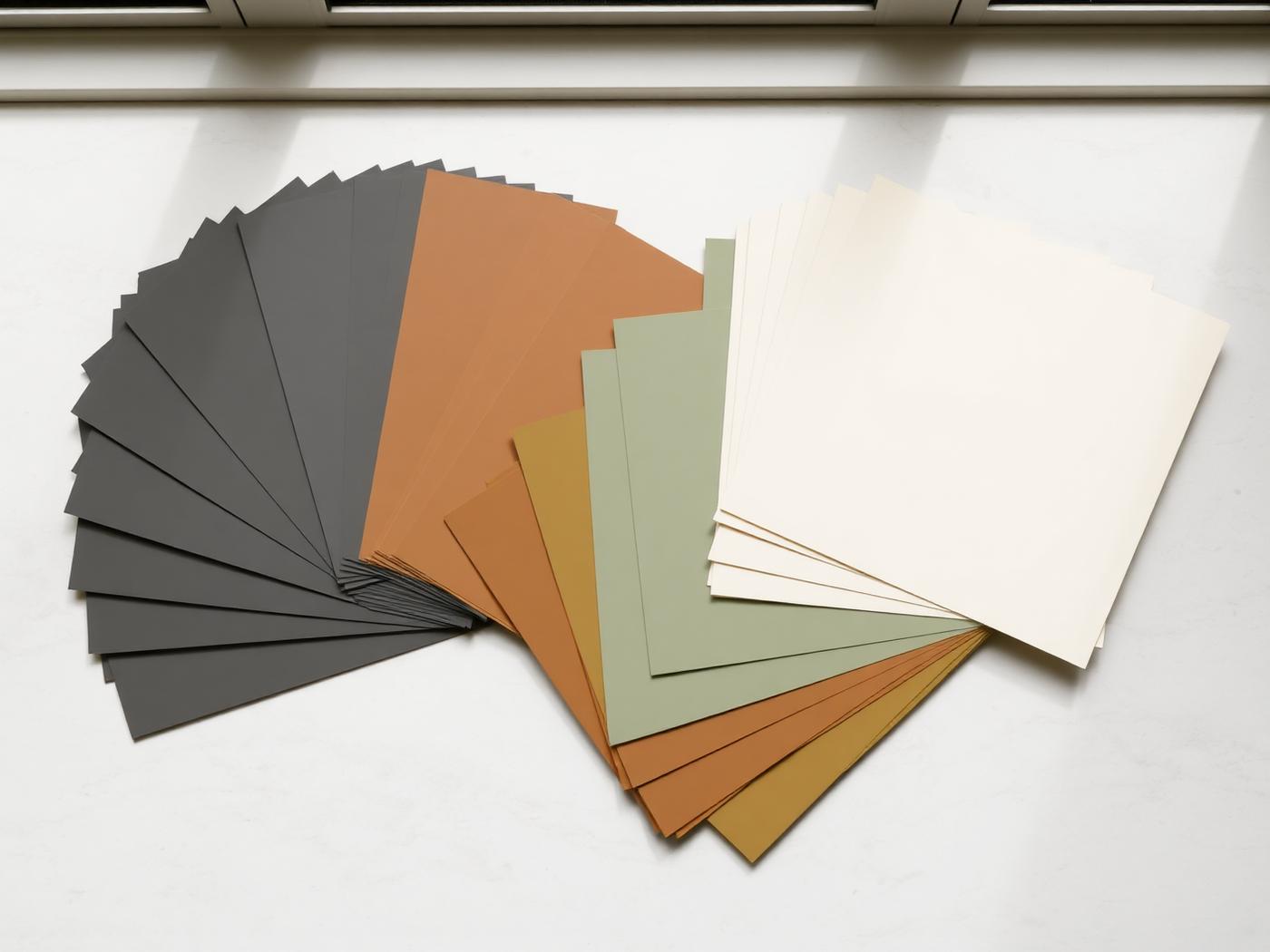
Frame colour is the single decision that does more to a house's character than almost any other, and it is one of the hardest to reverse once glazing is installed.
Collections
Specification
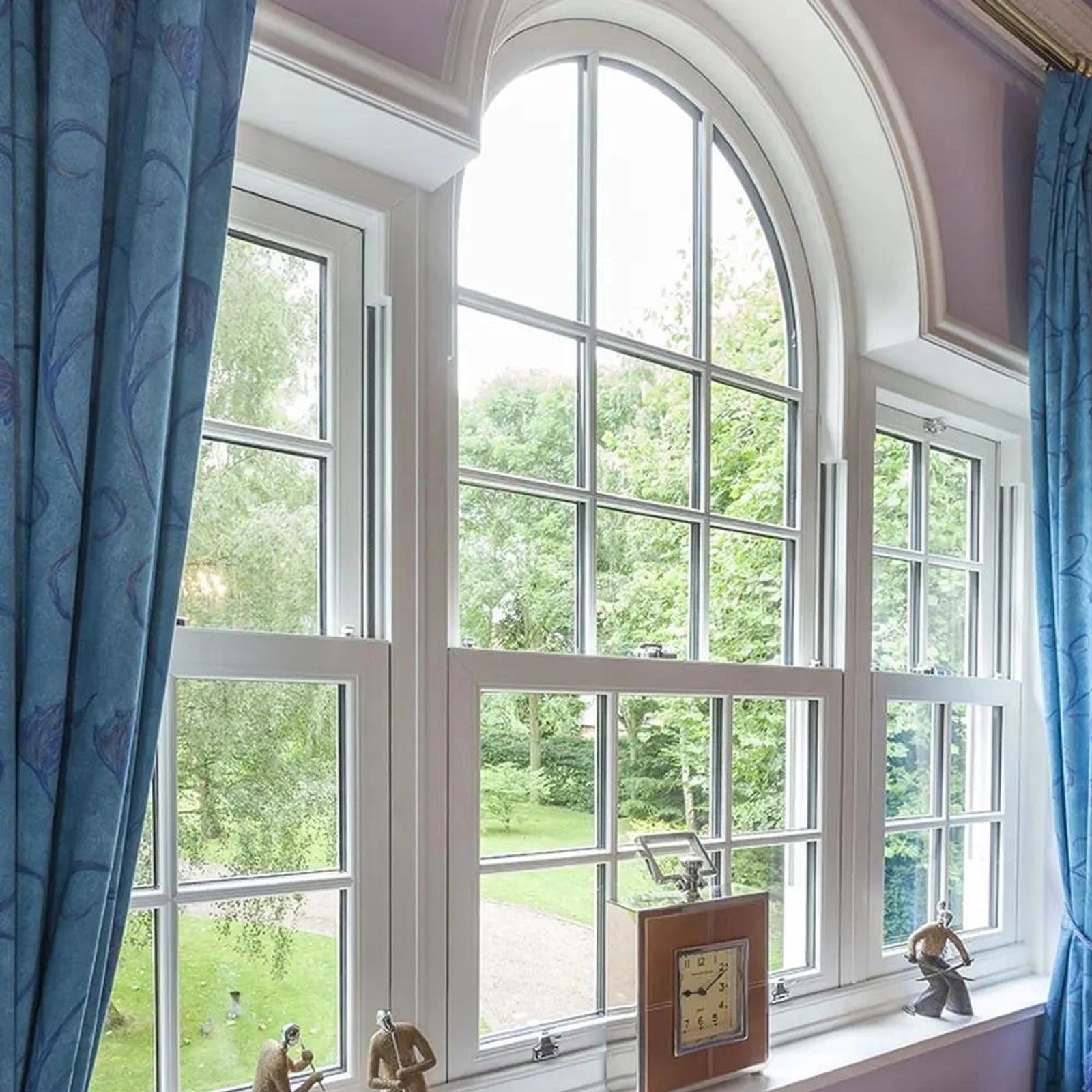
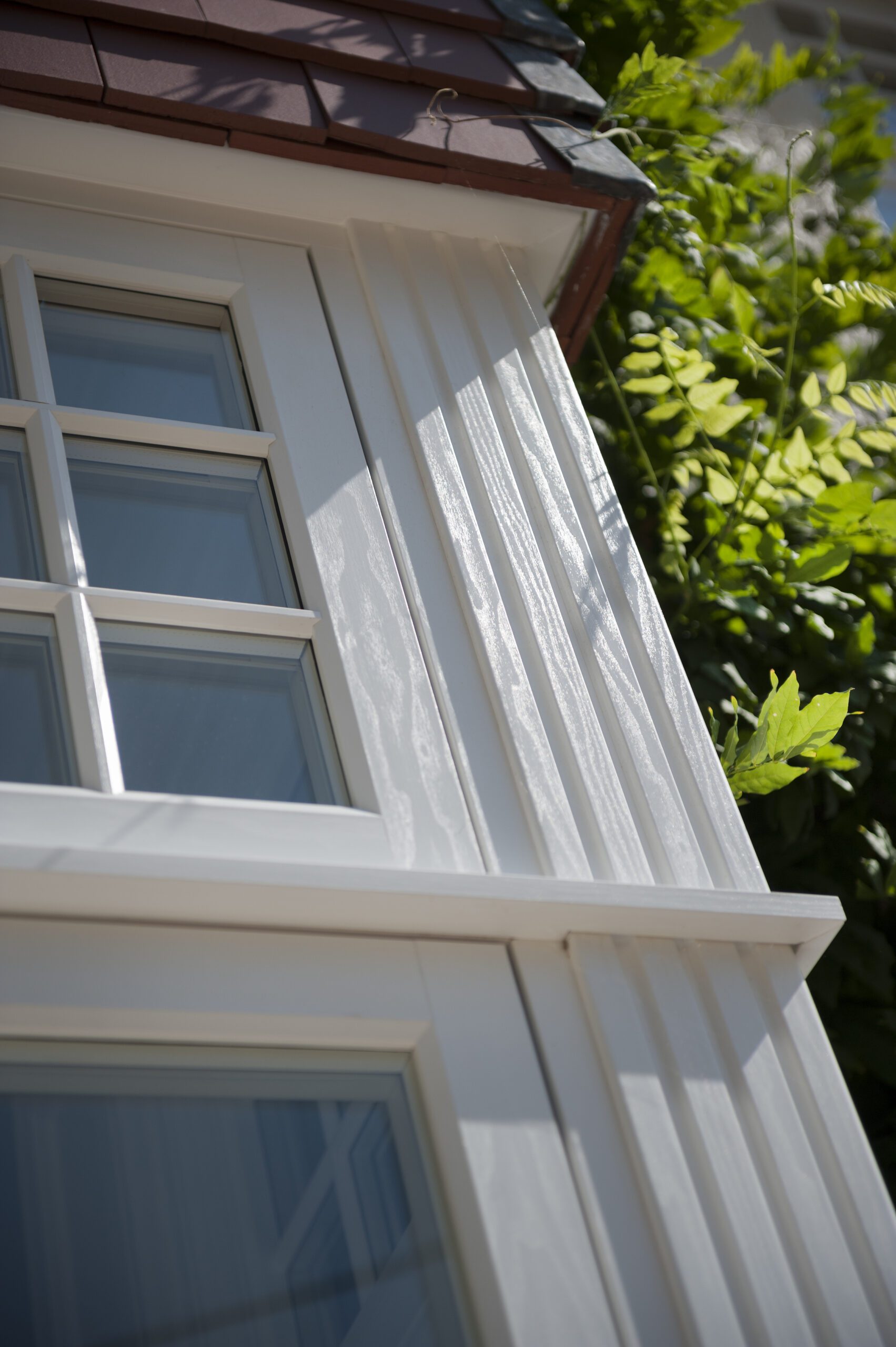
Woodgrain finishes let a period property keep the visual warmth of timber joinery while gaining the performance and maintenance profile of aluminium or Residence uPVC.
Written by Windows in the Lakes · A trading name of Home Glazing Ltd
Genuine timber windows have a warmth and depth of finish that many homeowners on period properties are reluctant to give up, even when the maintenance burden, regular repainting, sealant checks, risk of rot, becomes impractical. Woodgrain finishes were developed to close that gap: a foil or textured coating applied over an aluminium or Residence uPVC frame that replicates the grain, colour and depth of stained or painted timber at typical viewing distance.
This guide explains how the finishes are made, which are most requested, and where they are and are not a convincing substitute for real timber.
Two methods dominate. Foil lamination applies a printed, textured film to the frame profile, giving a convincing grain pattern and colour that is durable and UV-stable when produced to a good specification. The second method, used on some aluminium systems, is a textured powder coat with a grain-effect embossing, which gives more of a tactile timber feel than a purely printed foil, closer in spirit to a stained finish than a painted one.
| Finish | Character | Typical setting |
|---|---|---|
| Golden Oak | Warm, honey-coloured grain | Traditional cottages, farmhouses, oak-framed extensions |
| Irish Oak | Slightly deeper, more textured grain than Golden Oak | Period properties wanting a richer timber tone |
| Rosewood | Deep red-brown, formal character | Georgian and Victorian townhouses |
| Walnut | Dark, cool-toned brown | Contemporary properties wanting warmth without a rustic look |
| Anthracite Grain | Grey base with a subtle timber texture | Modern extensions on period homes wanting continuity without full woodgrain colour |
At street viewing distance, a good quality foil is genuinely difficult to distinguish from painted or stained timber, particularly in mid to dark tones such as Irish Oak or Walnut. Close up, on a handled surface such as a door handle surround or a low-level cill that gets touched often, the difference becomes more apparent over time, as foils can show wear at edges and corners before a comparable painted timber surface would.
Woodgrain finishes are most convincing on window frames viewed from a normal distance, and slightly less convincing on entrance doors, which are handled and viewed up close daily. If a woodgrain entrance door is part of the specification, ask to see a sample that has been in service for several years, not just a new one, to judge how it wears.
| Consideration | Woodgrain finish | Solid timber |
|---|---|---|
| Maintenance | Occasional cleaning only | Repainting or restaining every 3-7 years |
| Lifespan | 20-25 years typical | Variable, dependent on maintenance regime |
| Thermal performance | Matches the base aluminium or uPVC system | Good, but generally behind modern aluminium systems |
| Cost | Modest premium over standard colour finishes | Usually higher upfront, plus ongoing maintenance cost |
| Authenticity for listed buildings | Acceptable in many cases, confirm with conservation officer | Often specifically required by conservation officers |
Next step
We design, specify and install across Cumbria, the Lake District and the wider North. Send drawings, photographs or simply a description of the building and we will tell you what is possible and what it should cost.
Explore from here
Save anything you are drawn to. It gathers in My Inspiration and travels with your enquiry as a design brief.
Questions
If your question isn’t here, we would rather talk it through properly than guess.
Book a Design ConsultationVisit the Knowledge CentreKeep reading
Flagship guide · 11 min read
Frame colour is the single decision that does more to a house's character than almost any other, and it is one of the hardest to reverse once glazing is installed.
Colours & Finishes · 3 min read
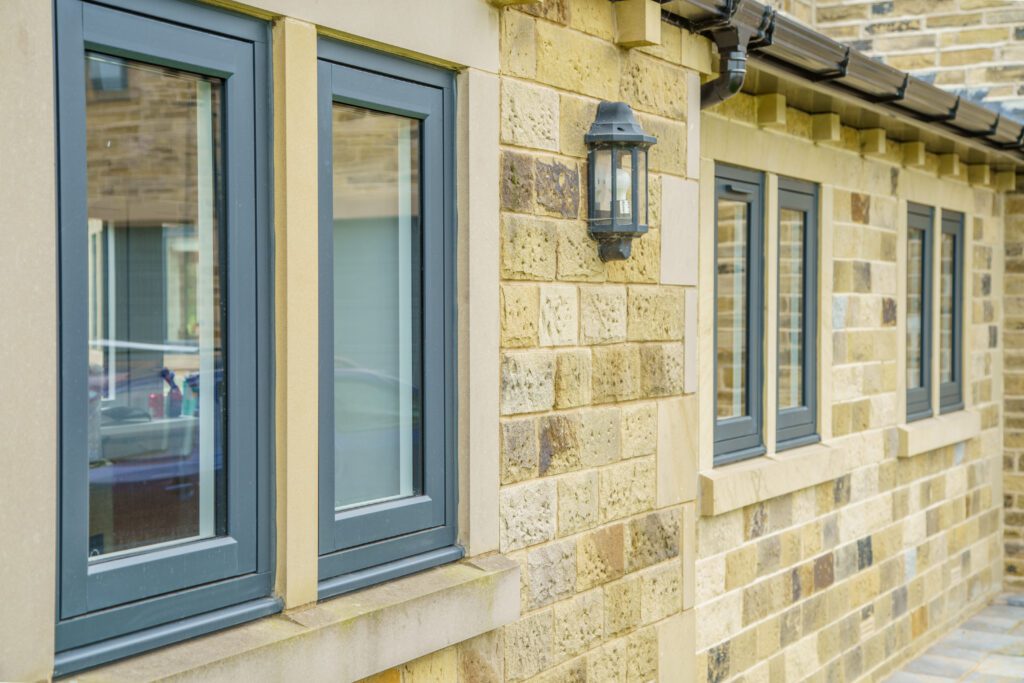
Some frame colour trends fade within a few years. Others quietly become the new default. Here is how to tell the difference before you commit for the next twenty years.
Colours & Finishes · 3 min read
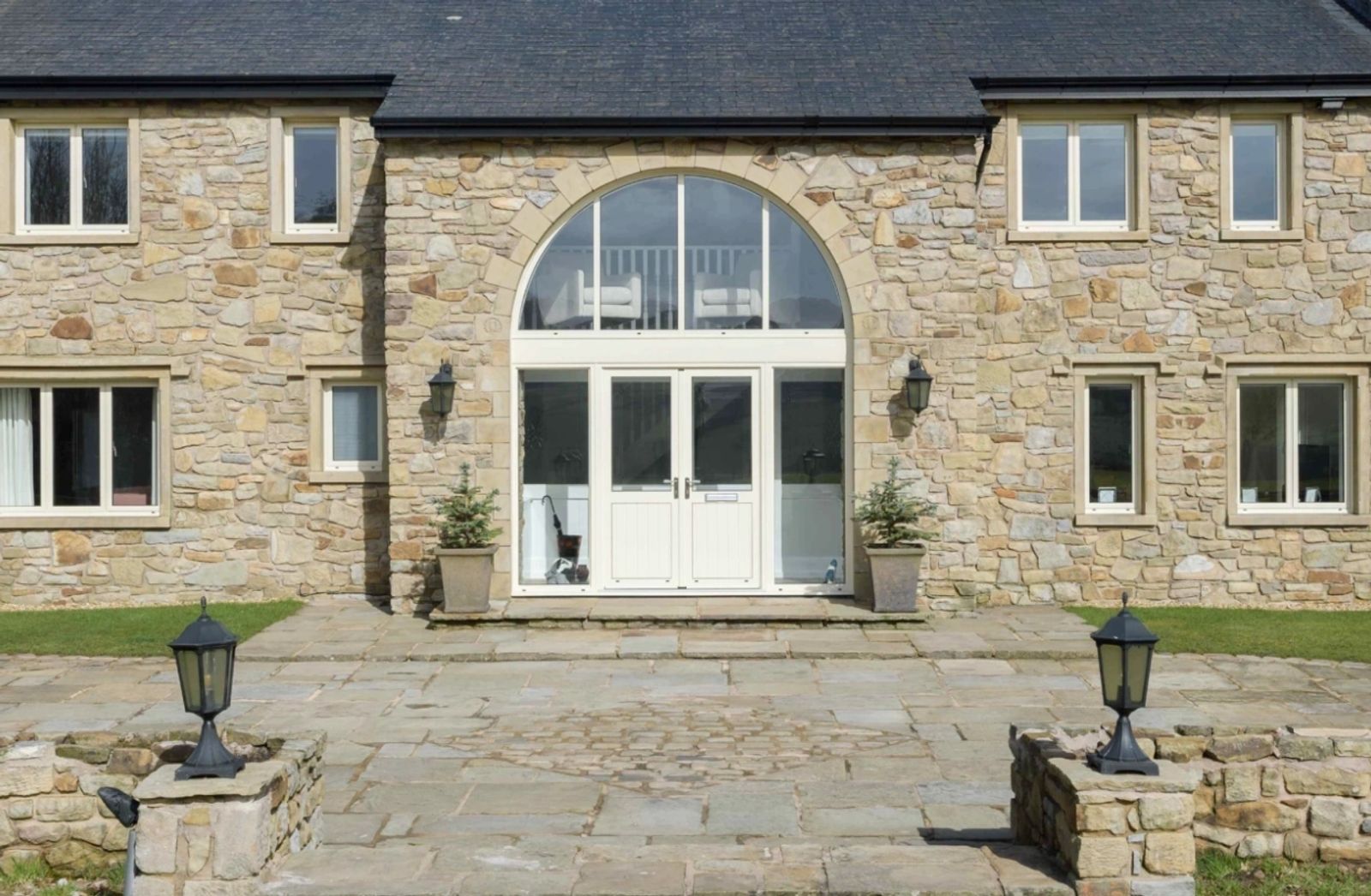
Cumbria's stone varies more than people expect, from cool blue-grey slate-stone to warm sandstone, and each responds differently to frame colour.
Colours & Finishes · 3 min read
Internal frame colour behaves more like an interior finish than an architectural one, and is worth treating with the same care as skirting, doors and trim.
Build your own collection of expert advice as you plan your project.
Wondering how this applies to your own home?
Share a photograph and we’ll turn this guidance into recommendations for your property.
Ready to understand the likely investment?
Start your personalised Project Investment Guide and see comparable completed projects.
Begin
Bring us your drawings, your site photographs or simply an idea. We will tell you what is possible, what it should cost and how long it will take.