10% off your windows & doorsOrder and pay your deposit by 11th December 2026

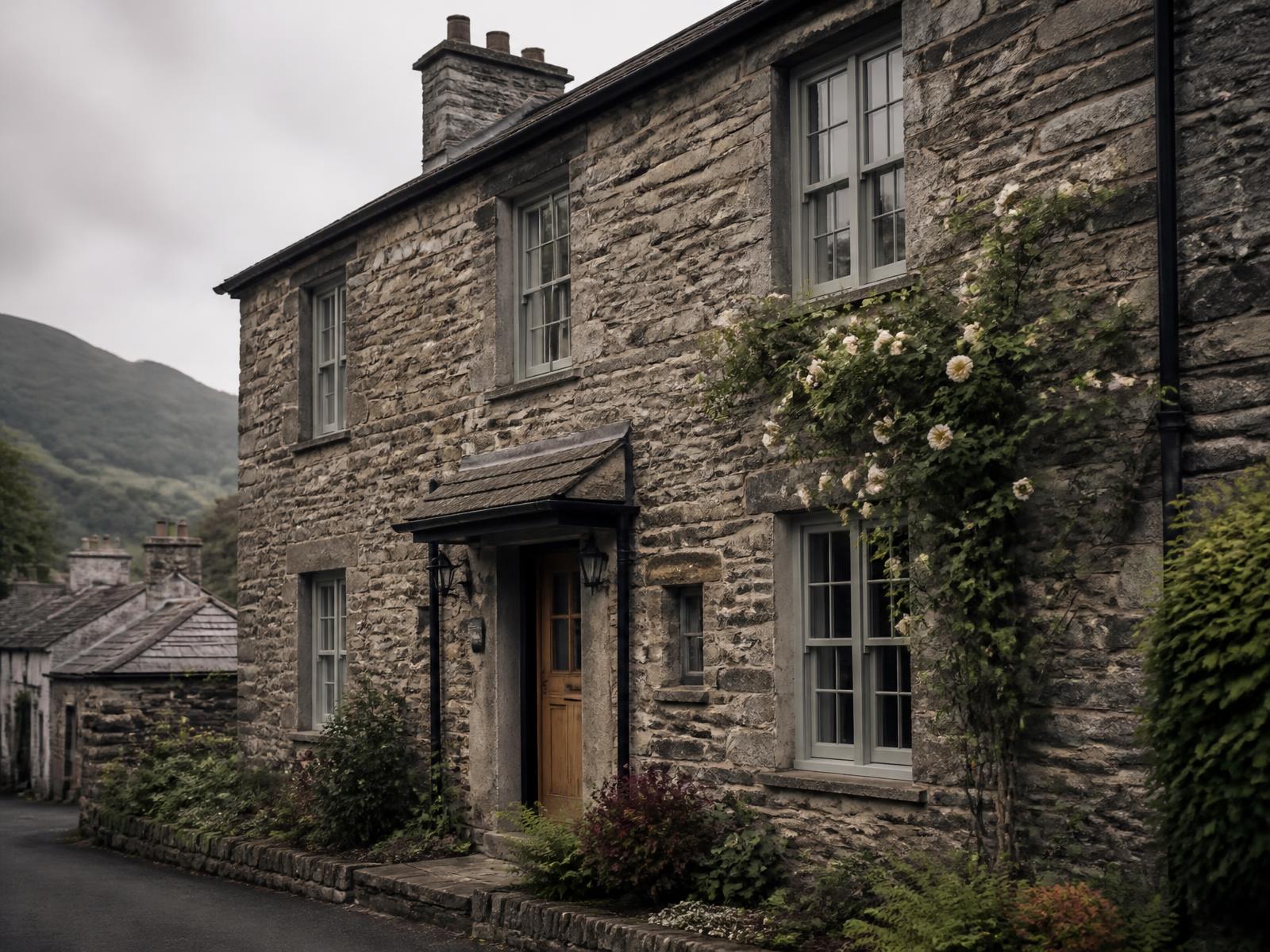
Traditional stone cottage with sash windows and a slate porch in a Lakeland village

Buying Guides

Replacing Sash Windows in Cumbria and Lancashire: A Practical Guide

A replacement sash should feel like part of the house, not a different window squeezed into the same opening. Start with the condition of what is there, then work through proportions, details and permissions before selecting a finish.

6 min read

Written by , Founder, Windows in the Lakes ·

Short answer

In short: repair or refurbish old sash windows when the timber is sound and faults are local; consider replacement when decay or repeated failures make repairs impractical. A good replacement keeps the original proportions, horns, meeting rail and glazing bar pattern. Check the planning position with your local planning authority before choosing a system.

This guide is for period and stone homes across Cumbria and Lancashire, including Penrith, Kendal, Carlisle, Appleby, Egremont and Lancaster. It explains how to compare repair with replacement and how our Heritage Sash Collection fits into that decision without treating every older house as the same brief.

Why sash windows matter on Cumbrian and Lancashire period homes

Georgian and Victorian townhouses in Penrith, Kendal, Carlisle, Appleby and Lancaster often depend on tall windows and a repeated rhythm across the frontage. The meeting rail and pane pattern are part of that rhythm. A side-hung casement may fit the opening, but it changes the way the elevation reads. That is why the first question is not simply which window is newest or easiest to order.

Lakeland cottages and farmhouses need a closer look at the individual building. Some suit a sash; others were designed around casements. Record the existing openings, deep reveals and stone cills, and look for original windows or old photographs before deciding. The right replacement follows the house rather than adding period details it never had.

Repair, refurbish or replace?

A sticking sash, failed seal or tired finish does not automatically mean the whole window is beyond use. Sound timber with a local fault may be suitable for repair, while refurbishment can address finish and operation. Widespread decay, distortion or repeated failures across several windows give a stronger reason to compare replacement. Ask what is failing and whether that fault can be dealt with on its own.

Our repair-or-replace-windows guide sets out that decision in more detail. For an original window on a listed building, establish the conservation position before removing anything: repair may be the expected approach. Compare the condition of sheltered and exposed elevations too. You may find that a phased plan is more appropriate than replacing every sash at once.

Replacement options: the Heritage Sash Collection

Our Heritage Sash Collection offers timber-look uPVC vertical sliding sash windows, with concealed spiral balances rather than traditional cords and weights. Both sashes slide vertically and can tilt inward for cleaning. The collection includes mechanically jointed frames, a deep bottom rail, a slim meeting rail, run-through horns and Georgian or astragal bar options. It is a modern replacement system with heritage detailing, not a claim to be original timber joinery.

Where the house has wide, low openings or an original casement arrangement, the Timber Look Collection may be a better fit. Where a listed building requires retained timber or a particular construction, discuss that requirement with the conservation officer first. Do not assume a timber-look finish alone settles the material question or makes a replacement acceptable.

Getting the details right

Compare the overall frame and visible glass proportions, the position of the meeting rail and the bottom rail depth. Horns should follow the original design rather than being added simply because they look traditional. Check the sightlines from outside as well as the view from inside: a thicker frame can make a familiar opening feel smaller even if its outer dimensions stay the same.

Our astragal-bars-vs-georgian-bars guide explains applied bars on the glass faces versus bars inside the sealed unit. Match the original pane pattern where it is known, and keep it consistent across an elevation. Heritage creams and greens can sit well against stone, but compare the available finish with the actual walls and roof. Record the colour, jointing, bar pattern and hardware for any later phase.

Comfort and day-to-day use

Draughts can come from worn seals, poor adjustment or the junction between the frame and the wall. New glass alone will not resolve all of those routes. A replacement brief should consider the complete window and how it is fitted, alongside the glass specification. Double glazing can improve comfort compared with original single glazing, but the result still depends on the frame, seals and condition of the surrounding opening.

The Heritage Sash Collection offers inward-tilting sashes for cleaning the outer glass from inside. Discuss access, locks, restrictors and how each room will be ventilated when choosing the specification. Ask to understand the opening and cleaning operation, rather than judging only from a photograph. Frames, balance channels and hardware still need routine care; low maintenance does not mean no maintenance.

Planning: conservation areas, listed buildings and National Parks

Check whether the house is listed, in a conservation area, within the Lake District or Yorkshire Dales National Park, or affected by an Article 4 direction. Requirements can differ between properties on the same street. Changes to material, opening style, glazing bars and proportions may matter even where the opening itself stays unchanged. Your local planning authority decides the position for the property; a product name is not an approval.

Listed building consent is separate from planning permission, and replacement or alterations may need consent. Speak to the conservation officer before settling a design. Building Regulations can also apply to replacement windows, including ventilation, safety and energy performance. Check with building control for your project. Our Planning & Conservation Centre and listed-building-guidance guide explain the questions to ask without replacing advice from the relevant authority.

Budget: an indicative renovation guide

As an indicative guide only, a stone cottage window renovation we work on typically falls in the region of £14k–£22k. This is a renovation glazing range, not a price for one sash or a promise that every cottage costs the same. The number and size of openings, glass, bar pattern, colour, hardware and installation access all affect the proposal.

If the work will happen in stages, settle the intended specification at the start so later windows belong with the first phase. Compare repair and replacement against the actual condition of the windows, not this indicative range alone. Rough sizes and photographs can start the pricing conversation; manufacturing dimensions come from the detailed survey after order.

Indicative stone cottage renovation glazing budget
£14k–£22k, indicative only

How we can help

Windows in the Lakes is based in Appleby-in-Westmorland and works across Cumbria, Lancashire and Yorkshire. Send rough sizes, photographs or plans through Get a project price and tell us which elevations concern you. A design consultation can work through proportions, materials and details before you choose. Photos and plans help, but are not required to start.

Include what you know about the property’s planning status and whether you want to retain the current bar pattern. We can discuss the Heritage Sash and Timber Look options honestly against the building. Once the specification and quotation are agreed and the order is placed, the detailed survey confirms the openings and details before manufacture.

Sources and further reading

Regulatory and technical points in this guide should be checked against the current published guidance below, and against the specific circumstances of your property.

Guidance last reviewed 25 November 2026 by Windows in the Lakes

Next step

Planning something like this? Send us rough sizes or plans for a price.

How should we reply? *

An email address or a telephone number — whichever you prefer.

Christmas offer: 10% off when you order and pay your deposit by 11 December 2026.

Or send us your plans on WhatsApp

No obligation, and nothing needs to be finalised. A detailed survey only takes place after order and before manufacture.

Prefer to call?

01768 254554

Free, no-obligation quotation. The detailed survey follows order, before manufacture.

5.0 from 7 Google reviews
  • “Tom was so helpful in advising us on what was best for us.”

    Paul Craddock · Google review
  • “Excellent products & service. Would highly recommend.”

    Harry Dickie · Google review

Want our guides to show up first when you search? Add Windows in the Lakes as a preferred source on Google.

2027 Brochure

The 2027 Brochure

32 pages: projects, collections, planning guide, colours

Get the brochure

Next step

Considering sash windows for your own project?

We design, specify and install across Cumbria, the Lake District and the wider North. Send drawings, photographs or simply a description of the building and we will tell you what is possible and what it should cost.

Explore from here

Everything this guide touches

Save anything you are drawn to. It gathers in My Inspiration and travels with your enquiry as a design brief.

Questions

About this subject

If your question isn’t here, we would rather talk it through properly than guess.

Get a project priceVisit the Knowledge Centre

Keep reading

Related guides

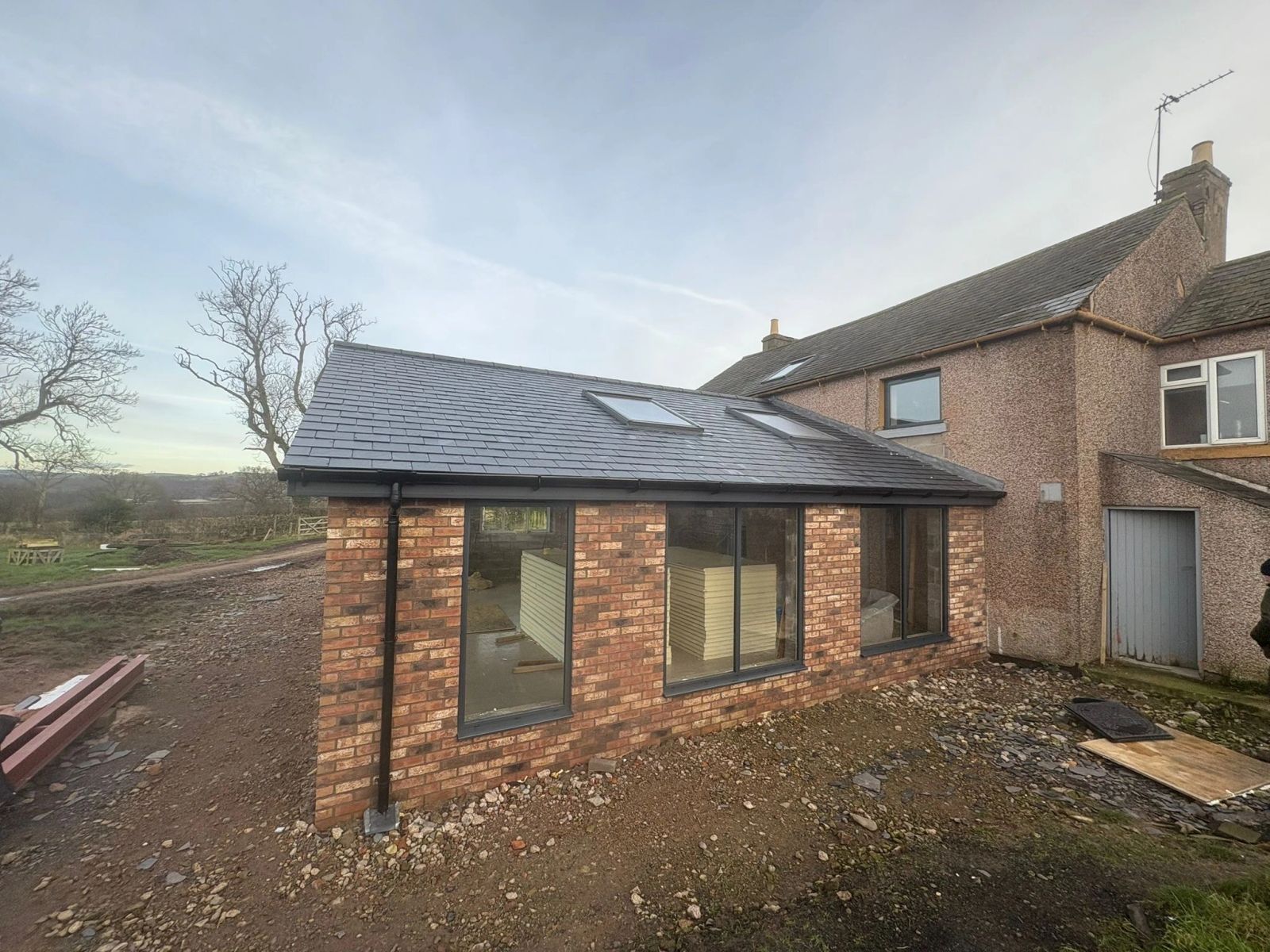
New brick single-storey extension with grey aluminium windows and sliding doors beside a farmhouse

Product Comparisons · 5 min read

Heritage Casement vs Sliding Sash Windows

The right choice usually follows the house's original window pattern: sliding sash for Georgian and Victorian town houses, heritage casement for cottages and farmhouses that never had sashes.
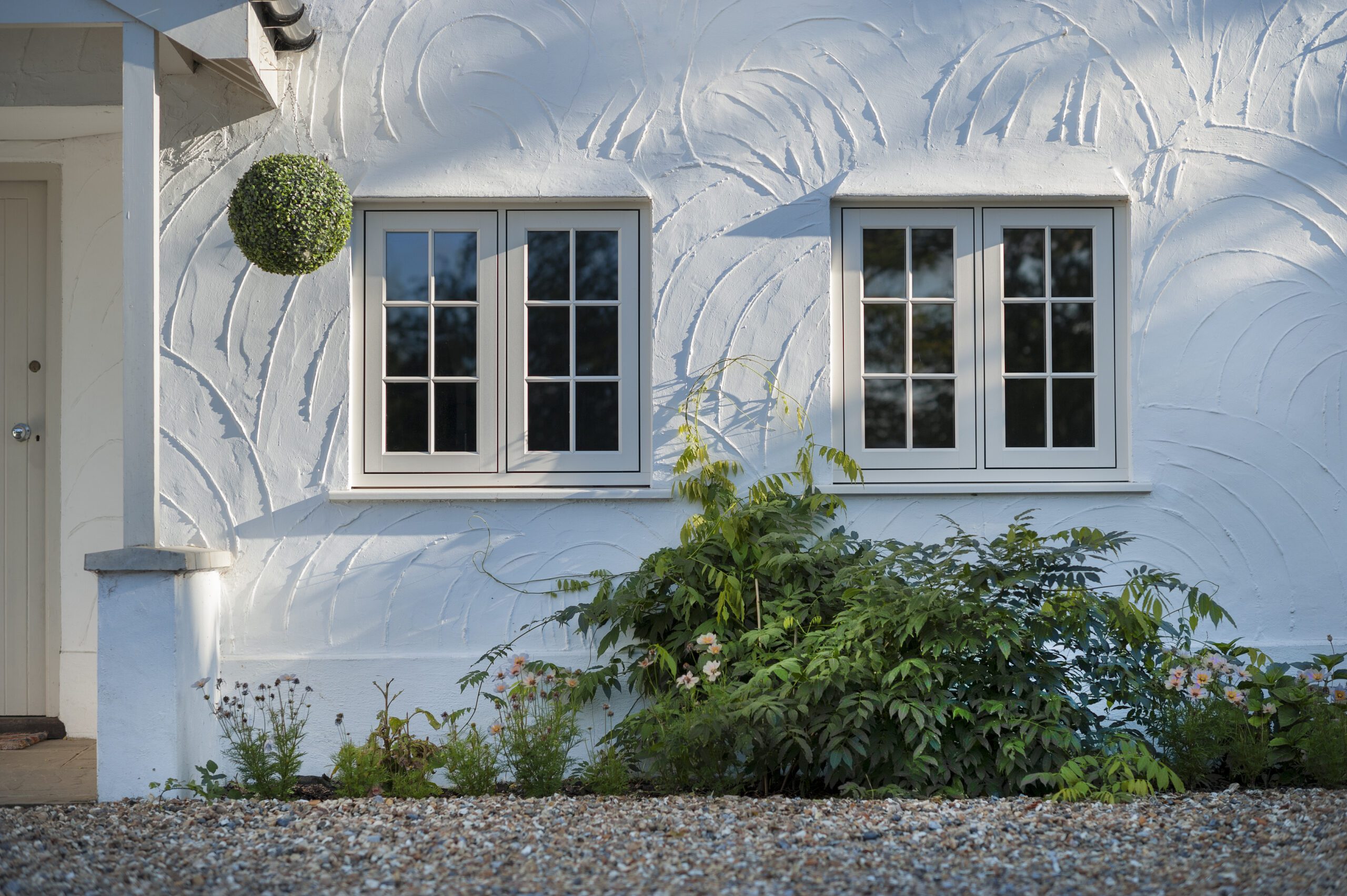
Traditional stone cottage with sash windows and a slate porch in a Lakeland village

Technical Advice · 6 min read

Astragal Bars vs Georgian Bars: Window Glazing Bars Explained

Glazing bars are a small detail that changes how a whole elevation reads. Choosing between Georgian bars, astragal bars and true divided panes is mostly about how the window will look from the street, how close people get to it and what the house was built with.

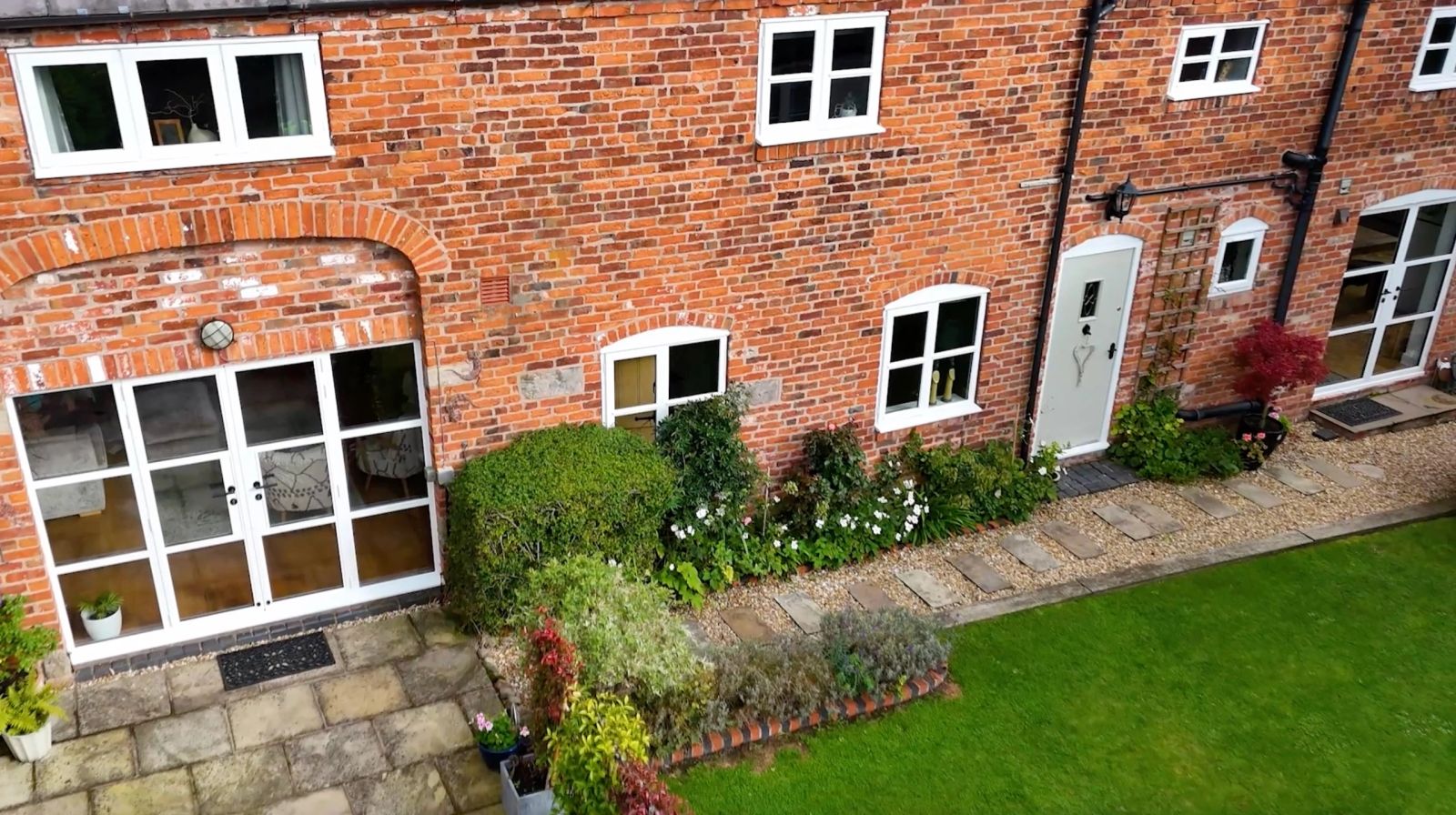
White heritage-style windows and doors with glazing bars along a red-brick terrace

Buying Guides · 4 min read

Windows for Georgian and Georgian-Style Homes

Georgian architecture is built on strict proportion and repetition. A window that gets the pane layout or sightline wrong is more visible on a Georgian facade than almost any other style.

Found this guide helpful?

Build your own collection of expert advice as you plan your project.

Wondering how this applies to your own home?

Share a photograph and we’ll turn this guidance into recommendations for your property.

Discover Your Home

Ready to understand the likely investment?

Start your personalised Project Investment Guide and see comparable completed projects.

Plan Your Project Investment

Begin

Let’s design something exceptional.

A single window, a new pair of sliding doors or a whole house — bring us your drawings, photographs or simply an idea. We will tell you what is possible, what it should cost and how long it will take.

Rough sizes or a short description are enough. Free, no-obligation quotation.

5.0 from 7 Google reviews
  • “Tom was so helpful in advising us on what was best for us.”

    Paul Craddock · Google review
  • “Excellent products & service. Would highly recommend.”

    Harry Dickie · Google review
  • “From start to finish (initial phone enquiry - to job completion) the process was seamless.”

    Jeff Evans · Google review