
Glass Advice · 3 min read
Solar Control Glass Explained
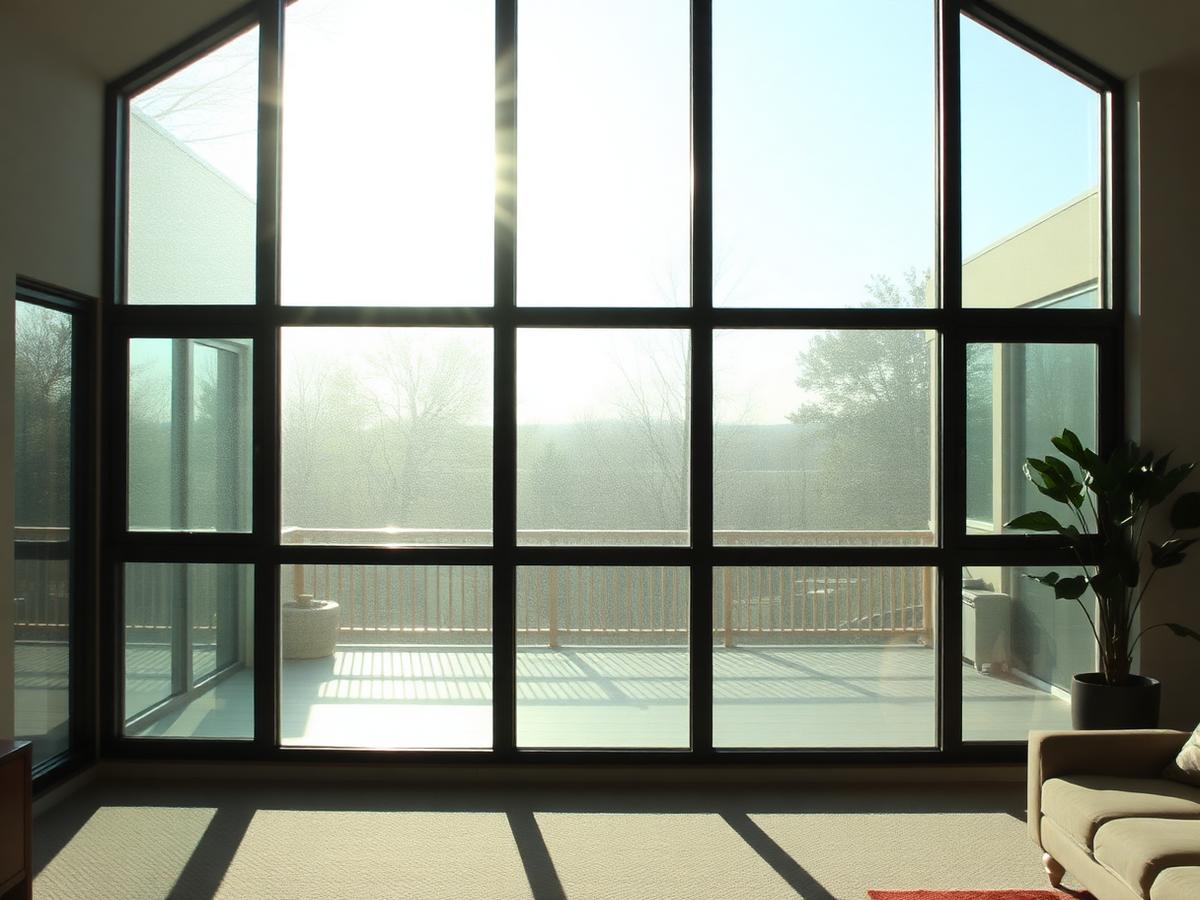
Large glazed openings on sunny elevations can overheat rooms even in a cool climate. Solar control glass is the usual solution.
Collections
Specification
Deal with the sun before it reaches the glass, specify solar control glass where you cannot, and give the room a real way to purge heat. Blinds alone are a poor substitute for all three.
Written by Windows in the Lakes · A trading name of Home Glazing Ltd · Last reviewed 21 September 2026
In short: overheating is solved in layers — orientation and shading first, glass specification second, ventilation third. Retrofitting any of them after the room is built is harder and less effective than designing them in.
Two numbers matter. The U-value describes heat loss; the g-value describes how much solar energy the glass lets through. A low g-value reduces overheating but also reduces useful winter warmth, so the right choice depends on the orientation of each elevation rather than one specification everywhere.
| Elevation | Typical approach |
|---|---|
| South | Solar control glass and external shading |
| West | Solar control glass — low evening sun is hard to shade |
| North | Clear, high-clarity glass; solar control rarely needed |
| Roof | Solar control as standard on any significant area |
Regulatory and technical points in this guide should be checked against the current published guidance below, and against the specific circumstances of your property.
Guidance last reviewed 21 September 2026 by Windows in the Lakes
Next step
We design, specify and install across Cumbria, the Lake District and the wider North. Send drawings, photographs or simply a description of the building and we will tell you what is possible and what it should cost.
Explore from here
Save anything you are drawn to. It gathers in My Inspiration and travels with your enquiry as a design brief.
Solar ControlQuestions
If your question isn’t here, we would rather talk it through properly than guess.
Book a Design ConsultationVisit the Knowledge CentreKeep reading
Glass Advice · 3 min read
Large glazed openings on sunny elevations can overheat rooms even in a cool climate. Solar control glass is the usual solution.
Glass Advice · 3 min read
Specify for summer, enjoy it in winter. A south elevation is the best orientation for a glazed room and the one most likely to become uncomfortable without a solar strategy.

Design Inspiration · 3 min read
There is too much glazing when the room needs blinds to be usable, when there is nowhere to put furniture, or when comfort depends on constantly running heating or cooling.
Buying Guides · 4 min read
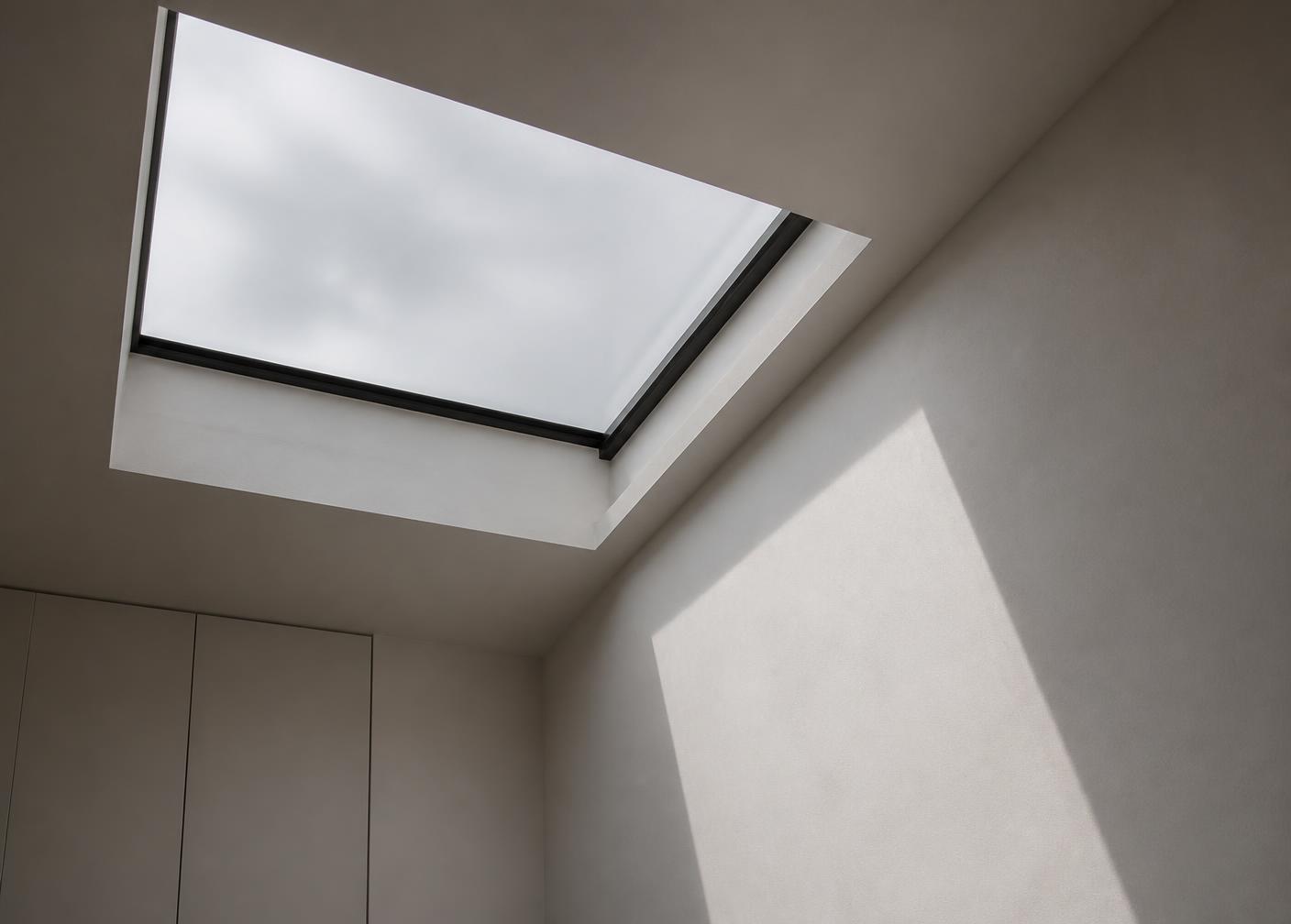
How to think about rooflights before you order one: type, placement, glass, ventilation and realistic costs, written as impartial advice.
Build your own collection of expert advice as you plan your project.
Wondering how this applies to your own home?
Share a photograph and we’ll turn this guidance into recommendations for your property.
Ready to understand the likely investment?
Start your personalised Project Investment Guide and see comparable completed projects.
Begin
Bring us your drawings, your site photographs or simply an idea. We will tell you what is possible, what it should cost and how long it will take.