
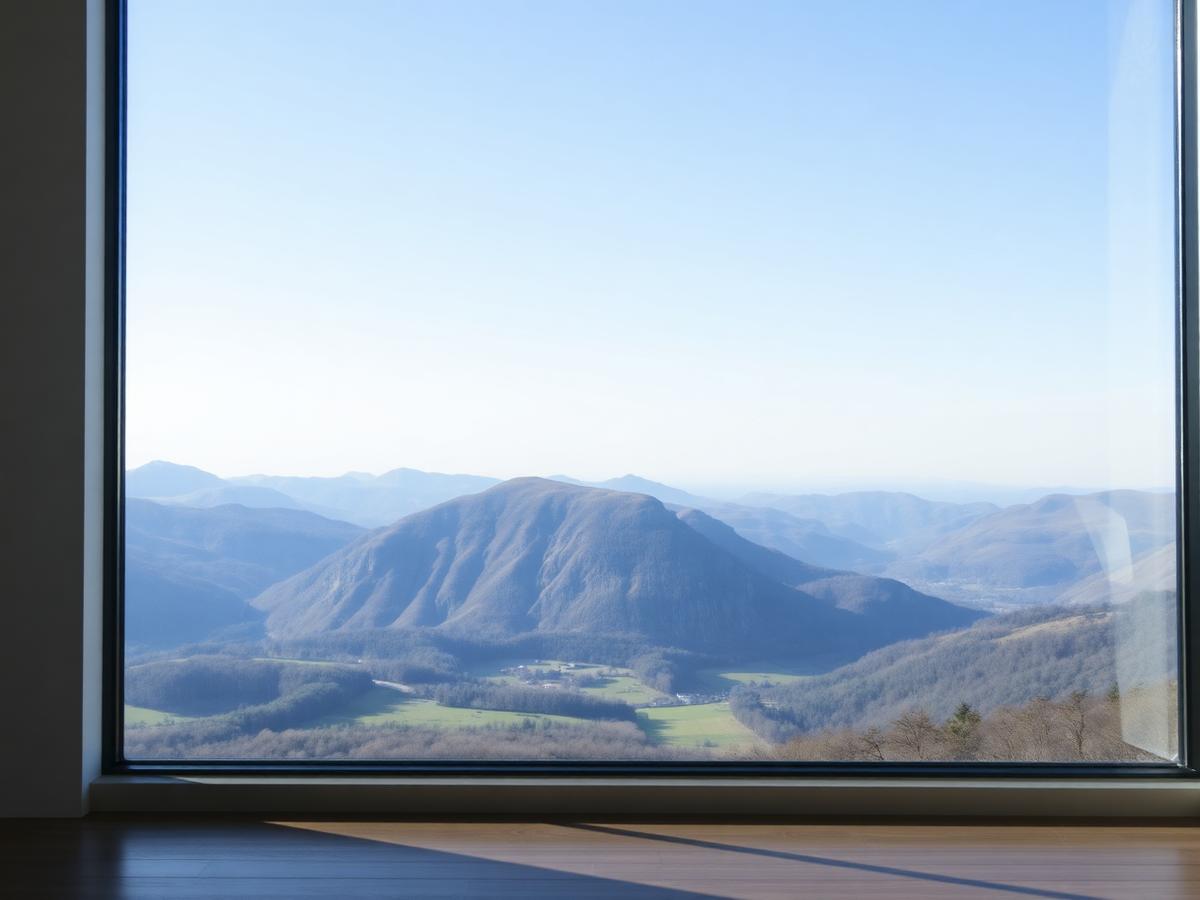
Flagship guide · 11 min read
The Complete Guide to Glass Specification
The frame gets most of the attention, but the glass does most of the work. This is our full guide to choosing it properly.
Collections
Specification
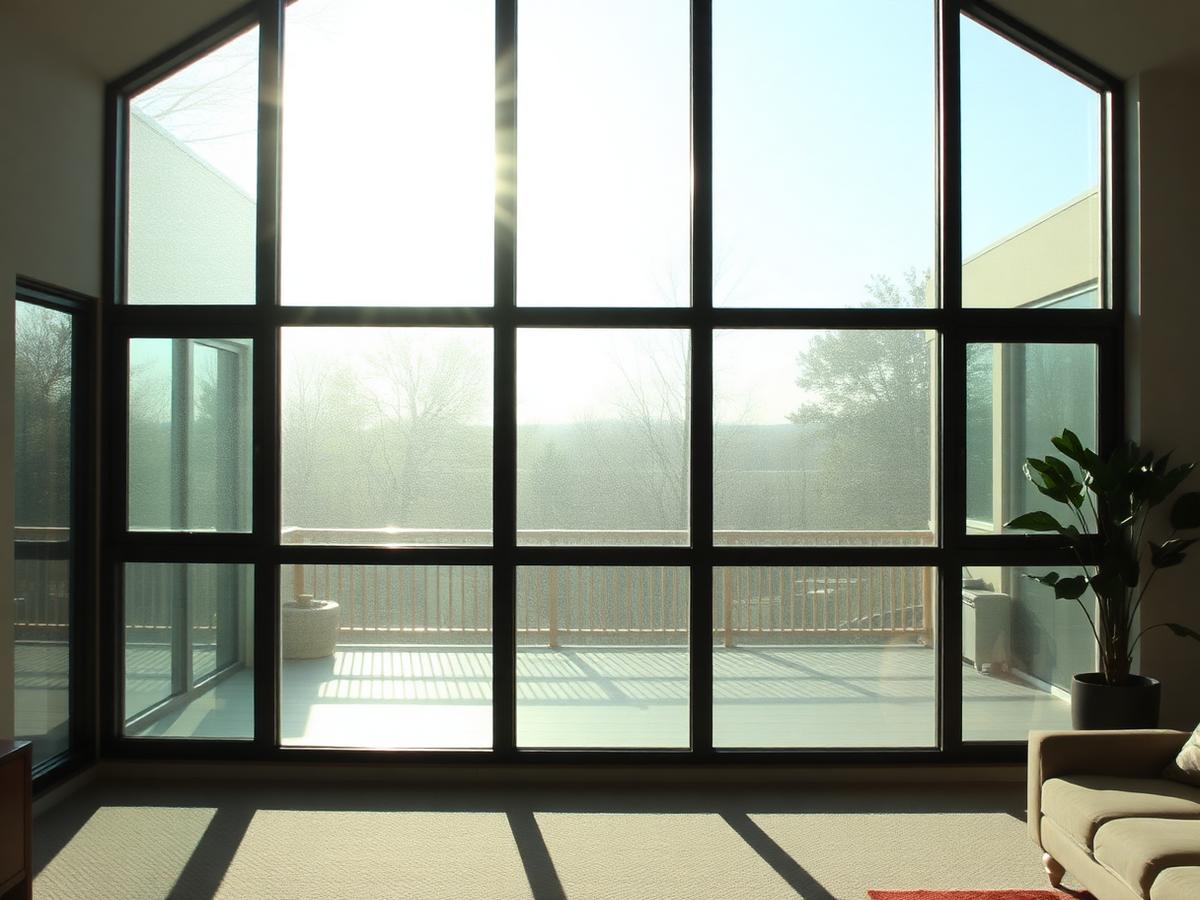
Large glazed openings on sunny elevations can overheat rooms even in a cool climate. Solar control glass is the usual solution.
Written by Windows in the Lakes · A trading name of Home Glazing Ltd
As glazed areas have grown — bifold and sliding doors spanning several metres are now common on garden elevations — overheating has become a more frequent complaint than heat loss on those same rooms. Solar control glass is the direct answer, reducing the amount of solar energy that passes through the glass as heat while keeping the room bright.
This guide explains how it works, where it is worth specifying, and what to expect from it visually and in terms of cost.
A solar control coating is a thin metallic or metal oxide layer applied to one surface of the glass, usually surface 2 (the outward-facing side of the cavity). It reflects a proportion of the sun's infrared energy back outside before it can be absorbed and re-radiated into the room as heat, while allowing most visible light through so the room stays bright.
The result is measured as a g-value: the fraction of total solar energy that reaches the inside. Standard clear glass has a g-value around 0.6–0.7. A good solar control unit can bring that down to around 0.3–0.4, roughly halving the solar heat gain, while keeping light transmittance close to 70%.
Modern solar control coatings are close to neutral, with a very slight blue-grey or green cast visible mainly from outside at certain angles, or against a bright sky. From inside, looking out, the effect on colour is minimal. This is quite different from tinted or reflective glass, both of which have a visibly stronger colour or mirror effect and are chosen partly for their appearance as well as their solar performance.
| Combination | Effect |
|---|---|
| Solar control + low-iron | Solar reduction with maximum clarity and colour neutrality — popular for large view-facing doors |
| Solar control + acoustic laminate | Overheating and noise addressed together, useful on a busy south-facing road elevation |
| Solar control + triple glazing | Combines strong thermal performance with reduced summer gain — worth it on exposed, sun-facing self-builds |
Solar control is one of the more affordable glass upgrades, typically adding a modest per-window premium over standard low-e glass rather than materially changing the overall project figure. On a large sliding or bifold door, where the glazed area is greatest and the overheating risk highest, it is usually the single best-value upgrade available.
Next step
We design, specify and install across Cumbria, the Lake District and the wider North. Send drawings, photographs or simply a description of the building and we will tell you what is possible and what it should cost.
Explore from here
Save anything you are drawn to. It gathers in My Inspiration and travels with your enquiry as a design brief.
Solar Control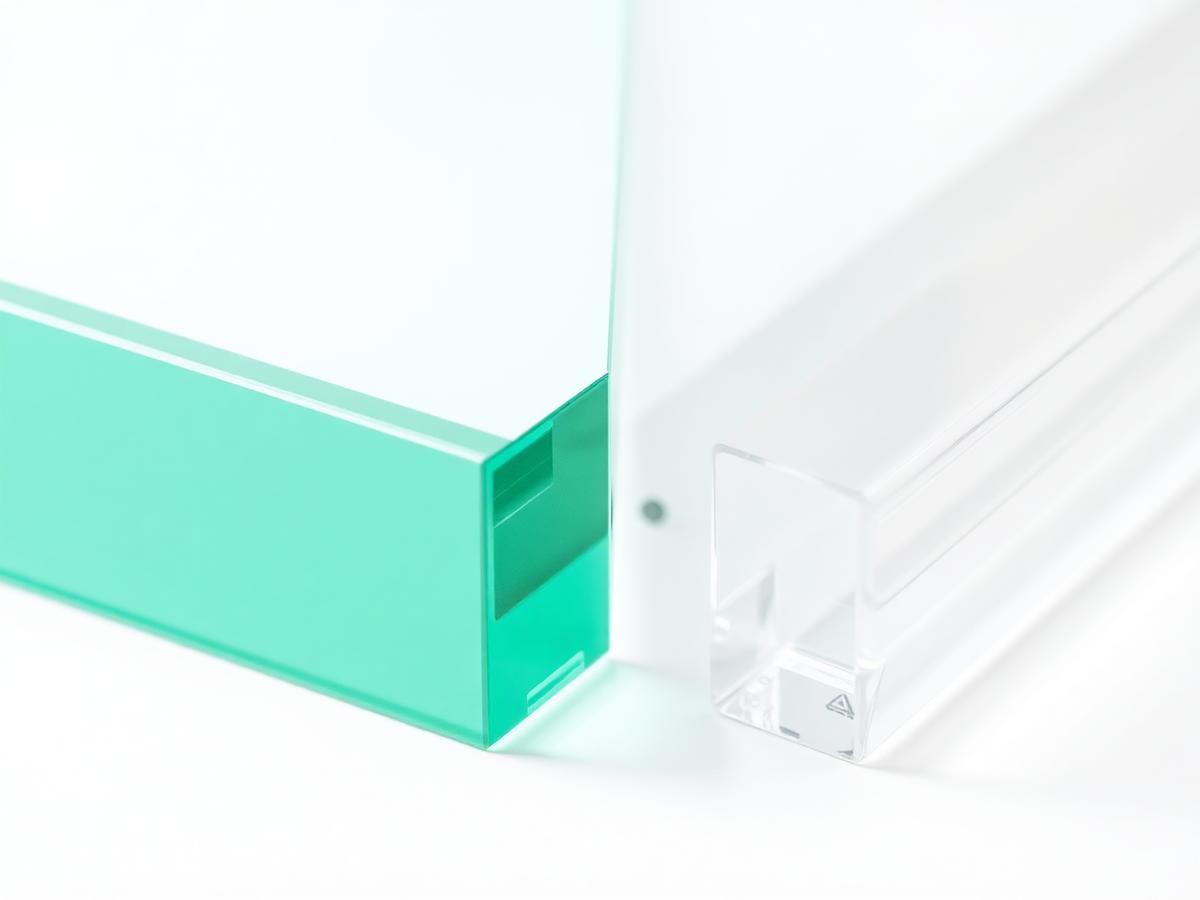 Low Iron Glass
Questions
If your question isn’t here, we would rather talk it through properly than guess.
Book a Design ConsultationVisit the Knowledge CentreKeep reading
Flagship guide · 11 min read
The frame gets most of the attention, but the glass does most of the work. This is our full guide to choosing it properly.
Product Comparisons · 3 min read
Solar control glass and low-iron glass are often asked about as if they solve the same problem. They solve two different ones, and can often be combined.
Glass Advice · 3 min read
Standard glass carries a faint green tint. Low-iron glass removes it, for a genuinely clear view.
Technical Advice · 3 min read
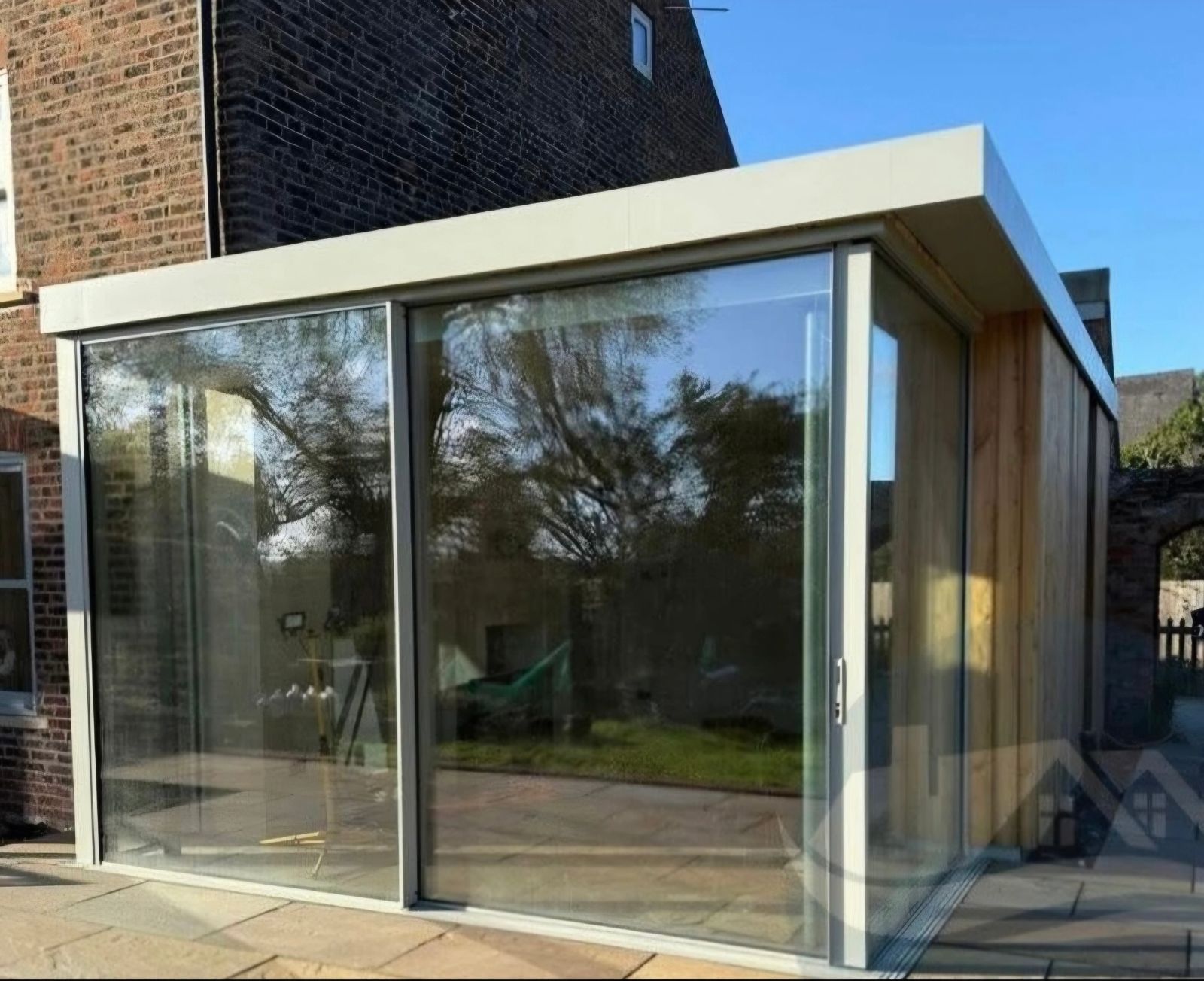
Large glazing brings welcome light and warmth in winter, but the same solar gain can overheat a south-facing room in summer without the right glass specification.
Build your own collection of expert advice as you plan your project.
Wondering how this applies to your own home?
Share a photograph and we’ll turn this guidance into recommendations for your property.
Ready to understand the likely investment?
Start your personalised Project Investment Guide and see comparable completed projects.
Begin
Bring us your drawings, your site photographs or simply an idea. We will tell you what is possible, what it should cost and how long it will take.