
Flagship guide · 7 min read
U-Values and Thermal Performance Explained
The single figure most quoted in glazing brochures, and the one most often misunderstood. Here is what a U-value actually measures, and what to do with it.
Collections
Specification
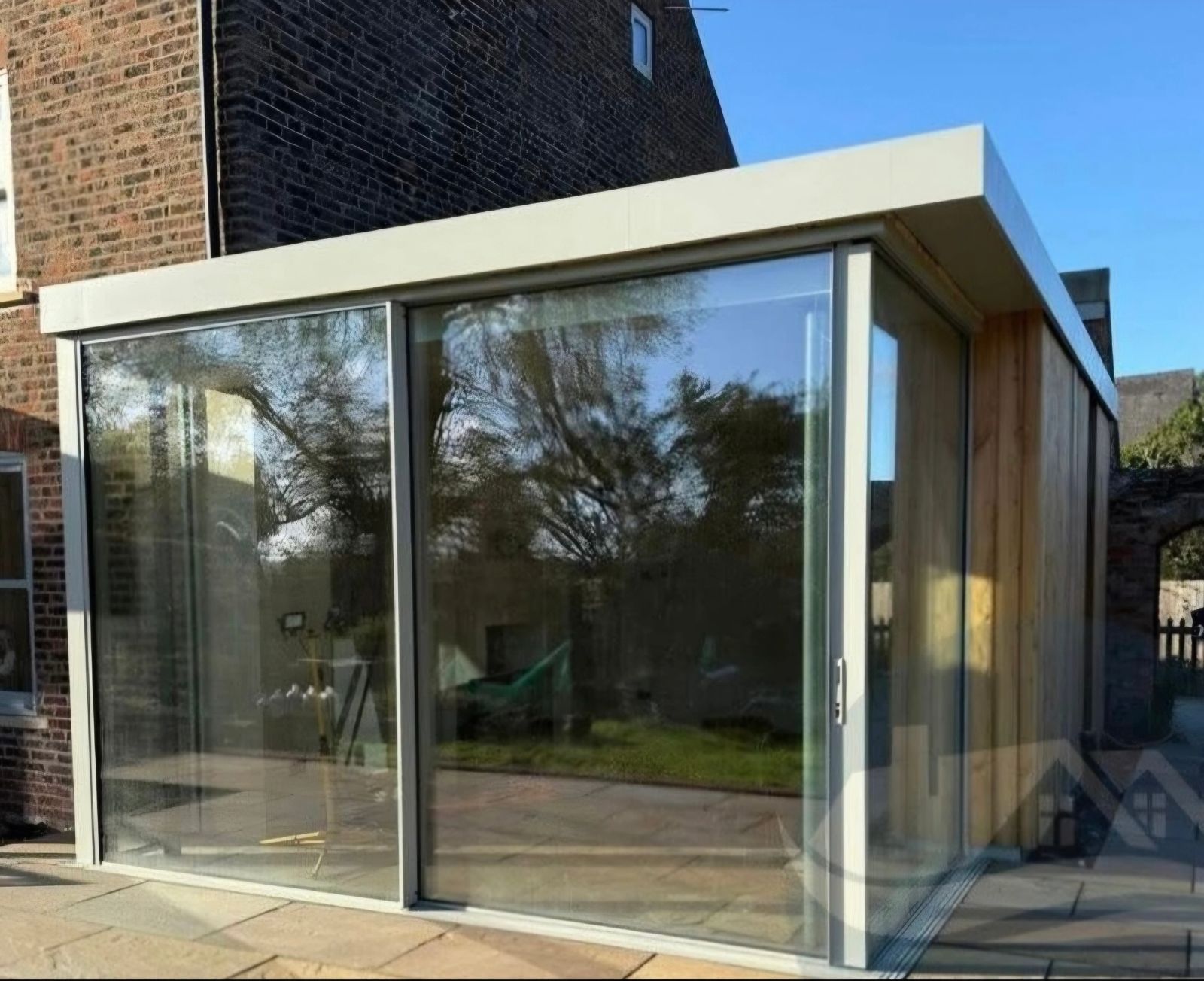
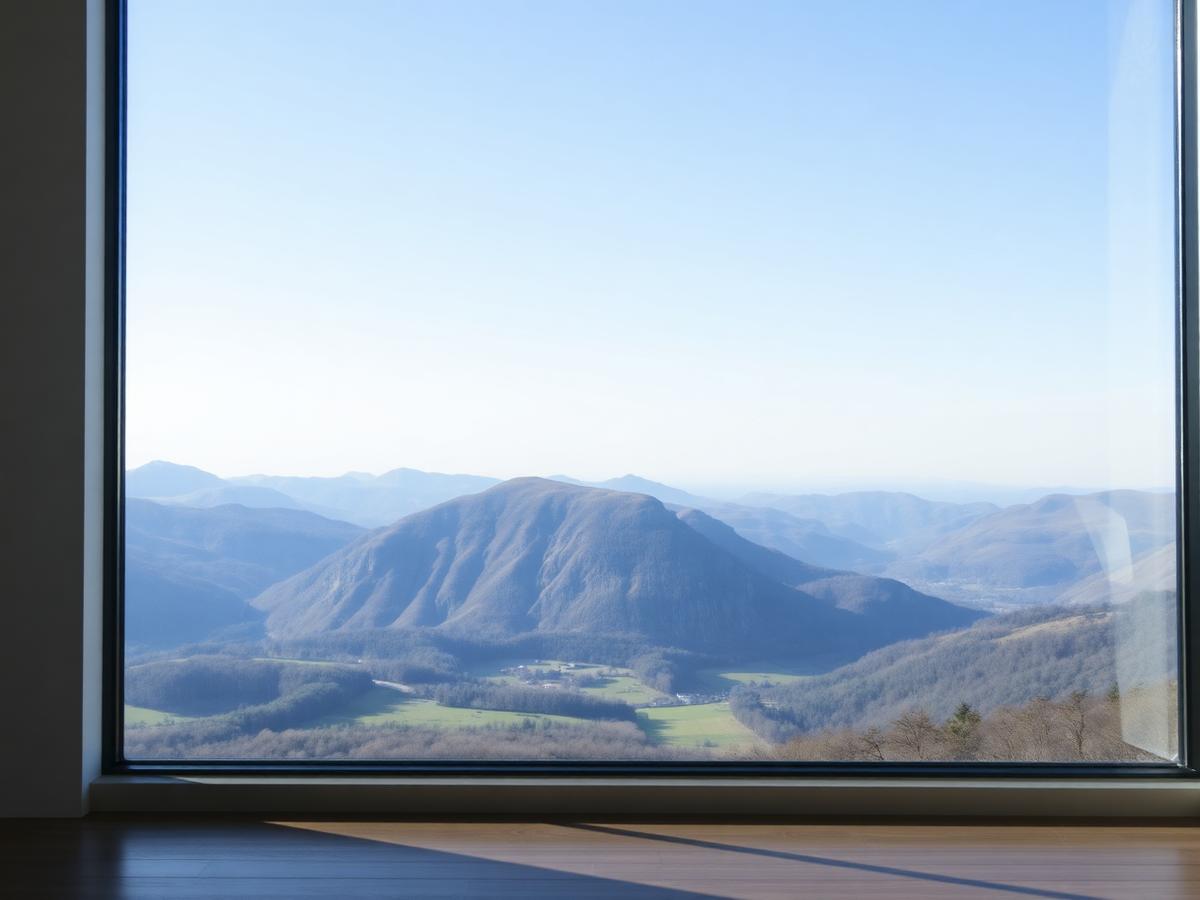
Large glazing brings welcome light and warmth in winter, but the same solar gain can overheat a south-facing room in summer without the right glass specification.
Written by Windows in the Lakes · A trading name of Home Glazing Ltd
Solar gain is the heat that enters a building through glazing as solar radiation. It is measured by the g-value, a figure between 0 and 1 representing the proportion of solar energy that passes through a given glass specification — a g-value of 0.6 means 60 percent of incident solar energy is transmitted, the rest reflected or absorbed.
For large areas of glazing, particularly south and west-facing extensions and sliding doors popular in contemporary Lake District projects, getting the g-value right is as important as getting the U-value right.
U-value and g-value are often in tension. A coating that improves thermal insulation (low-e) can also reduce solar transmission, and a highly solar-controlled glass that keeps a room cool in summer can also reduce welcome free heat and daylight in winter. There is no single correct answer — the right balance depends on orientation, room use and how much glazing is involved.
| Glass type | Typical g-value | Best suited to |
|---|---|---|
| Standard double glazed, soft-coat low-e | 0.60 – 0.70 | North and east elevations, general use |
| Solar control coated glass | 0.30 – 0.45 | South and west-facing large glazing, conservatories |
| Triple glazed, standard low-e | 0.50 – 0.60 | Exposed elevations wanting warmth and insulation |
| Low-iron (extra clear) glass | 0.70 – 0.80 | Where maximum daylight and colour clarity matter most |
Large expanses of south or west-facing glazing — a common feature of contemporary kitchen extensions and garden rooms — bring a genuine risk of summer overheating if specified purely for U-value without regard to g-value. Overheating assessments are increasingly requested by building control on larger extensions for this reason.
On south-facing elevations in winter, solar gain can make a genuine contribution to space heating, which is why some passive design approaches favour higher g-value glass on south aspects and lower g-value on west aspects, where low, glaring summer evening sun is the greater problem. This is a useful conversation to have with a designer at the concept stage of an extension, not a decision to make from a glazing brochure alone.
Next step
We design, specify and install across Cumbria, the Lake District and the wider North. Send drawings, photographs or simply a description of the building and we will tell you what is possible and what it should cost.
Explore from here
Save anything you are drawn to. It gathers in My Inspiration and travels with your enquiry as a design brief.
 Solar Control
 Low Iron Glass
Questions
If your question isn’t here, we would rather talk it through properly than guess.
Book a Design ConsultationVisit the Knowledge CentreKeep reading
Flagship guide · 7 min read
The single figure most quoted in glazing brochures, and the one most often misunderstood. Here is what a U-value actually measures, and what to do with it.
Technical Advice · 3 min read
Beyond thermal figures, glass performance is also about strength, breakage behaviour and sound — each governed by different standards and specifications.
Product Comparisons · 3 min read
Solar control glass and low-iron glass are often asked about as if they solve the same problem. They solve two different ones, and can often be combined.
Technical Advice · 3 min read
A Window Energy Rating combines several performance figures into a single familiar A to G band, similar to appliance energy labels.
Build your own collection of expert advice as you plan your project.
Wondering how this applies to your own home?
Share a photograph and we’ll turn this guidance into recommendations for your property.
Ready to understand the likely investment?
Start your personalised Project Investment Guide and see comparable completed projects.
Begin
Bring us your drawings, your site photographs or simply an idea. We will tell you what is possible, what it should cost and how long it will take.