
Flagship guide · 7 min read
U-Values and Thermal Performance Explained
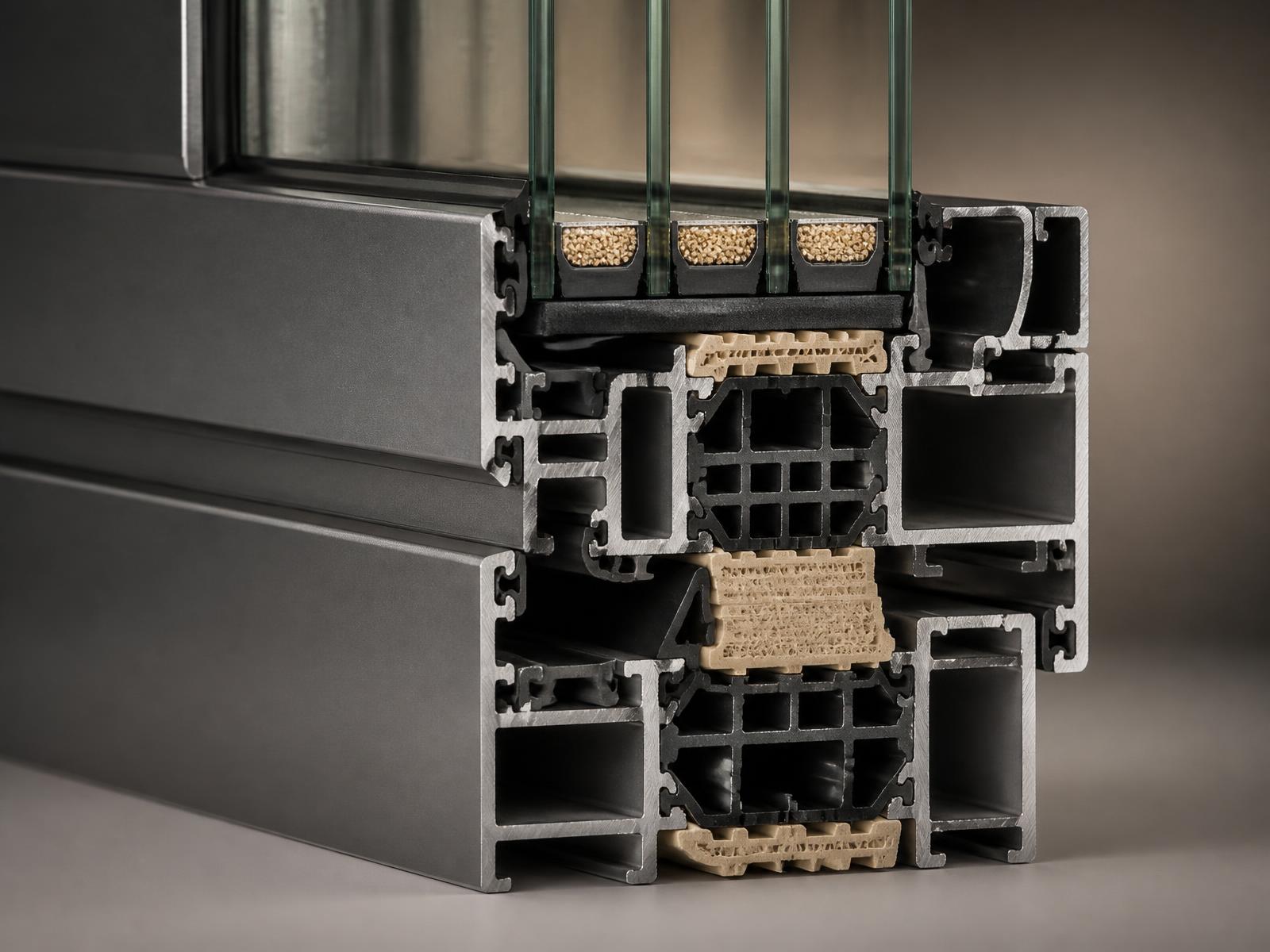
The single figure most quoted in glazing brochures, and the one most often misunderstood. Here is what a U-value actually measures, and what to do with it.
Collections
Specification
A Window Energy Rating combines several performance figures into a single familiar A to G band, similar to appliance energy labels.
Written by Windows in the Lakes · A trading name of Home Glazing Ltd
The Window Energy Rating, or WER, gives windows a single band from A++ to E, similar in spirit to the energy labels used on domestic appliances. It is a useful shorthand, but it combines several underlying figures, and it is worth understanding what goes into the band rather than treating it as interchangeable with a U-value alone.
This guide explains how a WER is calculated, why Band B is the effective compliance route under Part L, and what the band does and does not tell you about a specific window.
A WER is calculated from an energy balance equation that combines the whole-window U-value, the solar heat gain (g-value) and the air leakage rate, weighted to reflect the net thermal effect of a window over a standard heating season. A window with a slightly higher U-value but strong solar gain can, in some cases, achieve a similar or better band than a window with a lower U-value but poor solar gain, because the calculation accounts for the free heat solar gain provides in winter.
| Band | Approximate energy index | Notes |
|---|---|---|
| A++ / A+ | Best performing | Typically triple glazed, high-spec double glazed with excellent g-value |
| A | Very good | High-performance double glazing, well-specified triple glazing |
| B | Good — Part L compliant | Meets the WER route to Part L compliance for replacement windows |
| C and below | Below current new-build/replacement standard | Typical of older double glazing from the 1990s–2000s |
Part L allows replacement windows to demonstrate compliance either via a whole-window U-value of 1.4 W/m²K or better, or via a WER of Band B or above. In practice, most reputable manufacturers provide both figures, and a FENSA or Certass registered installer will confirm which route the certificate uses.
A WER band is calculated for a standard reference orientation and does not reflect your specific elevation, exposure or room use. It also does not capture acoustic performance, security or aesthetic sightline width, so it should be read alongside the individual figures — U-value, g-value and air permeability — rather than as a complete performance summary.
Next step
We design, specify and install across Cumbria, the Lake District and the wider North. Send drawings, photographs or simply a description of the building and we will tell you what is possible and what it should cost.
Explore from here
Save anything you are drawn to. It gathers in My Inspiration and travels with your enquiry as a design brief.
Questions
If your question isn’t here, we would rather talk it through properly than guess.
Book a Design ConsultationVisit the Knowledge CentreKeep reading
Flagship guide · 7 min read
The single figure most quoted in glazing brochures, and the one most often misunderstood. Here is what a U-value actually measures, and what to do with it.
Planning & Regulations · 3 min read
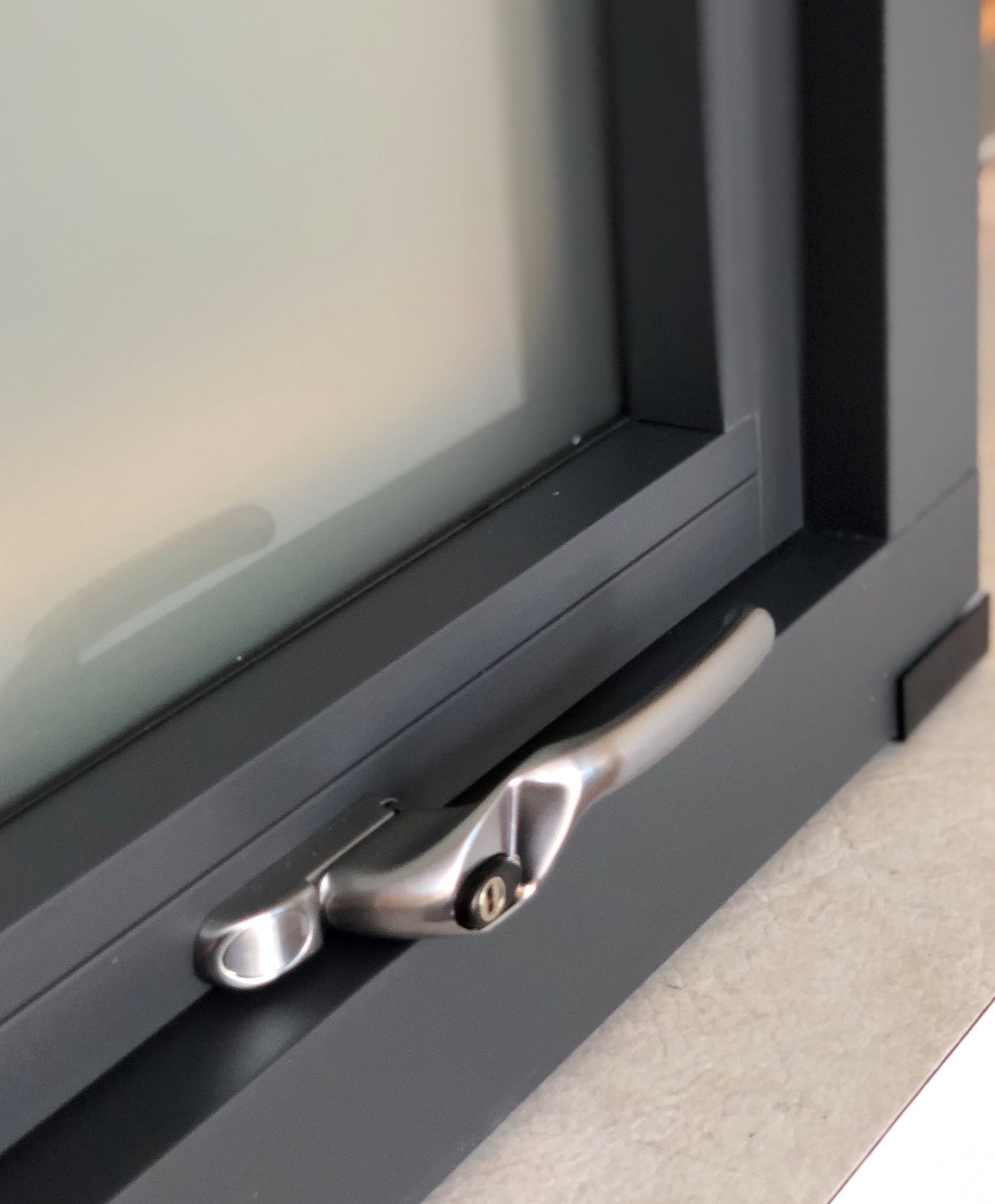
Part L is the specific regulation that sets the minimum energy performance for replacement windows and doors. Here is what it actually requires.
Technical Advice · 3 min read
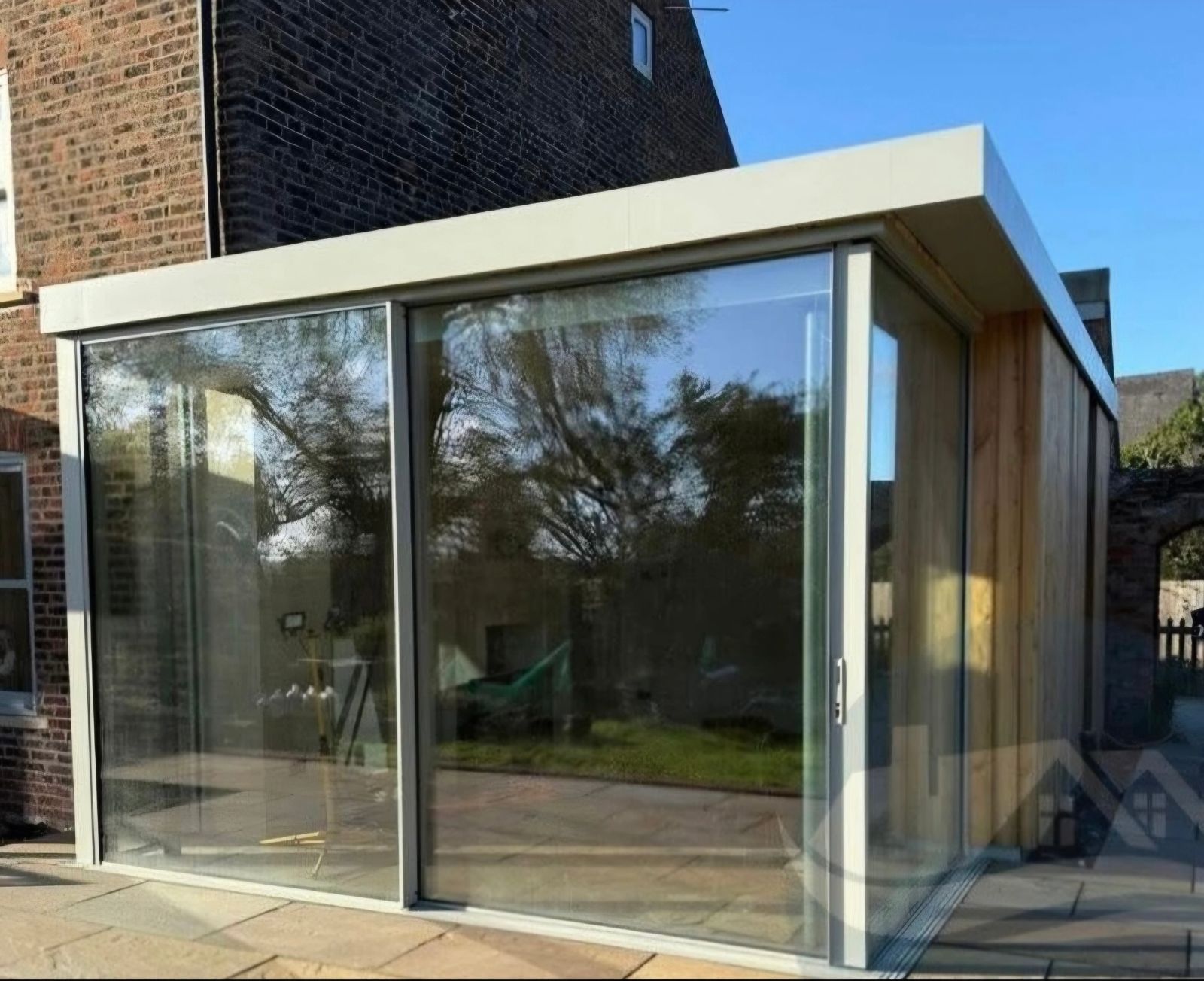
Large glazing brings welcome light and warmth in winter, but the same solar gain can overheat a south-facing room in summer without the right glass specification.
Technical Advice · 3 min read
U-value is one input. Real thermal performance in a finished home also depends on frame design, installation quality and how the window is used.
Build your own collection of expert advice as you plan your project.
Wondering how this applies to your own home?
Share a photograph and we’ll turn this guidance into recommendations for your property.
Ready to understand the likely investment?
Start your personalised Project Investment Guide and see comparable completed projects.
Begin
Bring us your drawings, your site photographs or simply an idea. We will tell you what is possible, what it should cost and how long it will take.