
Glass Advice · 3 min read
Solar Control Glass Explained
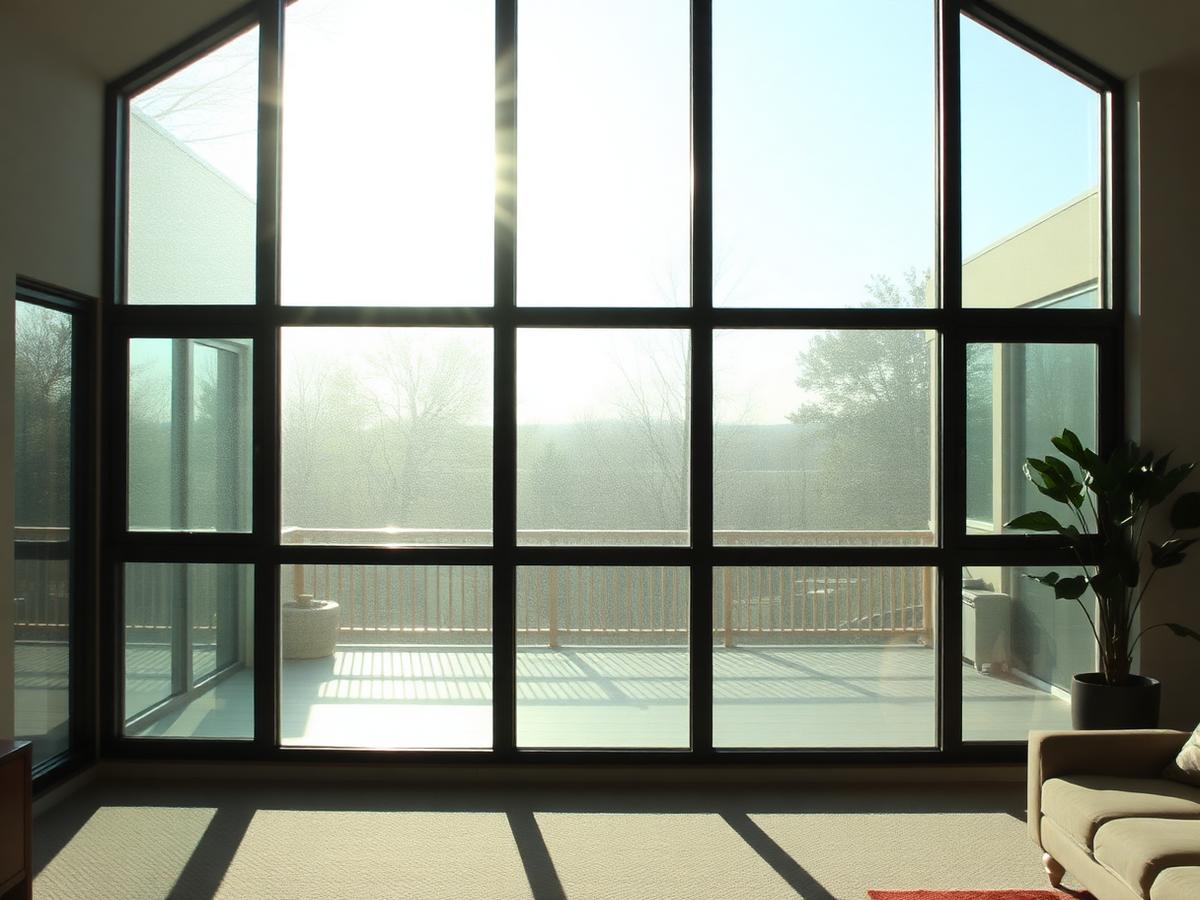
Large glazed openings on sunny elevations can overheat rooms even in a cool climate. Solar control glass is the usual solution.
Collections
Specification
Solar control glass and low-iron glass are often asked about as if they solve the same problem. They solve two different ones, and can often be combined.
Written by Windows in the Lakes · A trading name of Home Glazing Ltd
This comparison comes up because both products are pitched around "better glass" and "clarity", and it is easy to assume you are choosing between them. In reality solar control glass manages heat and glare, while low-iron glass improves colour clarity by removing the green tint of standard float glass. Understanding the difference stops you paying for the wrong upgrade.
Solar control glass uses a coating (often a subtle metallic or reflective layer) to reduce the g-value, the fraction of solar energy that passes through the glass as heat. It is chosen to reduce overheating in large south or west-facing glazing, particularly in extensions and conservatories, without needing blinds or external shading.
Low-iron glass simply has a lower iron oxide content than standard float glass, which removes the faint green cast visible through standard glass, especially noticeable on large panes and edges. It is chosen for colour accuracy, for example where glazing sits close to a specific paint colour or where large sliding doors would otherwise show a visible green tinge along the glass edge.
| Solar control glass | Low-iron glass | |
|---|---|---|
| Primary purpose | Reduce solar heat gain and glare | Remove green tint, improve clarity |
| Best used for | South/west-facing extensions, large glazing prone to overheating | Feature glazing, balustrades, matching precise colours |
| Effect on U-value | Neutral to slightly improved | No meaningful effect |
| Visual effect | Can add a very slight tint or reflectivity | Crisper, more neutral colour rendering |
| Can be combined | Yes, with low-iron as the base glass | Yes, with a solar control coating added |
Yes, and this is common on high-specification projects: a low-iron base glass gives the clearest possible colour rendering, with a solar control coating applied to manage heat gain on exposed elevations. This costs more than either option alone but gives you both benefits where a large, prominent glazed area genuinely needs it.
Choose solar control glass if a room already overheats, or will clearly face strong, prolonged sun, and you want to avoid relying on blinds. Choose low-iron glass if you have large feature glazing, glass balustrades or a specific colour scheme where the standard green tint would be genuinely noticeable and unwelcome.
Do not buy solar control glass expecting improved clarity, it is not what it is designed for, and do not buy low-iron glass expecting a cooler room in summer, it will not meaningfully reduce solar gain on its own. If you are not sure which problem you actually have, tell us the room, its aspect, and what is bothering you about it, rather than naming a glass type, and we will specify accordingly.
Next step
We design, specify and install across Cumbria, the Lake District and the wider North. Send drawings, photographs or simply a description of the building and we will tell you what is possible and what it should cost.
Explore from here
Save anything you are drawn to. It gathers in My Inspiration and travels with your enquiry as a design brief.
Solar Control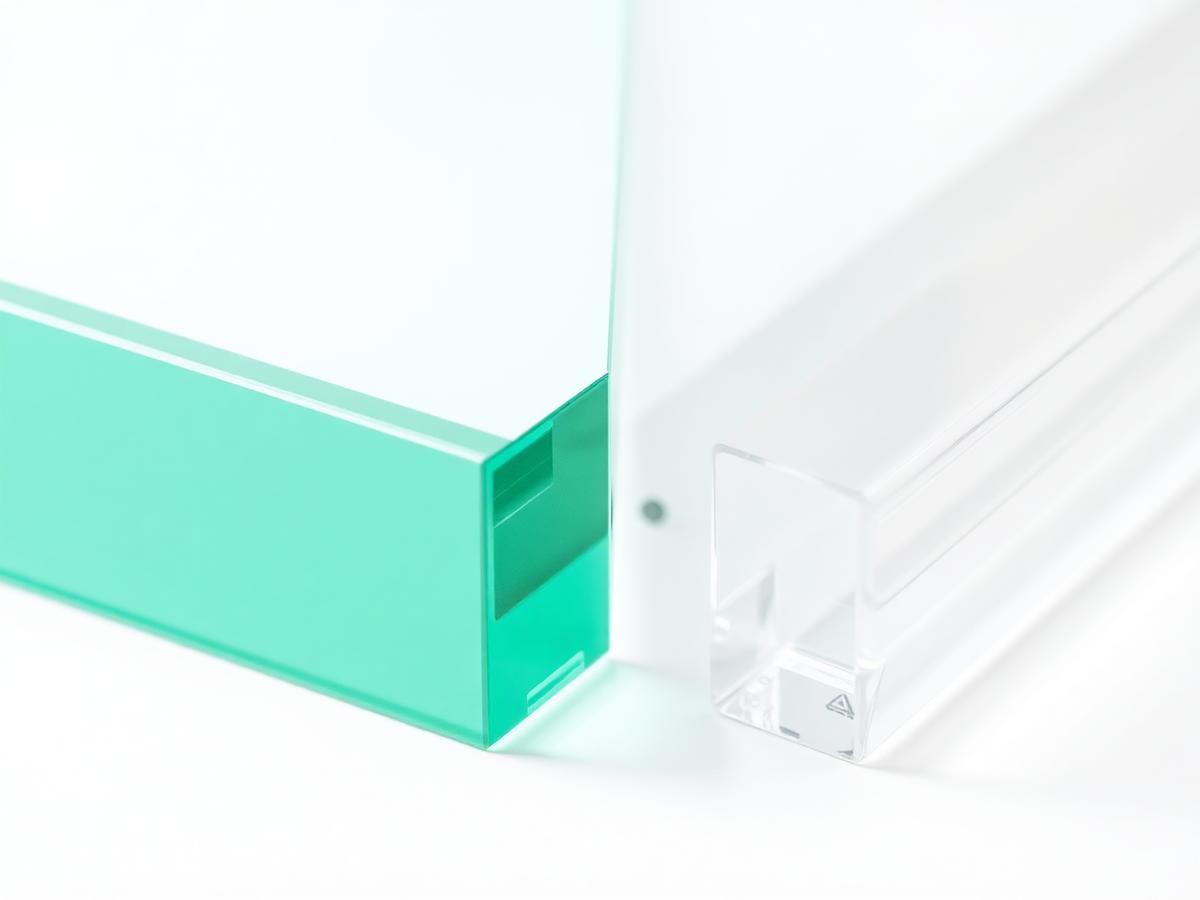 Low Iron Glass
Questions
If your question isn’t here, we would rather talk it through properly than guess.
Book a Design ConsultationVisit the Knowledge CentreKeep reading
Glass Advice · 3 min read
Large glazed openings on sunny elevations can overheat rooms even in a cool climate. Solar control glass is the usual solution.
Glass Advice · 3 min read
Standard glass carries a faint green tint. Low-iron glass removes it, for a genuinely clear view.
Flagship guide · 11 min read
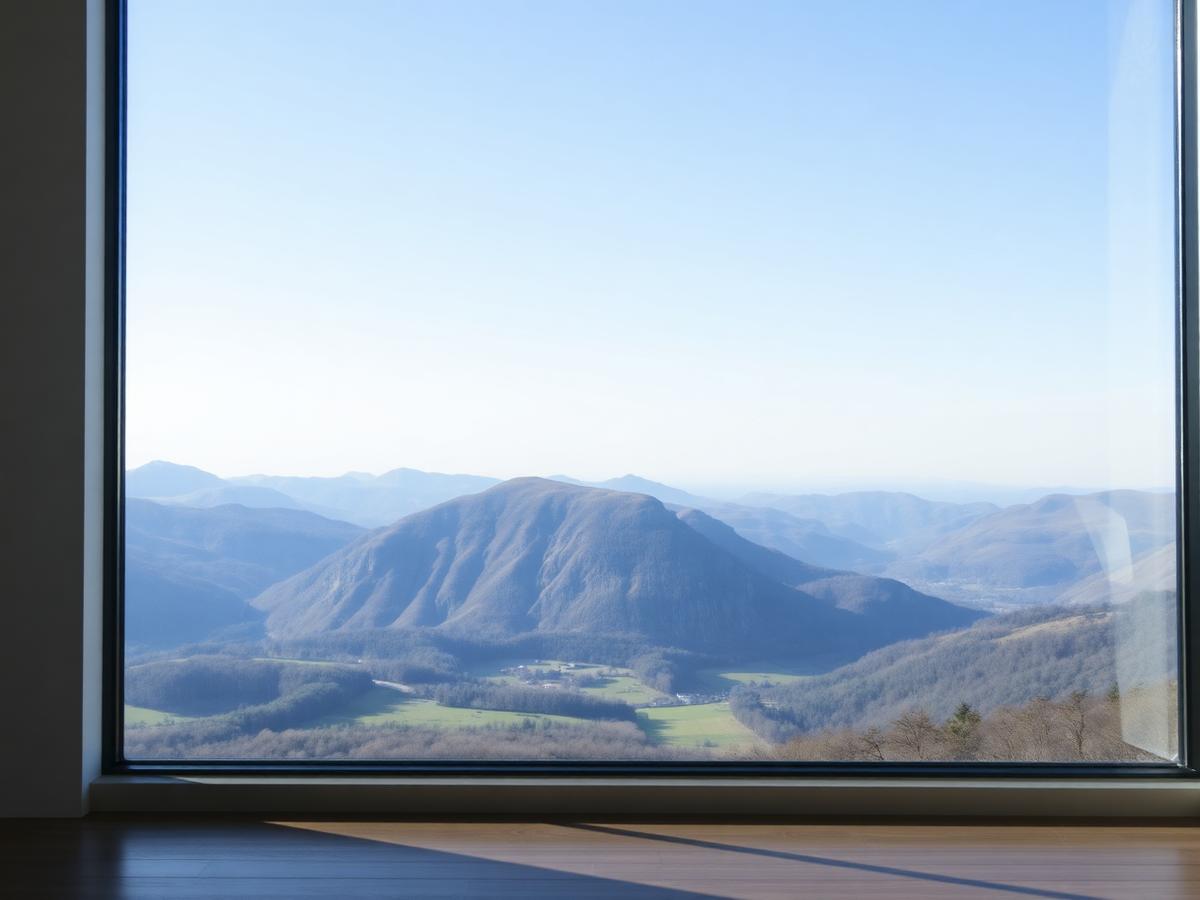
The frame gets most of the attention, but the glass does most of the work. This is our full guide to choosing it properly.
Technical Advice · 3 min read
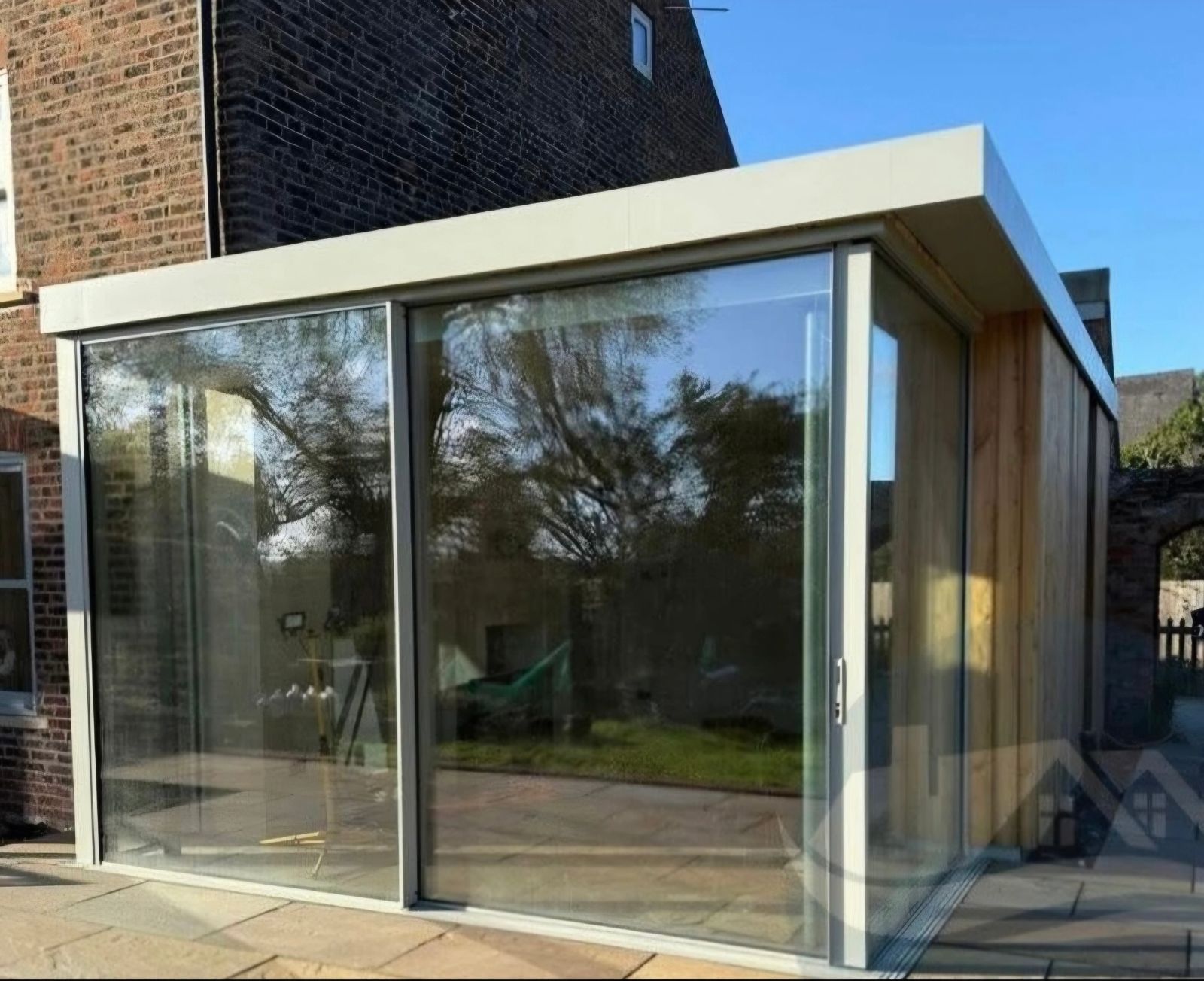
Large glazing brings welcome light and warmth in winter, but the same solar gain can overheat a south-facing room in summer without the right glass specification.
Build your own collection of expert advice as you plan your project.
Wondering how this applies to your own home?
Share a photograph and we’ll turn this guidance into recommendations for your property.
Ready to understand the likely investment?
Start your personalised Project Investment Guide and see comparable completed projects.
Begin
Bring us your drawings, your site photographs or simply an idea. We will tell you what is possible, what it should cost and how long it will take.