
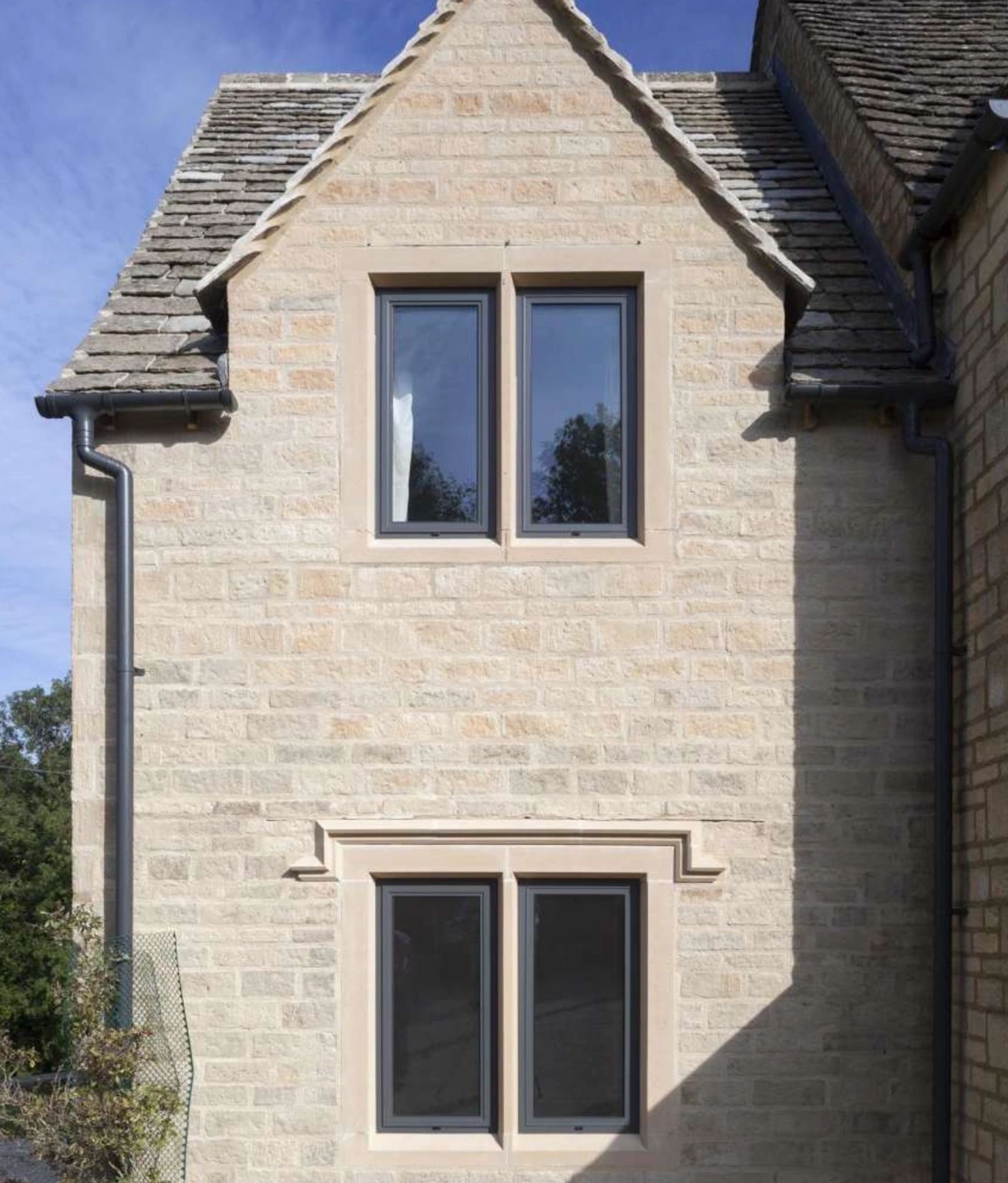
Cost & Budget Guides · 5 min read
How Much Do Aluminium Windows Cost?
Aluminium windows typically cost £1,400–£2,600 per window supplied and installed. Here is what moves you up or down that range.
Collections
Specification
Aluminium costs more because more of the cost sits in engineering than in extrusion: thermal breaks, tolerances, coating, hardware and glass that a slimmer frame forces you to get right.
Written by Windows in the Lakes · A trading name of Home Glazing Ltd · Last reviewed 21 September 2026
In short: an aluminium window is more expensive than a mass-market uPVC one because the frame is a precision-engineered composite of two aluminium shells bonded to an insulating core, powder coated to an architectural standard, fitted with heavier hardware and carrying larger panes of glass. Very little of the difference is the metal itself.
That also means the word 'aluminium' guarantees nothing. There is a wide spread of quality within the material, and a cheap aluminium window can perform worse than a good uPVC one. The useful question is not whether aluminium is expensive but which parts of the price are buying you something.
Break an aluminium window into its parts and the cost lands in predictable places. Understanding the split makes quotations far easier to compare, because two suppliers can quote the same material and be selling quite different objects.
| Element | Why it costs | What a lower price usually means |
|---|---|---|
| Frame system | Multi-chamber extrusions, polyamide thermal break, tested as a system | A thinner, simpler profile with a smaller thermal break |
| Glass | Larger panes, coatings, warm-edge spacers, argon or triple units | Standard double glazing with a basic coating |
| Powder coating | Architectural-grade pretreatment and coating, often marine specification inland too | Standard coating, fewer colours, shorter coating warranty |
| Hardware | Heavier hinges and locking to carry bigger sashes | Lighter gear rated for smaller openings |
| Manufacture | Tight tolerances so slim sightlines stay square | Wider tolerances, more visible packing and adjustment |
| Installation | Survey, removal, fixing, sealing and making good | Fitting only, with making good excluded |
Aluminium conducts heat well, which is exactly what you do not want in a window frame. A modern system solves this by making the frame in two halves — an outer shell and an inner shell — separated by polyamide strips that carry the structural load while interrupting the heat path. The depth and shape of that break, and how the chambers around it are arranged, is where the performance difference between systems lives.
Cost does not rise smoothly with area. Every system has a point where the sash becomes heavy enough to need a different hinge set, the glass needs to be laminated, the unit needs two people or a lifting frame to install, and the frame needs reinforcing. Crossing that threshold can cost more than the extra square metre.
There are houses where aluminium earns its price immediately: large openings, slim sightlines against a lot of glass, contemporary extensions, exposed sites where a durable finish matters. There are also houses where it does not.
We will say so when that is the case. Recommending a more expensive material into the wrong building is how projects end up looking wrong and costing more than they needed to.
Regulatory and technical points in this guide should be checked against the current published guidance below, and against the specific circumstances of your property.
Guidance last reviewed 21 September 2026 by Windows in the Lakes
Next step
We design, specify and install across Cumbria, the Lake District and the wider North. Send drawings, photographs or simply a description of the building and we will tell you what is possible and what it should cost.
Explore from here
Save anything you are drawn to. It gathers in My Inspiration and travels with your enquiry as a design brief.
Questions
If your question isn’t here, we would rather talk it through properly than guess.
Book a Design ConsultationVisit the Knowledge CentreKeep reading
Cost & Budget Guides · 5 min read
Aluminium windows typically cost £1,400–£2,600 per window supplied and installed. Here is what moves you up or down that range.
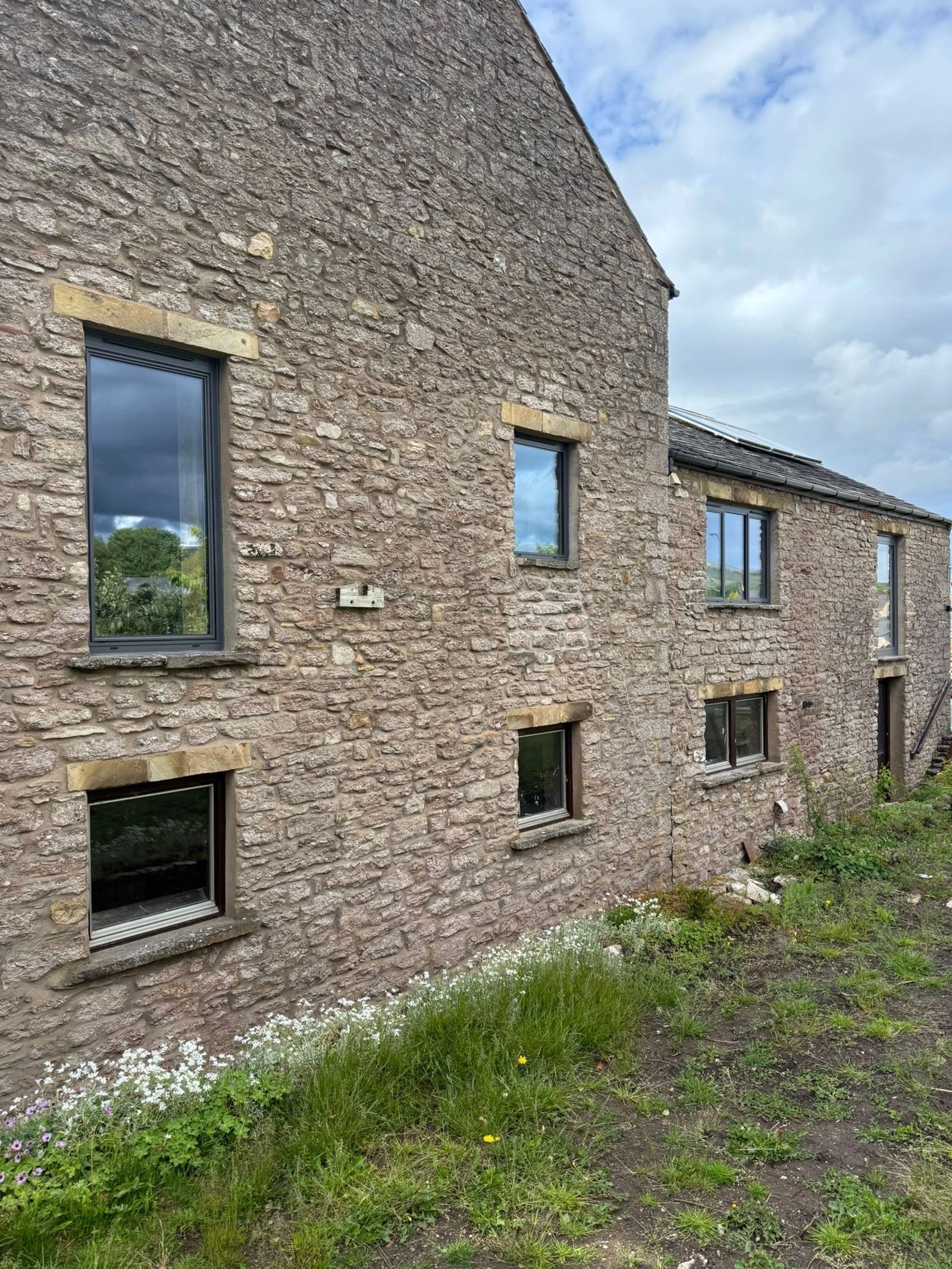
Cost & Budget Guides · 3 min read
Sometimes. A higher budget reliably buys better hardware, better installation and better glass. It does not reliably buy comfort, and it never rescues a poor specification.
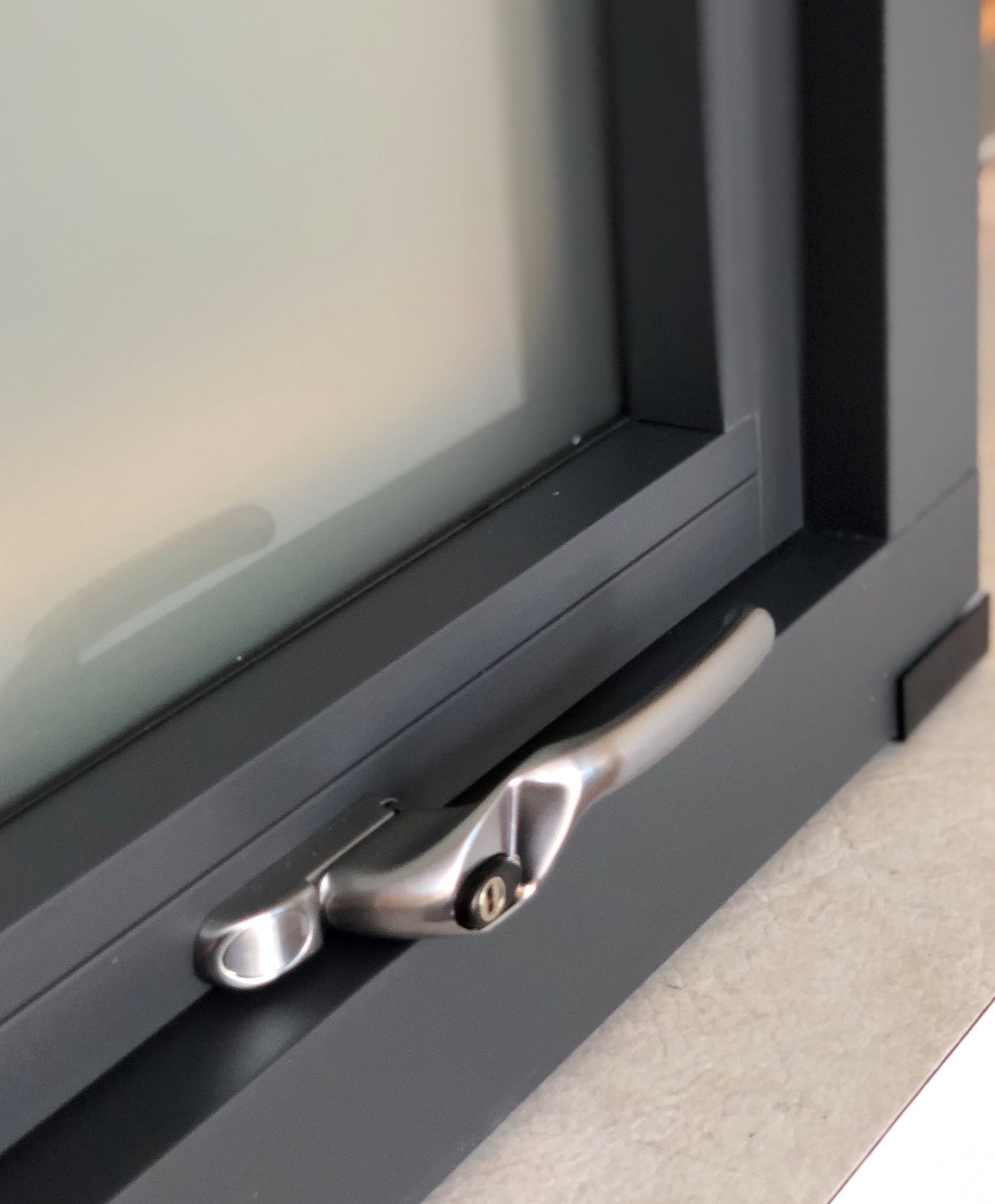
Flagship guide · 3 min read
Choose by building, not by material. Aluminium suits large openings and slim sightlines, timber suits period and high-end joinery contexts, and modern uPVC suits ordinary openings where value matters.
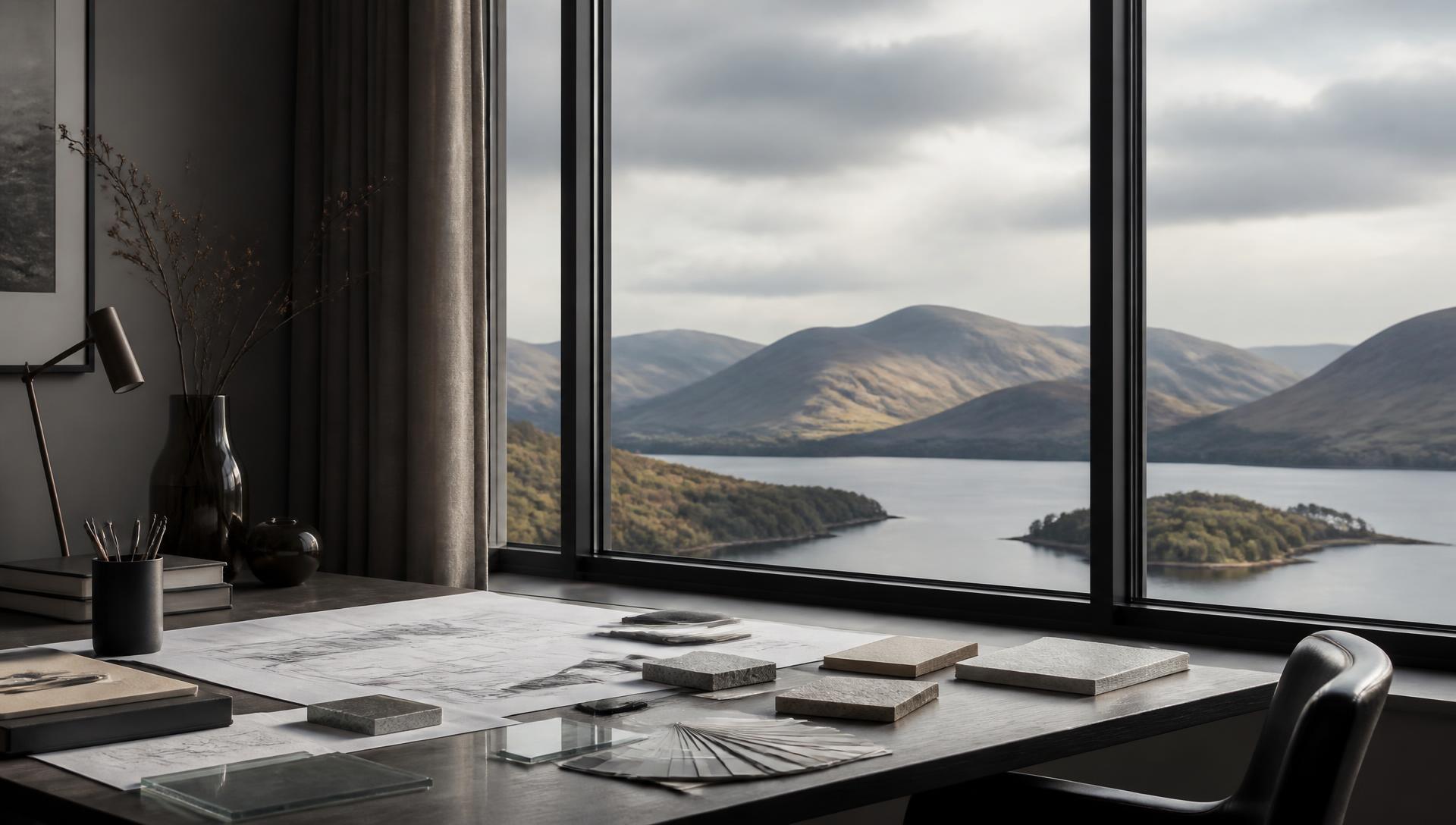
Flagship guide · 10 min read
Two homes with the same number of windows can end up on very different invoices. Here is what genuinely moves the price, and what does not.
Build your own collection of expert advice as you plan your project.
Wondering how this applies to your own home?
Share a photograph and we’ll turn this guidance into recommendations for your property.
Ready to understand the likely investment?
Start your personalised Project Investment Guide and see comparable completed projects.
Begin
Bring us your drawings, your site photographs or simply an idea. We will tell you what is possible, what it should cost and how long it will take.