
Flagship guide · 10 min read
What Affects the Cost of Premium Glazing
Two homes with the same number of windows can end up on very different invoices. Here is what genuinely moves the price, and what does not.
Collections
Specification
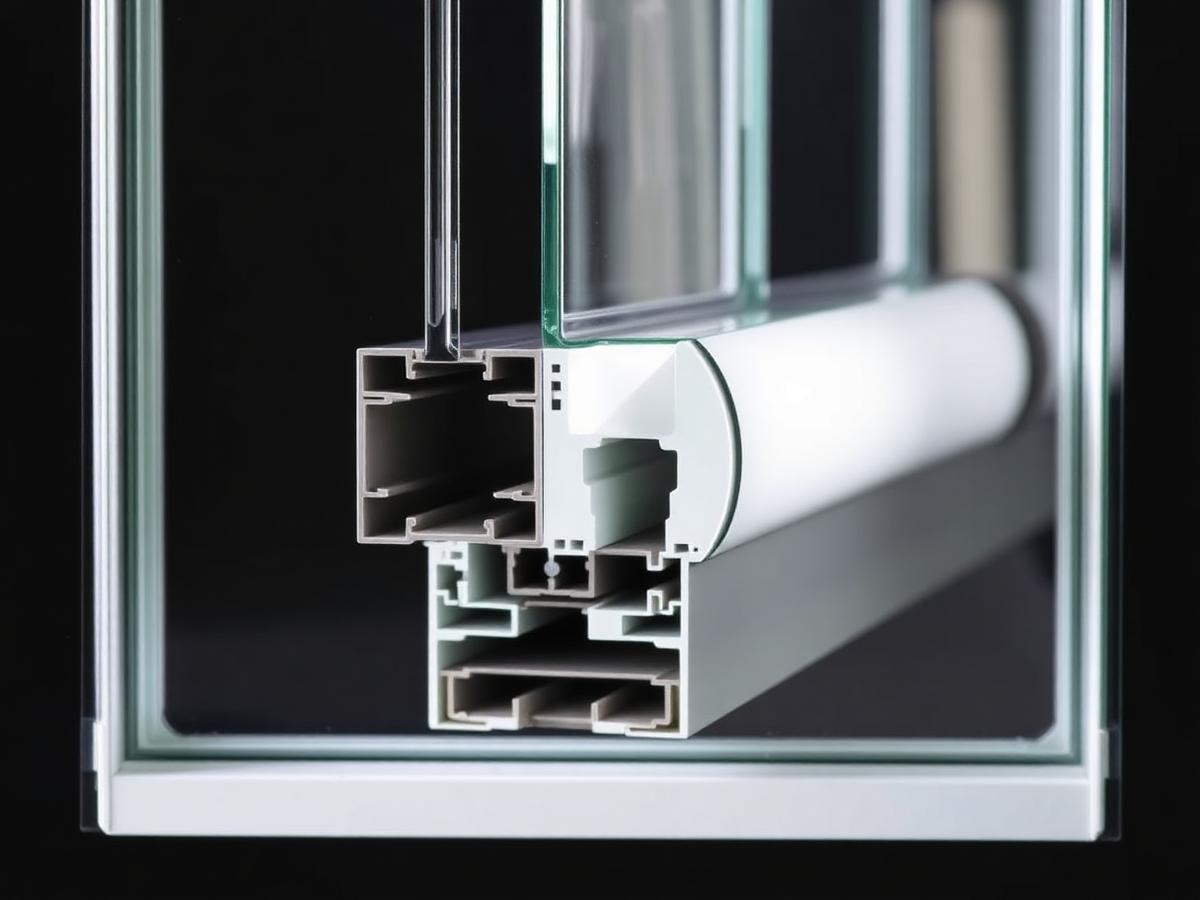
Triple glazing typically adds roughly 10–20% over an equivalent high-performance double-glazed unit. Whether it is worth it depends on the elevation, the room and your priorities.
Written by Windows in the Lakes · A trading name of Home Glazing Ltd
Triple glazing is often assumed to be the automatically better choice, and in pure thermal terms it is: a typical modern triple-glazed aluminium window achieves a U-value of around 0.9–1.1 W/m²K compared with 1.2–1.4 W/m²K for an equivalent double-glazed unit. But better performance is not the same as necessary, and the cost premium of roughly 10–20% is worth weighing against where and why you are specifying it.
This guide sets out what triple glazing actually costs relative to double, where it earns its premium, and where a good double-glazed specification does the job perfectly well.
| Specification | Typical U-value | Relative cost |
|---|---|---|
| High-performance double glazing (low-e, argon) | 1.2–1.4 W/m²K | Baseline |
| Triple glazing | 0.9–1.1 W/m²K | Roughly 10–20% more than the double-glazed equivalent |
That premium applies at the unit level, so it compounds across a whole-house order. On a house with fifteen windows, the difference between specifying double glazing throughout and triple glazing throughout can run into several thousand pounds, which is why it is worth deciding deliberately rather than defaulting to triple glazing for the whole house.
A well-specified double-glazed window with a low-e coating, argon fill and warm-edge spacer already comfortably exceeds the Part L minimum of 1.4 W/m²K, and for most rooms on most elevations, the difference between 1.3 W/m²K and 1.0 W/m²K is not something occupants will notice day to day. On south or west-facing elevations with good solar gain, double glazing often performs perfectly well, and the budget saved can be better spent on a higher hardware specification, a larger sliding door, or a better window in a room that genuinely needs it.
“Triple glazing on a bright south-facing window is often spending money to solve a problem that elevation does not have.”
| Consideration | Double glazing | Triple glazing |
|---|---|---|
| Unit weight | Lighter, easier on large opening lights | Heavier, may limit sash size on some systems |
| Sightlines | Slightly slimmer | Marginally deeper sightline on some frames |
| Condensation | Very low with modern low-e coatings | Lower still, useful in cold, exposed rooms |
| Acoustic performance | Good with standard laminated options | Can be marginally better, though acoustic glass often outperforms triple specifically for noise |
There is no rule that a house must be entirely double or entirely triple glazed. Specifying triple glazing selectively, on the north elevation or the most exposed rooms, while using high-performance double glazing elsewhere, is a common and sensible way to manage both budget and performance. Discuss elevation by elevation with your surveyor rather than deciding on a single specification for the whole house before the survey.
Next step
We design, specify and install across Cumbria, the Lake District and the wider North. Send drawings, photographs or simply a description of the building and we will tell you what is possible and what it should cost.
Explore from here
Save anything you are drawn to. It gathers in My Inspiration and travels with your enquiry as a design brief.
Triple Glazing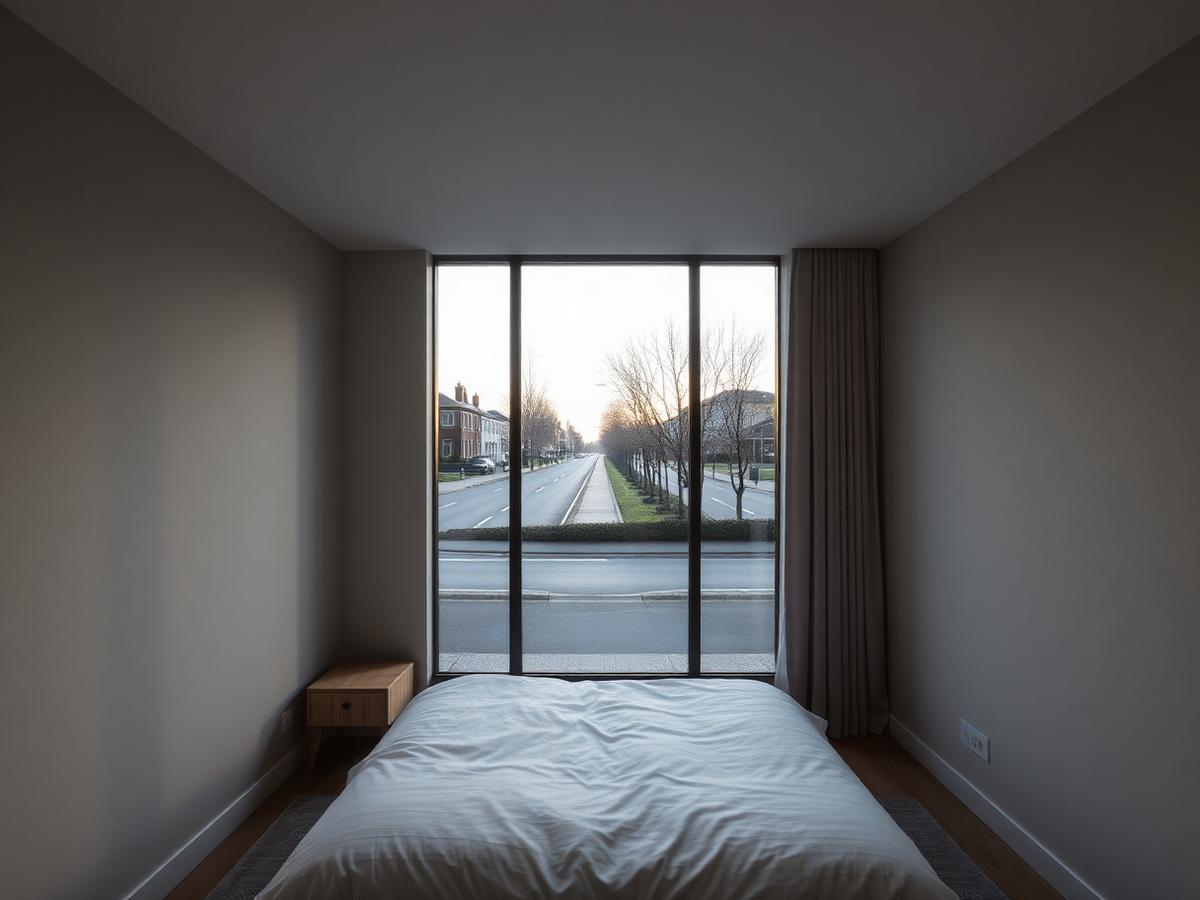 Acoustic Glass
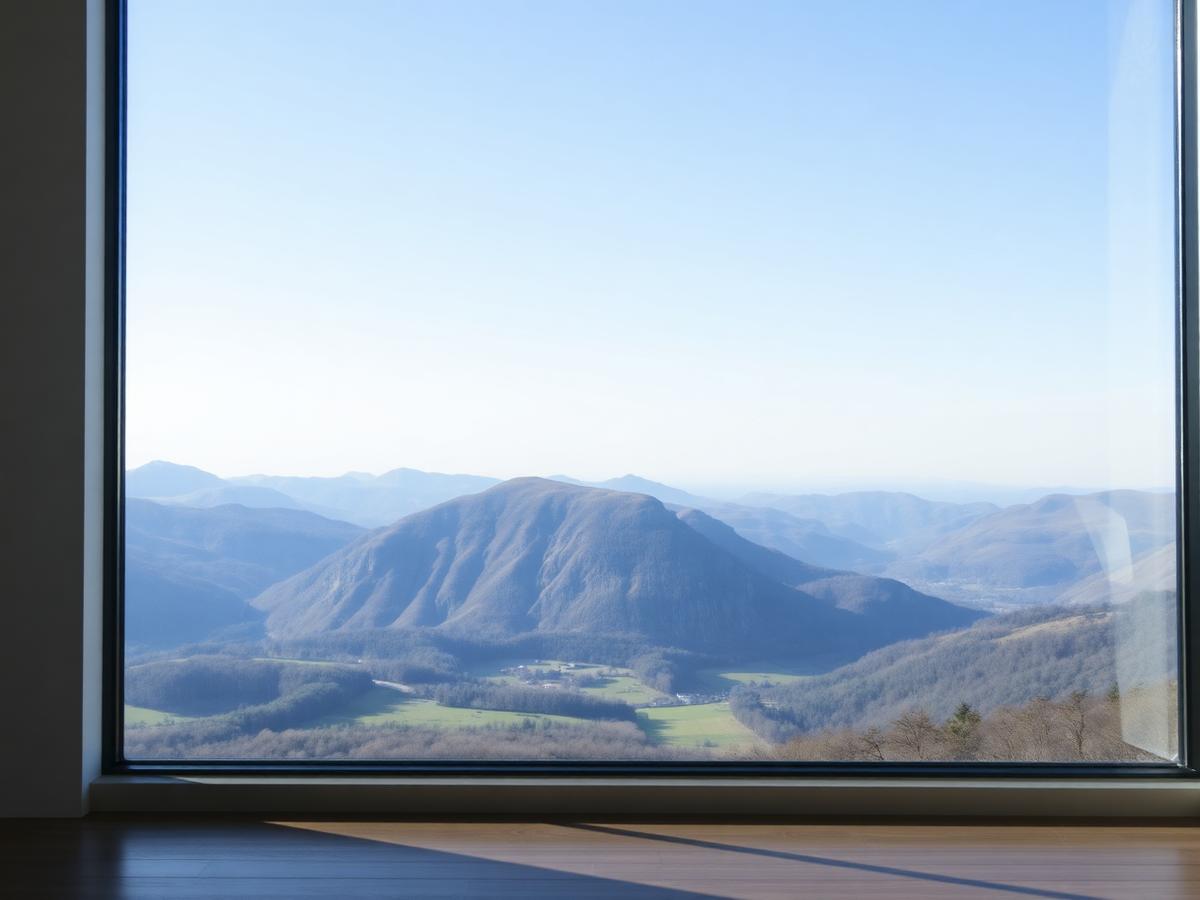 Clear Glass
Questions
If your question isn’t here, we would rather talk it through properly than guess.
Book a Design ConsultationVisit the Knowledge CentreKeep reading
Flagship guide · 10 min read
Two homes with the same number of windows can end up on very different invoices. Here is what genuinely moves the price, and what does not.
Cost & Budget Guides · 5 min read
Aluminium windows typically cost £1,400–£2,600 per window supplied and installed. Here is what moves you up or down that range.
Cost & Budget Guides · 3 min read
Glazing for a self-build typically runs £60,000–£150,000 across the whole house, and getting the sequencing right with your build programme matters as much as the number itself.
Product Comparisons · 3 min read
Triple glazing is not automatically the better choice. In most of the UK it is a genuine but marginal upgrade, not a necessity.
Build your own collection of expert advice as you plan your project.
Wondering how this applies to your own home?
Share a photograph and we’ll turn this guidance into recommendations for your property.
Ready to understand the likely investment?
Start your personalised Project Investment Guide and see comparable completed projects.
Begin
Bring us your drawings, your site photographs or simply an idea. We will tell you what is possible, what it should cost and how long it will take.