
Design Inspiration · 3 min read
Corner Glazing Ideas and Design Considerations
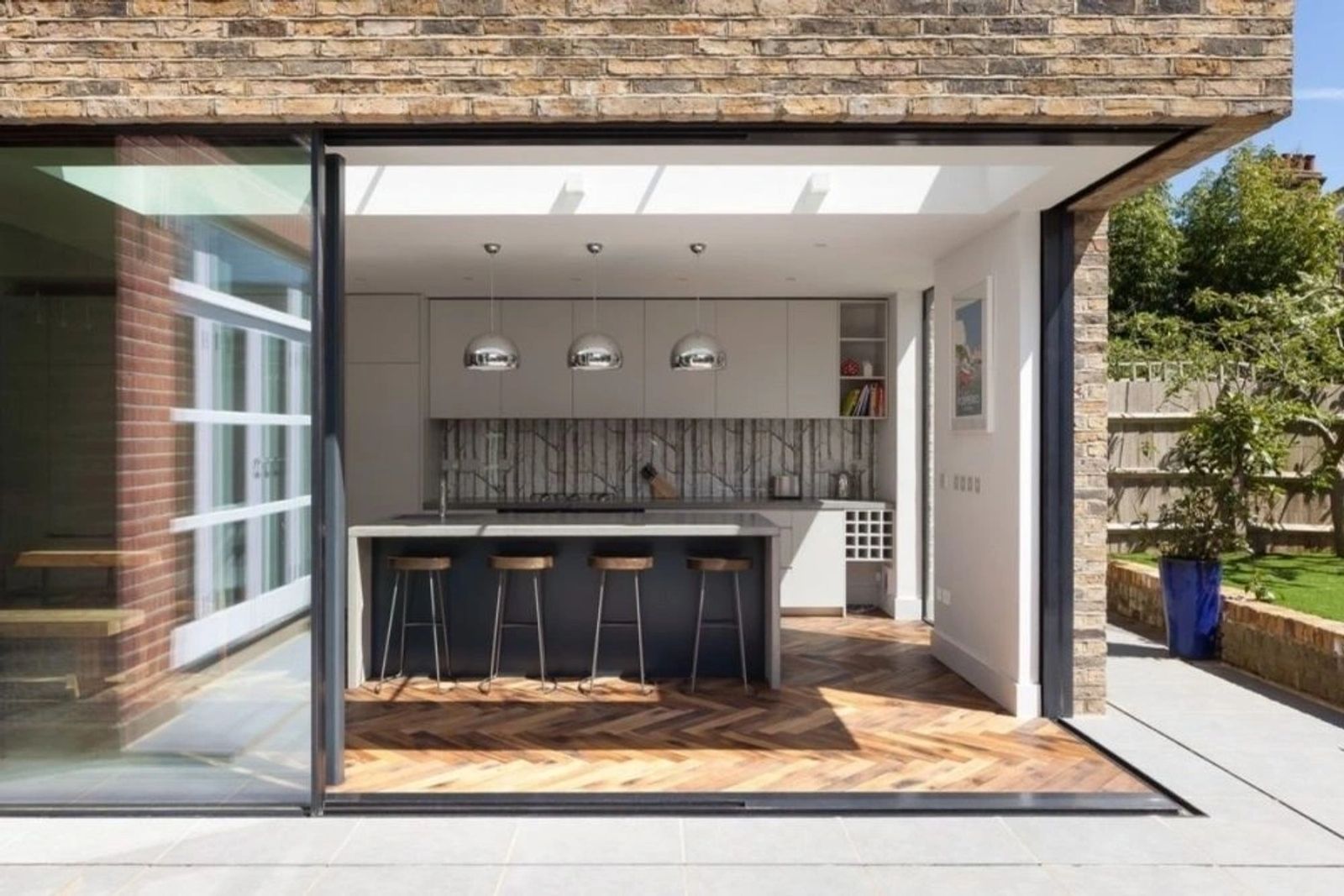
Corner glazing is one of the most striking moves available in contemporary design, and one of the easiest to get wrong without early structural planning.
Collections
Specification

A view is easy to waste with the wrong window. Framing a Lake District outlook well is a design task in its own right, separate from simply choosing a large pane of glass.
Written by Windows in the Lakes · A trading name of Home Glazing Ltd
Many homes in the Lake District have a view worth designing around — a fell, a lake glimpse, a stretch of open valley. It is tempting to respond with the largest possible pane of glass, but a genuinely well-framed view usually involves more restraint and more precision than that: careful positioning, the right glass, and attention to what happens to the room around the window, not just the window itself.
This guide covers the decisions that go into framing a Lake District view successfully, and the common mistakes that waste a good outlook.
A view is often best captured by a precisely positioned opening rather than the largest possible one. Standing at typical eye height in the room — seated at a kitchen table, standing at a worktop, sitting in the main living space — and checking exactly what is visible through a proposed opening height and cill level will often reveal that a slightly repositioned or resized window captures more of the view than a larger but less carefully placed one.
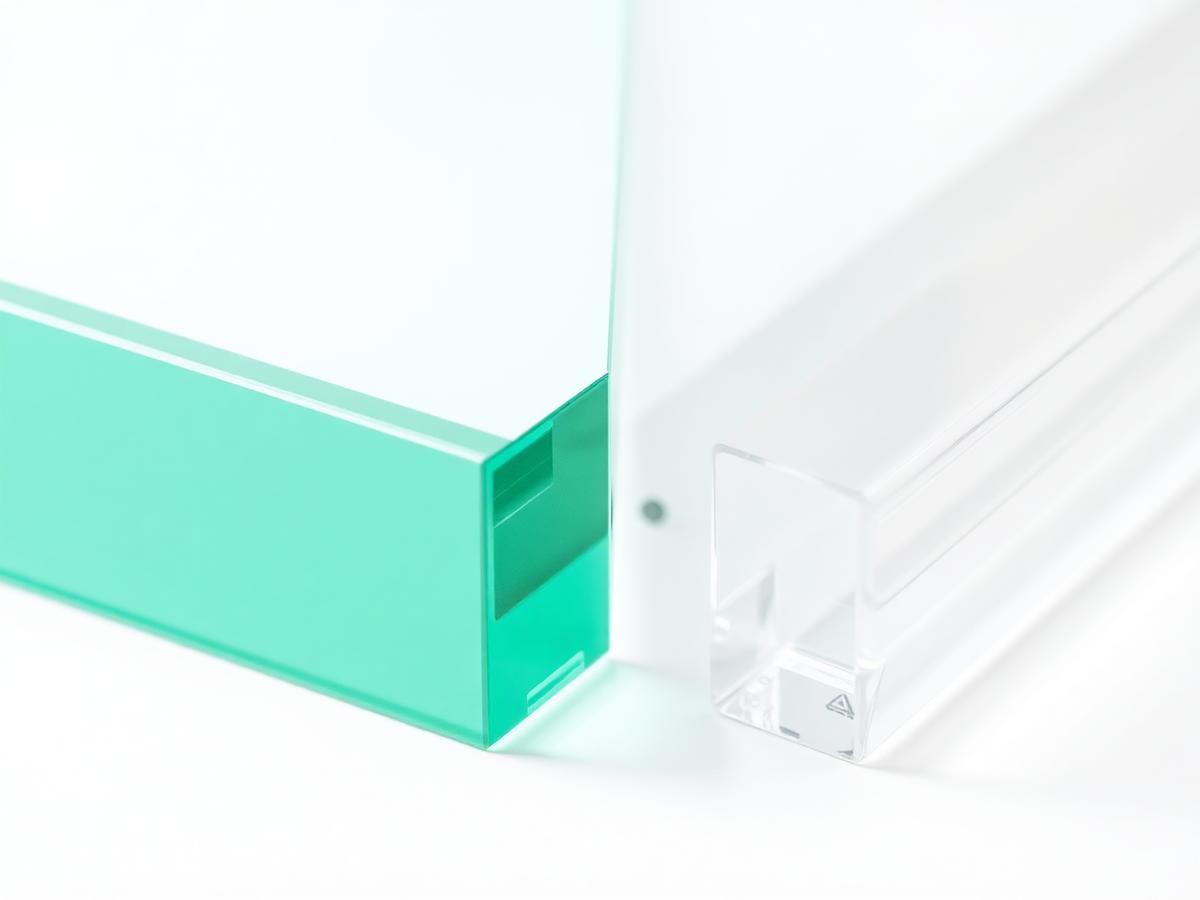
Standard clear double glazing has a faint green tint caused by iron content in ordinary glass, which is barely noticeable in a small window but becomes visible across a large picture window, subtly affecting how a view is perceived. Low-iron glass removes most of this tint, giving a noticeably clearer, more neutral view — a worthwhile upgrade on any picture window that is the main feature of a room.
| Glass type | Effect on the view |
|---|---|
| Standard clear double glazing | Slight green tint, more visible on large panes |
| Low-iron glass | Neutral colour, closest to an unglazed view |
| Solar control glass | Reduces glare and overheating; slight tint or reflectivity depending on coating |
| Reflective glass | Reduces overheating strongly; noticeably changes the view's colour and clarity |
A large picture window facing a bright, open valley can cause significant glare at certain times of day, and if it faces south or west, overheating in a room that otherwise has little ventilation. Both are avoidable with the right specification rather than curtains or blinds fitted as an afterthought.
Next step
We design, specify and install across Cumbria, the Lake District and the wider North. Send drawings, photographs or simply a description of the building and we will tell you what is possible and what it should cost.
Explore from here
Save anything you are drawn to. It gathers in My Inspiration and travels with your enquiry as a design brief.
Low Iron Glass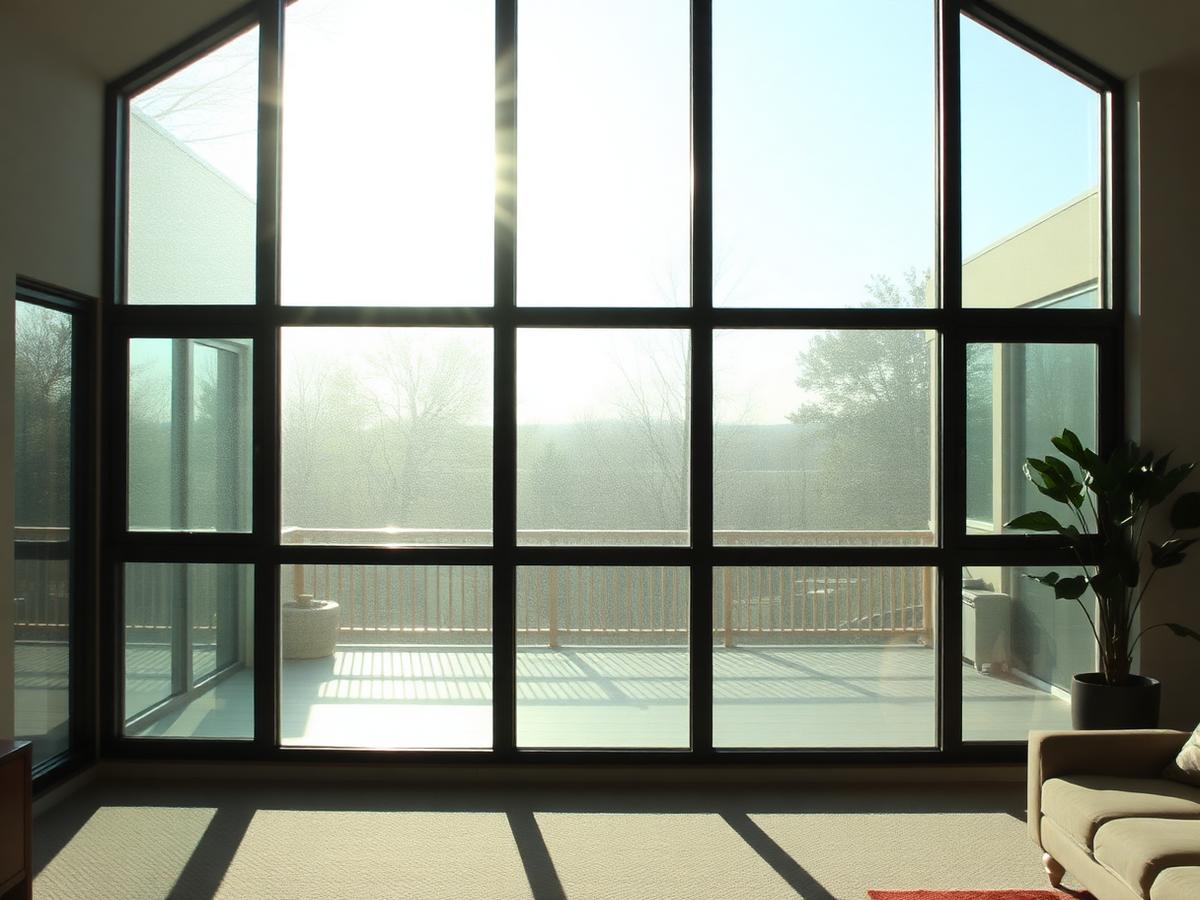 Solar Control
Questions
If your question isn’t here, we would rather talk it through properly than guess.
Book a Design ConsultationVisit the Knowledge CentreKeep reading
Design Inspiration · 3 min read
Corner glazing is one of the most striking moves available in contemporary design, and one of the easiest to get wrong without early structural planning.
Glass Advice · 3 min read
Standard glass carries a faint green tint. Low-iron glass removes it, for a genuinely clear view.
Product Comparisons · 3 min read
Solar control glass and low-iron glass are often asked about as if they solve the same problem. They solve two different ones, and can often be combined.
Design Inspiration · 3 min read
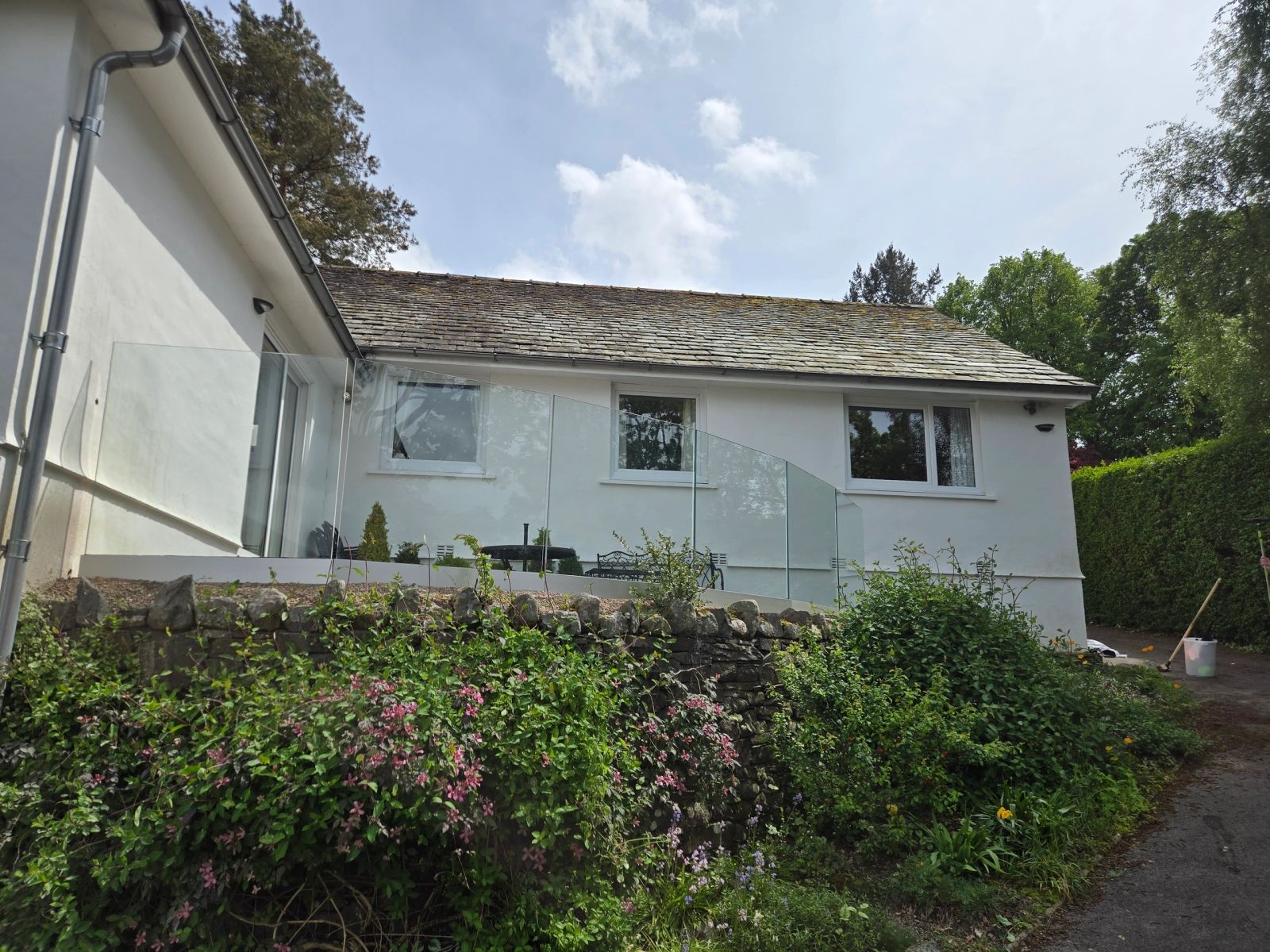
A new build has none of the constraints of a period property. That freedom needs a clear glazing strategy, or the elevation ends up busy rather than bold.
Build your own collection of expert advice as you plan your project.
Wondering how this applies to your own home?
Share a photograph and we’ll turn this guidance into recommendations for your property.
Ready to understand the likely investment?
Start your personalised Project Investment Guide and see comparable completed projects.
Begin
Bring us your drawings, your site photographs or simply an idea. We will tell you what is possible, what it should cost and how long it will take.