Flagship guide · 11 min read
The Complete Guide to Glass Specification
The frame gets most of the attention, but the glass does most of the work. This is our full guide to choosing it properly.
Collections
Specification
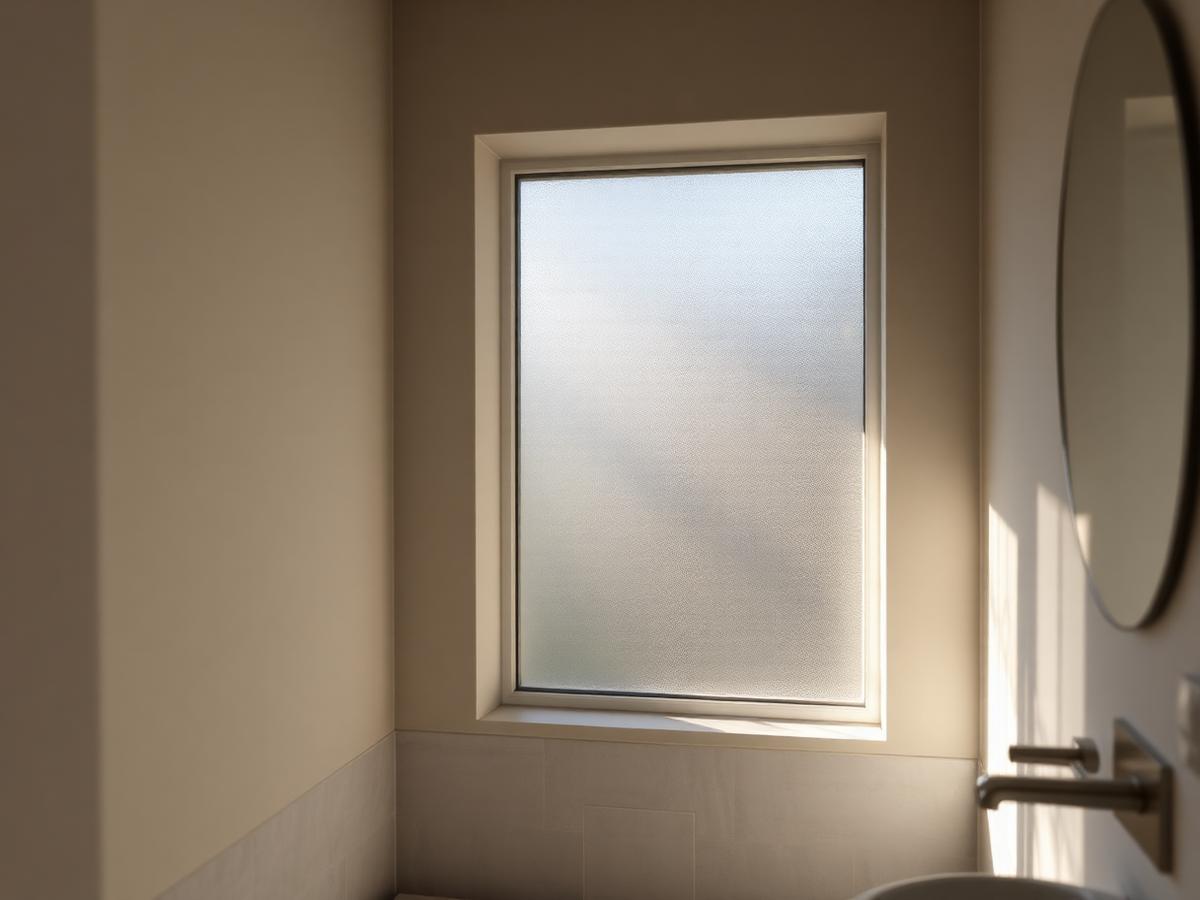
Privacy glass gives control over overlooking without the permanent frosted look of obscure glass.
Written by Windows in the Lakes · A trading name of Home Glazing Ltd
Privacy is one of the most common reasons a homeowner asks us about glass specification, and it is worth understanding the full range of options before defaulting to standard obscure glass. Privacy glass covers a spectrum from fixed coated glass to switchable electronic glass that changes from clear to opaque at the flick of a switch, and choosing the right one depends on how much control you need and where the window sits.
This guide focuses on the coated and switchable end of that spectrum. For textured obscure patterns, see our separate obscure glass comparison guide.
| Type | How it works | Control |
|---|---|---|
| Coated privacy film | A fixed coating reduces view-through while allowing light in | None — always private |
| Reflective glass | Mirror-like coating gives daytime privacy only | None — changes naturally with daylight |
| Switchable (smart) glass | Electrically charged interlayer switches between clear and frosted | Full — controlled by switch or app |
| Obscure patterned glass | Textured surface scatters light and view | None — fixed pattern, see obscure guide |
Switchable privacy glass uses a liquid crystal interlayer laminated between two panes. With power applied, the crystals align and the glass is clear; with power removed, they scatter and the glass turns an even, milky white. It requires a low-voltage electrical connection run to the frame, so it needs to be planned in early with your electrician, and it is more commonly used in internal screens, home office partitions and en-suite windows than in external walls, though external-rated versions exist.
Switchable glass carries a significant cost premium over any other privacy option, often several times the cost of an equivalent standard unit, which is why it tends to be specified for one or two key openings — an internal home office screen, an en-suite window off a bedroom, a ground-floor study — rather than throughout a house. Fixed coated privacy glass and reflective glass sit much closer to standard glass pricing and suit situations where a single, consistent level of privacy is all that is needed.
Next step
We design, specify and install across Cumbria, the Lake District and the wider North. Send drawings, photographs or simply a description of the building and we will tell you what is possible and what it should cost.
Explore from here
Save anything you are drawn to. It gathers in My Inspiration and travels with your enquiry as a design brief.
Privacy (Switchable & Satin)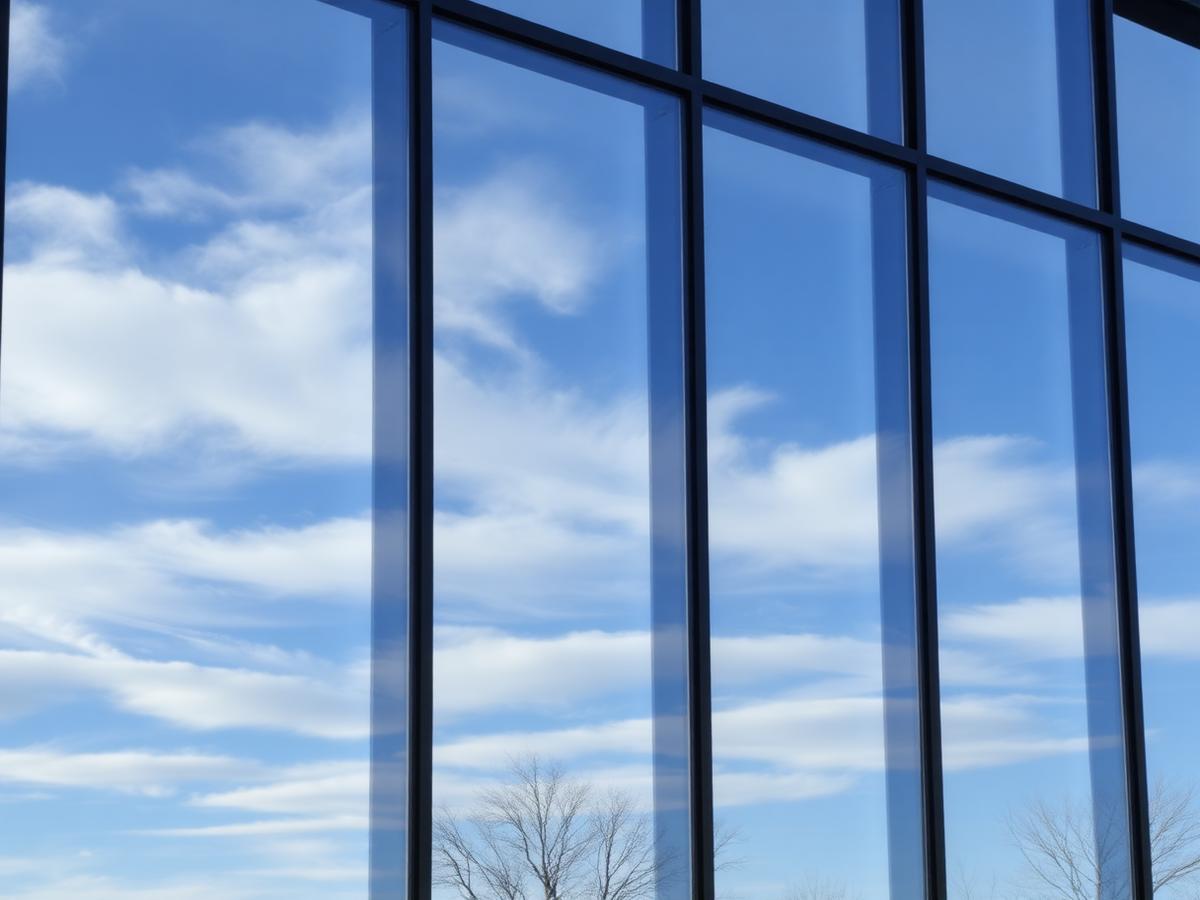 Reflective Glass
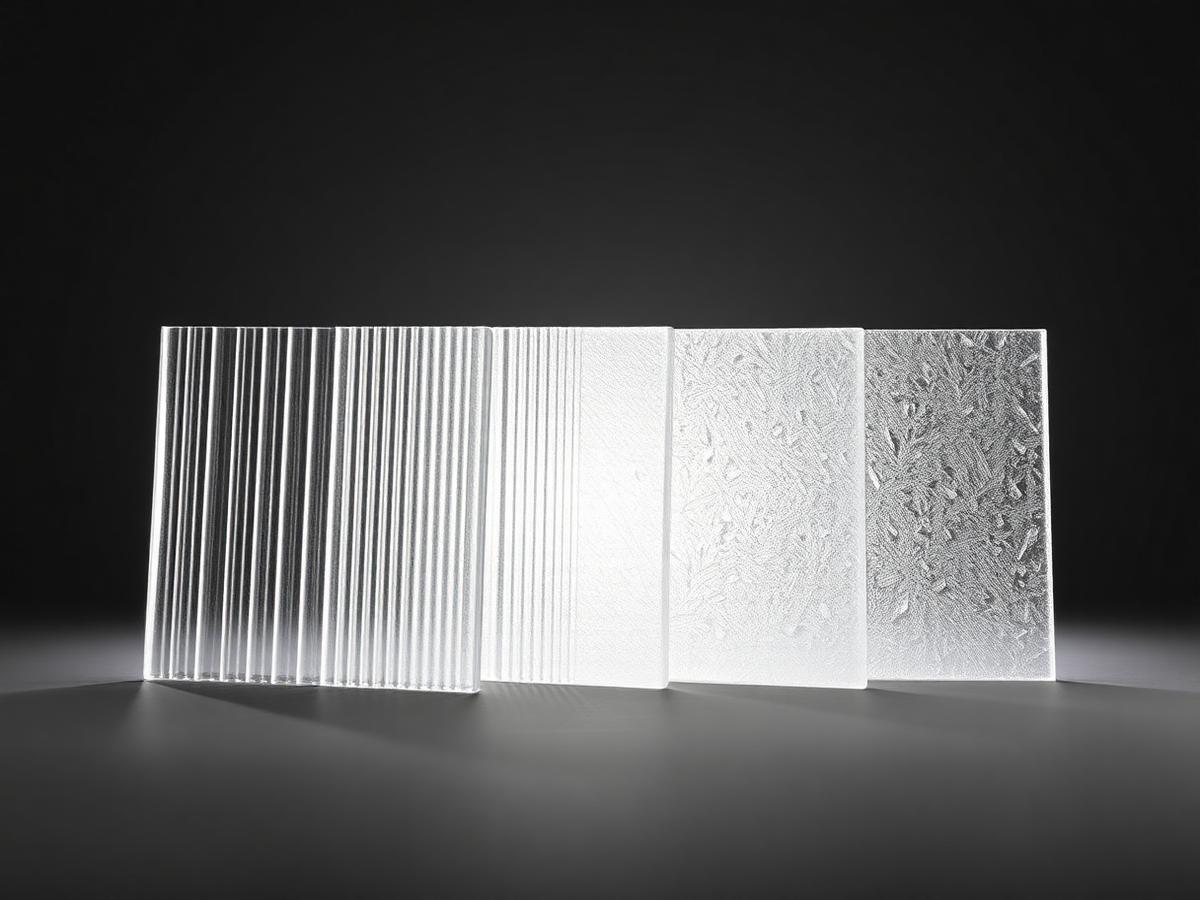 Obscure Glass Collection
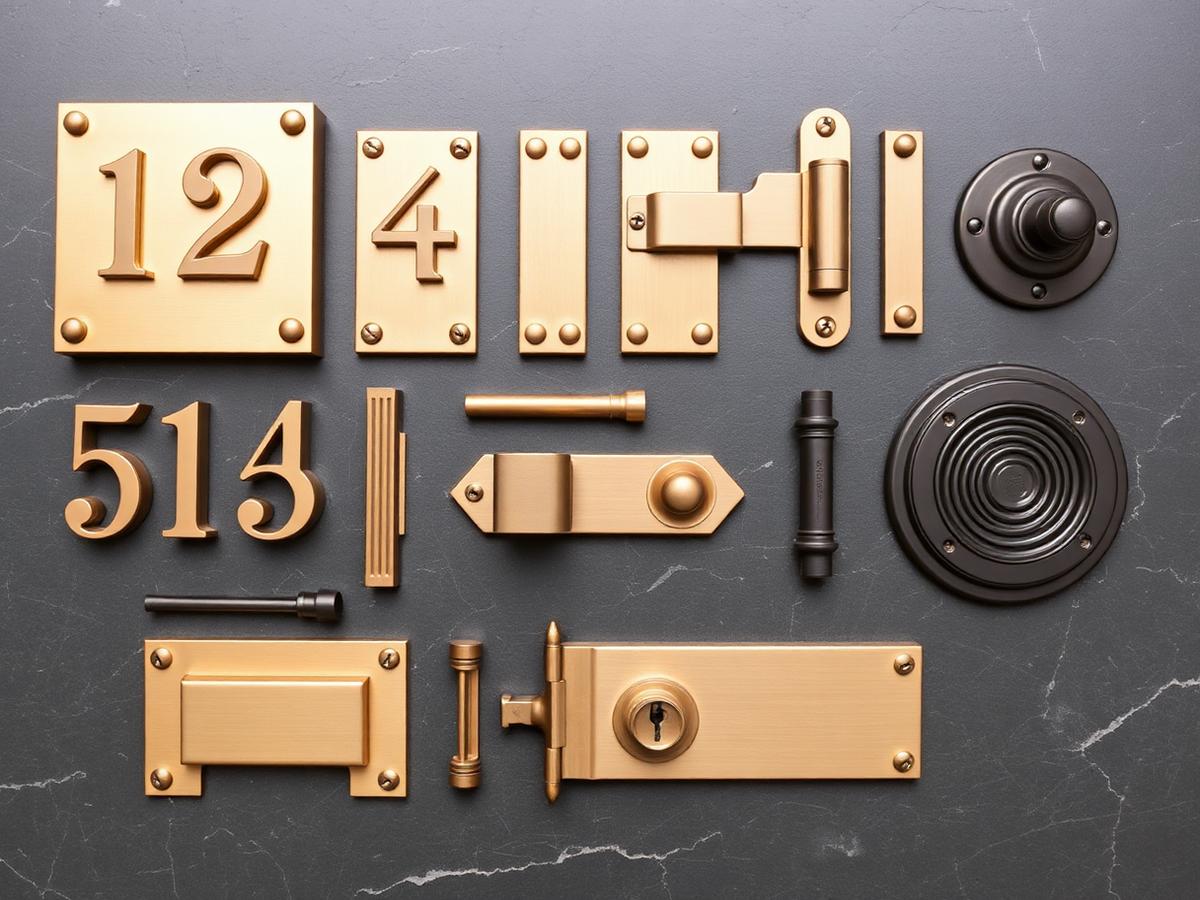 Accessories
Questions
If your question isn’t here, we would rather talk it through properly than guess.
Book a Design ConsultationVisit the Knowledge CentreKeep reading
Flagship guide · 11 min read
The frame gets most of the attention, but the glass does most of the work. This is our full guide to choosing it properly.
Glass Advice · 3 min read
Obscure glass comes in a range of textured patterns, each with a different balance of light transmission and privacy.
Glass Advice · 3 min read
Reflective glass gives strong daytime privacy and solar reduction, with a mirror-like appearance that suits some elevations more than others.
Buying Guides · 4 min read
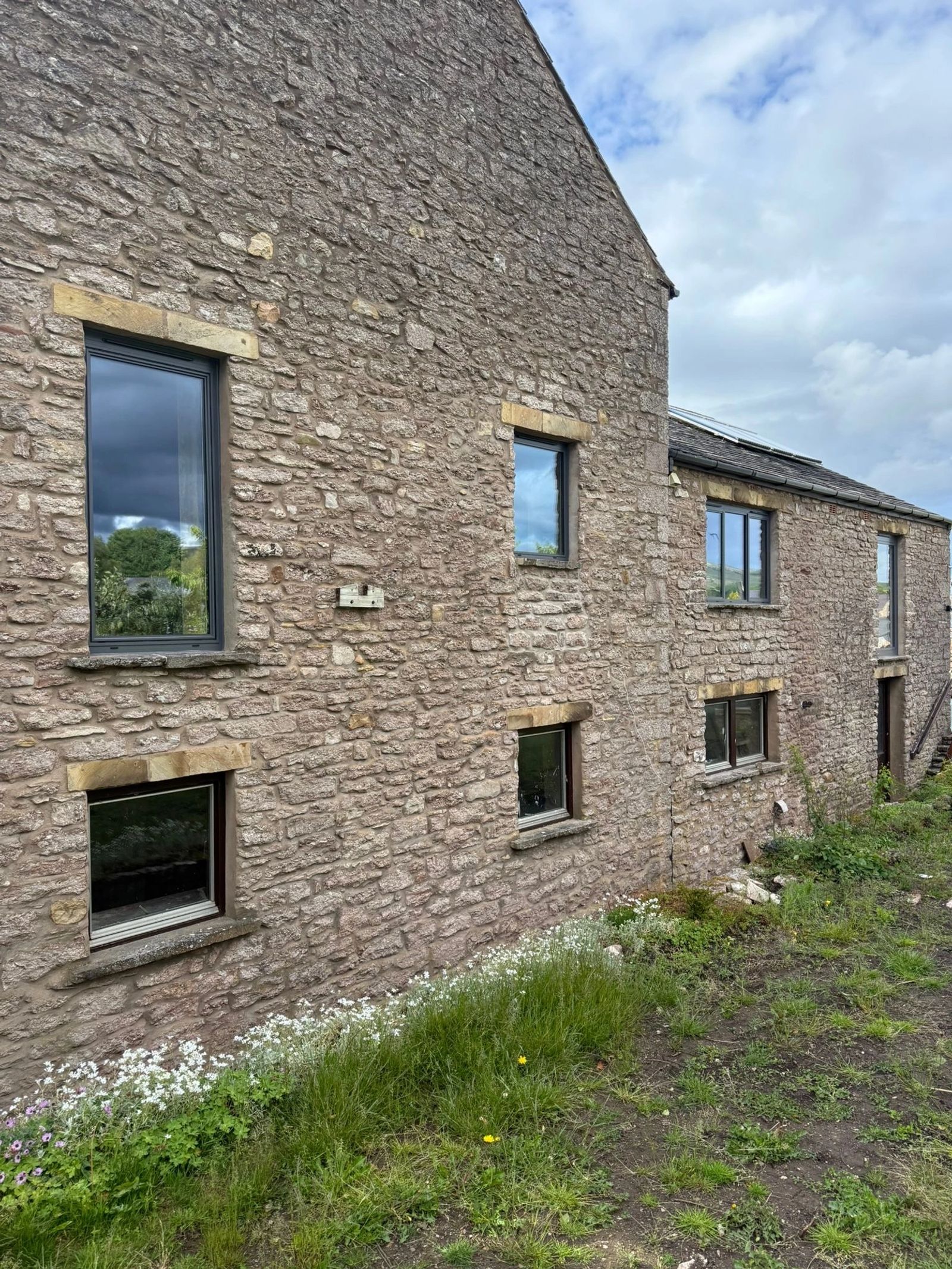
How steel-look internal doors and glass screens work, where they suit a home best, and what to consider on glass, framing and privacy.
Build your own collection of expert advice as you plan your project.
Wondering how this applies to your own home?
Share a photograph and we’ll turn this guidance into recommendations for your property.
Ready to understand the likely investment?
Start your personalised Project Investment Guide and see comparable completed projects.
Begin
Bring us your drawings, your site photographs or simply an idea. We will tell you what is possible, what it should cost and how long it will take.