
Flagship guide · 11 min read
The Complete Guide to Glass Specification
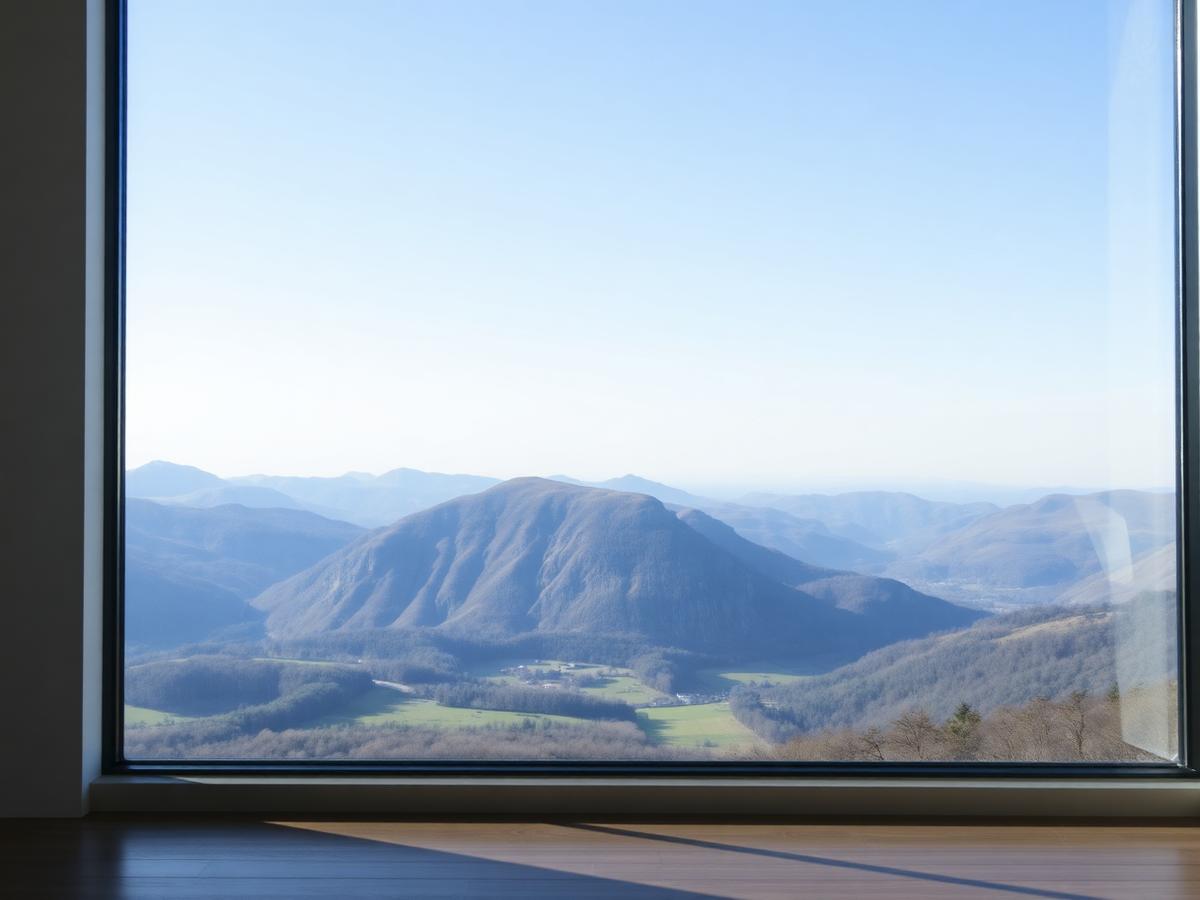
The frame gets most of the attention, but the glass does most of the work. This is our full guide to choosing it properly.
Collections
Specification
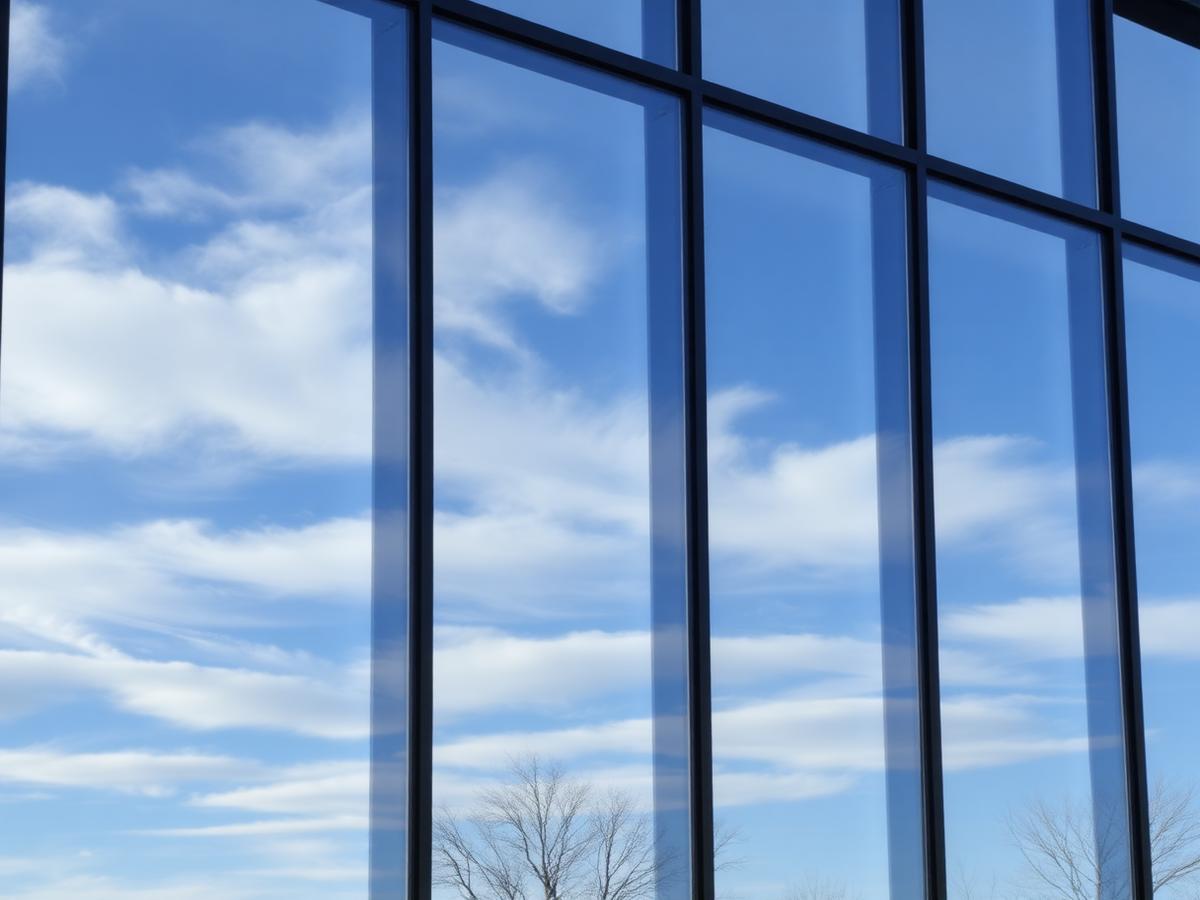
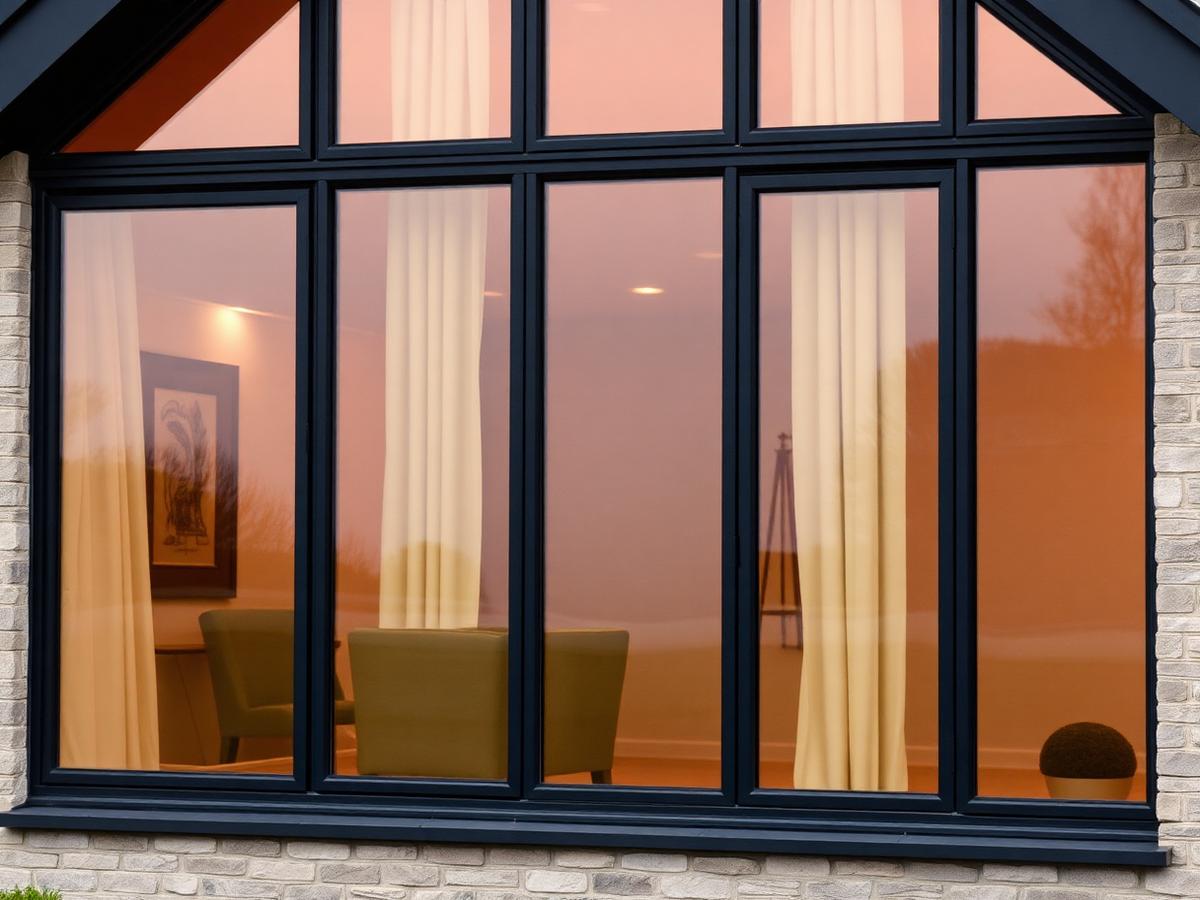
Reflective glass gives strong daytime privacy and solar reduction, with a mirror-like appearance that suits some elevations more than others.
Written by Windows in the Lakes · A trading name of Home Glazing Ltd
Reflective glass carries a metallic coating applied more heavily than a standard solar control coating, giving the glass a mirror-like appearance from outside during daylight while remaining transparent enough to see through from inside. It is used on commercial buildings for exactly this reason, and it has a place in residential glazing too, particularly on overlooked elevations where strong daytime privacy is wanted without permanently obscuring the glass.
This guide covers how it behaves, where it works well, and the trade-offs to weigh up before specifying it.
During the day, when light levels outside are higher than inside, reflective glass acts largely like a mirror from the outside, while someone inside the room can see out relatively normally. At night this reverses: once internal lights are on and it is dark outside, the glass behaves more like an ordinary window, and internal visibility to the outside increases. This day/night behaviour is the single most important thing to understand before specifying it.
Next step
We design, specify and install across Cumbria, the Lake District and the wider North. Send drawings, photographs or simply a description of the building and we will tell you what is possible and what it should cost.
Explore from here
Save anything you are drawn to. It gathers in My Inspiration and travels with your enquiry as a design brief.
Reflective Glass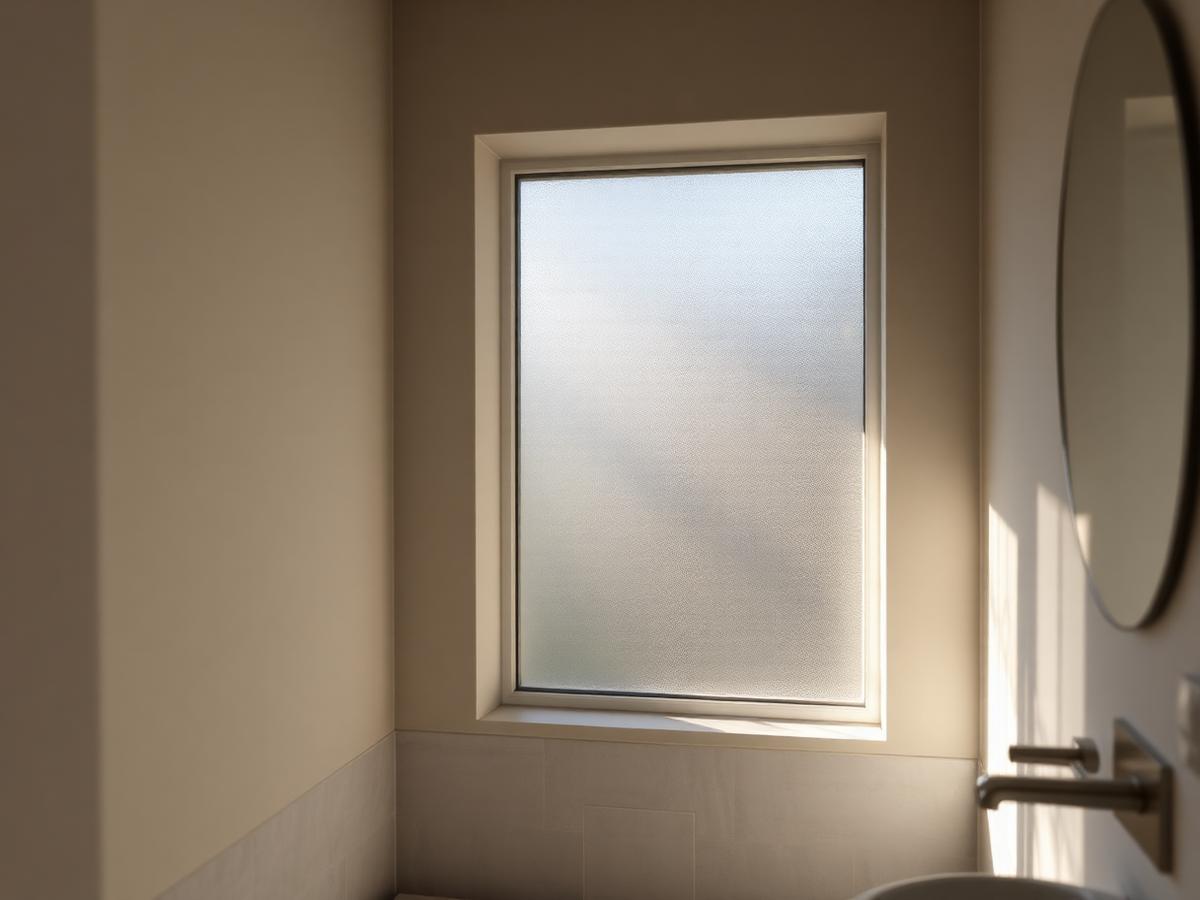 Privacy (Switchable & Satin)
Questions
If your question isn’t here, we would rather talk it through properly than guess.
Book a Design ConsultationVisit the Knowledge CentreKeep reading
Flagship guide · 11 min read
The frame gets most of the attention, but the glass does most of the work. This is our full guide to choosing it properly.
Glass Advice · 3 min read
Privacy glass gives control over overlooking without the permanent frosted look of obscure glass.
Glass Advice · 3 min read
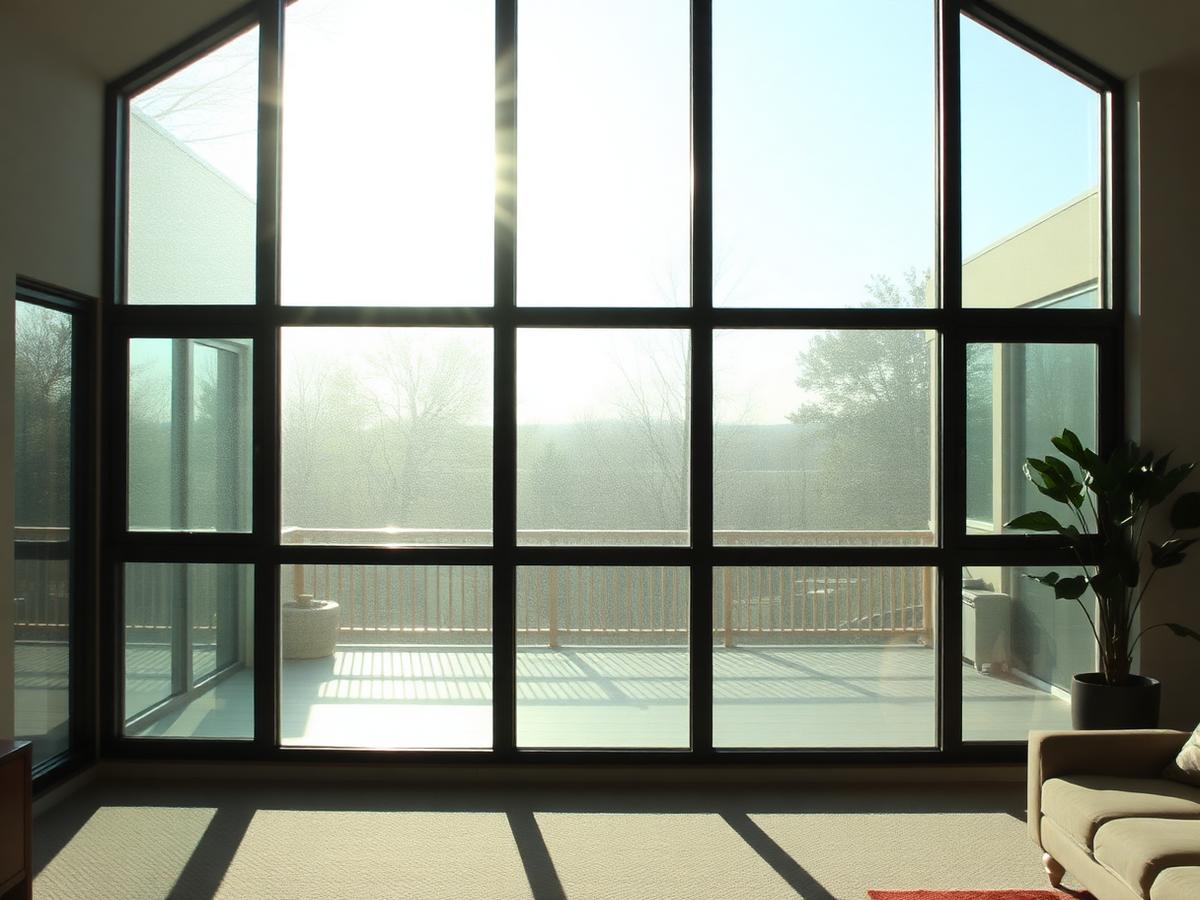
Large glazed openings on sunny elevations can overheat rooms even in a cool climate. Solar control glass is the usual solution.
Glass Advice · 3 min read
Tinted glass adds colour and a degree of solar reduction. It is chosen as much for appearance as for performance.
Build your own collection of expert advice as you plan your project.
Wondering how this applies to your own home?
Share a photograph and we’ll turn this guidance into recommendations for your property.
Ready to understand the likely investment?
Start your personalised Project Investment Guide and see comparable completed projects.
Begin
Bring us your drawings, your site photographs or simply an idea. We will tell you what is possible, what it should cost and how long it will take.