Flagship guide · 11 min read
The Complete Guide to Glass Specification
The frame gets most of the attention, but the glass does most of the work. This is our full guide to choosing it properly.
Collections
Specification
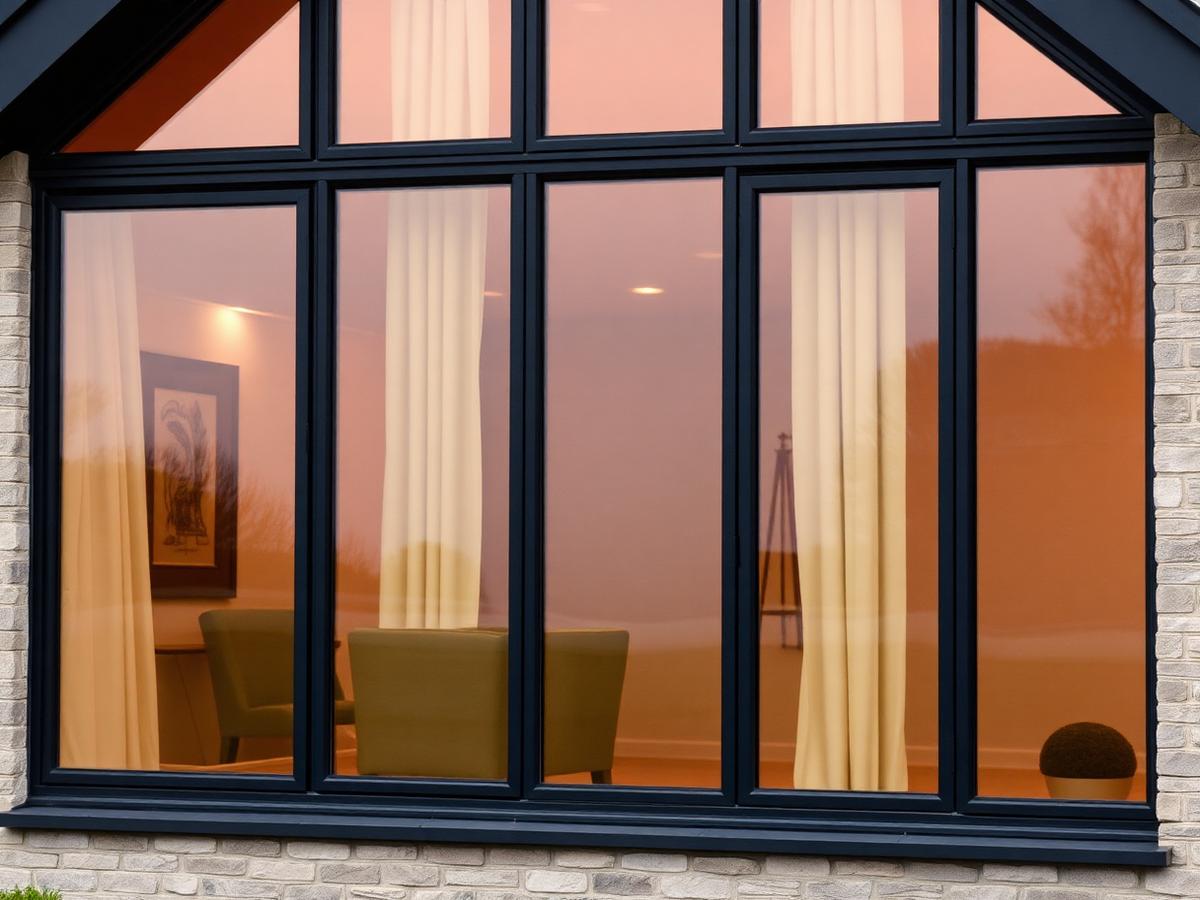
Tinted glass adds colour and a degree of solar reduction. It is chosen as much for appearance as for performance.
Written by Windows in the Lakes · A trading name of Home Glazing Ltd
Tinted glass has colour introduced into the glass itself during manufacture, most commonly in bronze or grey tones, rather than relying purely on a surface coating. It reduces glare and solar gain to a degree, but its main appeal for most homeowners is aesthetic — a warmer or cooler tone to the glazing that can complement a frame colour or a period property.
This guide covers how it compares with solar control and reflective glass, and where it suits a project.
| Tinted glass | Solar control glass | |
|---|---|---|
| How it works | Colour introduced through the body of the glass | Thin coating applied to one surface |
| Visual effect | Visible bronze or grey colour throughout | Near-neutral, very slight tint |
| Light transmittance | Lower, typically 40–60% | Higher, typically around 70% |
| Best suited to | Design-led projects wanting a warm or cool tone | Performance-led projects prioritising comfort and daylight |
The two are not mutually exclusive — a tinted outer pane can be combined with a solar control coating on the inner surfaces for a stronger combined effect, though this further reduces light transmittance and is worth viewing as a sample before committing.
Next step
We design, specify and install across Cumbria, the Lake District and the wider North. Send drawings, photographs or simply a description of the building and we will tell you what is possible and what it should cost.
Explore from here
Save anything you are drawn to. It gathers in My Inspiration and travels with your enquiry as a design brief.
Bronze Tint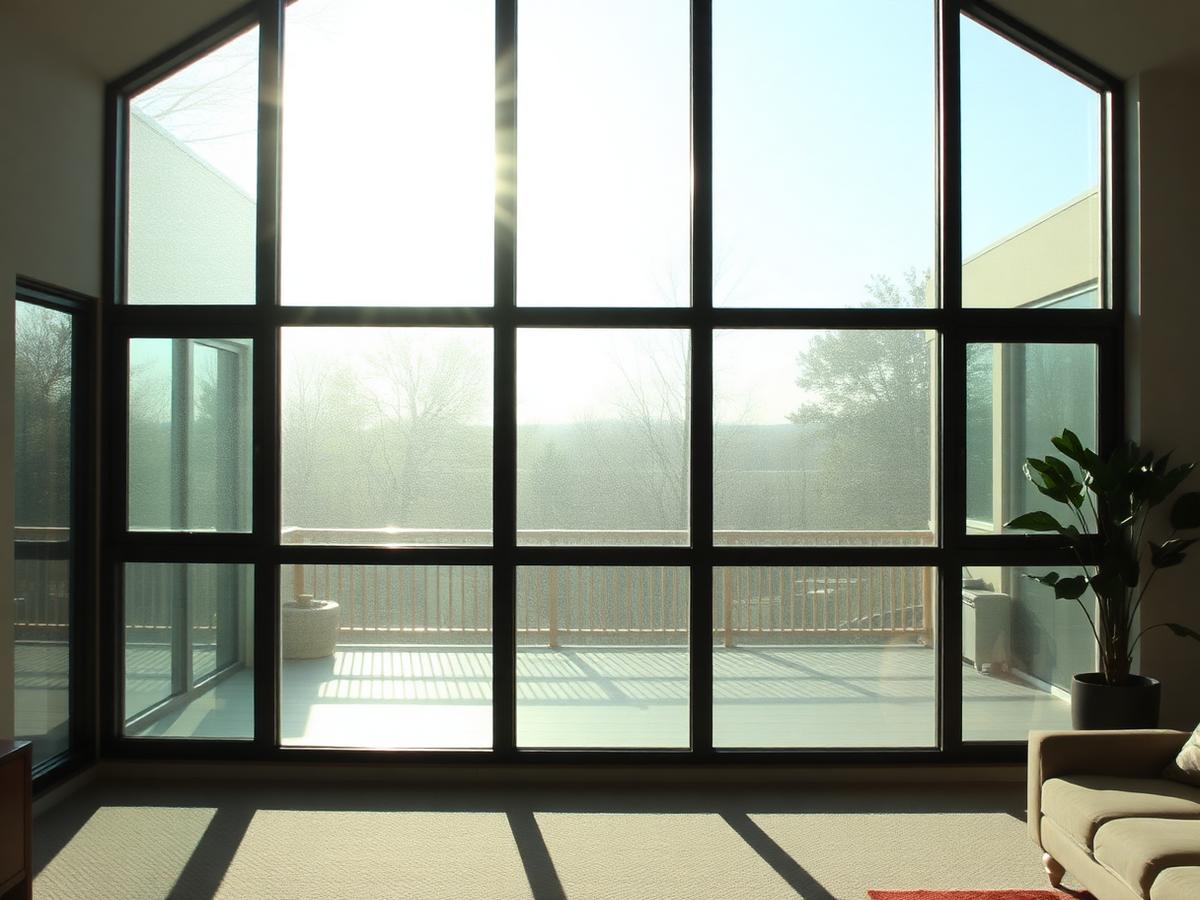 Solar Control
Questions
If your question isn’t here, we would rather talk it through properly than guess.
Book a Design ConsultationVisit the Knowledge CentreKeep reading
Flagship guide · 11 min read
The frame gets most of the attention, but the glass does most of the work. This is our full guide to choosing it properly.
Glass Advice · 3 min read
Large glazed openings on sunny elevations can overheat rooms even in a cool climate. Solar control glass is the usual solution.
Glass Advice · 3 min read
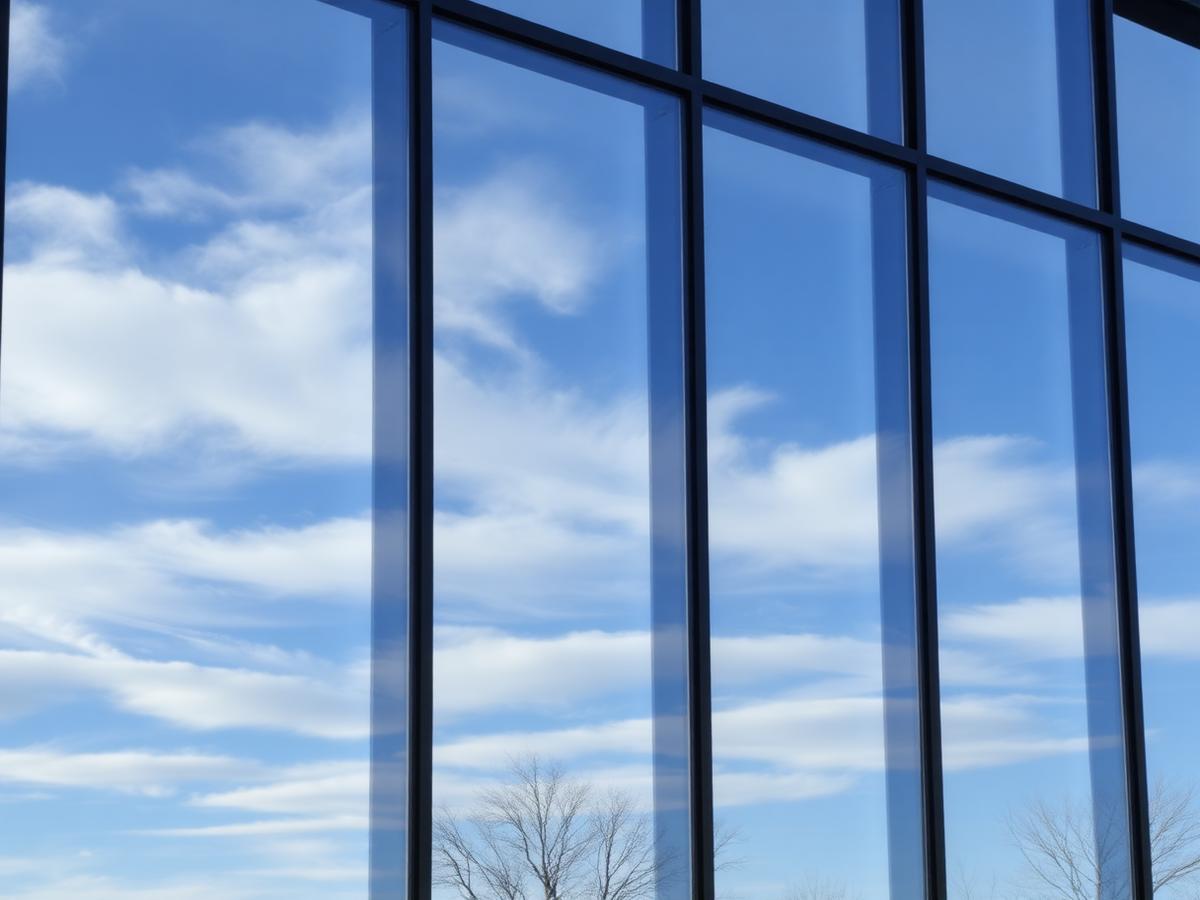
Reflective glass gives strong daytime privacy and solar reduction, with a mirror-like appearance that suits some elevations more than others.
Colours & Finishes · 3 min read
Bronze aluminium and anthracite grey are the two most common answers to the same brief: a warm, contemporary neutral that is not black and not white.
Build your own collection of expert advice as you plan your project.
Wondering how this applies to your own home?
Share a photograph and we’ll turn this guidance into recommendations for your property.
Ready to understand the likely investment?
Start your personalised Project Investment Guide and see comparable completed projects.
Begin
Bring us your drawings, your site photographs or simply an idea. We will tell you what is possible, what it should cost and how long it will take.