
Design Inspiration · 3 min read
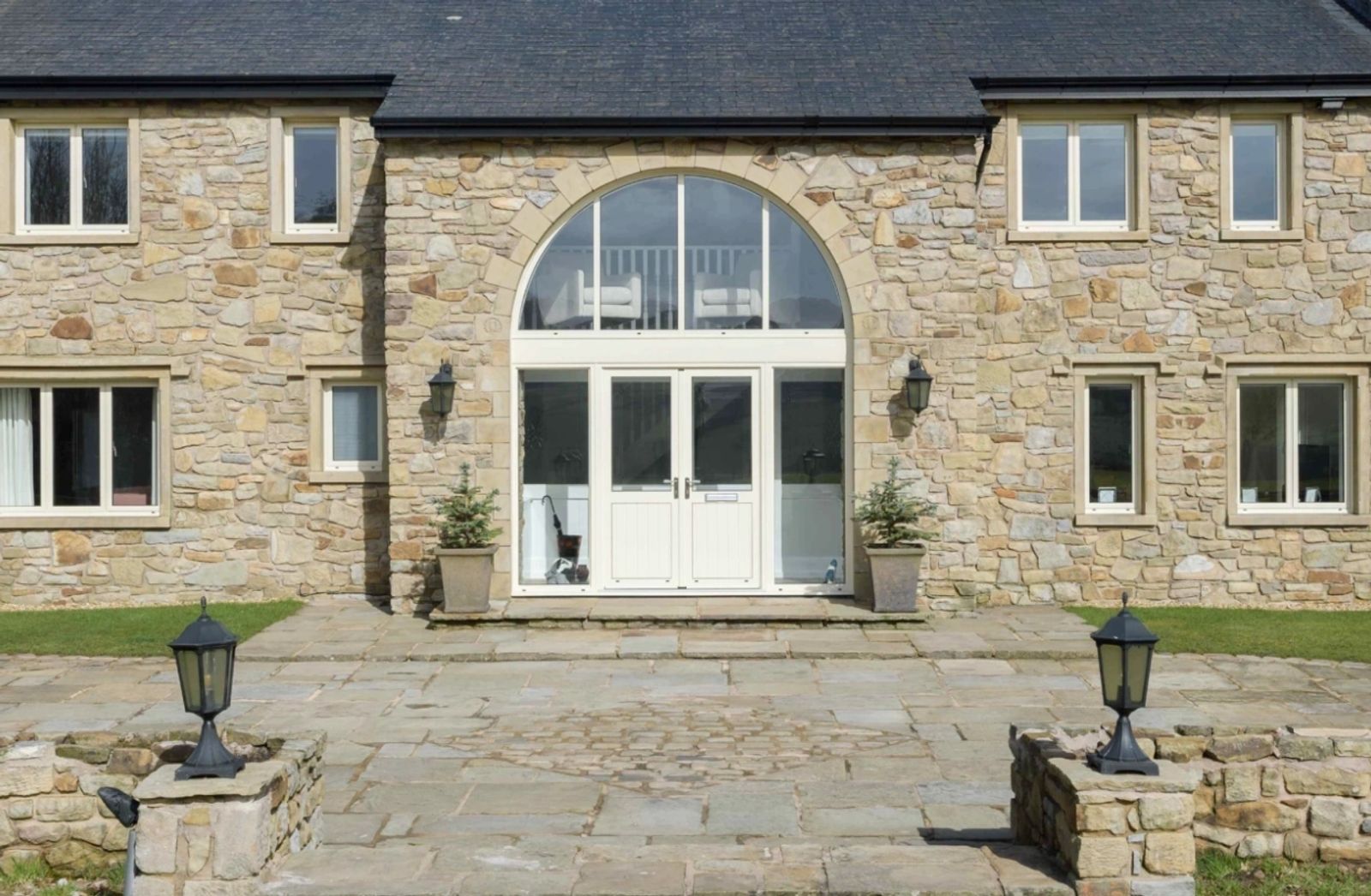
Window Ideas for Cumbrian Stone Cottages
Stone cottages are unforgiving of the wrong window. A few consistent proportion and detailing rules keep a replacement window looking like it belongs.
Collections
Specification
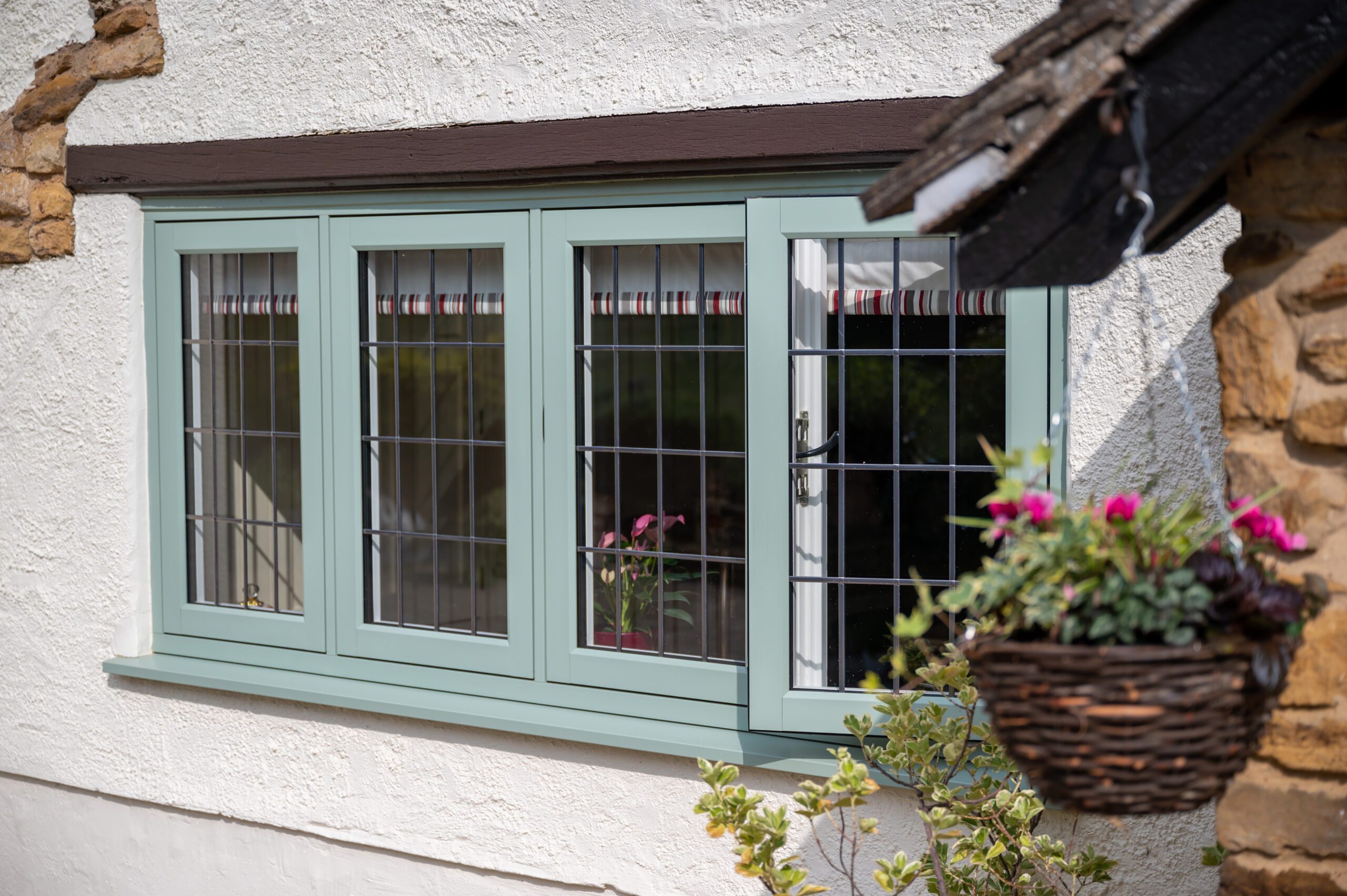
Victorian houses have a strong, recognisable window language. Renovations succeed when they respect it rather than modernise it away.
Written by Windows in the Lakes · A trading name of Home Glazing Ltd
Victorian terraces and villas across Cumbria share a set of window conventions: tall vertical sashes, bay windows with a repeated rhythm of narrow panes, and decorative surrounds in stone or render. Renovating these windows well means understanding which of those conventions to keep and which can be sympathetically updated for performance.
This guide covers the proportion, bay window and detailing decisions that come up repeatedly on Victorian renovation projects.
Victorian sash windows are typically divided into two vertically sliding sashes, often with the upper sash further subdivided by glazing bars while the lower sash remains a single pane — a pattern known as a two-over-one. Reproducing this proportion, rather than defaulting to a symmetrical grid, is usually the single biggest factor in a convincing replacement.
Victorian bay windows usually have a central flat or canted section flanked by angled sides, each with its own sash. Renovations sometimes simplify this into a single flat picture window, which loses the depth and rhythm that made the bay distinctive from the street.
| Decision | Recommendation |
|---|---|
| Bay shape | Retain original canted or bow shape rather than squaring it off |
| Number of lights | Match original count of sashes across the bay |
| Cill and roof detail | Retain slate or lead roof and stone cill unless failing structurally |
White and off-white remain the most common and safest choice for Victorian frames, particularly on painted render or brick terraces, though anthracite grey has become an accepted contemporary alternative on some streets. Hardware — sash lifts, fasteners, letterplates on the front door — should be simple brass, black or bronze rather than bright chrome, which reads as modern against period joinery.
Next step
We design, specify and install across Cumbria, the Lake District and the wider North. Send drawings, photographs or simply a description of the building and we will tell you what is possible and what it should cost.
Explore from here
Save anything you are drawn to. It gathers in My Inspiration and travels with your enquiry as a design brief.
Questions
If your question isn’t here, we would rather talk it through properly than guess.
Book a Design ConsultationVisit the Knowledge CentreKeep reading
Design Inspiration · 3 min read
Stone cottages are unforgiving of the wrong window. A few consistent proportion and detailing rules keep a replacement window looking like it belongs.
Product Comparisons · 3 min read
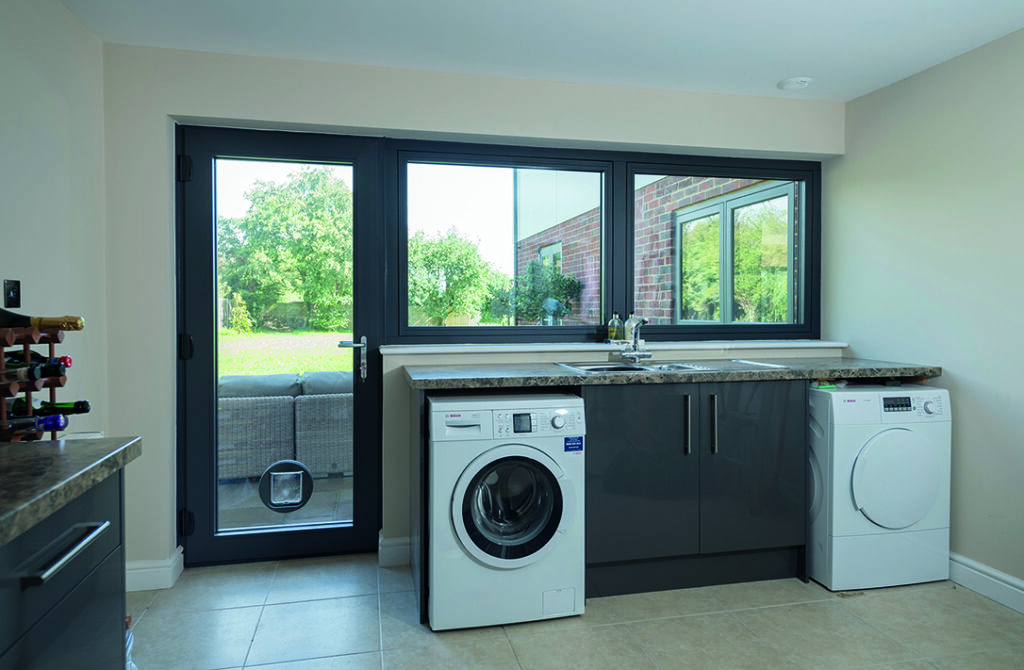
A flush casement sits within the frame rather than proud of it. It is a small structural difference with a real effect on how traditional or contemporary a window looks.
Flagship guide · 11 min read
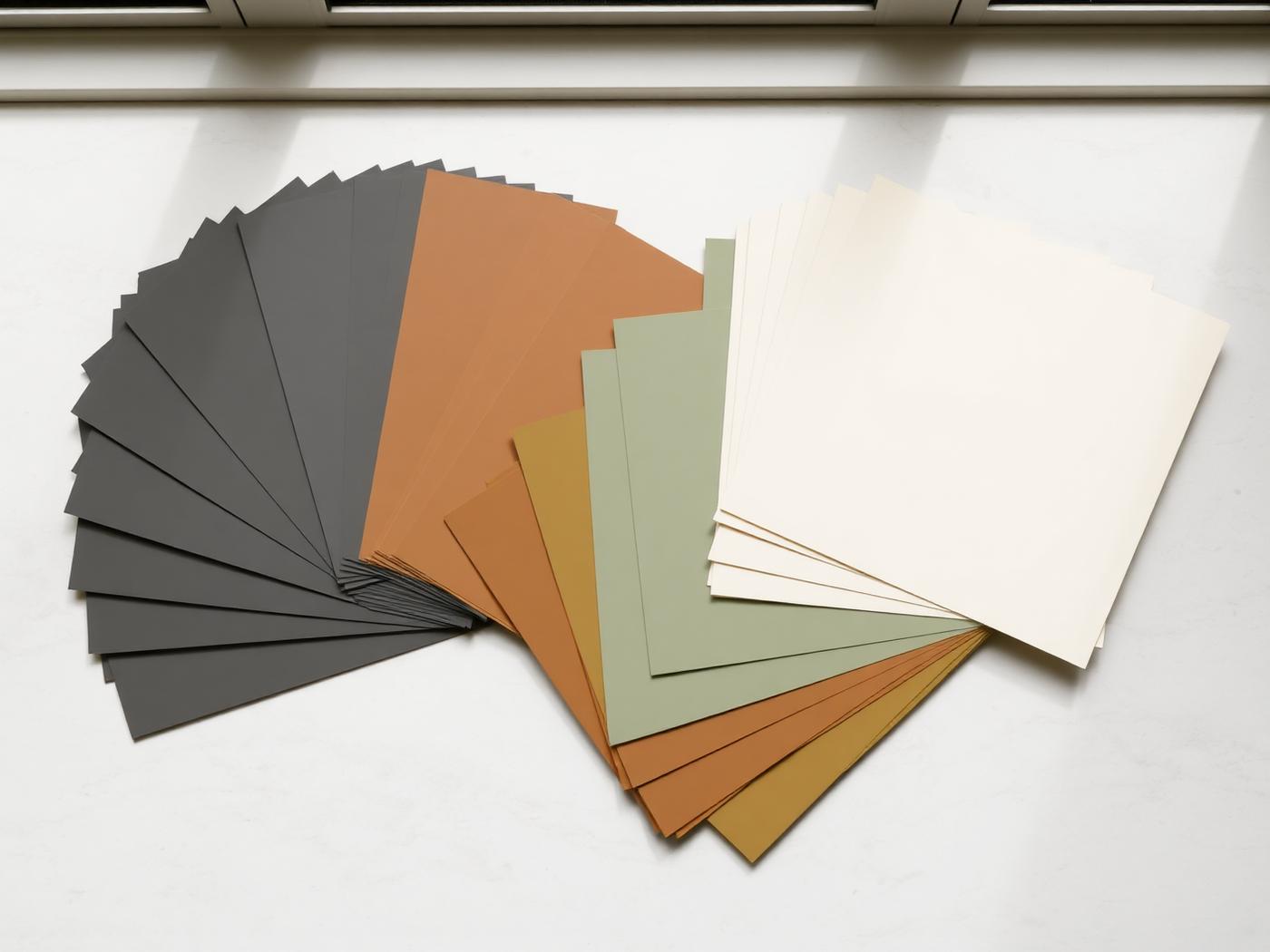
Frame colour is the single decision that does more to a house's character than almost any other, and it is one of the hardest to reverse once glazing is installed.
Planning & Regulations · 3 min read
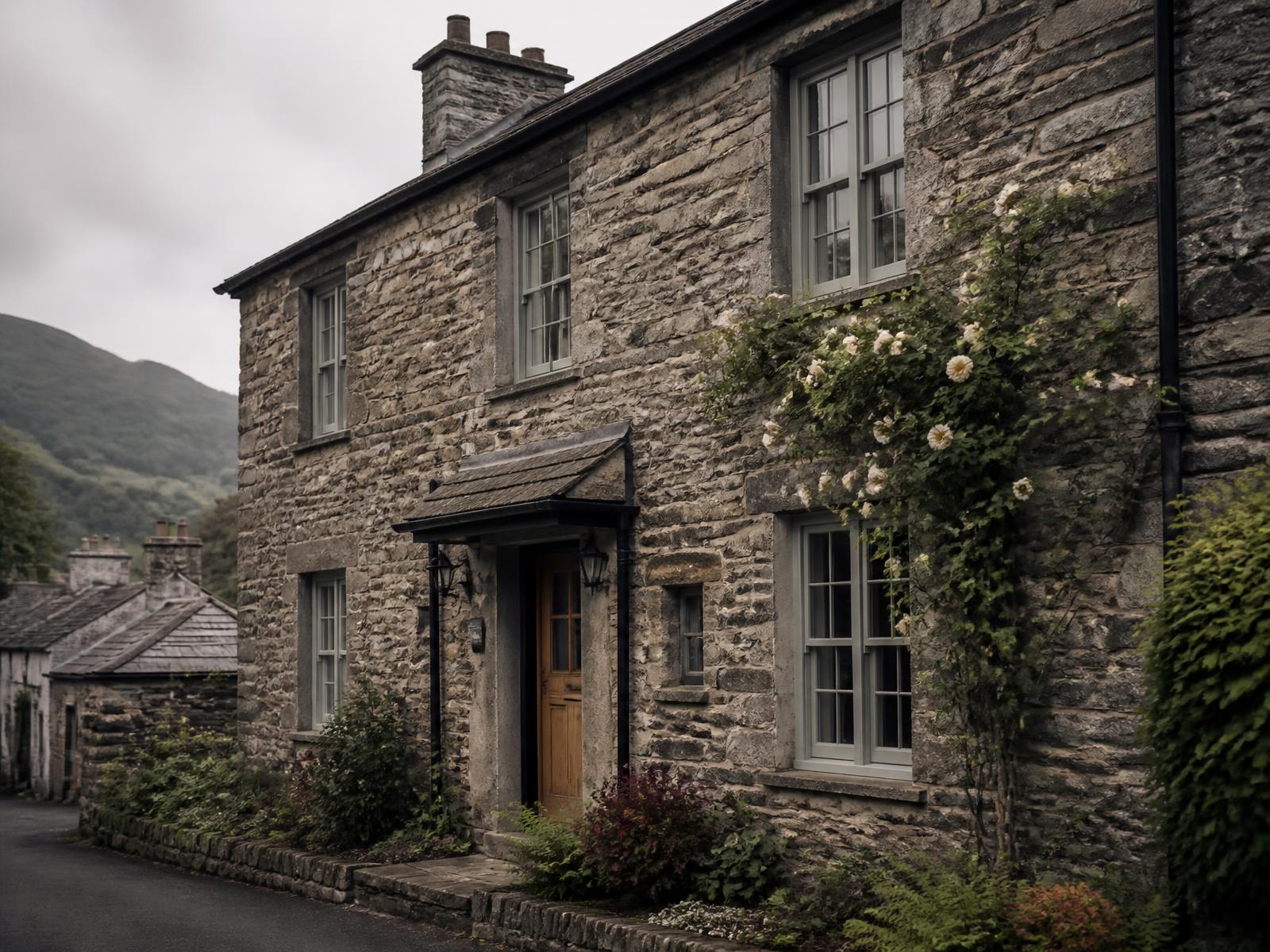
Conservation area status does not ban new windows, but it does change what needs permission and what a planning officer will expect to see.
Build your own collection of expert advice as you plan your project.
Wondering how this applies to your own home?
Share a photograph and we’ll turn this guidance into recommendations for your property.
Ready to understand the likely investment?
Start your personalised Project Investment Guide and see comparable completed projects.
Begin
Bring us your drawings, your site photographs or simply an idea. We will tell you what is possible, what it should cost and how long it will take.