
Flagship guide · 7 min read
U-Values and Thermal Performance Explained
The single figure most quoted in glazing brochures, and the one most often misunderstood. Here is what a U-value actually measures, and what to do with it.
Collections
Specification
Frame material shapes thermal performance, sightline width and structural strength together. Here is how the main options compare on the numbers.
Written by Windows in the Lakes · A trading name of Home Glazing Ltd
Frame material choice affects far more than appearance. It determines how narrow the sightlines can be for a given structural span, how the frame achieves its U-value, and how the product ages over decades of Cumbrian weather.
This guide sets out the thermal and structural characteristics of the main frame materials used in premium residential glazing, as a technical companion to the broader aluminium vs uPVC comparison elsewhere in the Knowledge Centre.
| Material | Typical Uf (frame only) | Structural strength | Typical lifespan |
|---|---|---|---|
| Aluminium, thermally broken | 1.8 – 2.2 W/m²K | Very high — narrow sightlines possible | 35 – 45 years |
| Residence Collection (foam-filled aluminium) | similar to standard aluminium, improved chamber design | Very high | 35 – 45 years |
| Timber-look uPVC | 1.2 – 1.5 W/m²K | Moderate — needs steel reinforcement for larger spans | 25 – 35 years |
| Timber (engineered hardwood/softwood) | 1.0 – 1.4 W/m²K | Good, naturally insulating but needs maintenance | 30 – 60 years with upkeep |
| Steel (slim heritage sections) | 2.5 – 3.5 W/m²K uncoated | Very high — slimmest sightlines available | 60+ years |
Note that frame-only Uf figures are not directly comparable to whole-window Uw figures elsewhere in this section — uPVC's naturally lower conductivity frame can post a strong Uf figure while still landing at a similar whole-window U-value to a well thermally broken aluminium frame, once the glazing unit and frame factor are accounted for.
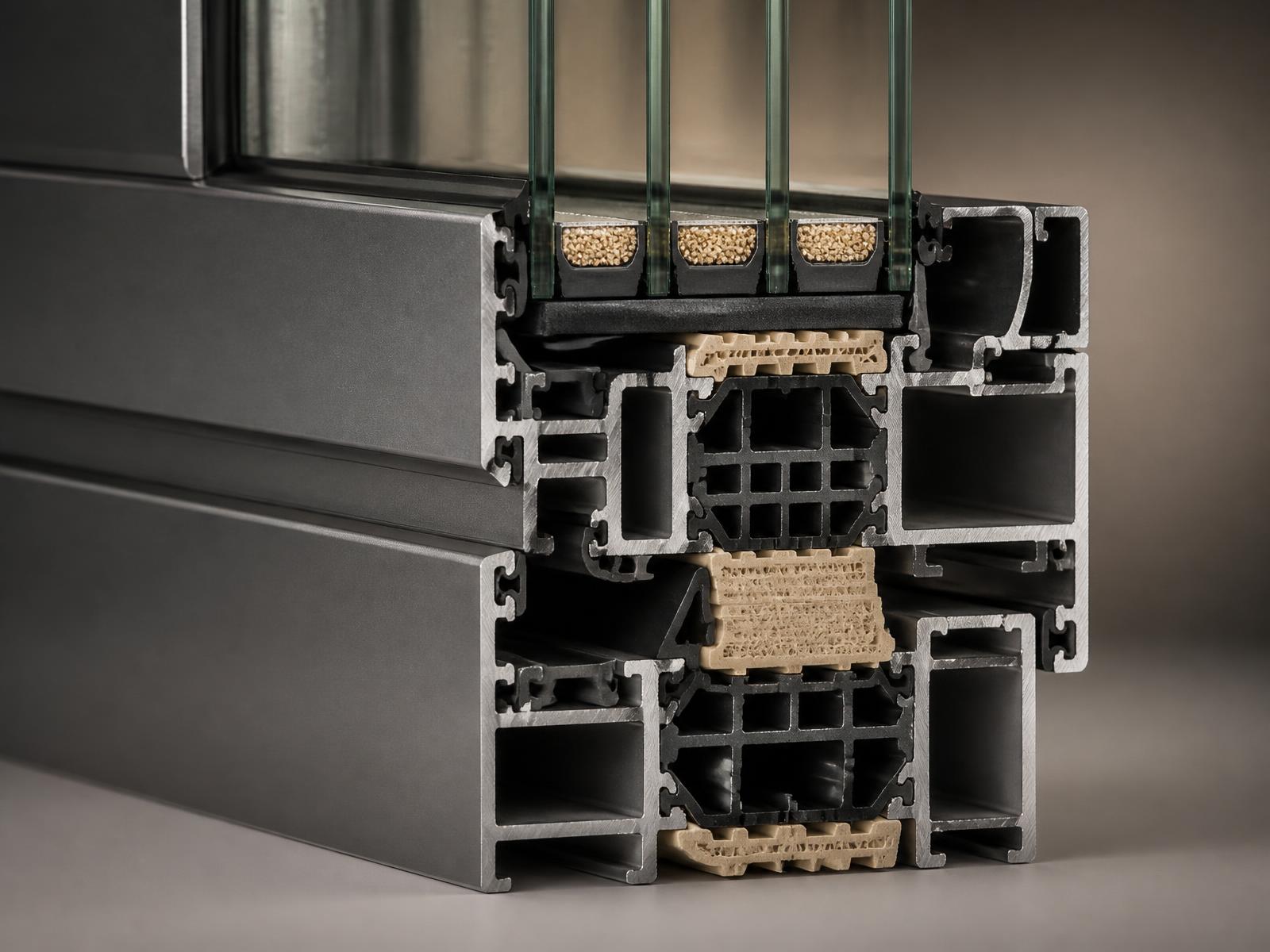
Aluminium is inherently a poor insulator, but its structural strength allows much slimmer frame sections than timber or uPVC for the same span, meaning a smaller proportion of the window area is frame rather than glass. Combined with a well-designed polyamide thermal break, this is how systems like the Residence Collection achieve both narrow, elegant sightlines and whole-window U-values that compete with, or beat, bulkier materials.
Aluminium's corrosion resistance and dimensional stability make it well suited to the exposed, wet conditions typical of the Lake District and Cumbrian coast, with powder-coated finishes generally holding colour and texture for decades with minimal maintenance. Timber requires more regular maintenance in this climate, though it remains the preferred choice on some listed buildings and conservation projects where planning conditions require it.
Next step
We design, specify and install across Cumbria, the Lake District and the wider North. Send drawings, photographs or simply a description of the building and we will tell you what is possible and what it should cost.
Explore from here
Save anything you are drawn to. It gathers in My Inspiration and travels with your enquiry as a design brief.
Questions
If your question isn’t here, we would rather talk it through properly than guess.
Book a Design ConsultationVisit the Knowledge CentreKeep reading
Flagship guide · 7 min read
The single figure most quoted in glazing brochures, and the one most often misunderstood. Here is what a U-value actually measures, and what to do with it.
Flagship guide · 8 min read
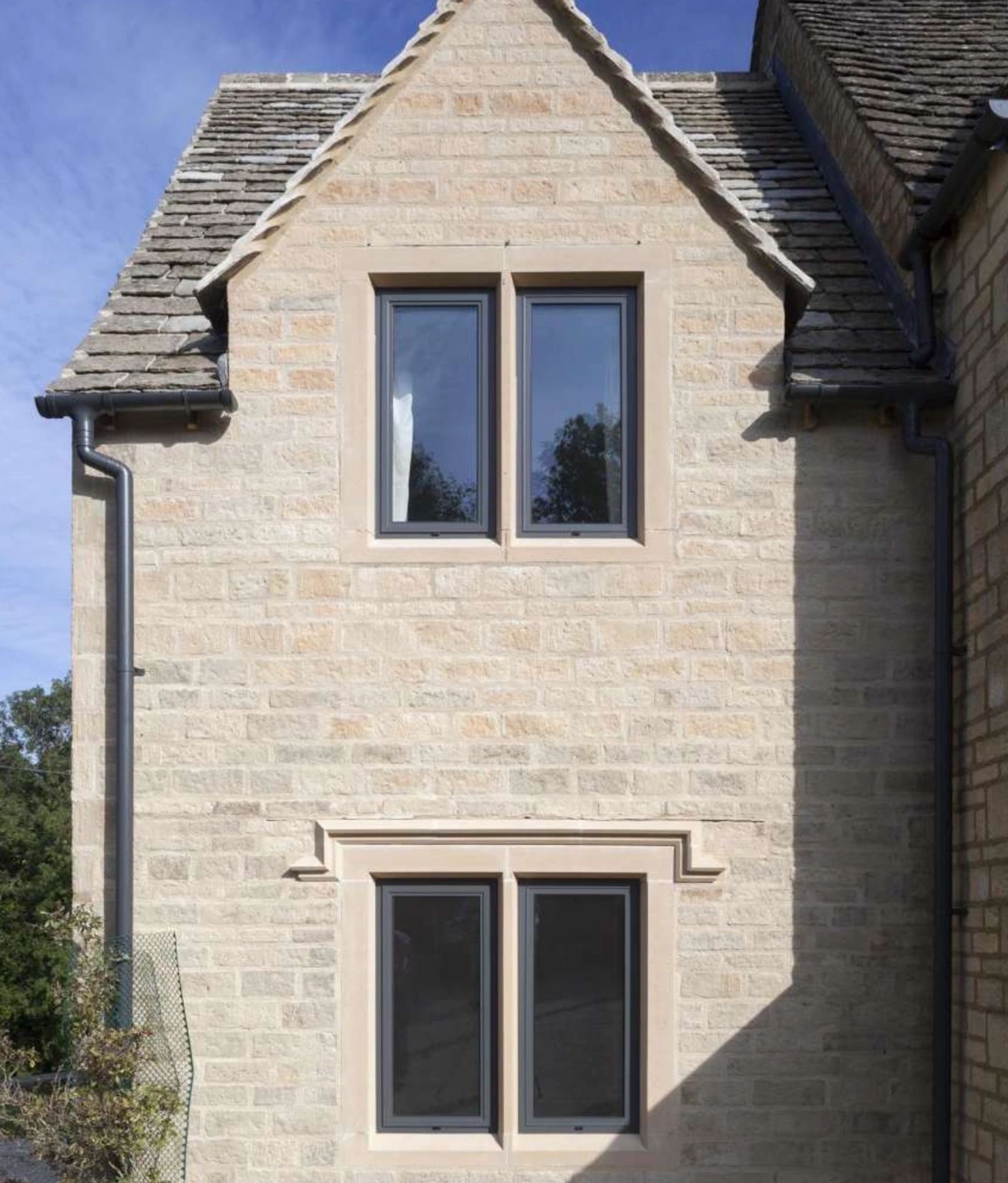
Aluminium and modern timber-look uPVC are both good materials. The right choice depends on the age and style of your house, your budget, and how the frames will be used, not on which one is fashionable.
Technical Advice · 3 min read
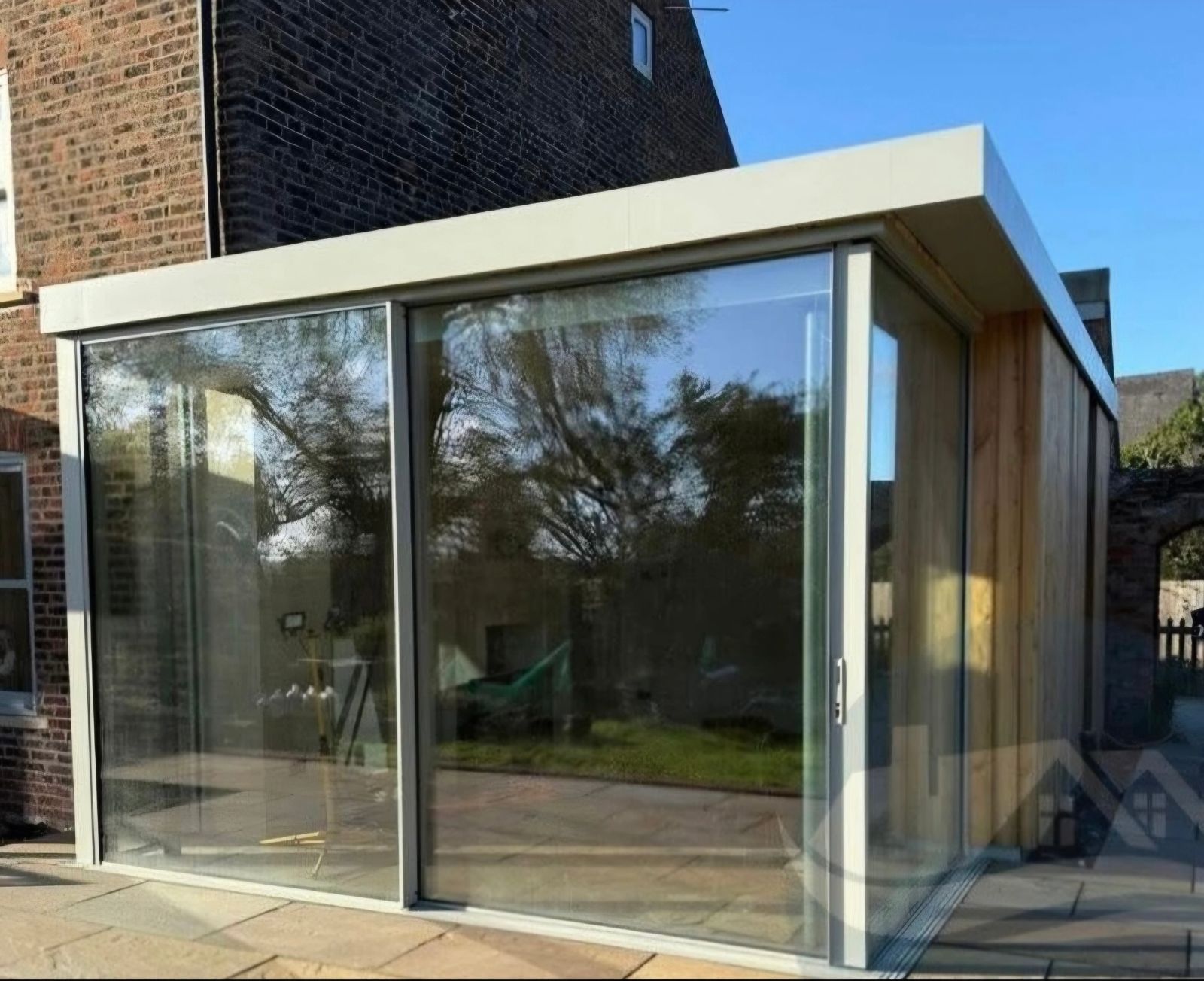
Slim sightlines on a large sliding door or frameless corner window are a structural engineering outcome, not just an aesthetic choice.
Technical Advice · 3 min read
U-value is one input. Real thermal performance in a finished home also depends on frame design, installation quality and how the window is used.
Build your own collection of expert advice as you plan your project.
Wondering how this applies to your own home?
Share a photograph and we’ll turn this guidance into recommendations for your property.
Ready to understand the likely investment?
Start your personalised Project Investment Guide and see comparable completed projects.
Begin
Bring us your drawings, your site photographs or simply an idea. We will tell you what is possible, what it should cost and how long it will take.