Buying Guides · 7 min read
How to Choose the Best Window Company in Cumbria and the Lake District
The right window company is the one whose experience, specification and installation process fit the building — not the one making the broadest claim.
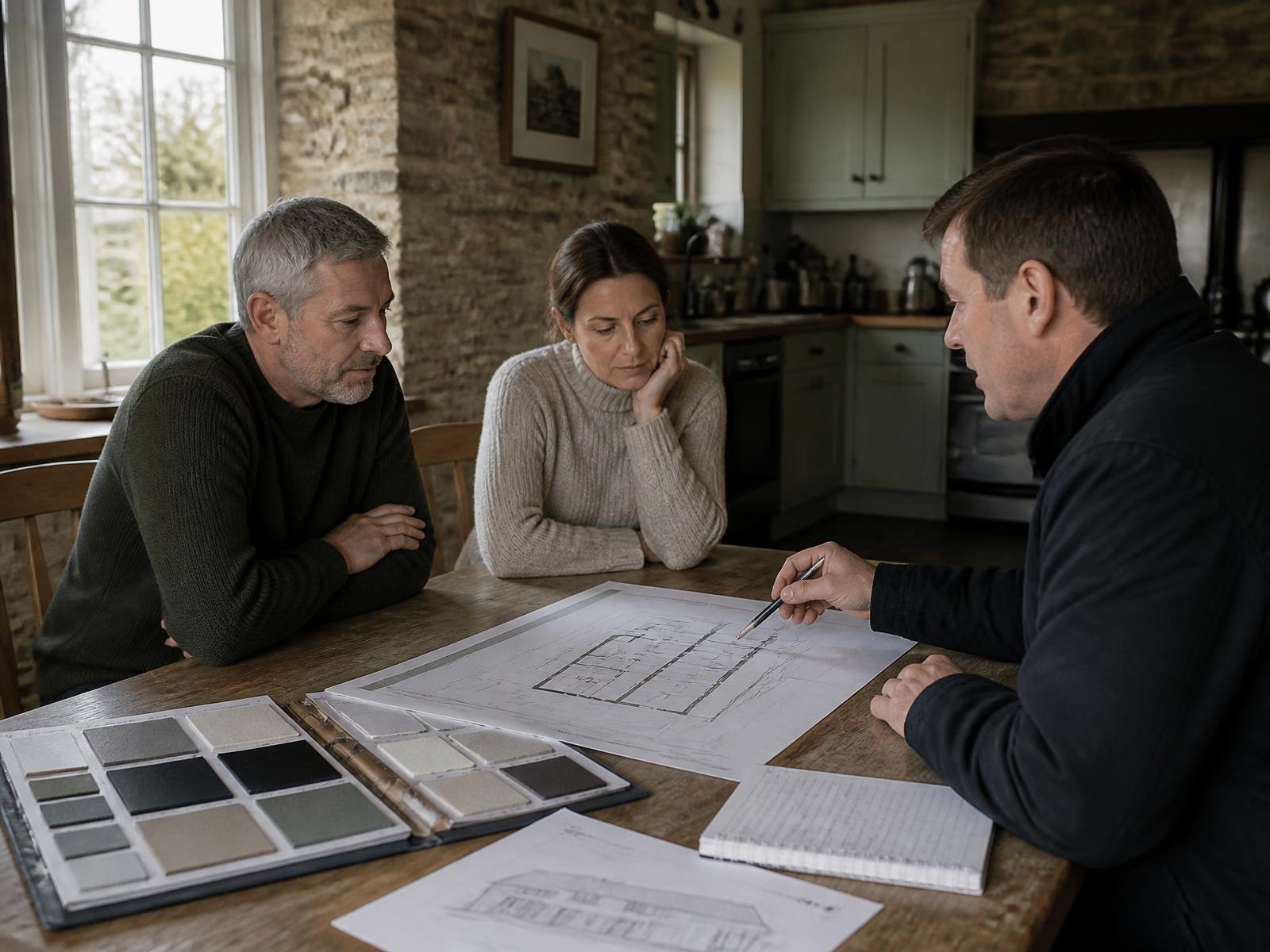
A clear answer before signature is far easier and less expensive than an assumption discovered during installation.
Written by Windows in the Lakes · A trading name of Home Glazing Ltd
Before signing, ask for the exact system and glass, who surveys, what happens if measurements change, the complete installation scope, exclusions, certification route, written warranties, aftercare and comparable completed work. The purpose is not to catch a company out. It is to make the product, responsibilities and price clear enough that both parties are agreeing to the same project.
Ask every company the same questions and request written answers where they affect cost or responsibility. Precision is more useful than reassurance.
Why it matters: material names are too broad. Different systems have different profiles, opening limits, thresholds, drainage, hardware and visual character. A good answer names the system, identifies the relevant configuration and explains why it suits the openings. Warning signs include an unnamed ‘premium aluminium’ or ‘heritage-style’ product that cannot be tied to a written specification.
Follow with question 2: What glass specification is included? A useful answer covers the build-up and any safety, solar-control, acoustic, privacy or thermal requirement relevant to each opening. Ask for whole-window performance where that is the issue, not only the centre-pane figure.
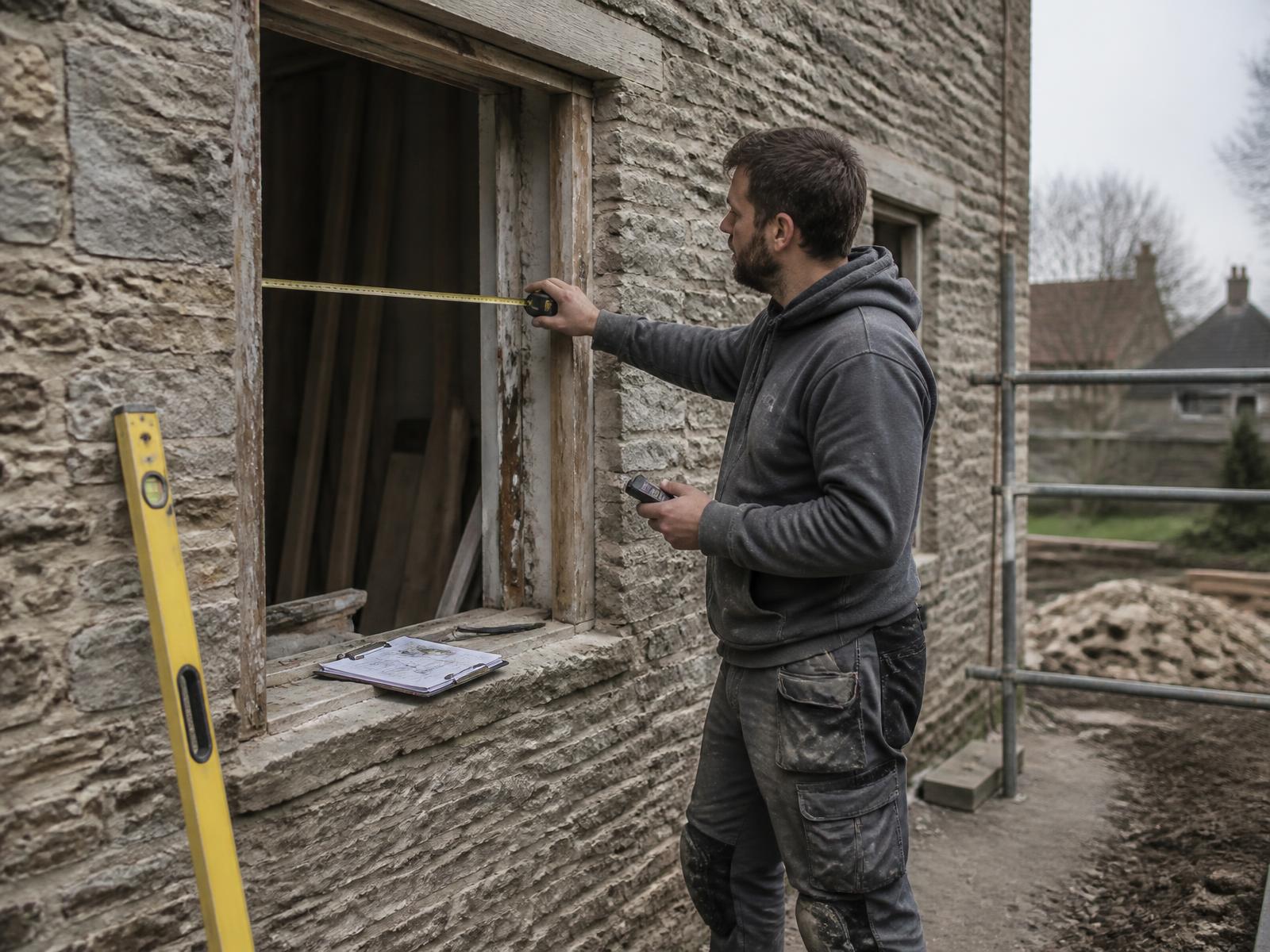
The survey converts the design and provisional dimensions into manufacturing information. Ask who attends, what they check, who owns the final sizes and how the survey is recorded. A good answer covers openings, levels, tolerances, finishes, cills, thresholds, access and interfaces — not simply width and height.
Ask what the installation figure covers from delivery to handover. Does it include setting and fixing frames, glazing, perimeter sealing, cills, thresholds, trims, protection and final adjustment? Who supplies access equipment or lifting equipment for large glass? A good answer defines both the included work and the boundary with the builder, plasterer, renderer or decorator.
Question 6 is separate: Is removal and disposal included? Removal can expose failed lintels, damaged reveals or hidden damp. The quotation should state whether old frames and waste leave the site, and how unforeseen building defects are treated.
‘Making good’ can mean a narrow sealant joint to one company and plaster, render, stone pointing, trims and decoration to another. Ask for the internal and external finish at each opening, including what will not be reinstated. A useful answer names the materials and stopping point. ‘As required’ is not a specification.
A candid exclusions list improves a quotation. Common exclusions include scaffolding, cranes or specialist lifting, structural steelwork, lintels, electrical work, alarms and sensors, blinds, decorating, flooring, asbestos work and repairs to concealed defects. None is automatically unreasonable; the risk lies in discovering them after comparing totals.
Ask which route applies to your work and who arranges it. Replacement windows may be self-certified by an appropriately registered installer or dealt with through Building Control. New-build glazing is normally part of the wider Building Regulations process. Planning permission, listed building consent and Article 4 controls are separate and should not be confused with certification.
Do not accept a logo as the whole answer. Ask whose registration covers the installation and what document you will receive. Windows in the Lakes does not itself claim competent-person-scheme registration; the applicable route and installation-team status are confirmed for the project.
Frames, finish, sealed glass units, hardware and installation may have different terms and providers. Ask for those terms in writing, including start date, exclusions, maintenance conditions and claim route. A long headline period is less useful than clear cover from an identifiable party.
Ask who receives the first call, how service work is triaged and what happens where responsibility sits with a manufacturer or another trade. Doors and opening windows may require adjustment after a building settles; a practical service process matters more than a vague promise that problems are ‘never an issue’.
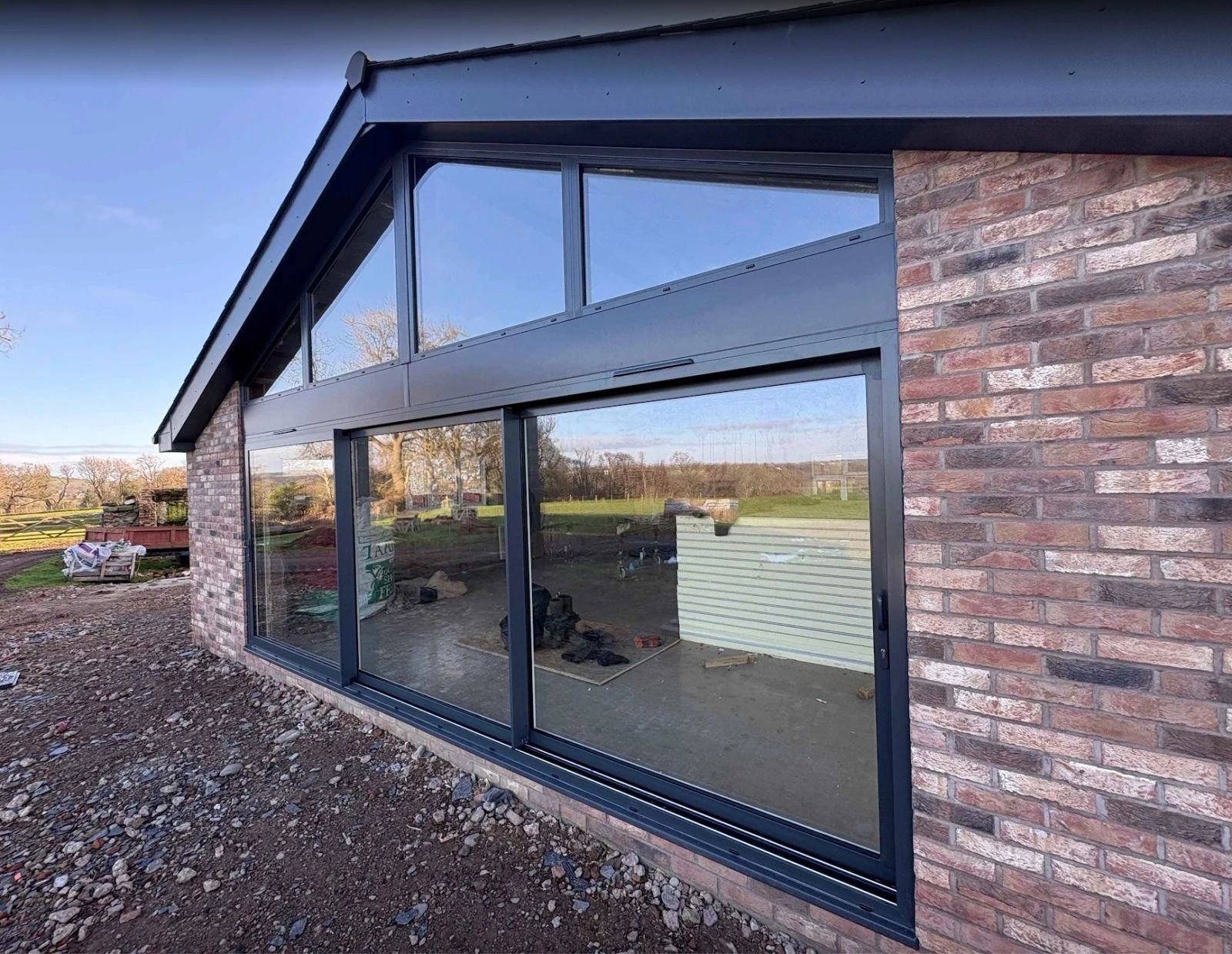
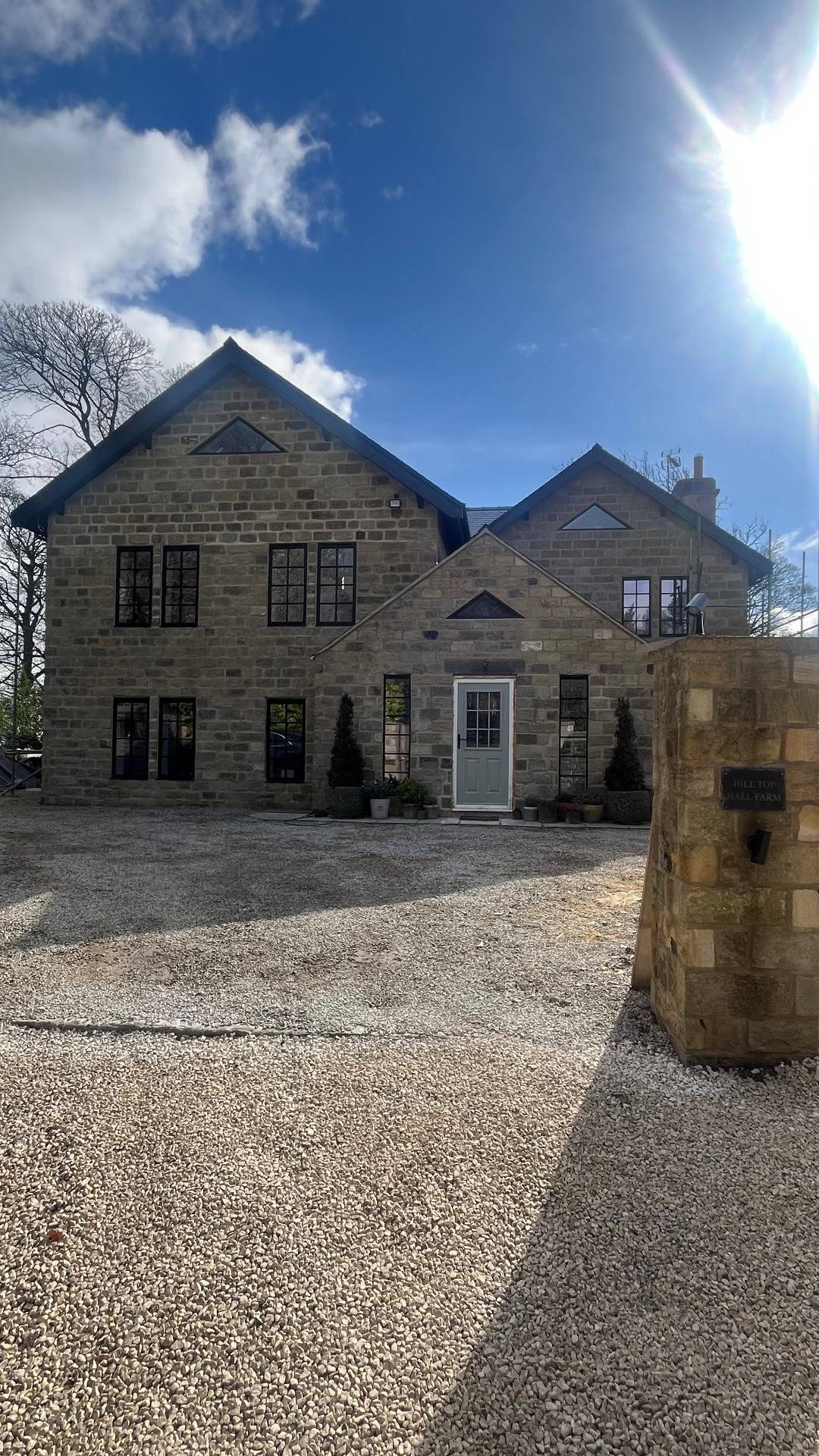
Ask for projects relevant to your scale, property and product. A 5.6-metre slimline sliding door in a barn conversion near Brampton is useful evidence for large-glass handling and rural access. A 36-opening stone self-build in West Yorkshire is relevant to sequencing, measured manufacture and consistent detailing. Neither is a substitute for checking your own specification.
Every question above is reasonable. We would rather clarify a system, exclusion or responsibility before order than rely on an assumption. For a Windows in the Lakes quotation, ask us to identify the products, glass, survey route, installation scope, experienced installation teams we know and trust, making-good boundary, certification route, written warranties and comparable work. If an answer depends on a final survey or another professional, we will say so.
Listen for specificity, ownership and written follow-through. A useful answer identifies the product or person, states where responsibility starts and ends, and can be reflected in the quotation or order. A weak answer relies on broad reassurance, changes depending on who is speaking or leaves an important item to be settled after manufacture.
There is no single correct commercial model. One company may use its own installation team; another may use experienced installation teams it knows and trusts. One may self-certify eligible replacement work through an appropriately registered installer; another may use Building Control. The question is whether the route is valid, disclosed and managed — not whether every supplier gives the same answer.
The twelve questions establish a sound baseline. Your building will add others. On an exposed site, ask how the exact frame, drainage and perimeter detail have been selected for the elevation. On a stone property, ask where the frame will sit and how irregular reveals will be finished. On a self-build, ask when openings can be released for manufacture and who owns their tolerances.
For large sliding or bifolding doors, confirm panel sizes, sightlines, threshold, drainage, glass handling and structural support. For a listed building or conservation area, ask which details need approval and who will supply drawings or samples. These questions do not make the purchase cumbersome; they expose decisions that the project already contains.
From a real Windows in the Lakes project
Brampton, Carlisle · 5600mm × 2100mm AS-20 slider · 6 windows
The rural location brought access challenges typical of farm conversions — restricted access and limited working space for deliveries and installation — alongside the irregular geometry of the original structure.
We coordinated closely with the wider build team on scheduling to minimise disruption, and carried out a full professional survey with every opening measured and checked in detail before manufacture. Installation focused on structural interfaces, weather tightness and clean internal and external detailing.
Read the project storyNext step
We design, specify and install across Cumbria, the Lake District and the wider North. Send drawings, photographs or simply a description of the building and we will tell you what is possible and what it should cost.
Explore from here
Save anything you are drawn to. It gathers in My Inspiration and travels with your enquiry as a design brief.
Questions
If your question isn’t here, we would rather talk it through properly than guess.
Book a Design ConsultationVisit the Knowledge CentreKeep reading
Buying Guides · 7 min read
The right window company is the one whose experience, specification and installation process fit the building — not the one making the broadest claim.
Installation · 8 min read
Two quotations for the same project can differ by thousands and both be honest — because they are rarely quoting the same thing.
Installation · 6 min read
A good survey turns design intent and provisional dimensions into a coordinated, manufacturable installation plan.
Installation · 3 min read
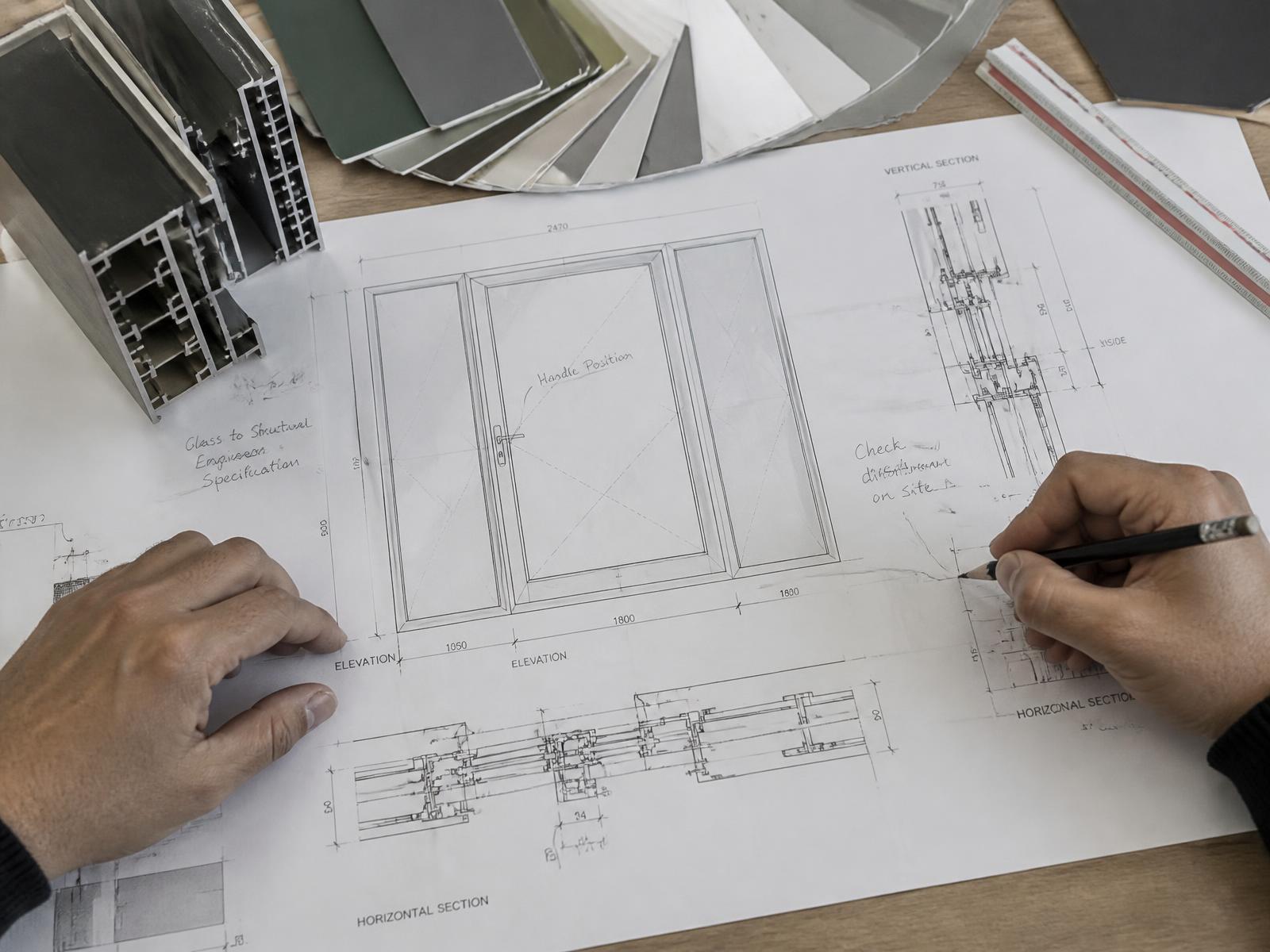
Guarantee paperwork can look dense, but the principles are straightforward. Here is what is usually covered, for how long, and what to check.
Build your own collection of expert advice as you plan your project.
Wondering how this applies to your own home?
Share a photograph and we’ll turn this guidance into recommendations for your property.
Ready to understand the likely investment?
Start your personalised Project Investment Guide and see comparable completed projects.
Begin
Bring us your drawings, your site photographs or simply an idea. We will tell you what is possible, what it should cost and how long it will take.