
Design Inspiration · 3 min read
Window Ideas for Victorian House Renovations
Victorian houses have a strong, recognisable window language. Renovations succeed when they respect it rather than modernise it away.
Victorian houses cover a wide range of styles, from plain terraces to ornate villas, and the right window depends on reading the specific property rather than applying a single formula.
Written by Windows in the Lakes · A trading name of Home Glazing Ltd
Most Victorian homes call for a vertical sliding sash window, often two-over-two or one-over-one rather than the finer Georgian glazing bar grid, with attention paid to any margin lights, coloured glass or decorative horns that survive elsewhere on the terrace or the property itself.
This guide covers the range of Victorian window styles, bay window considerations, coloured and textured glass, and how to specify sympathetically whether the house is a plain terrace or a detailed villa.
The Victorian era spans roughly sixty years and a huge range of building types, from plain workers' terraces to elaborate villas with margin-light sashes and stained glass. There is no single 'Victorian window' — the right specification depends on reading the specific property, matching any surviving original details, and being consistent with neighbouring houses on the same terrace where relevant.
| Property type | Typical original style |
|---|---|
| Plain terrace | Two-over-two or one-over-one vertical sliding sash |
| Bay-fronted terrace or villa | Sash windows within a canted or square bay |
| Detailed villa | Margin-light sashes, often with coloured or textured glass borders |
| Later Victorian/Edwardian transition | Larger single panes, simpler glazing bars |
Victorian bay windows are a defining feature of many terraces and villas, and replacing the glazing within a bay needs careful measurement, since the individual sashes are rarely identical widths and the corner posts of the bay carry real structural load. A poorly surveyed bay replacement can leave visible gaps or an uneven roofline above.
Margin lights with coloured or etched glass borders around a clear central pane are common on more detailed Victorian villas, particularly around front doors and hallway windows. Where original coloured glass survives, it is usually worth retaining or having reproduced rather than replaced with plain double glazing, even though this adds cost and lead time.
From a real Windows in the Lakes project
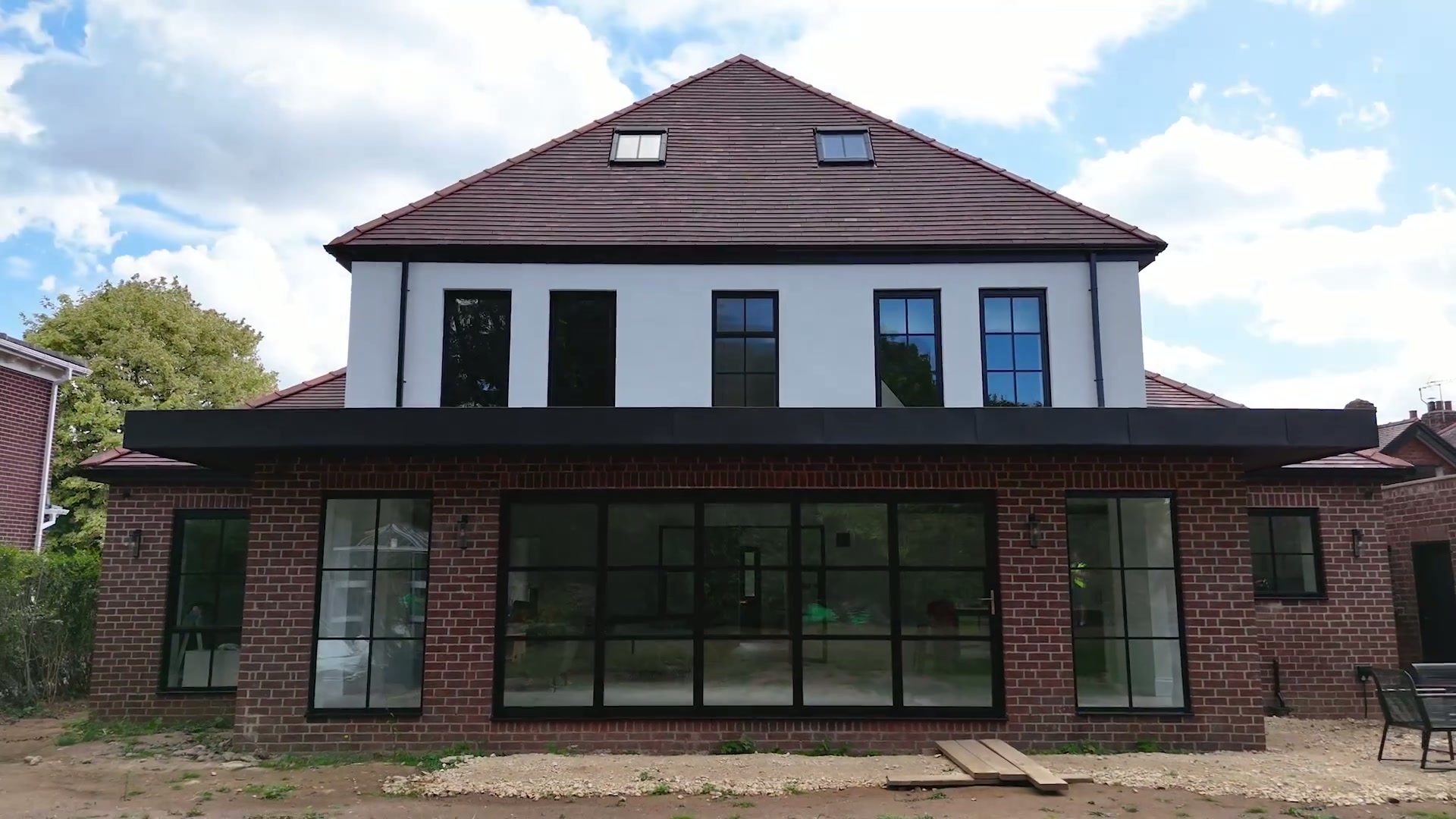
Near Penrith, Eden Valley · Whole-house remodel · 24 heritage windows, bifold and internal screens
Twenty-four windows across two very different elevations — a formal, traditionally detailed frontage and a rear range intended to be almost entirely glass — risked reading as two unrelated buildings.
One system family and one finish across the whole house. Heritage casements with astragal bars answer the front elevation's proportions; the same profile, without bars, runs the glazed rear band and bifold. Internal steel-look screens repeat the sightline indoors, and matt black ties every opening together.
Read the project storyNext step
We design, specify and install across Cumbria, the Lake District and the wider North. Send drawings, photographs or simply a description of the building and we will tell you what is possible and what it should cost.
Explore from here
Save anything you are drawn to. It gathers in My Inspiration and travels with your enquiry as a design brief.
Questions
If your question isn’t here, we would rather talk it through properly than guess.
Book a Design ConsultationVisit the Knowledge CentreKeep reading
Design Inspiration · 3 min read
Victorian houses have a strong, recognisable window language. Renovations succeed when they respect it rather than modernise it away.
Colours & Finishes · 3 min read
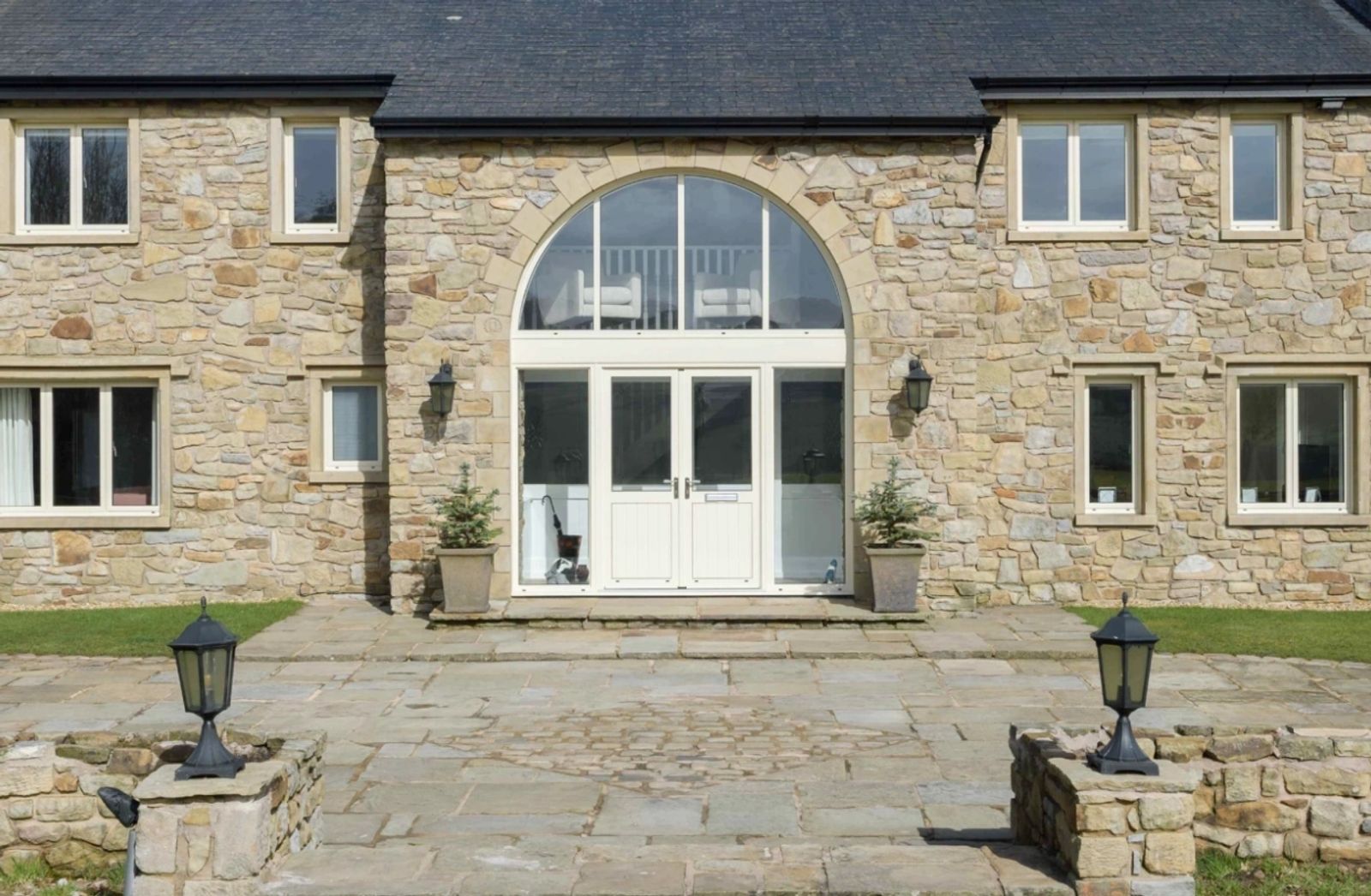
Cumbria's stone varies more than people expect, from cool blue-grey slate-stone to warm sandstone, and each responds differently to frame colour.
Buying Guides · 3 min read
Georgian architecture is built on strict proportion and repetition. A window that gets the pane layout or sightline wrong is more visible on a Georgian facade than almost any other style.
Flagship guide · 9 min read
Everything worth knowing before specifying aluminium windows, from frame construction and thermal performance to colour, glass and realistic pricing.
Build your own collection of expert advice as you plan your project.
Wondering how this applies to your own home?
Share a photograph and we’ll turn this guidance into recommendations for your property.
Ready to understand the likely investment?
Start your personalised Project Investment Guide and see comparable completed projects.
Begin
Bring us your drawings, your site photographs or simply an idea. We will tell you what is possible, what it should cost and how long it will take.