Aluminium vs Timber-Look Windows

Product Comparisons

Aluminium vs Timber-Look Windows

Choose aluminium for the slimmest sightlines and largest panes; choose timber-look uPVC such as the Residence Collection for the most convincing painted-timber appearance at a lower cost.

4 min read

Written by Windows in the Lakes · A trading name of Home Glazing Ltd

This is a narrower version of the wider aluminium vs uPVC question, focused specifically on how aluminium compares with the premium timber-look ranges we install most, principally the Residence Collection. It matters because the two are often shortlisted together on the same project: a period cottage or Lakeland stone house where the homeowner wants a timber appearance but is weighing it against the performance and longevity of aluminium.

Both are excellent products used correctly. The decision usually comes down to how convincingly you need the timber look replicated, how large your openings are, and how much of the budget you want to spend on frame material versus other parts of the project.

The short answer

Appearance side by side

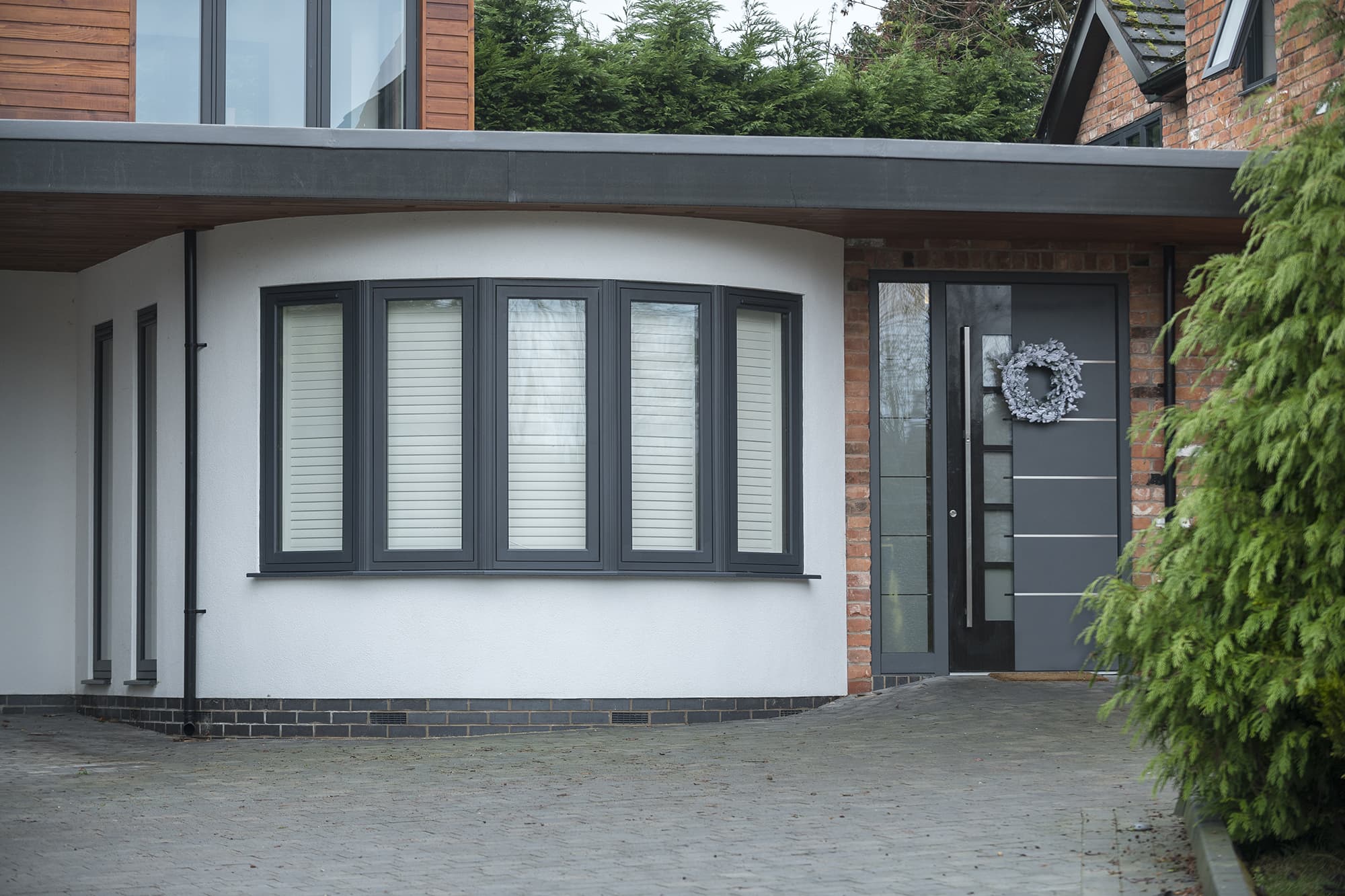
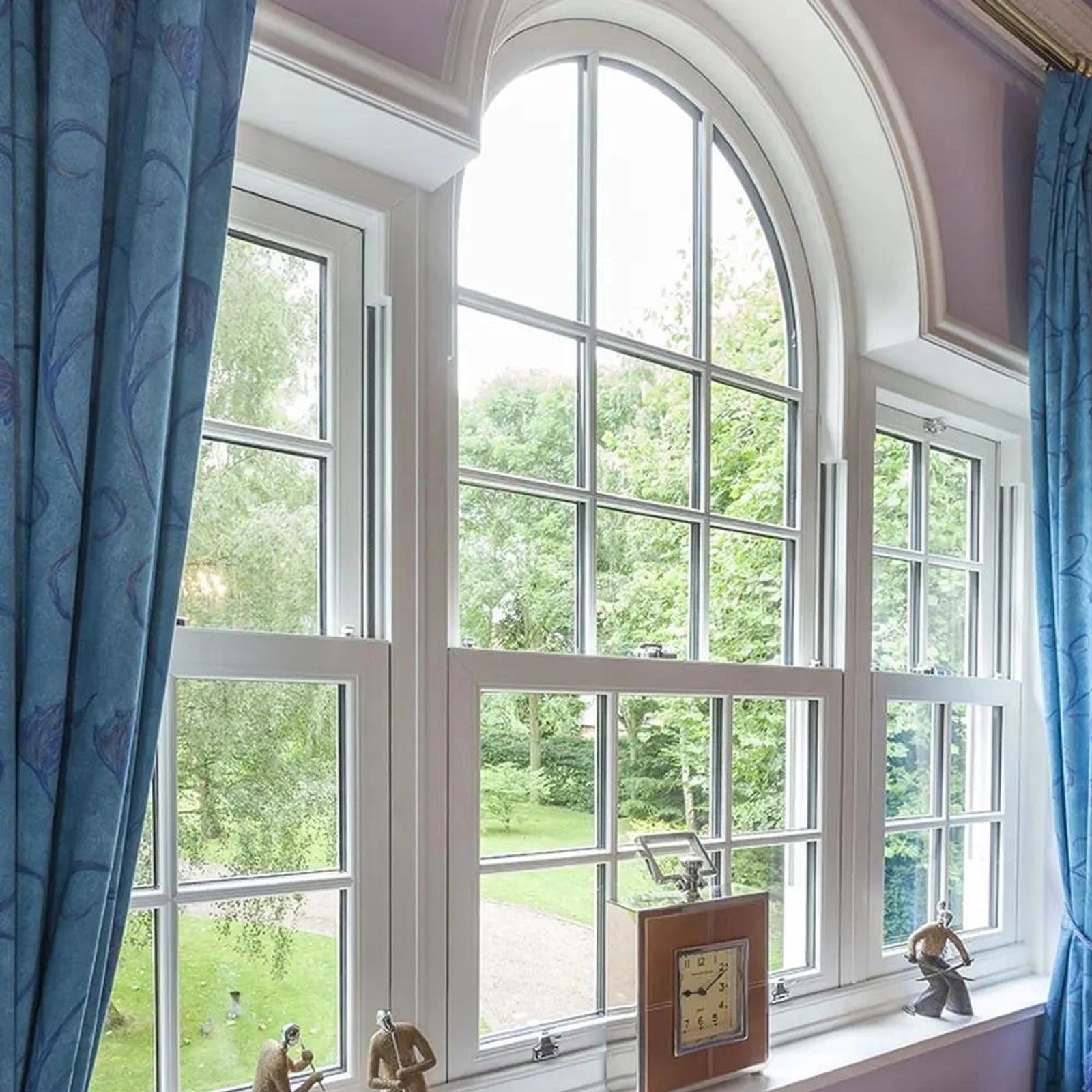
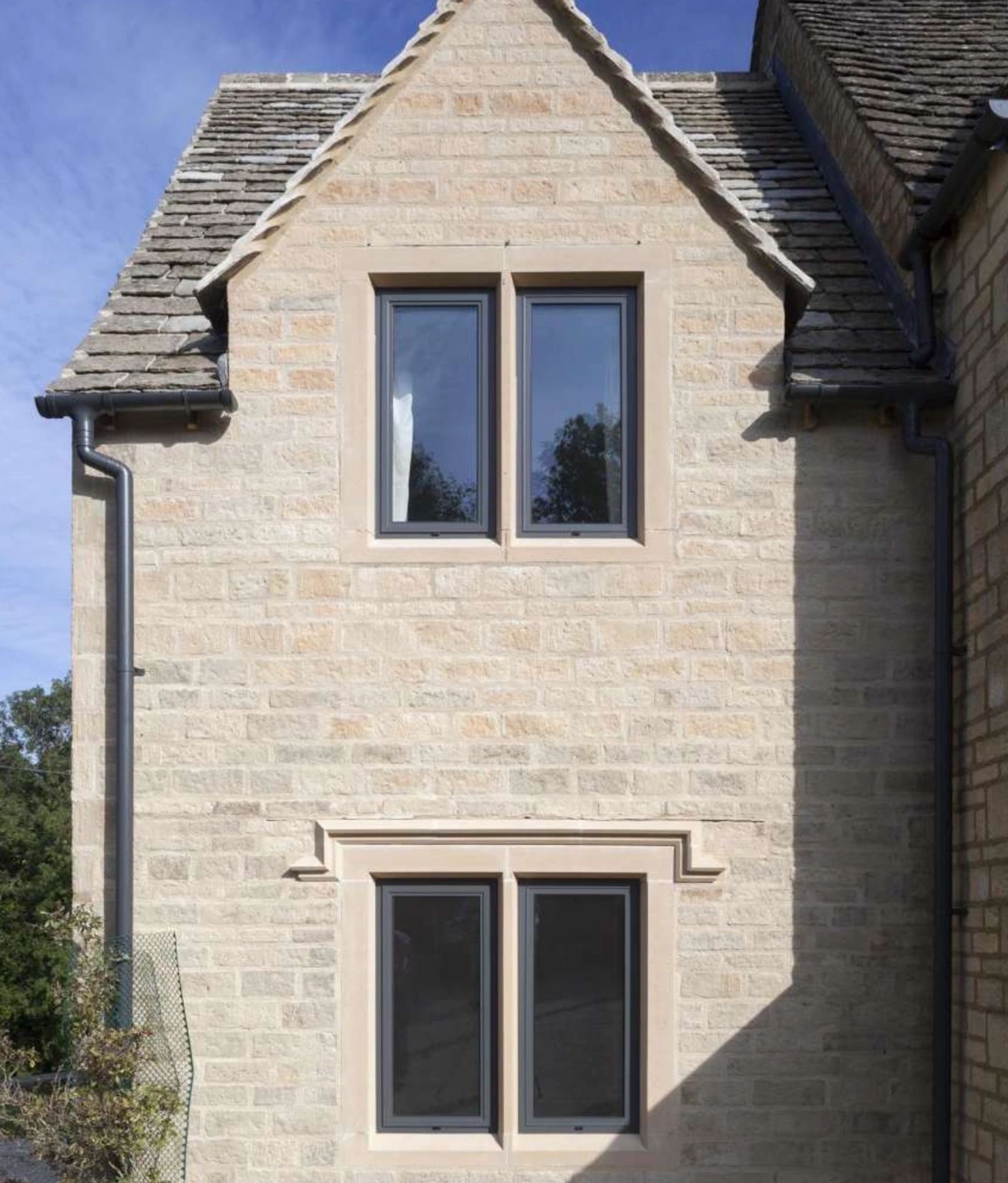
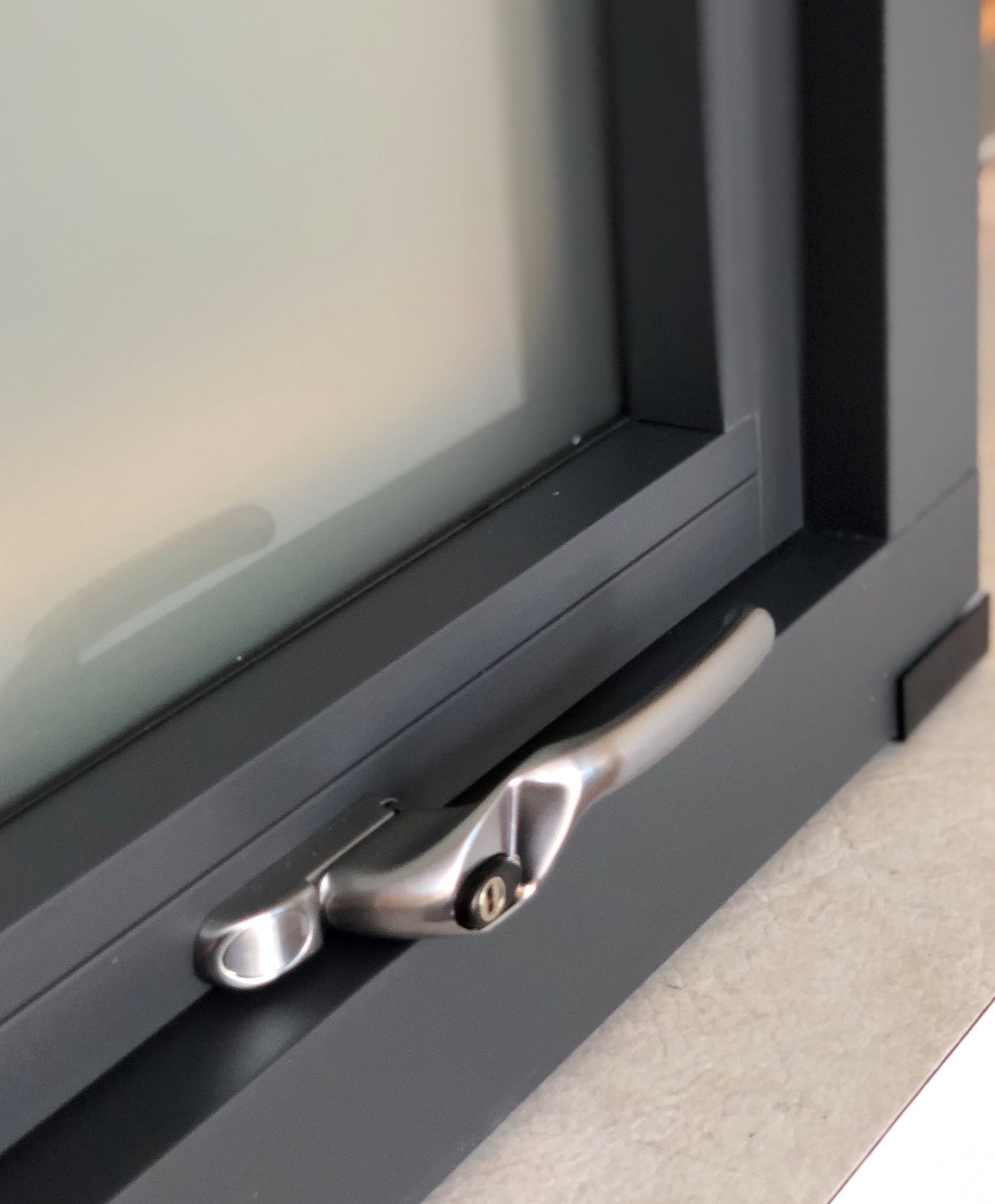
Timber-look uPVC ranges like the Residence Collection use deep foil woodgrain finishes, sculpted horns and bolection mouldings specifically to replicate painted timber. Aluminium takes the opposite approach: a flat, precise, powder-coated finish with the slimmest possible sightline, which suits a contemporary or heritage-steel aesthetic rather than a timber one.

AluminiumTimber-look uPVC (Residence)
Visual reference pointSlim steel-framed windows, contemporary glazingPainted timber sash or casement
SightlineNarrow, around 40-70mm visible faceWider, around 70-120mm visible face
FinishFlat powder coatDeep foil woodgrain or solid colour
Glazing barsSlim, minimal, more contemporary in feelDeeper, sculpted, closer to period joinery
Appearance comparison

Cost comparison

MaterialTypical guide price
Timber-look uPVC (Residence Collection)£950–£1,700
Aluminium casement£1,400–£2,600
Guide prices, supplied and installed, per window

Across a fifteen-window house, the difference between the two materials typically runs to several thousand pounds, which for many cottage and terrace projects is the deciding factor before appearance is even discussed. See our timber-look windows cost guide and our aluminium windows cost guide for a fuller breakdown of what moves each figure.

Performance and longevity

Both materials comfortably meet the Part L minimum U-value of 1.4 W/m²K for replacement windows, and modern aluminium and Residence Collection systems both typically achieve 1.2-1.4 W/m²K double glazed. Where aluminium pulls ahead is on very exposed elevations over a long ownership period: it does not expand and contract with temperature to the same degree as uPVC, and its powder coat generally holds colour for longer than a foil finish under sustained strong sun.

For most homes, particularly those not on the most exposed westerly aspects, this difference is marginal within a normal 25-30 year ownership horizon.

Structural spans and large openings

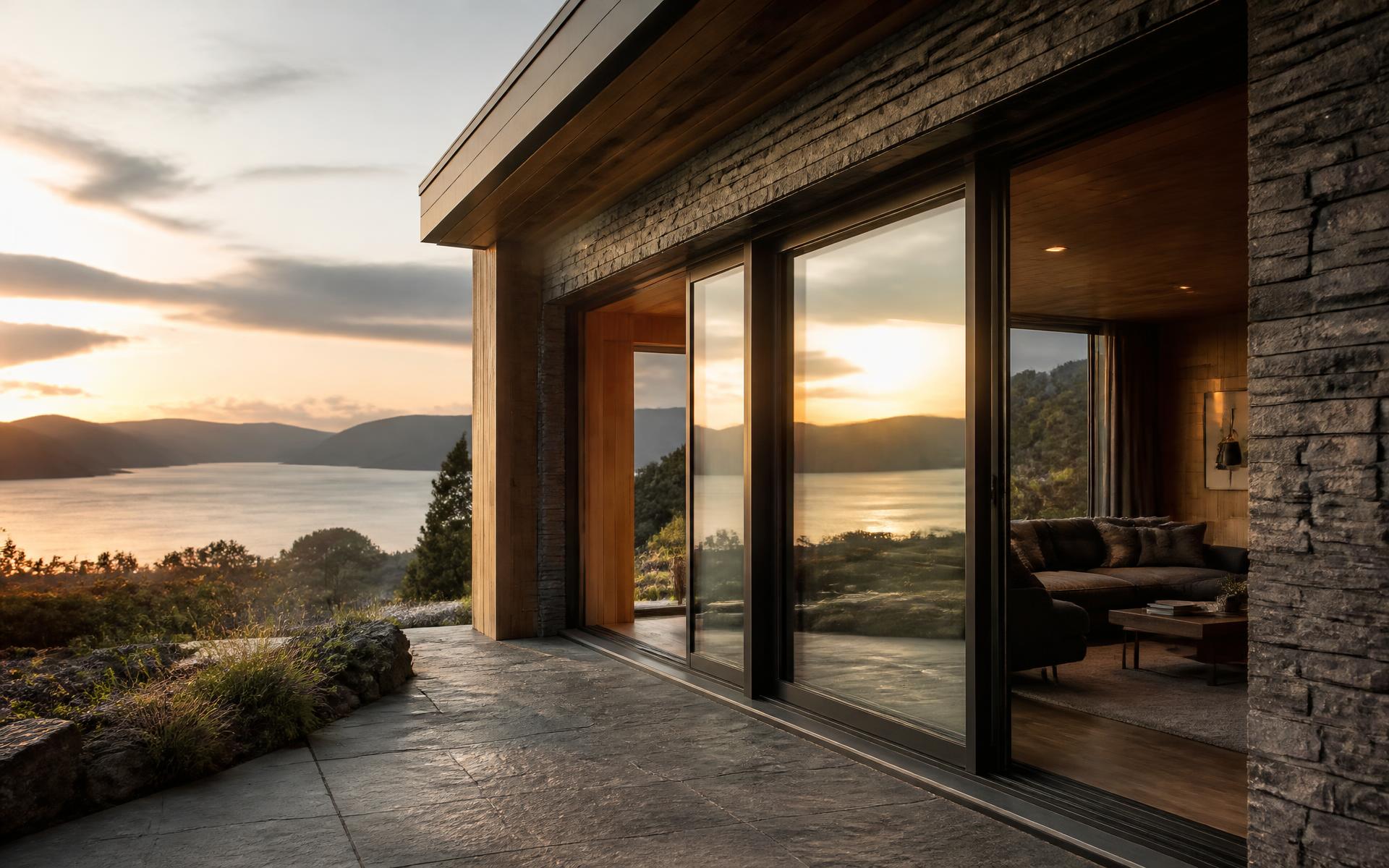
Aluminium's inherent rigidity allows larger panes and taller openings without additional reinforcement, which is why it dominates on extensions, barn conversions and any opening beyond typical domestic window sizes. Timber-look uPVC performs very well within standard domestic window and door sizes but is not the right choice for very wide sliding doors or oversized fixed panes, where aluminium is the only sensible option.

Decision criteria

  • Choose timber-look uPVC for a period cottage, terrace or whole-house replacement where budget needs to stretch furthest
  • Choose aluminium for extensions, barn conversions, large openings, or a deliberately contemporary or heritage-steel look
  • Choose aluminium if the elevation is highly exposed and you plan to stay in the house for several decades
  • Consider mixing both: aluminium on principal glazed elevations, timber-look uPVC elsewhere, which is common on mixed-character homes

Common mistakes

  • Assuming aluminium is always the 'better' choice simply because it costs more
  • Choosing timber-look uPVC for a very wide opening where its structural limits make aluminium the only sensible option
  • Not checking whether a chosen dual-colour or heritage foil carries a premium before finalising a whole-house budget
  • Overlooking that both materials meet Part L comfortably, and paying for triple glazing on both without checking if it is genuinely needed

From a real Windows in the Lakes project

West Yorkshire · 32 windows · 4 doors

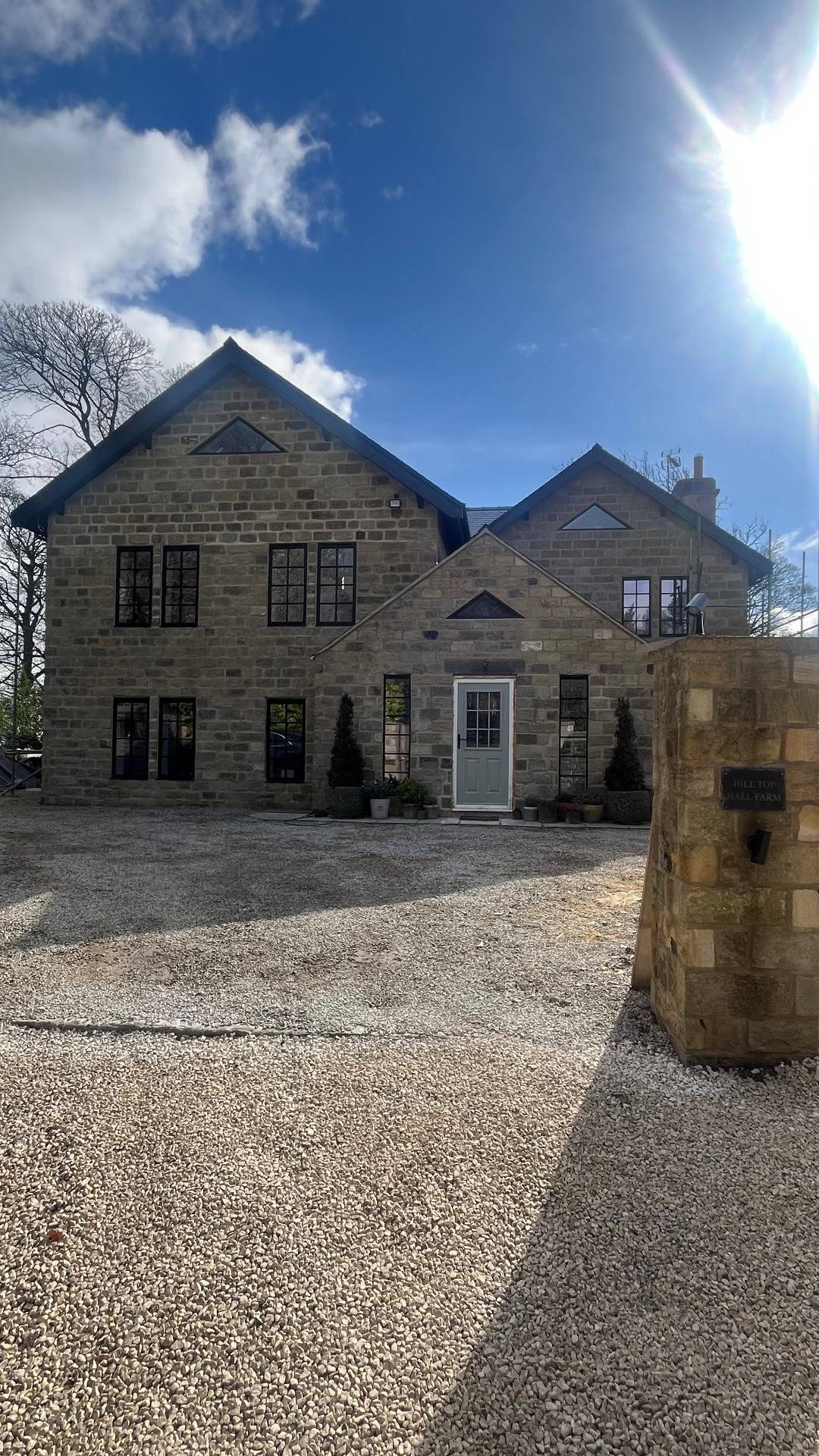
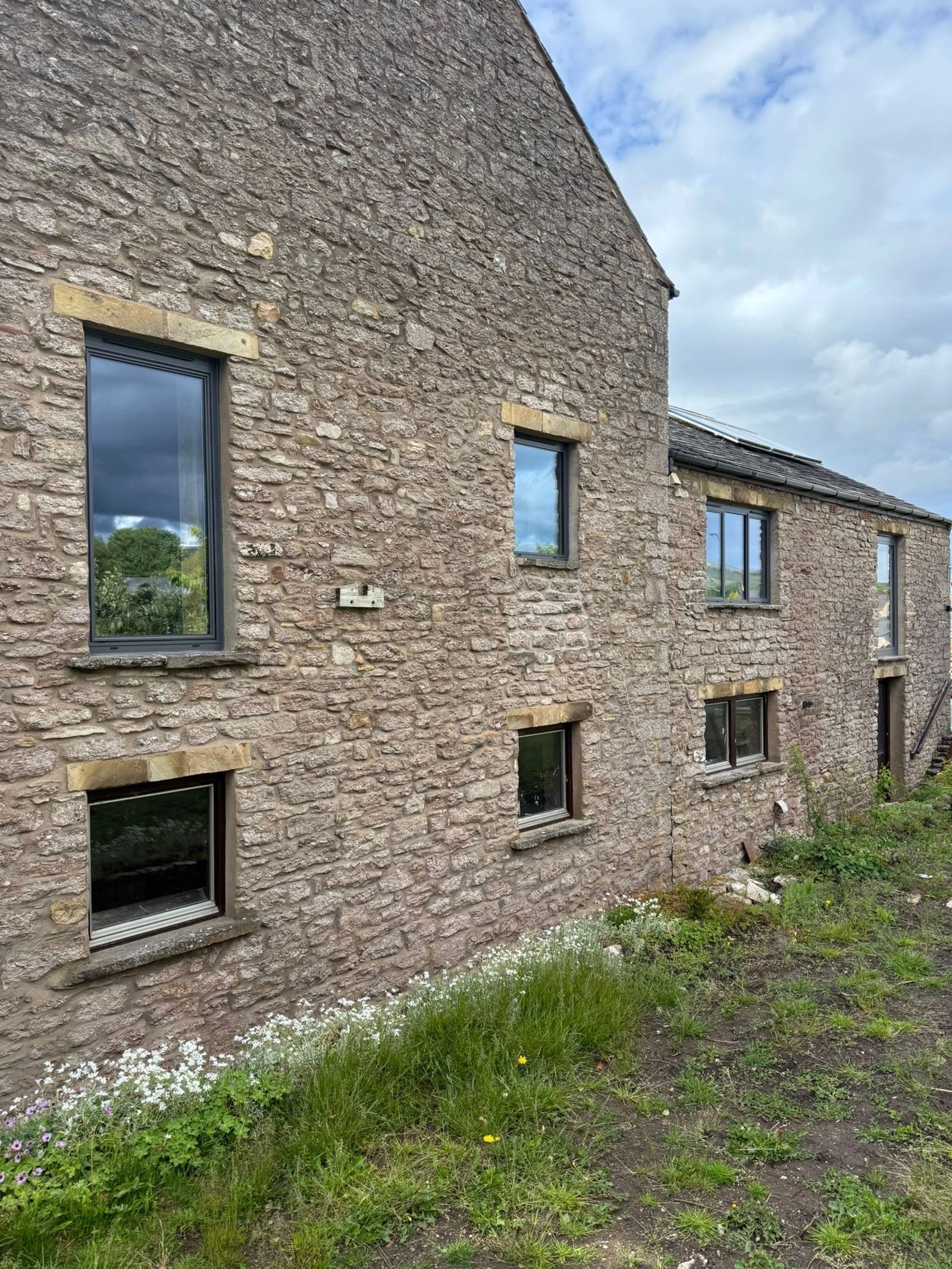
32 Heritage Windows and 4 Doors, Stone Self Build

A live self-build programme with 36 openings across four elevations, all in newly dressed stone, several of them non-standard shapes — triangular gables and a full-height narrow light — with no tolerance for cumulative setting-out error across the elevation.

Early involvement with the builder to agree structural opening sizes, then a full measured survey of every opening after the stonework was complete and before manufacture. Georgian bar layouts were drawn as a set rather than window by window, so bar spacing aligns horizontally across each elevation, and the non-standard gable and side-light units were manufactured to survey.

Read the project story

Next step

Considering aluminium windows for your own project?

We design, specify and install across Cumbria, the Lake District and the wider North. Send drawings, photographs or simply a description of the building and we will tell you what is possible and what it should cost.

Explore from here

Everything this guide touches

Save anything you are drawn to. It gathers in My Inspiration and travels with your enquiry as a design brief.

Questions

About this subject

If your question isn’t here, we would rather talk it through properly than guess.

Book a Design ConsultationVisit the Knowledge Centre

Keep reading

Related guides

Aluminium vs uPVC Windows

Flagship guide · 8 min read

Aluminium vs uPVC Windows

Aluminium and modern timber-look uPVC are both good materials. The right choice depends on the age and style of your house, your budget, and how the frames will be used, not on which one is fashionable.
Residence Collection vs Aluminium Windows

Product Comparisons · 3 min read

Residence Collection vs Aluminium Windows

The Residence Collection and aluminium sit either side of a genuine style and budget decision. This guide narrows that decision down to the details that actually matter for your house.

What Is Aluclad? Timber Inside, Aluminium Outside

Flagship guide · 5 min read

What Is Aluclad? Timber Inside, Aluminium Outside

Aluclad is a solid engineered timber window wearing an aluminium coat. It is the standard specification across Scandinavia, and increasingly the answer for exposed British sites where timber is wanted but repainting is not.

Residence 7 vs Residence 9 Windows

Product Comparisons · 3 min read

Residence 7 vs Residence 9 Windows

R7 and R9 are both part of the Residence Collection, but they are built around different sightlines and different periods of house. Here is how to tell them apart.

Found this guide helpful?

Build your own collection of expert advice as you plan your project.

Wondering how this applies to your own home?

Share a photograph and we’ll turn this guidance into recommendations for your property.

Discover Your Home

Ready to understand the likely investment?

Start your personalised Project Investment Guide and see comparable completed projects.

Plan Your Project Investment

Begin

Let’s design something exceptional.

Bring us your drawings, your site photographs or simply an idea. We will tell you what is possible, what it should cost and how long it will take.