Choosing Windows for a Lake District Property

Buying Guides · Flagship guide

Choosing Windows for a Lake District Property

Lake District houses ask more of their glazing than most. This is how we specify windows and doors for stone cottages, farmhouses, renovations, extensions and contemporary homes across Cumbria.

6 min read

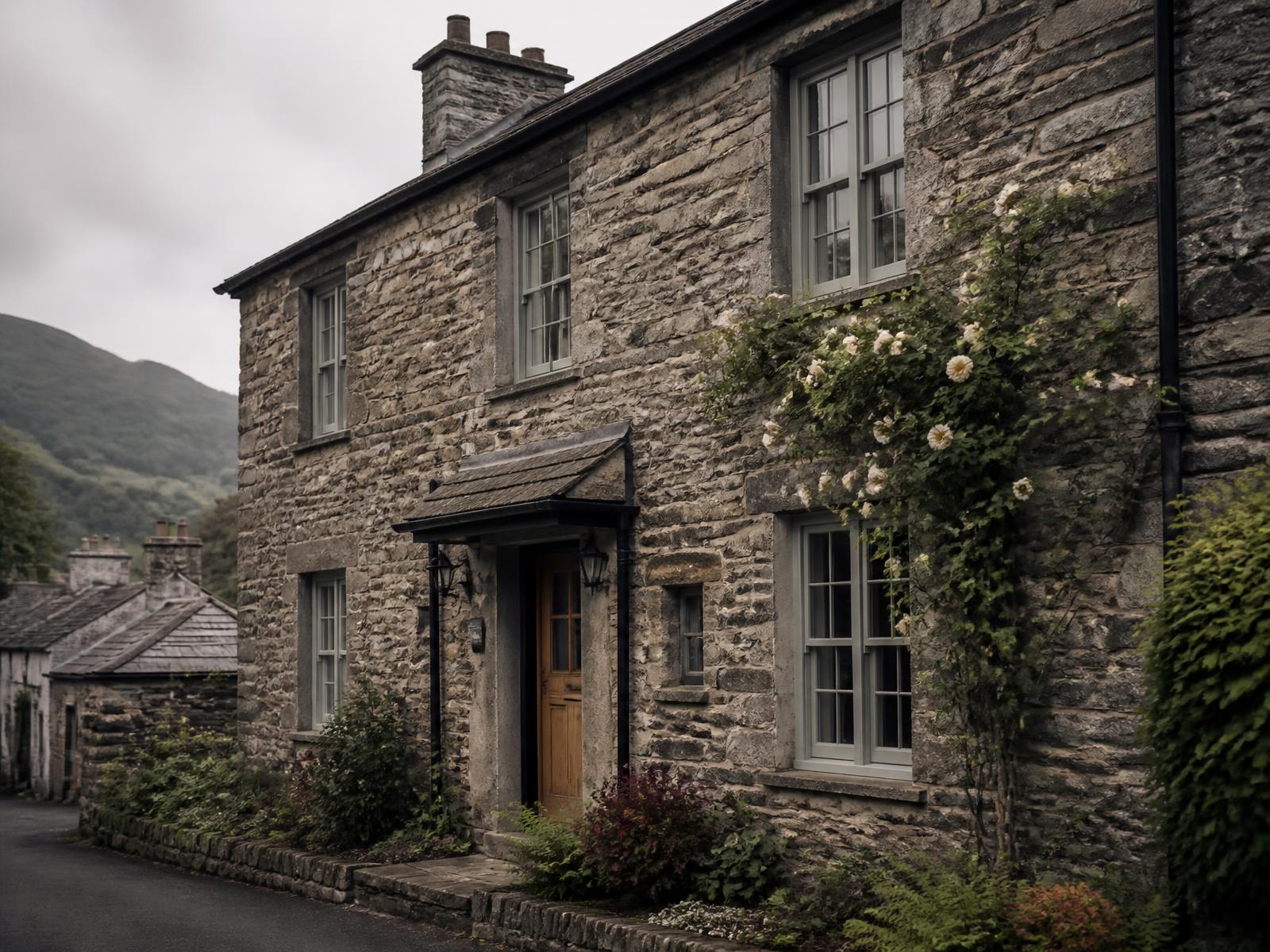
There is no single right window for a Lake District property, because the building stock ranges from seventeenth-century stone cottages to architect-designed houses with full-height glazing. What the houses share is a climate that finds every shortcut, a landscape worth framing properly, and a planning context that pays close attention to how buildings look.

This guide sets out how we approach specification here: reading the house first, choosing a material honestly, and then making the four decisions — sightlines, glass, colour and detailing — that decide whether the result looks considered or merely new.

Read the house first

Almost every specification mistake we are asked to correct comes from choosing a product before understanding the building. Start by deciding which category your house falls into, because the right answer differs sharply between them.

PropertyUsual approach
Stone cottage or farmhouseTimber-look systems with woodgrain finish and traditional detailing, or slim heritage aluminium profiles
Victorian or Edwardian houseSash windows where original, flush casements elsewhere, colour matched to the street
Traditional house with a modern extensionSympathetic frames on the original building, contemporary aluminium on the new work
Barn conversionAluminium for the large original openings, minimal new openings
Contemporary or architect-designed homeAluminium throughout, slim sightlines, large fixed panes and sliding doors
Property type and usual approach

A house does not have to be treated uniformly. Mixing systems by elevation — the material that suits the street on the front, the material that suits the view on the back — is a normal and sensible approach here, provided colour and detailing are kept consistent.

Traditional and stone properties

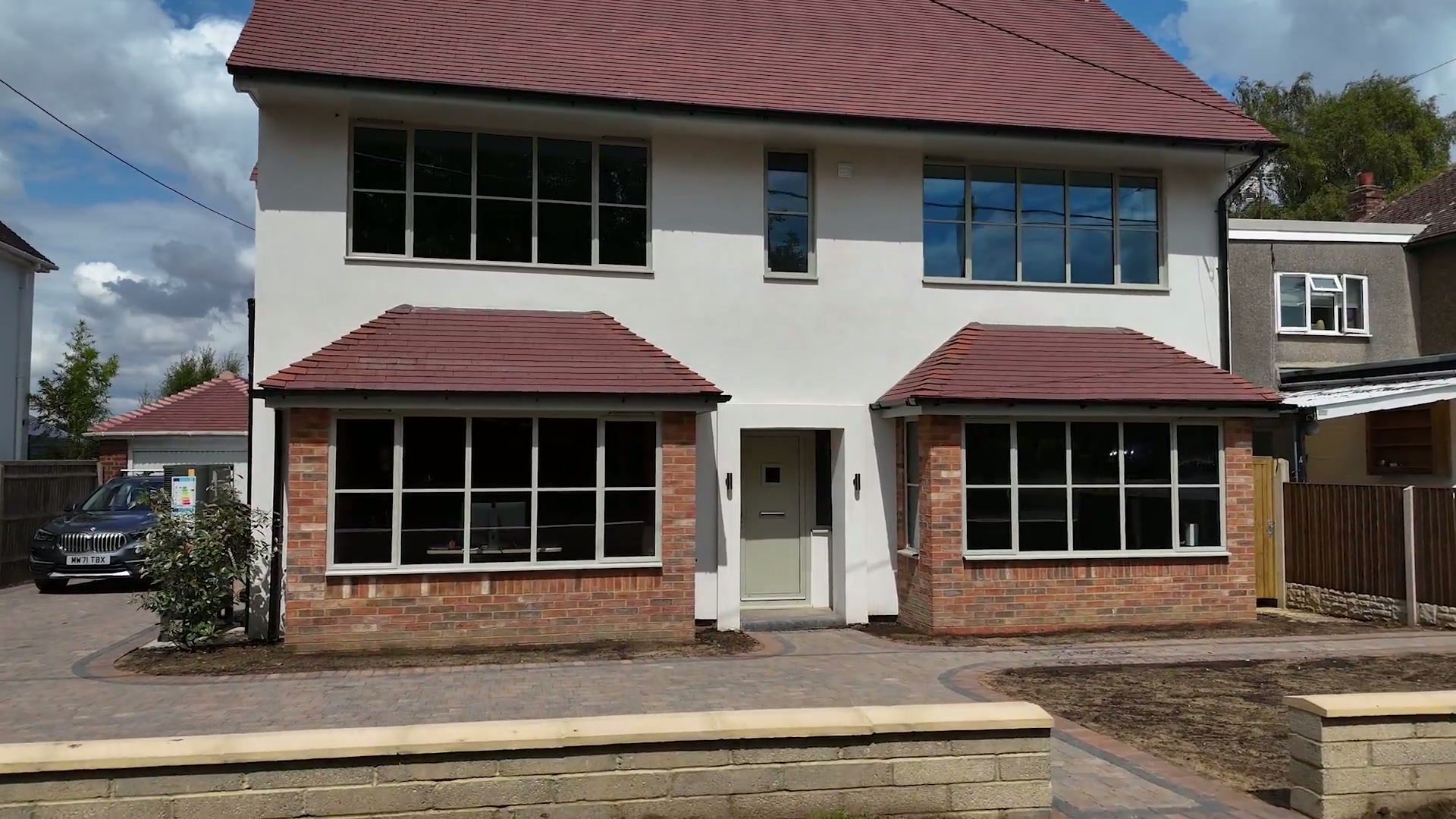
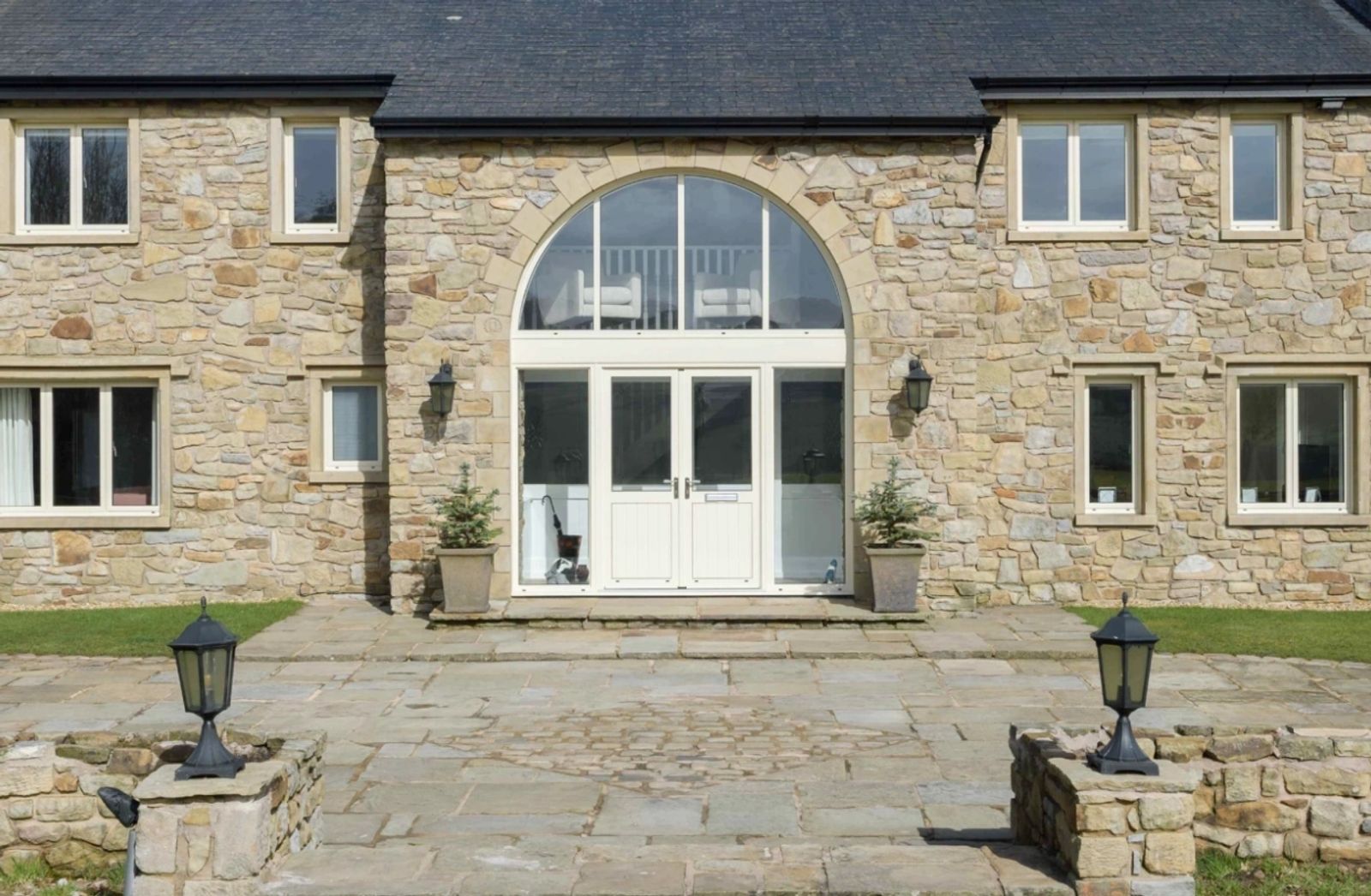
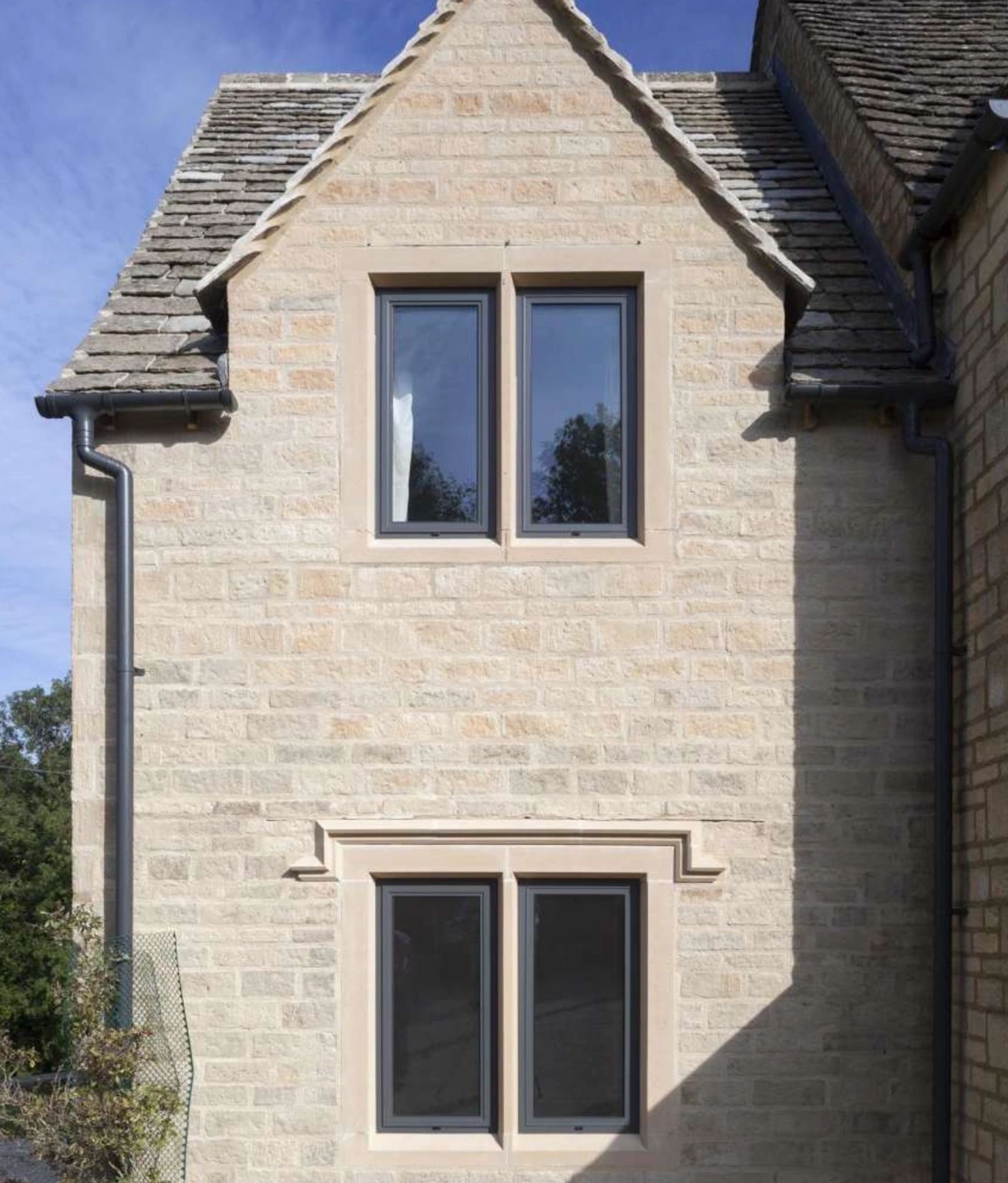
Stone buildings tend to have deep reveals, thick walls, small openings and an irregularity that no standard-sized window will match. The two decisions that matter most are the proportion of frame to glass, and how the frame sits in the reveal.

  • Keep the visible frame slim and the glazing bar pattern honest to the building; heavy frames in small stone openings lose a surprising amount of light
  • Set frames into the reveal rather than forward of it, so the depth of the wall still reads from outside
  • Woodgrain finishes in off-white, cream or a soft heritage colour usually sit better on limewashed or rendered elevations than flat brilliant white
  • Where the house has original sash windows, replacing like with like preserves proportion; our vertical sliding sash range is designed for exactly this

Colour against stone deserves particular attention, and we cover it in more depth in our guide to matching windows to stone homes.

Extensions and contemporary additions

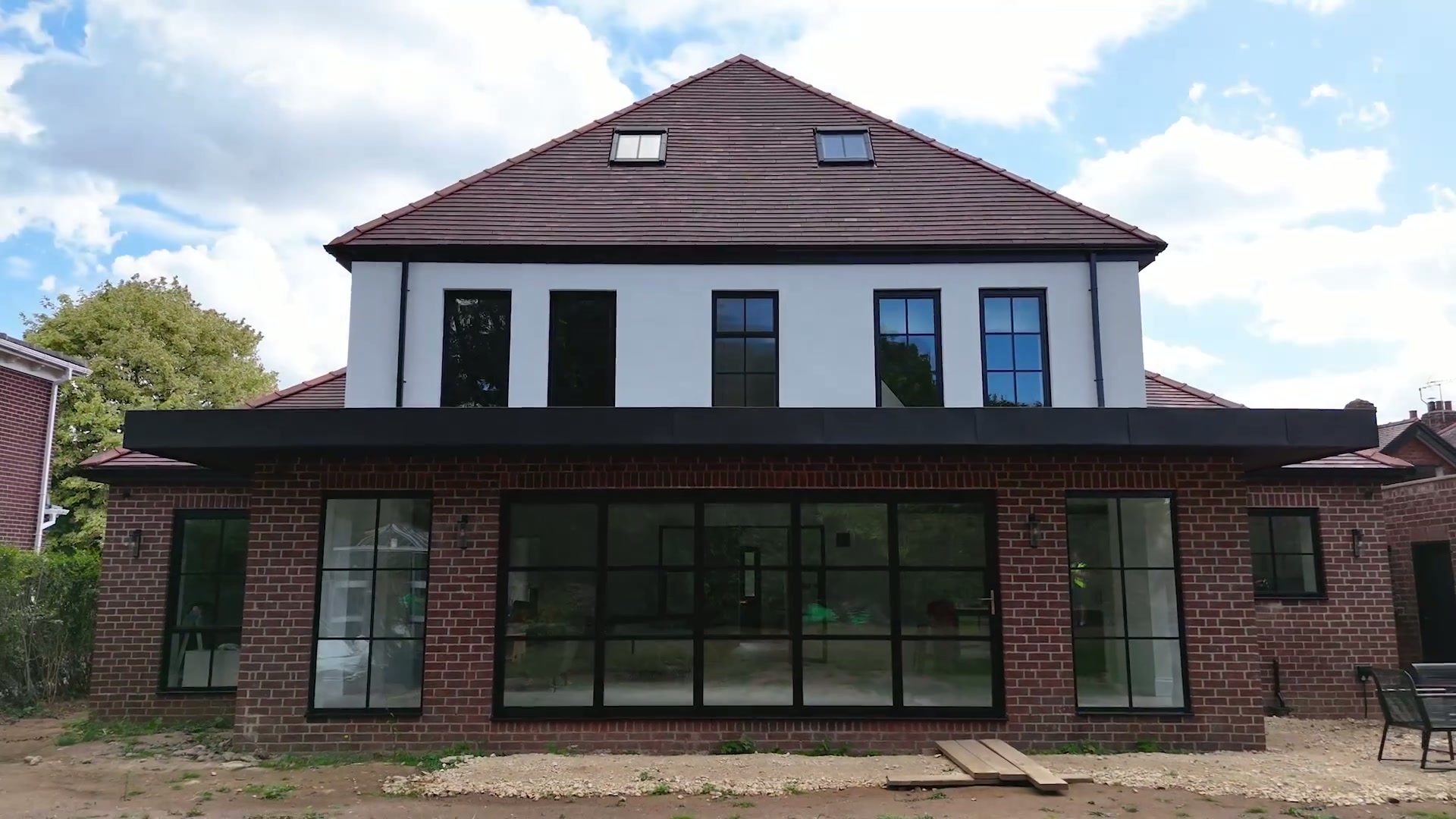
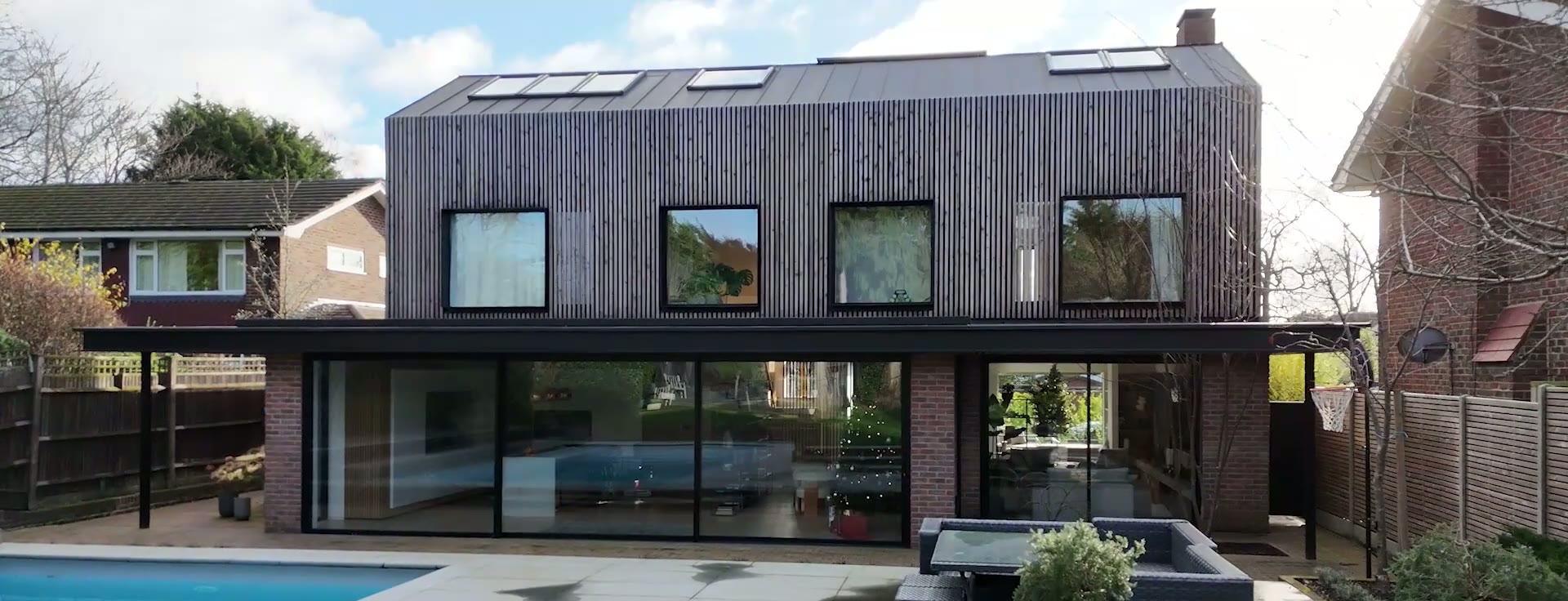
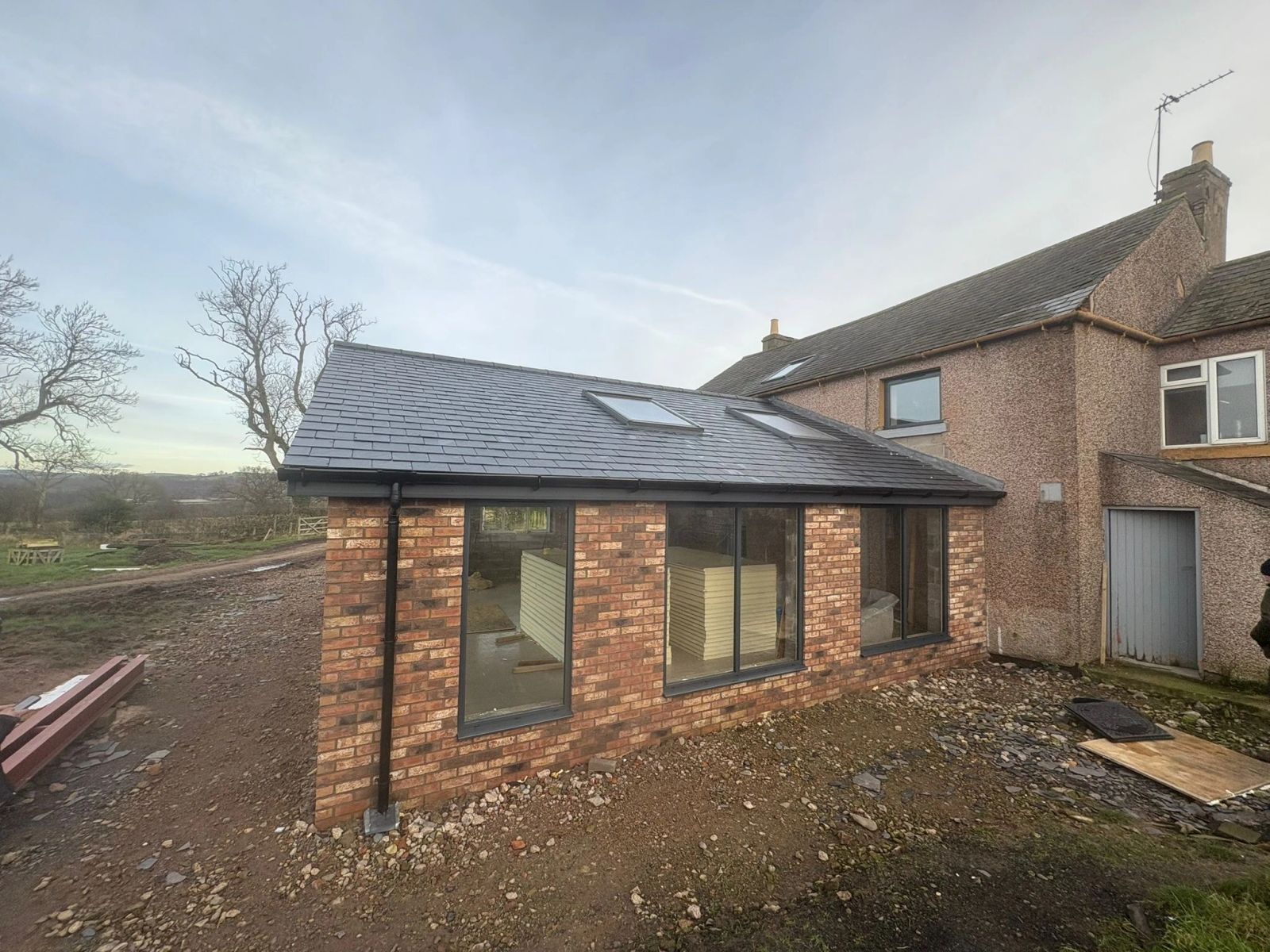
A modern extension to a traditional Lake District house is one of the most common projects we quote, and the most common mistake is trying to make the new work imitate the old. A contemporary addition that is honestly contemporary — slim aluminium, large panes, a dark consistent finish — almost always sits more comfortably against stone than a pastiche of the original windows.

  • Let the new glazing be a clean, dark, consistent element rather than a copy of the existing window pattern
  • Where the extension has a gable, follow the roof pitch with the glazing rather than stopping short of it
  • Coordinate sliding doors, side screens and gable glazing as one composition, so head heights and frame lines align
  • Keep the frame colour used on the extension consistent with any replacement windows on the original house, even where the systems differ

Larger interventions — full-height screens, apex glazing, corner openings and structural glazing — are covered on our architectural glazing page, which is where most of this work sits.

Weather and exposure

Western Cumbria takes weather straight off the Irish Sea and over the fells, and a house on an exposed elevation is dealing with driving rain far more often than the same house would be inland. This is a specification issue rather than a product one.

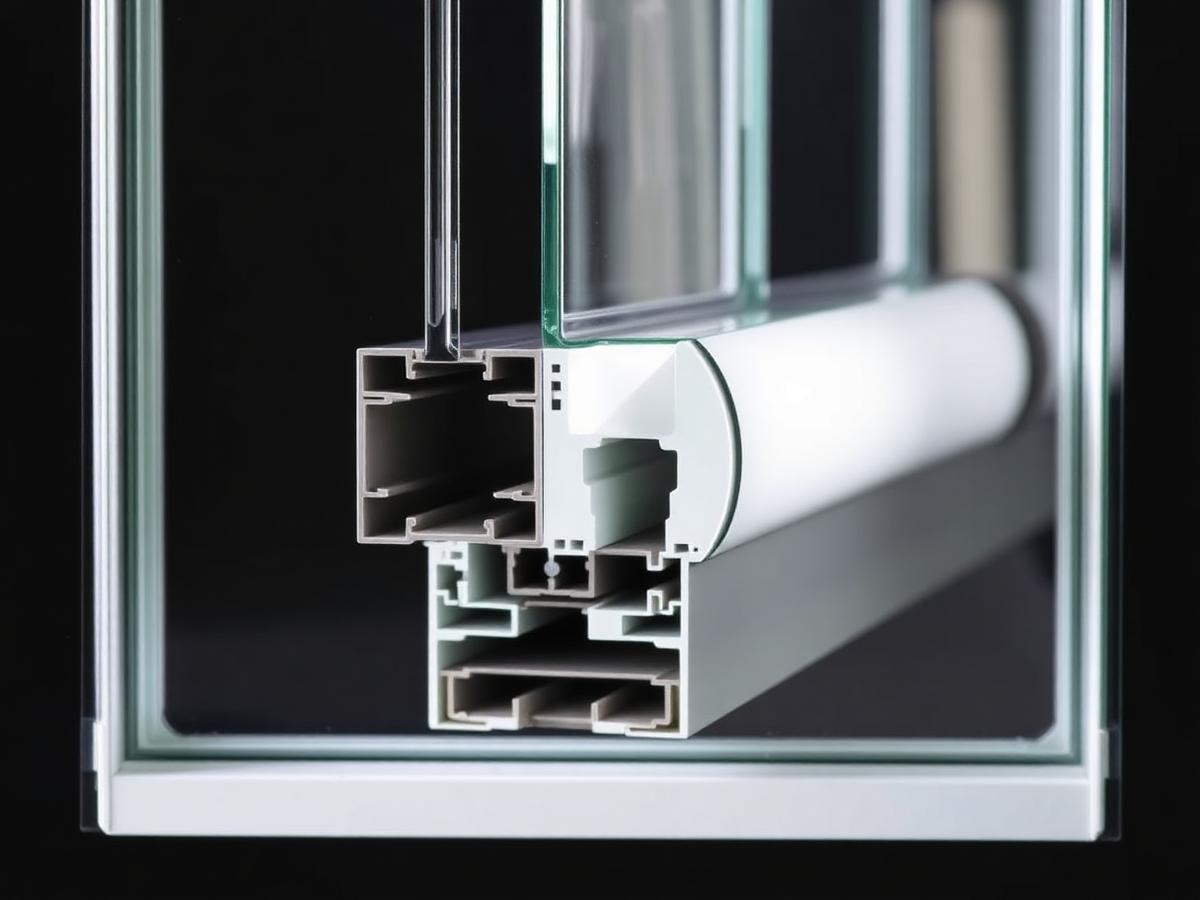
  • Discuss drainage detailing and gasket specification with your installer on exposed elevations rather than assuming a standard build-up
  • Powder-coated aluminium holds colour and shape well under sustained weather, which is part of why it is specified on exposed elevations here
  • Triple glazing is worth considering on north-facing and highly exposed elevations, though most homes reach excellent performance with well-specified double glazing
  • Where a house is near open water or in a wind-driven location, ask specifically about hardware finish and its suitability

Framing the view

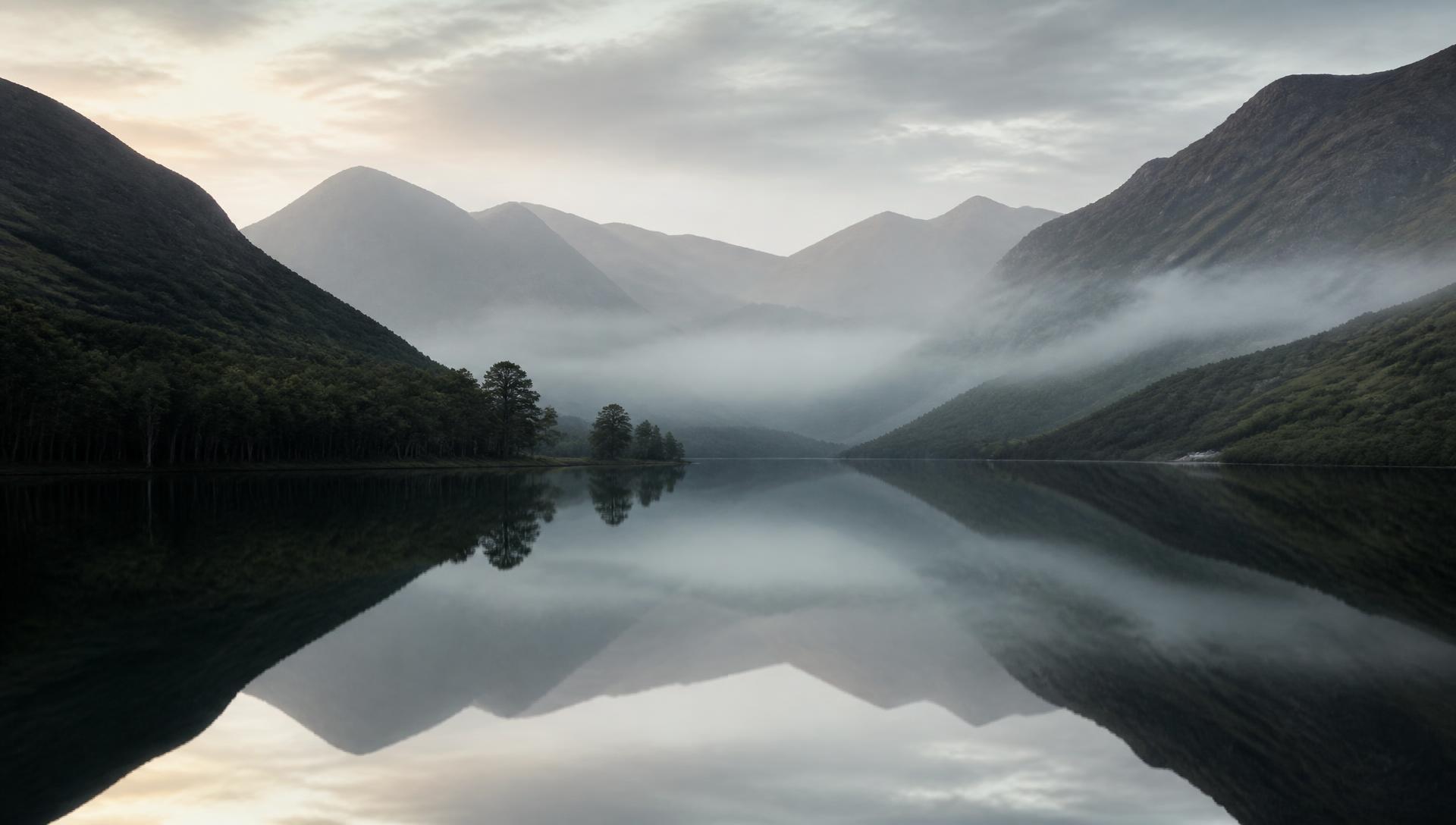
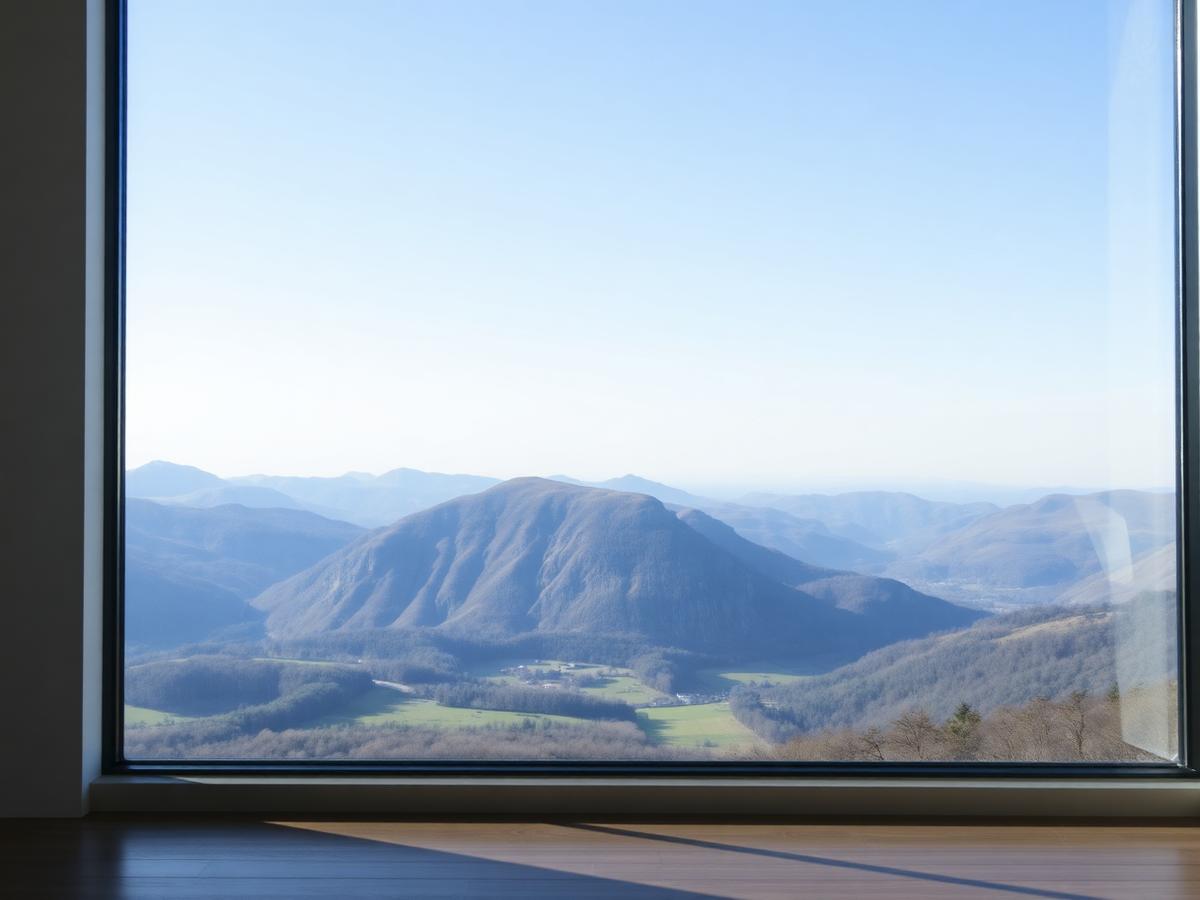
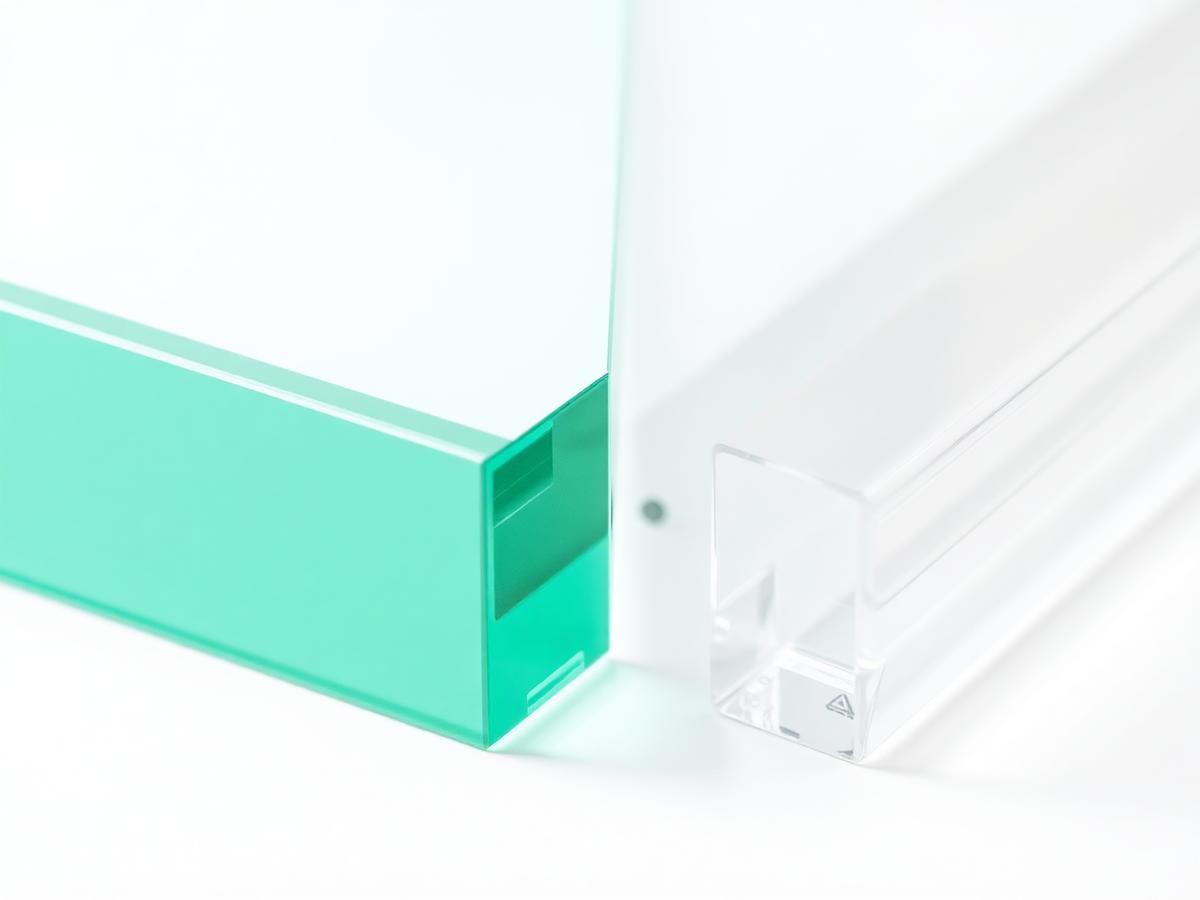
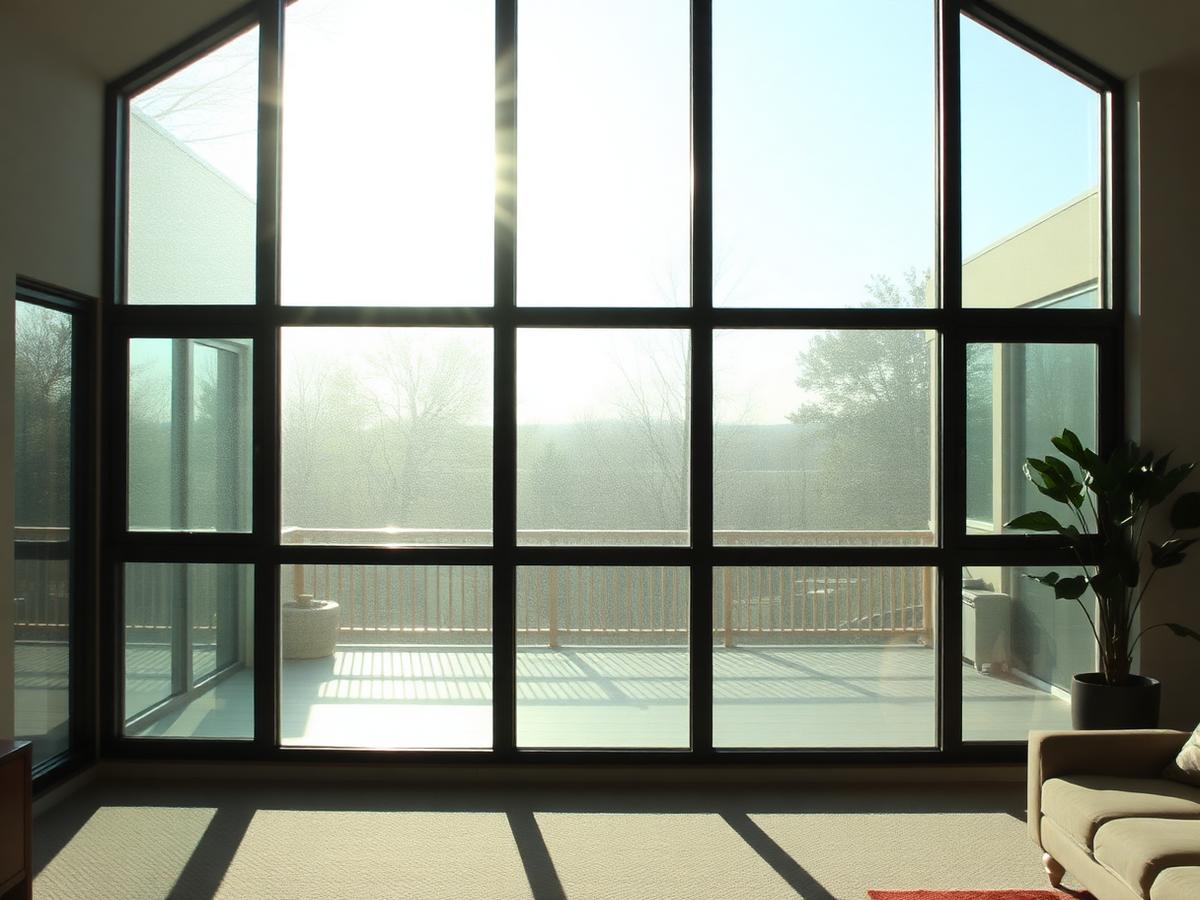
If the house looks at something worth looking at, that should drive the glazing plan for at least one elevation. Fewer, larger panes beat more, smaller ones; a fixed pane beats an opener where ventilation is available elsewhere; and low-iron glass is worth its premium where a large screen faces a fell or a lake, because standard glass carries a faint green cast over big areas.

Where the view is the reason for the room, the frame's job is to get out of the way.

Think about where you actually sit. A view framed at standing height in a hallway is worth less than the same view framed from a kitchen table, and glazing budgets are better concentrated than spread thin.

Planning and conservation considerations

Much of the area sits within the Lake District National Park, and conservation areas and listed buildings are common. We are glazing specialists rather than planning consultants, and anything below is a prompt to check rather than advice to rely on.

  • Like-for-like replacement is treated differently from altering an opening, and the distinction matters
  • Listed buildings normally require listed building consent for window replacement regardless of appearance
  • Conservation areas often place conditions on materials, finish, opening style and glazing bar detail
  • Building Regulations apply to replacement windows everywhere, including thermal performance, safety glass and means of escape

Our planning and regulations guides cover conservation areas, listed buildings and permitted development in more depth, and your planning authority or agent should confirm anything specific to your property.

Putting a specification together

  1. 01Decide elevation by elevationAgree which elevations are about character and which are about light and view. Specify each accordingly rather than uniformly.
  2. 02Choose material honestlyAluminium where spans, sightlines and large glass matter; timber-look where traditional proportion and woodgrain matter. Mixing is normal.
  3. 03Settle colour and glassOne external colour across the house, chosen against the stone or render, with glass specified per elevation for solar gain, acoustics and clarity.
  4. 04Survey before you commitA technical survey confirms openings, access, exposure and what the existing fabric will take, and turns a budget range into a real figure.

Next step

Considering aluminium windows for your own project?

We design, specify and install across Cumbria, the Lake District and the wider North. Send drawings, photographs or simply a description of the building and we will tell you what is possible and what it should cost.

Explore from here

Everything this guide touches

Save anything you are drawn to. It gathers in My Inspiration and travels with your enquiry as a design brief.

Questions

About this subject

If your question isn’t here, we would rather talk it through properly than guess.

Ask us directlyVisit the Knowledge Centre

Keep reading

Related guides

The Best Windows for a Barn Conversion

Flagship guide · 6 min read

The Best Windows for a Barn Conversion

A barn conversion is not a window replacement job. It is a small number of large, unrepeatable glazing decisions, and the material and detailing you choose will define how the finished building reads.

Matching Windows to Stone Homes

Colours & Finishes · 3 min read

Matching Windows to Stone Homes

Cumbria's stone varies more than people expect, from cool blue-grey slate-stone to warm sandstone, and each responds differently to frame colour.

Aluminium vs uPVC Windows

Flagship guide · 8 min read

Aluminium vs uPVC Windows

Aluminium and modern timber-look uPVC are both good materials. The right choice depends on the age and style of your house, your budget, and how the frames will be used, not on which one is fashionable.

Found this guide helpful?

Build your own collection of expert advice as you plan your project.

Wondering how this applies to your own home?

Share a photograph and we’ll turn this guidance into recommendations for your property.

Discover Your Home

Ready to understand the likely investment?

Start your personalised Project Investment Guide and see comparable completed projects.

Plan Your Project Investment

Begin

Let’s design something exceptional.

Bring us your drawings, your site photographs or simply an idea. We will tell you what is possible, what it should cost and how long it will take.